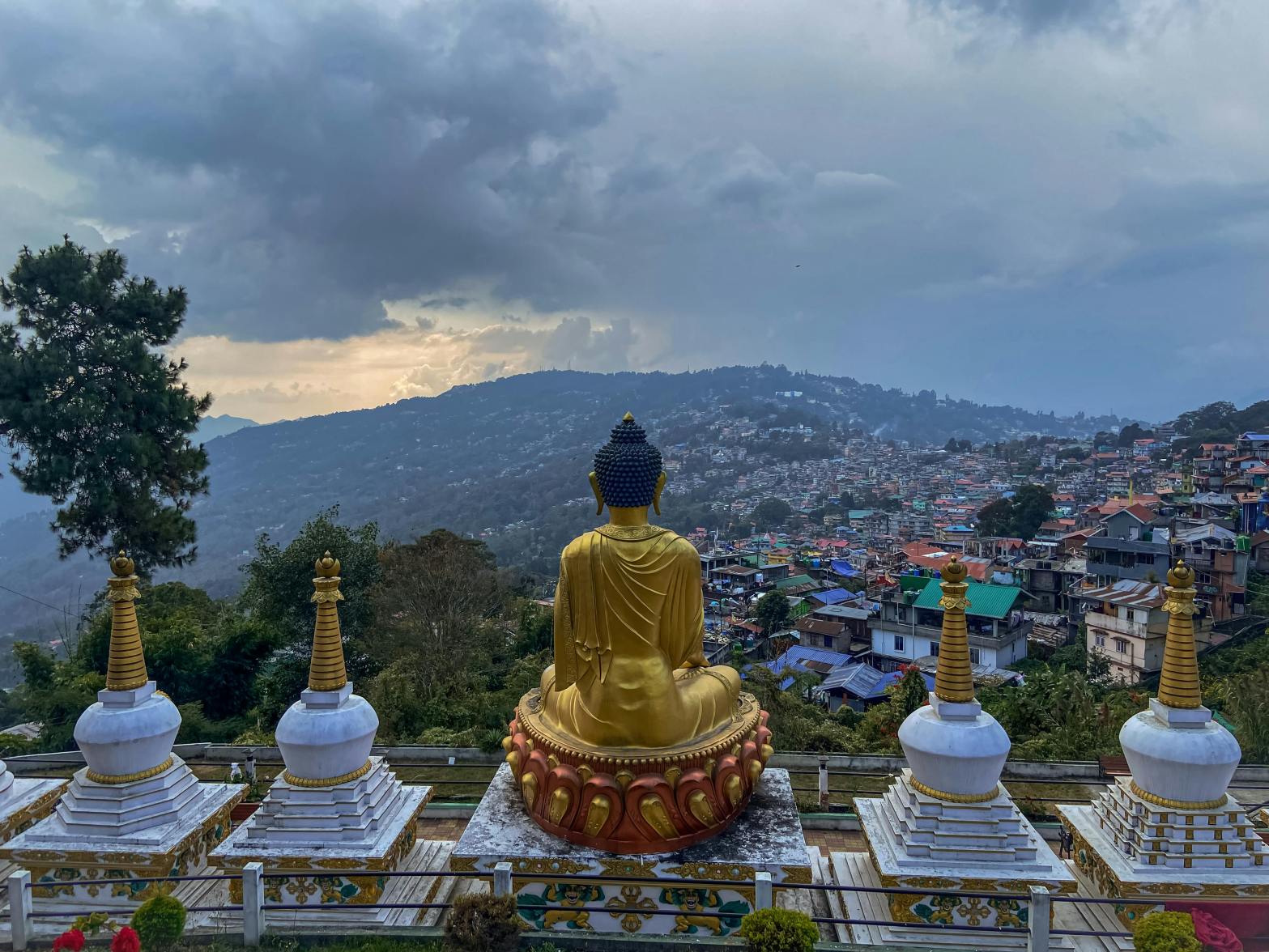
Nestled in the eastern Himalayas, Kalimpong is a charming town in West Bengal, India, known for its scenic beauty, rich culture, and unique blend of traditions.
Just 50 km from Darjeeling and 70 km from Siliguri, Kalimpong was once a flourishing trade post on the Trans-Himalayan route and a strategic town for British India. Even while the town is crowded and growing, Kalimpong offers plenty of spots to offer slow and immersive travel experiences.
Places to see in & around Kalimpong
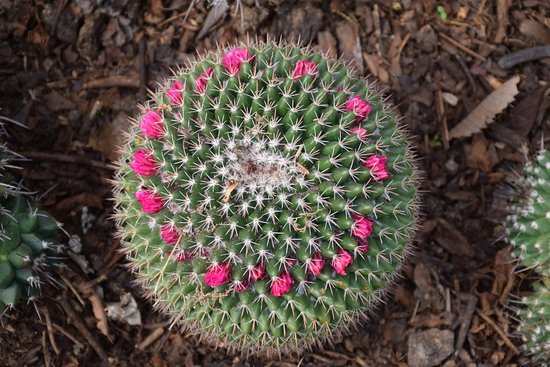
Explore Cactus and Orchid Nurseries
Of late, Kalimpong’s cactus cultivation attracts people from far and near for the stunning collection of cacti cultivated here. Kalimpong’s annual flower show in October is a big draw. The best time to visit Kalimpong is during spring, when orchids bloom wild. Take a guided tour to explore the diverse collection of cacti and orchids. You’ll be amazed at the variety and colours on display.

Hike to Deolo Hill
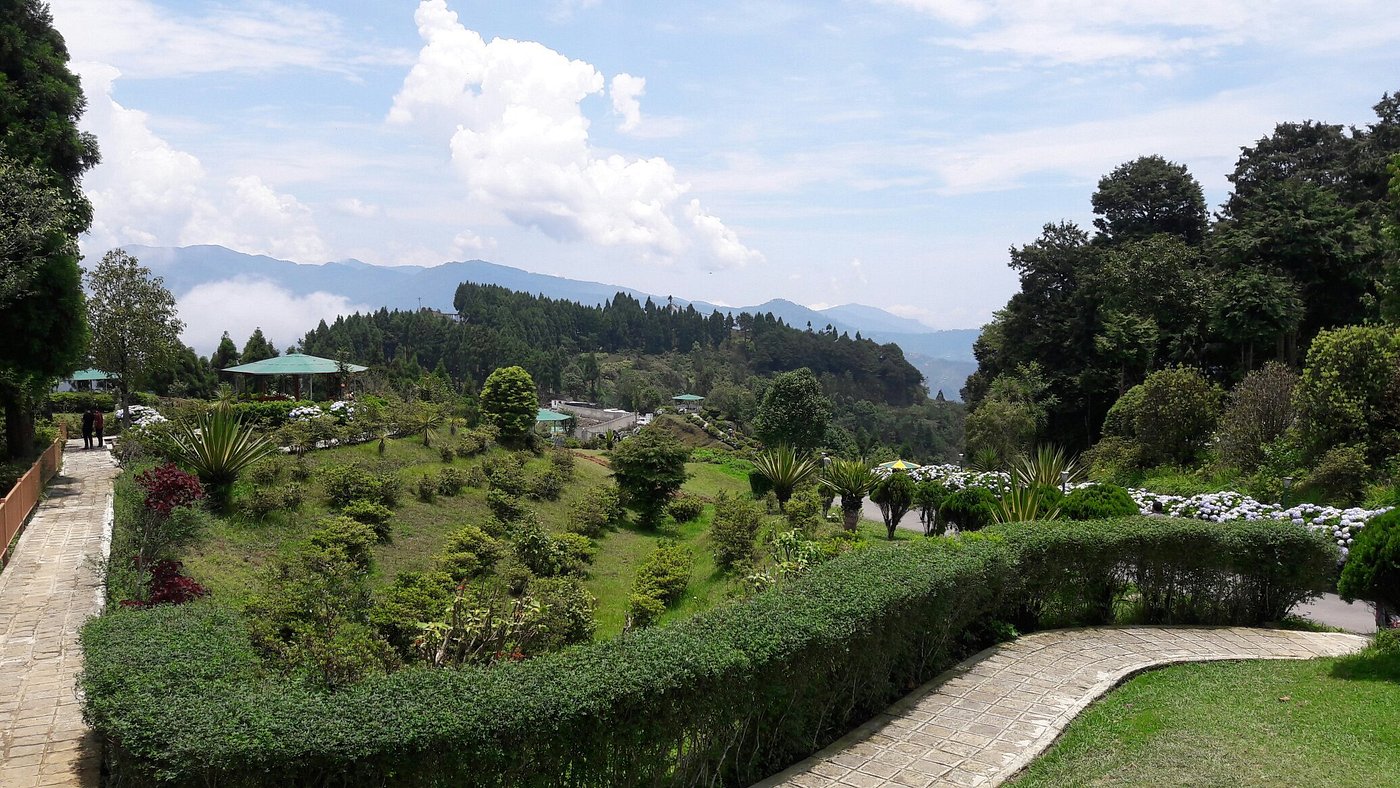
While Delo Park offers excellent sunrise views, Deolo Hill is a fantastic place for a short hike. It provides a panoramic view of Kalimpong and its surrounding landscapes.
While en route to Deolo Hill, you’ll encounter Dr Graham’s Homes, an institution with a profound history. Established by the Scottish missionary Dr John Anderson Graham in September 1900, it began as a modest orphanage and school, gradually expanding its scope.
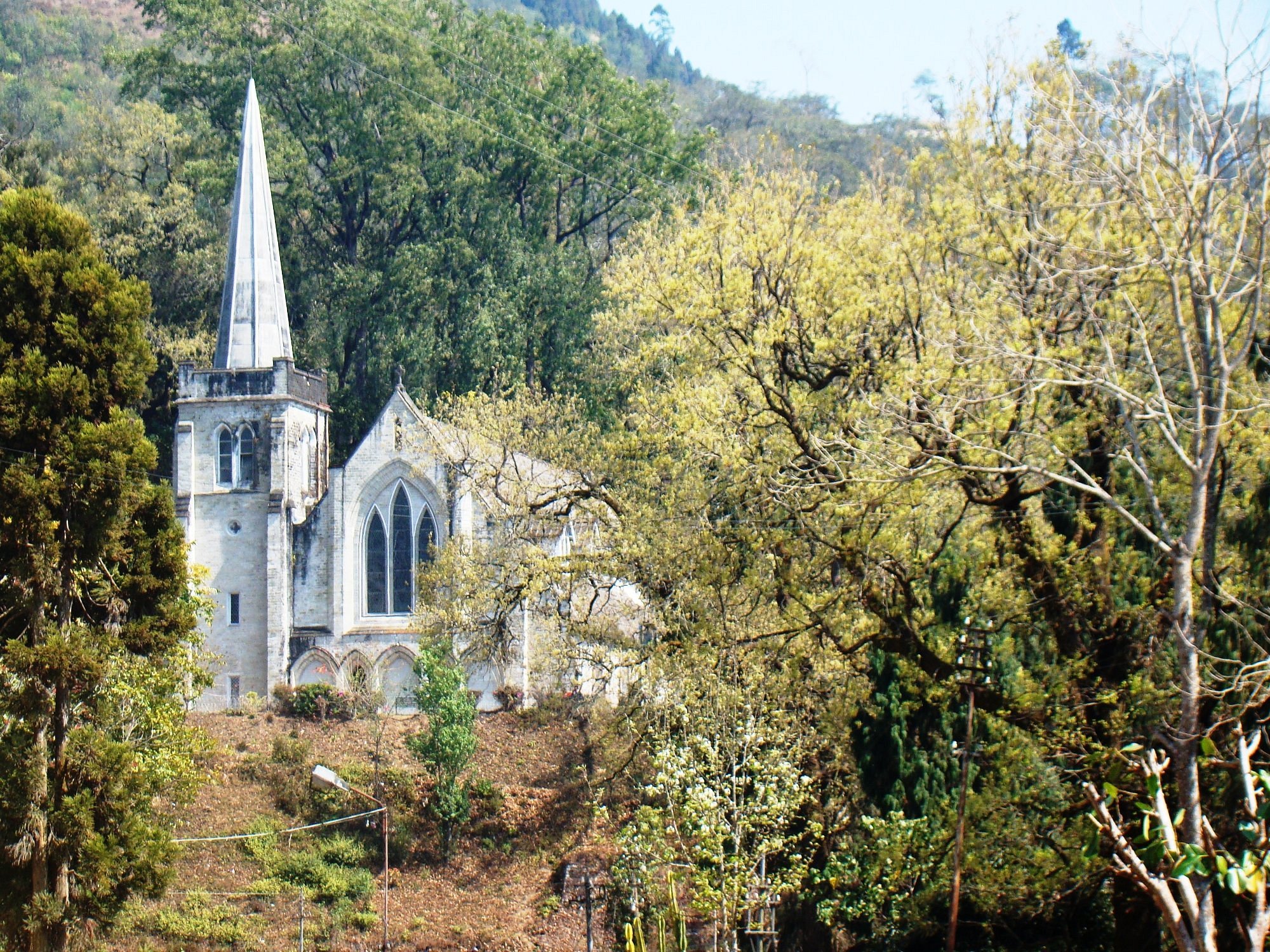
If you have the opportunity, consider exploring the Homes Museum, located within the charming Murray Cottage, as well as the Katherine Graham Memorial Chapel, which was inaugurated in 1925. These historical sites offer insights into the institution’s rich heritage.
For something offbeat:
Located on the fringe of Deolo Hills is the beautiful Sherpa Gaon. In an age of over-tourism and Instagram chasing, Sherpa Gaon represents something increasingly rare: authentic village life that hasn’t been staged for tourists. Located at the edge of Deolo Hills and just 8 km from Kalimpong’s heart, Sherpa Gaon is picturesque and known for its serene ambience and exotic natural beauty. The Sherpa people are descendants of Tibetan migrants who settled in these Himalayan regions centuries ago. They’re famous worldwide as mountain guides and for their strength, resilience, and warmth.
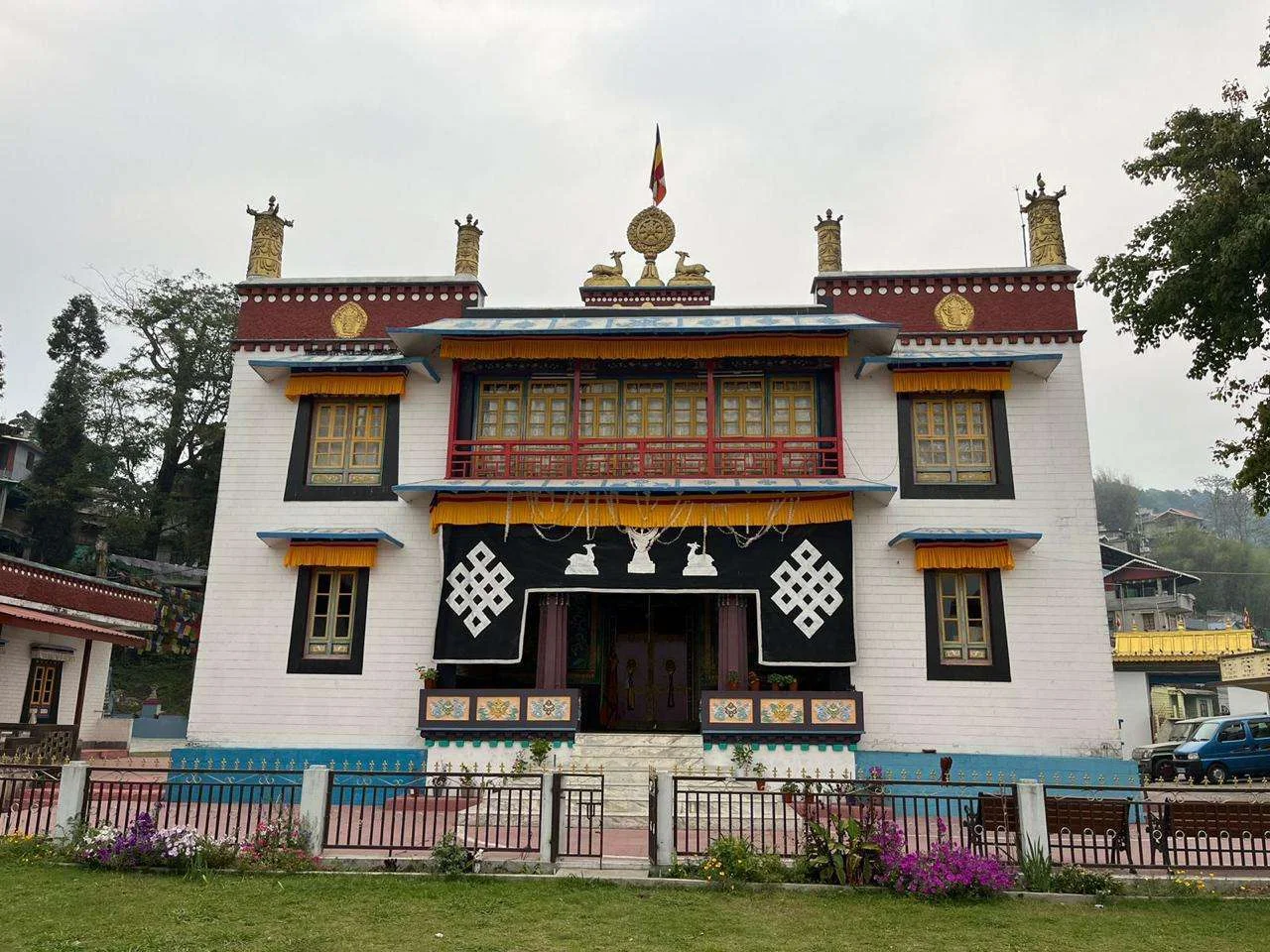
Deolo Hill is not only home to Dr Graham’s Homes but also to the Tharpa Choling Gumpha, a Buddhist monastery with roots dating back to 1837. Additionally, you’ll find the reservoirs that supply drinking water to the region, making this hill a place of cultural significance and practical utility.
Guided Silk Route Tour
Kalimpong is a gateway to the historic Silk Route. Consider taking a guided tour to explore the ancient trade routes. Visit quaint villages and learn about the ancient trade routes. Explore Zuluk, Nathang Valley, and other picturesque spots.
Did you know?
Kalimpong, originally known as ‘Dalingkote’ by the Bhutias, had historical ties to Bhutan and served as a vital hub for Indo-Tibetan trade due to its proximity to crucial mountain passes, such as Nathu-la and Jelep-la. However, the British renamed it following their acquisition of the region after the Anglo-British War in 1864. In April 1916, it was elevated to the status of a sub-division, marking a significant point in its historical development.
Experience River Rafting in the Teesta River
For an adrenaline rush, go river rafting in the Teesta River. The gushing waters and the surrounding lush greenery make for a thrilling adventure.
Visit the Morgan House
Nestled on the sixteenth-acre estate atop the picturesque Durpindara Mountain, Morgan House is a mere 3 km away from Kalimpong town, offering an unobstructed vista of the majestic Kangchenjunga range. Morgan House is a historical gem now serving as a government guesthouse, managed by the West Bengal Tourism Development Corporation. Even if you’re not a guest, a visit is a must for anyone who appreciates colonial architecture and a cup of tea with a view. This stately residence is surrounded by the Kalimpong cantonment area, affording breathtaking views of the Relli, Kapher, Deolo, and Labha valleys. What makes it even more enticing is its convenient location, close to the New Jalpaiguri Railway Station, ensuring easy accessibility to this tranquil haven in the lap of nature.
While at Morgan House, you can also visit the nearby Zong Dog Palri Fobrong Monastery, built in 1937.
Bidyang Valley (15 km from Morgan House)
Located at an elevation of 3000 feet, Bidyan Valley has a hidden waterfall.
Travel to Lava (30 km from Kalimpong)
Explore the Lava Monastery and Neora Valley National Park. Continue to Loleygaon, a serene hamlet known for its lush forests. Changey waterfall is also a great spot for a picnic.
Lava is also a gateway to Kalimpong’s best-kept secret about Himalayan flora and fauna at the Global Biodiversity Hotspot of Neora Valley National Park.
My blog https://gotraveltrek.com/2018/09/06/explore-neora-valley shares more on Neora Valley.
Visit Chuikhim ( 50 km from Kalimpong)
This village has a small community of Lepchas and Nepalese locals. It offers great walks through alpine forests and wooded trails, as well as a chance to connect with locals and sample home-grown, organic produce.
Other lesser-known places
Kalimpong offers plenty of opportunities for nature enthusiasts, adventure seekers, and cultural explorers. With time at hand, you may want to explore the lesser-known villages, including:
Pedong: (21 km from Kalimpong)
Pedong is located along the winding road to Lava. The name itself tells a story: “Pe” (pine) and “Dong” (tree) in Bhutanese, marking this as the “Place of Pine Trees.” The ancient Silk Route once passed through here, connecting Lhasa to India via Jelep La. Traders and pilgrims rested beneath these same pines before continuing their arduous journeys across mountain passes.
The crumbling Damsanguddi Fort tells another story: of territorial feuds between Lepchas and Bhutias, of power struggles that ended when the British took control following the Anglo-Bhutanese War of 1865.
Rishop/Rishyap
Rishyap is still a relatively less-travelled destination and has a few hidden wonders located amidst its thick pine and birch tree forests.
My blog on ‘Exploring Neora Valley’ at https://gotraveltrek.com/2018/09/06/explore-neora-valley shares more about Rishyap.
Icchegaon
Icchey Gaon, or “Wishing Village,” is a place where all your wishes to stay amidst untouched nature would come true. But there’s more to the name than marketing poetry. In the Sherpa language, “Ichhey” means “topmost of the village”, and at 5,800 feet, you understand why.
The place is famous for bird watching and the spectacular view of Mount Kanchenjunga, neighbouring Sikkim and Darjeeling and the surrounding areas.
Ramdhura (15 Kilometers from Kalimpong)
The name breaks down simply: “Ram” (from the Ramayana) and “Dhura” (village in the local language). Perched at 5,000 feet, Ramdhura sits on a ridge extending northward from Deolo Hill, about 8 km down a forested spur that descends toward the Teesta River valley. Ramitey Dara viewpoint, accessible from Ramdhura, is famous for offering the longest continuous view of the Teesta River.
Ramdhura only has a handful of homestays run by families who’ve lived here for generations, so forget the crowd. In Ramdhura, you wake up in your homestay bed, pull back the curtain, and marvel at Mt. Kanchenjunga, which turns from grey to pink to gold as the sun rises. No buildings blocking the view. No traffic drowning out birdsong. Just you, steaming chai on your balcony, and 8,586 meters of Himalayan majesty doing what it does every morning.
On clear days, the panorama extends beyond Kanchenjunga to include the entire eastern Himalayan range, the Teesta River shimmering far below, pine forests cascading down hillsides, and Cinchona plantations creating geometric patterns across the landscape.
You can trek to the British-Era Jalsa Bungalow, which was built in 1930 during colonial rule, and now sits hidden within luxuriant Cinchona plantations.
Two popular short hikes start from Ramdhura:
Ramdhura to Icchegaon (2.5 km): A tiny neighbouring village famous for serene settings and warm hospitality. The walk takes you along hilly ridges with changing perspectives on Kanchenjunga and the Teesta Valley. Many travellers walk in one direction and hire a vehicle for the return, or vice versa.
Ramdhura to Sillery Gaon: Another peaceful hamlet accessible via forest paths. The trail connects you with local life—terraced fields being worked, children walking to school, and elderly residents who’ll greet you in Nepali or limited Hindi.
White Water Rafting on the Teesta
Those feeling more adventurous can travel to Teesta Bazaar for river rafting. The Teesta offers rapids ranging from Grade I to Grade IV, suitable for both beginners and experienced rafters.
Insider Tip: February to May and October to November are considered ideal for stays, balancing comfortable weather with clear mountain views.
Experience more
Stay in a Homestay: Kalimpong has a plethora of homestays that offer an authentic and immersive experience. Staying with locals will not only give you insight into the local culture but also allow you to savour some delectable home-cooked meals.
Go Bird Watching at Durpin Dara: Kalimpong is a paradise for birdwatchers. Head to Durpin Dara, which offers a stunning view of the Teesta and Relli rivers, and keep an eye out for the numerous bird species found here. Perfect place for sunsets as well.
Kalimpong Arts and Crafts Centre: Visit this centre to witness local artisans at work. You can buy traditional Thangka paintings, handmade paper products, and other exquisite handicrafts. Every fortnight, there is an opportunity to visit the local Haat.
Attend a Bhutia Dance Performance: Experience the rich cultural heritage of Kalimpong by attending a Bhutia dance performance. These folk dances are an essential part of local celebrations and festivals.
Taste Traditional Tibetan Cuisine: Don’t miss out on the delicious Tibetan cuisine available in Kalimpong. Try local momos, thukpa, and butter tea in one of the many Tibetan restaurants.
Local Festivals: Don’t forget to check the local festivals and events happening during your visit, as they can add an extra layer of cultural immersion to your trip.
Shop for Kalimpong Cheese: Kalimpong is famous for its cheese. Make sure to bring some Kalimpong cheese home, which is available in various flavours. Also, explore the local markets for handicrafts and traditional items.
Location & Distance Guide
Start: Bagdogra / Siliguri / NJP → Base / Acclimatise: Kalimpong → Explore: Deolo Hill, Morgan House, Durpin Dara, nurseries, Pedong/Chuikhim → Optional loop to Lava / Neora Valley (gateway) → End: Kalimpong or return to Siliguri / Bagdogra.
Darjeeling: 50 km
Siliguri: 70 km
Nearest Railway Station: Jalpaiguri -76 km
Nearest Airport: Bagdogra – 76km
3 ready itineraries
Short escape — 1–2 days (weekend)
- Day 1: Arrive Kalimpong → Deolo Hill & Dr Graham’s Homes → nursery visit → Durpin Dara sunset.
- Day 2 (optional): Morgan House + Zong Dog Palri Monastery → quick drive to Bidyang Valley or Ramdhura → return to Bagdogra/NJP.
Standard discovery — 3–4 days (recommended)
- Day 1: Drive Bagdogra/NJP → Kalimpong; town walk & nursery.
- Day 2: Deolo Hill early — Dr Graham’s Homes, Tharpa Choling; Morgan House in the afternoon.
- Day 3: Day trip to Pedong / Chuikhim (50 km to Chuikhim; offbeat village walks).
- Day 4: Optional Lava day trip (start of Neora Valley exploration) or Ramdhura & Ramitey Dara viewpoint; depart to NJP.
Slow & local — 5–7 days (deep)
Days 5–6: Drive to Lava → continue into Rishyap / Lolegaon for forest trails and waterfalls (connect with your Neora Valley guide if going deeper). Return to Kalimpong or Siliguri.
Days 1–2: Kalimpong immersion — nurseries, museums, craft centre, Durpin Dara birding.
Days 3–4: Pedong → Ramdhura → Icchegaon treks & homestay nights, slow village life.
*Feature Image Copyright – Pexels
Discover more from GoTravelTrek
Subscribe to get the latest posts sent to your email.

One thought on “Exploring Kalimpong’s Hidden Gems”