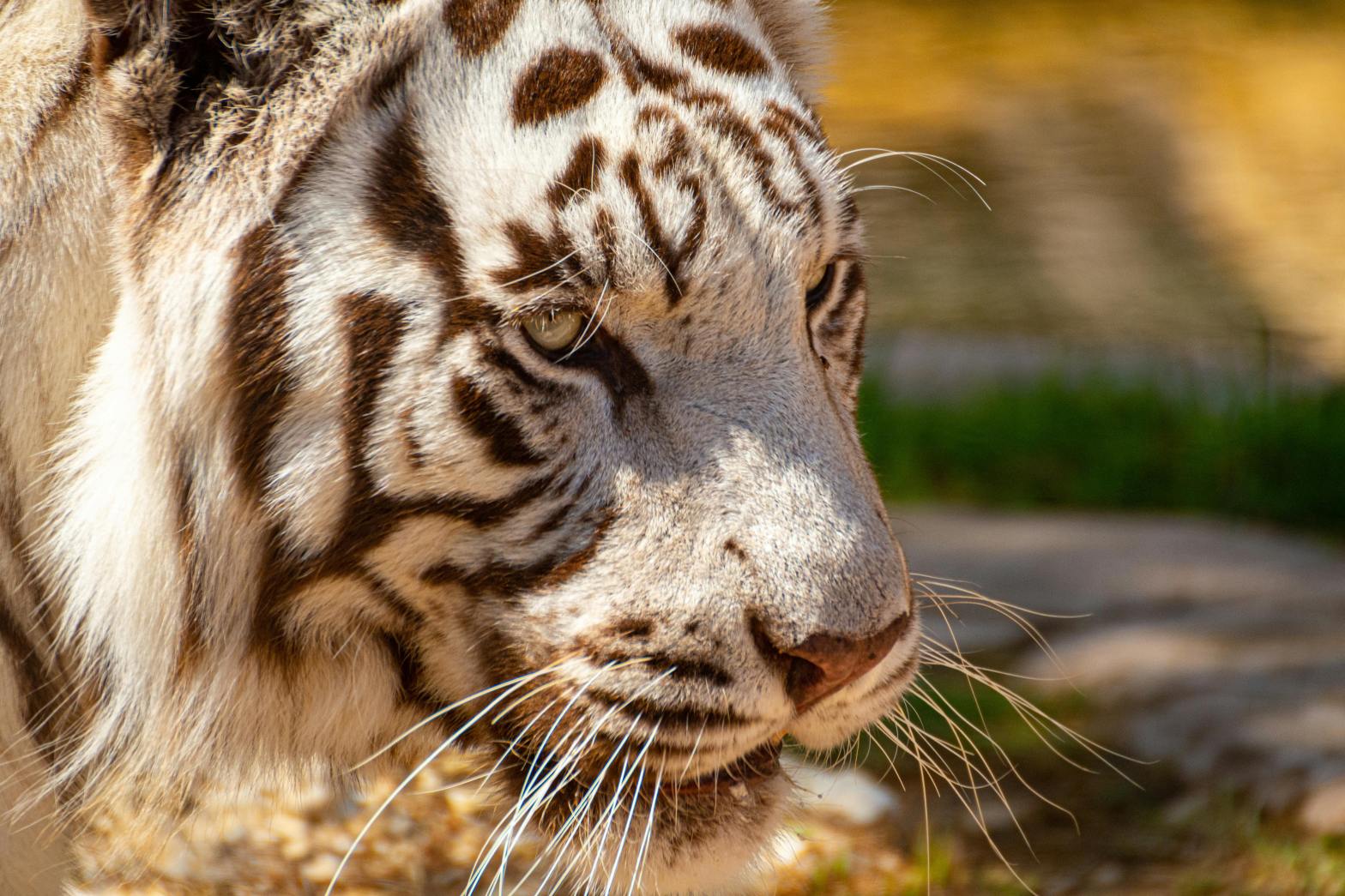
Established in 1140, Rewa was initially known as Rewah. It was once a princely state in the Bagelkhand region, governed by Rajput clans. Located just a 2-hour drive from Bandhavgarh, Rewa is an interesting detour.
The town of Rewa derives its name from the Narmada River (which originates in the holy city of Amarkantak in Madhya Pradesh). The Narmada is revered as one of the seven sacred rivers in Hindu tradition.
I have been to Rewa and was fortunate enough to live there for a few weeks as part of my father’s posting sometime during the mid-1990s. Rewa offers visitors a glimpse into the region’s regal past through its forts, palaces, and temples with intricate architectural styles.
Things to see & do in and around Rewa
Govindgarh Palace
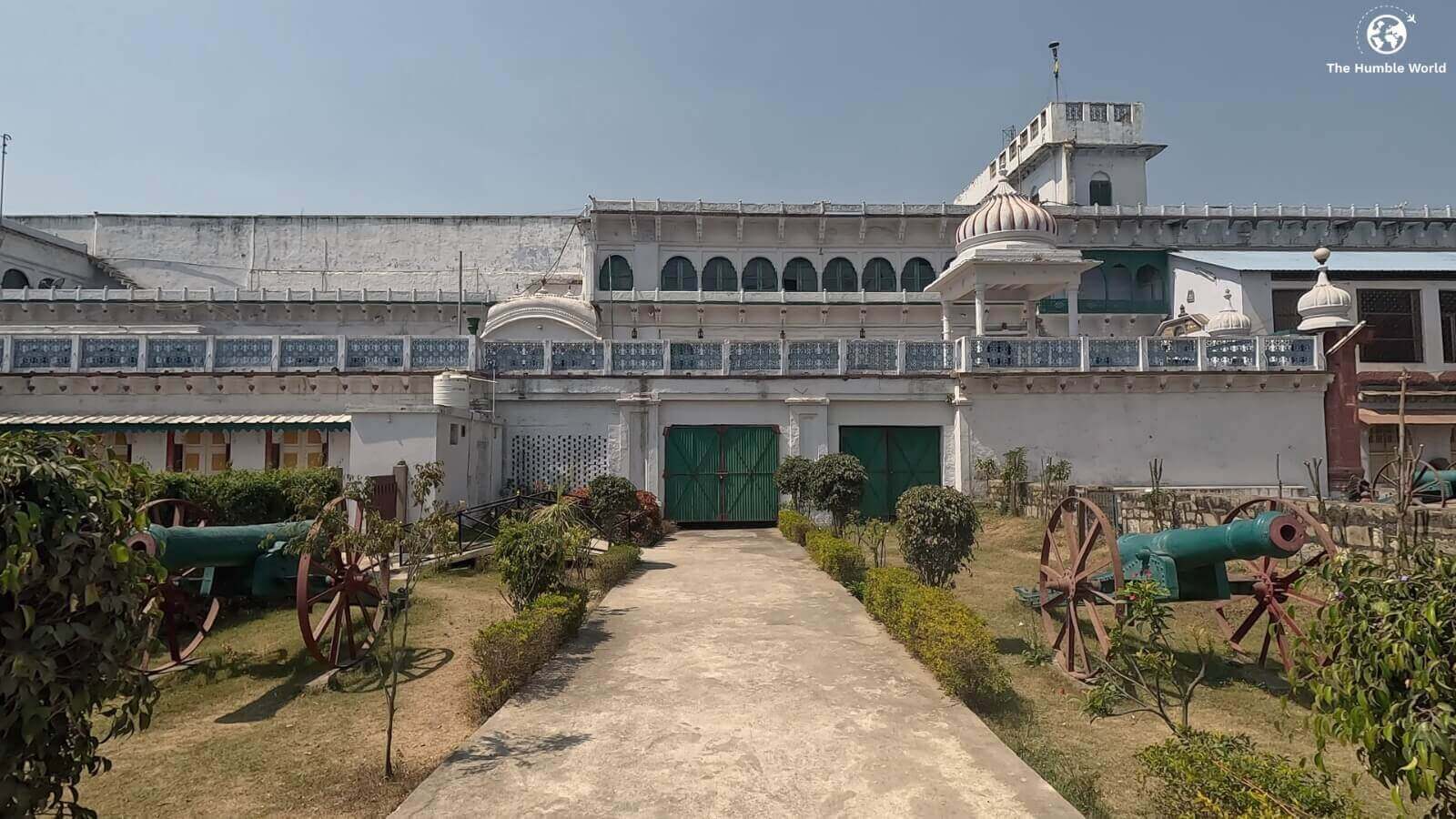
Serving as the summer capital of the Maharaja of Rewa, Govindgarh Palace lies 20 km from Rewa and is a prominent tourist destination. Perched on a small plateau overlooking a lake, the palace boasts striking architecture. Notably, it once housed ‘Mohan’, India’s first White Tiger, captured by Maharaja Martand Singh in 1951.
My dad had an opportunity to meet the last king, Maharaja Martand Singh Ju Dev (1923-1995) and took us once to meet him. Despite aging, the Maharaja graciously shared tales of his reign and the changing times. Today, Maharaja Pushpraj, the 35th successor, resides in the palace, preserving its historical legacy.

Baghel Museum
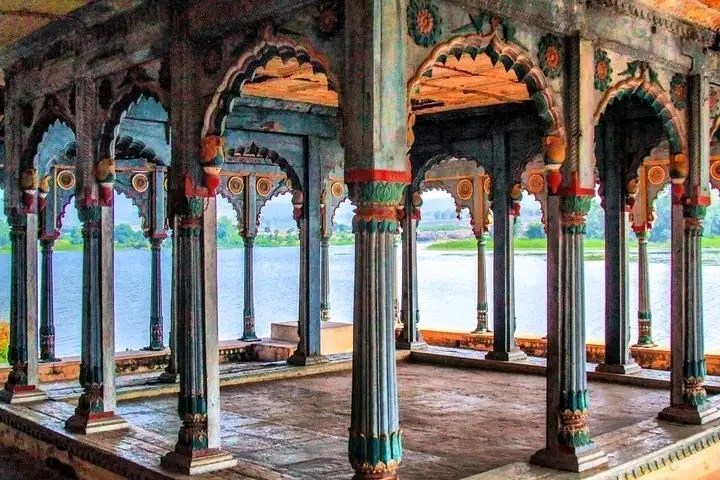
Adjacent to the fort stands the Baghel Museum, a treasure trove of regional artifacts and the private collection of the Maharaja family. Among its most notable exhibits is the stuffed remains of Mohan, India’s first White Tiger, captured in 1951 by Raja Martand Singh of Rewa. I still remember how thrilled and intrigued I felt when I first saw the well-preserved body of ‘Mohan’ as a kid.
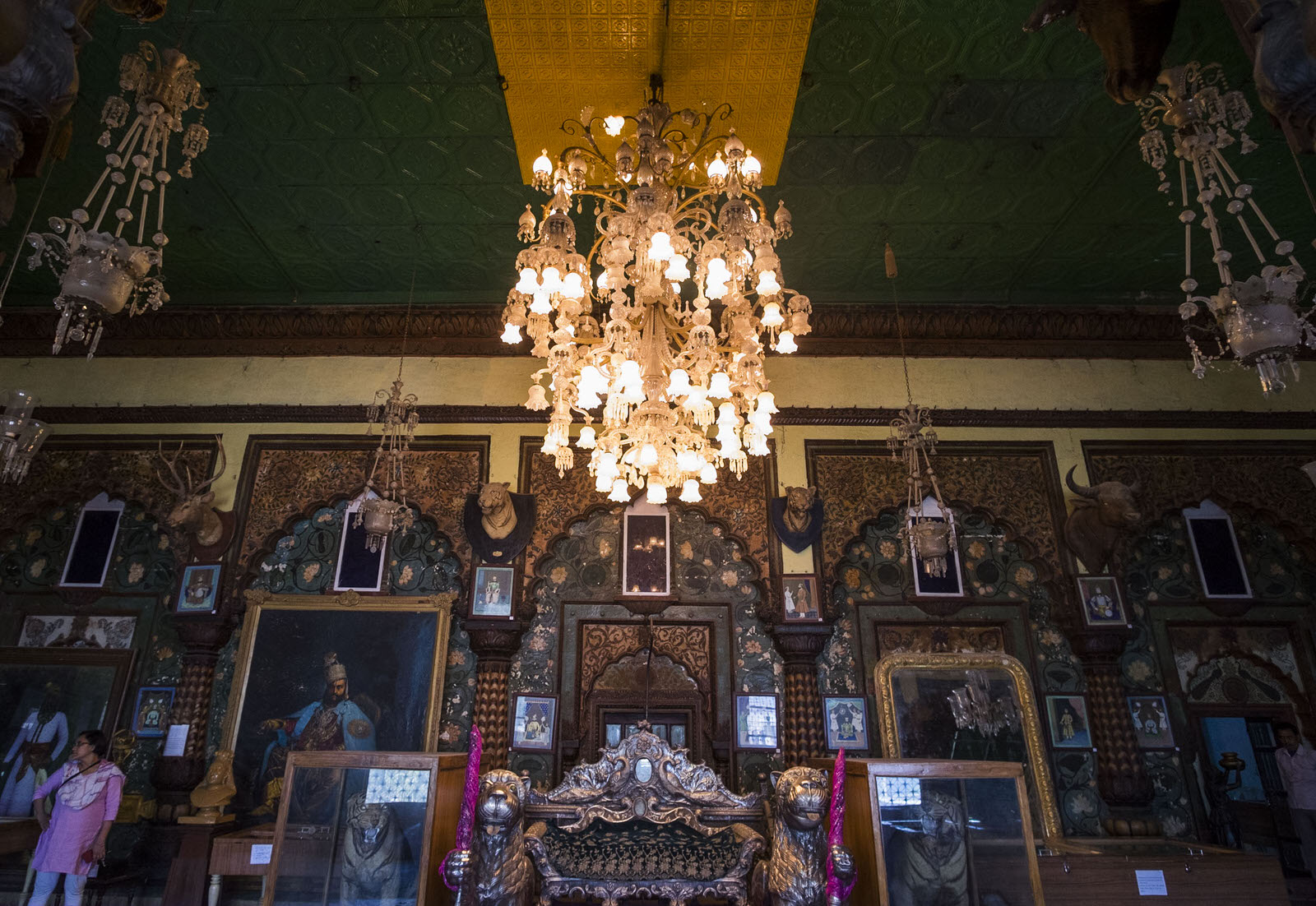
The very region where Mohan was found is now the Sanjay Tiger Reserve, spanning 1,674.11 sq. km. This expansive reserve includes Sanjay National Park, Dubri Wildlife Sanctuary, and buffer zones from Sidhi and Shahdol districts in Madhya Pradesh. Located in the northeastern corner of the state, it shares its southern boundary with Guru Ghasidas National Park, which was originally part of the reserve until Chhattisgarh’s formation in 2000.

Following Mohan’s demise in 1969, his progeny continued to inhabit the grounds of Rewa palace, leading to gene mutation and the breeding of several White Tigers. However, with the passing of ‘Viraat’ at Govindgarh in July 1976, the white tigers vanished entirely from their original habitat at Rewa. Now, after almost 40 years, the road of the white tigers has made a joyous return.
Remarkably, Govindgarh Palace is also set to undergo a transformation into a Heritage Hotel. I am unsure if that’s happened or is still in progress. I earnestly hope that the renovation will preserve the essence of the place, keeping its rich heritage alive within its walls.
Govindgarh Palace faced a setback in 2012 when thieves absconded with antiques worth over 500 crores. Among the stolen treasures were pen pistols, a large silver chhatri from the 13th century, and a massive silver garland worn by royal elephants, shedding light on the palace’s rich history. As plans unfold to convert Govindgarh Palace into a Heritage Hotel, one can only hope that the renovation preserves its essence and perpetuates its heritage for generations to come.
Take a safari
Located at Mukundpur, Govindgarh, India’s first White Tiger Safari offers an exhilarating forest excursion managed by the forest department. Opened to the public in April 2016, the safari provides insights into the white tiger’s history, particularly focusing on ‘Mohan’, the world’s first white tiger.
Watch a Video on the World’s First White Tiger Safari & Zoo, Mukundpur.
Venkat Bhawan

This ancient structure stands as a testament to Rewa’s rich architectural and historical heritage. Its grandeur includes a hidden tunnel once used by the kings to escape or their clandestine ventures.
Adorning the entrance gate are life-sized idols of Lord Shiva and Parvati, originally part of an ancient temple. Maharaja Venkatraman Singh initiated the construction of Venkat Bhawan in 1894, completing it in 1907. Explore the royal swimming pool, columned courtyards, and the renowned Kothi Temple (Bum-Khata-khat) with its exquisite metal fountain.
Rani Talab
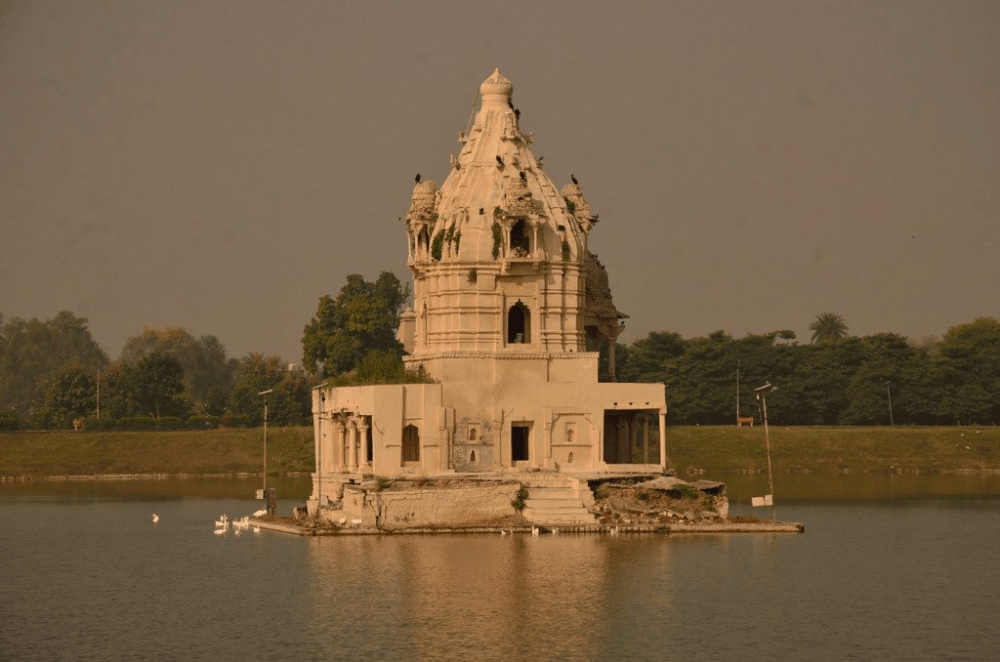
Offering a serene retreat during sunset and evenings, Rani Talab captivates with its tranquil ambience. At its centre lies an ancient Shiva temple, illuminated beautifully at night. Embark on a boat ride organized by Rewa Tourism to fully immerse yourself in its charm.
Deur Kothar
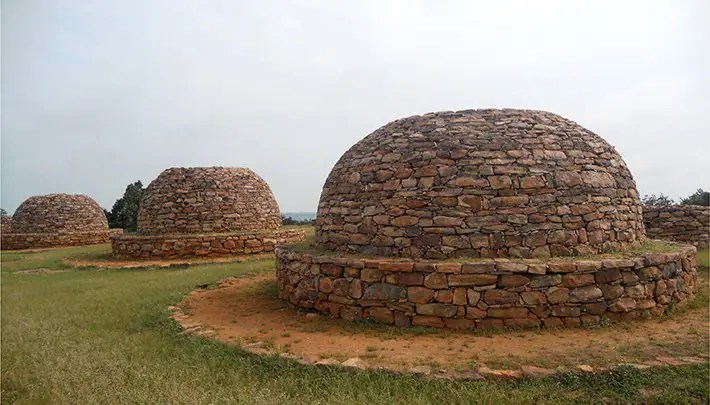
The Buddhist stupas at Deur Kothar were first discovered in 1982. The Archaeological Survey of India conducted controlled excavations at the site from 1999 to 2000.
The site features four brick stupa mounds, with stupas No. 1 and 2 excavated. Stupa No. 1 stands about 9 meters (30 feet) tall. Additionally, there are remnants of 30 stone or brick stupas and 63 rock shelters with ancient rock paintings in the surrounding area. The six-line Brahmi inscription on the Deorkothar pillar is believed to be the earliest evidence of the historic Buddha.
Bhairav Baba Temple at Gurh
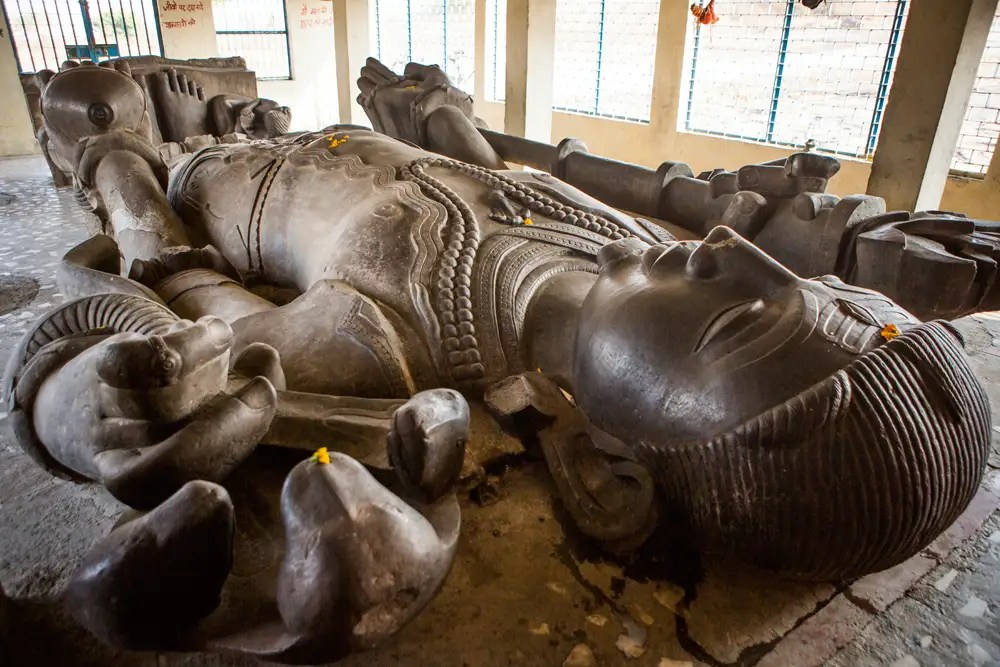
Gurh is a small town located 30 km from Rewa and is popular for a giant rock sculpture (35 feet) of Lord Shiva, positioned in lying form.
Explore waterfalls of Govindgarh Region
The region of Govindgarh is quite picturesque and has numerous waterfalls that must be visited especially after monsoons. Few popular waterfalls of this region include Chachai Falls (36 km), Purwa Falls (32 km), Keoti Falls (37 km) and Bahuti (70 km).
A famous travel blogger Lakshmi Sharath has visited Rewa and her blog – ‘The Baghelas and the White Tiger of Rewa‘ shares her fascinating experience and amazing pictures.
Some interesting facts:
- I read somewhere that the weapons used in the Shahrukh Khan & Kareena Kapoor’s Movie ‘Ashoka’ were also loaned from the Rewa Museum!
- Another interesting fact about Rewa is that the great Musician – Tansen also learned Music here. Although born in Gwalior, Madhya Pradesh (MP) he mastered Hindustani classical music at Rewa and spent a few years here. Akbar had exchanged Tansen by offering a canyon to the Rewa Palace, among other things.
Related Blogs
Sanjay-Dubri Tiger Reserve, Madhya Pradesh
Parsili, Madhya Pradesh – a hidden gem by the banas river
Location & Distance Guide to Rewa
By Road:
Bandhavgarh: 140 km
Amarkantak: 220 km
Jabalpur: 250 km
Allahabad: 350 k
Khajuraho: 400 km
Bhopal: 420 Kms
By Railways: Plenty of trains run regularly for Rewa from multiple cities. Book the train tickets via https://www.irctc.co.in/nget.
By Air: The nearest Airports for reaching Rewa are Khajuraho, Jabalpur & Varanasi. There is also an Airstrip at Chuhata, Rewa but it has very limited private landings.
Discover more from GoTravelTrek
Subscribe to get the latest posts sent to your email.

After reading this write up I have realized that how I have underestimated these places all my life. I have been to Rewa (and the nearby waterfalls), Govindgarh, Khando, etc a zillion times but never thought of writing about it. Great work!!
LikeLiked by 1 person