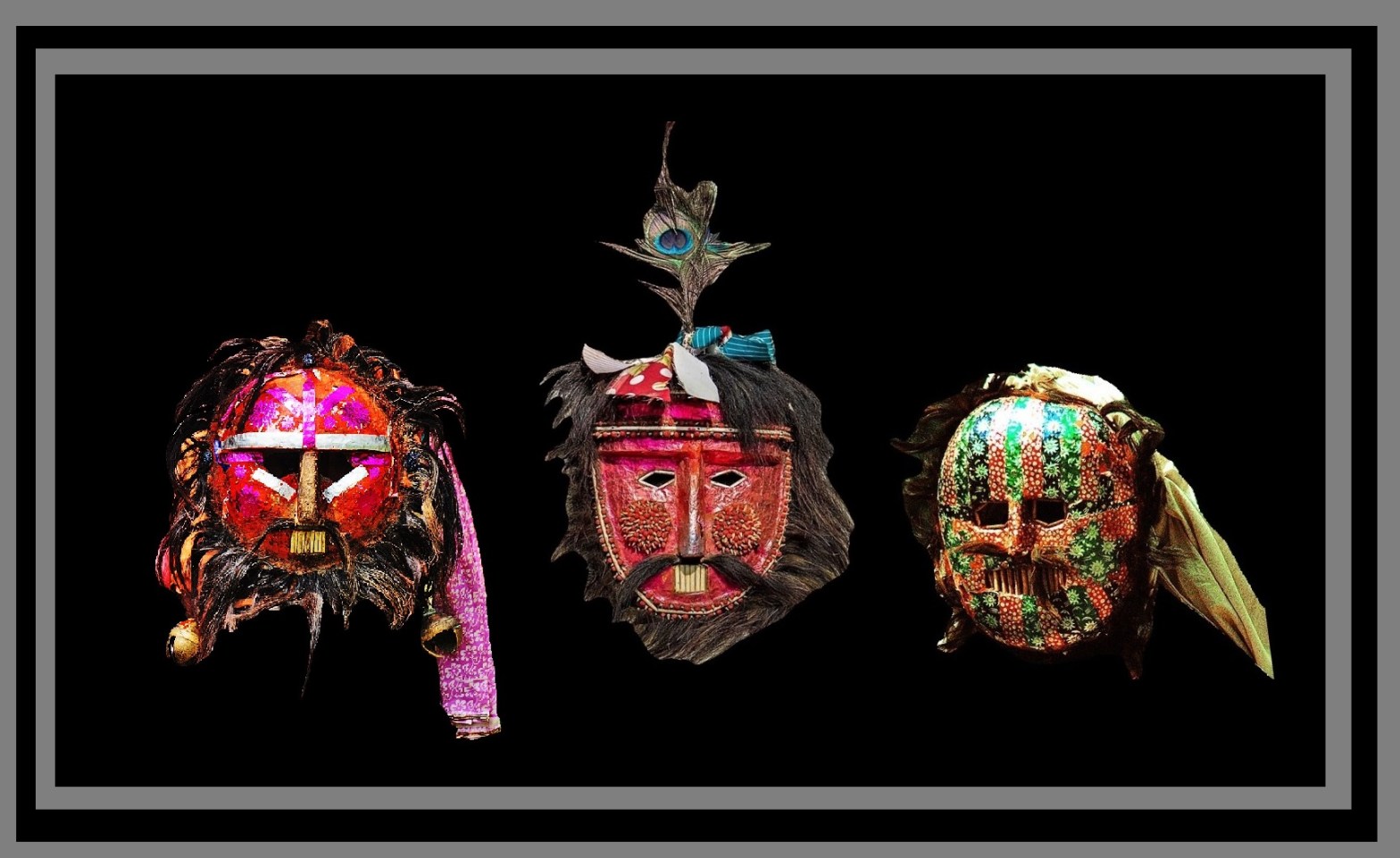
Gavari is a mystical performance dedicated to Goddess Gavari (Shakti). Each year, from July to September, the Bheel Tribe of the Mewar and Vagad (Vagar) region in Rajasthan perform this 40-day dance drama. Through this, they convey ancient myths, historical events, tribal lore, rituals, classic tales, and even satirical political commentary.
The festival is significantly celebrated on the day after Shravani Purnima or Raksha Bandhan. It is considered one of the most auspicious festivals of brothers, and the festival continues for more than a month.
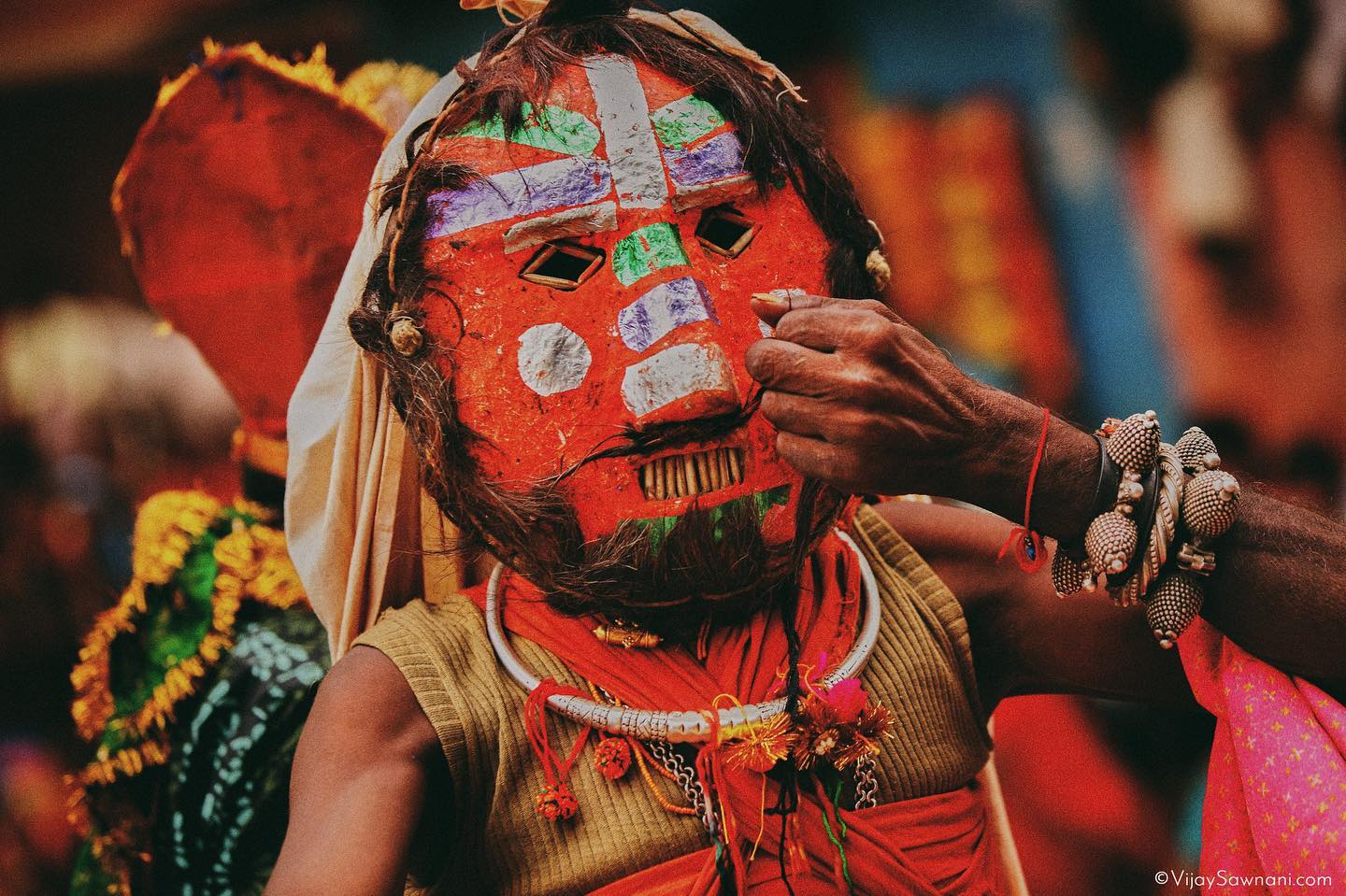
The participants, mainly farmers and labourers, traverse villages during this season, abstaining from returning home, sleeping on the ground, and refraining from consuming green vegetables and meat.
The central figure in this 800-year-old tradition is the invocation of the Goddess, facilitated by the village Shaman or ‘Bhopa.’ The Shaman enters a trance state, allowing the Goddess to communicate through him, accepting or refusing their appeals. This daily ritual involves planting a trident to demarcate an altar space, accompanied by shamanic chants, drumbeats, and cymbal music. Meanwhile, dancers and villagers create a welcoming energy field through their movements. Bhudia, a masked figure embodying both Siva and a demon, cycles around the periphery in the opposite direction to safeguard the sacred energy from misuse.
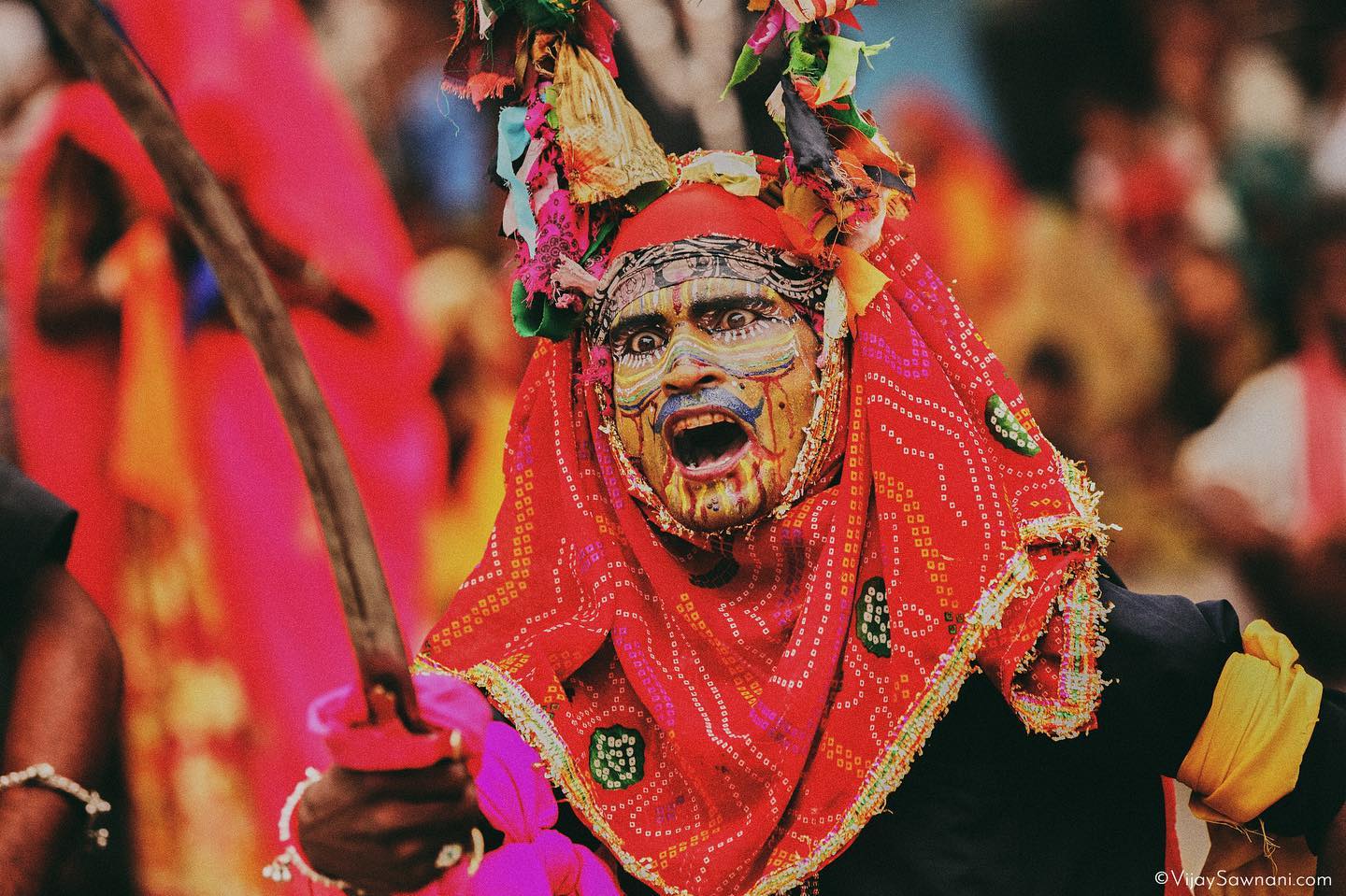
The presence of the Goddess is palpable when one or more Bhopas tremble as She enters their bodies. Some of those possessed express their euphoria by beating their backs with heavy chains, not as an act of penance but to contain the overwhelming power they feel.
Gavari’s performance is deeply entrenched in spiritual beliefs, believed to invoke blessings, ward off evil spirits, and foster community prosperity. It serves as a conduit for social unity and cultural preservation within the Bhil tribe.
Over time, Gavari has transcended its indigenous roots, evolving into a symbol of India’s diverse cultural heritage. It captivates tourists and scholars alike, drawing interest in the study of folk traditions and rituals.
A captivating aspect of Gavri lies in its enduring characters, which remain unchanged over generations. In this tradition, the portrayal of characters is a hereditary duty, passed down within families from one generation to the next. The head of the household holds the responsibility for crafting these characters, ensuring their continuity from youth to old age or until a successor within the family assumes the role. Interestingly, the spectrum of characters in Gavri goes beyond the conventional gods, demons, humans, and animals, encompassing six distinct types, such as khechar and jalchar, which diverge from the traditional four categories outlined in the Natya Shastra.
The female characters depicted in Gavri are not ordinary figures; they exude resilience and exceptionalism. In moments of crisis, they stand alongside men with remarkable strength and intelligence, reminiscent of goddesses supporting humanity across realms. Additionally, they showcase their prowess by skillfully wielding weapons, blending grace with power.
Participation in Gavri demands unwavering commitment. Artists assuming the roles of women in the performance must refrain from returning home, indulging in alcohol, or engaging in domestic affairs. Male performers dance fervently, seeking blessings for the welfare and prosperity of their daughters and sisters’ households. Through their performances, they express prayers for bountiful livestock, timely rains, and the enduring prosperity of their sisters’ families.
Recommended Blogs
1. https://www.rajasthandirect.com/gavri-dance-of-bheel-tribes
2. https://magikindia.com/en/gavari-le-theatre-mystique-des-bhils
Feature Image CC @https://ethnoflorence.wordpress.com
Discover more from GoTravelTrek
Subscribe to get the latest posts sent to your email.
