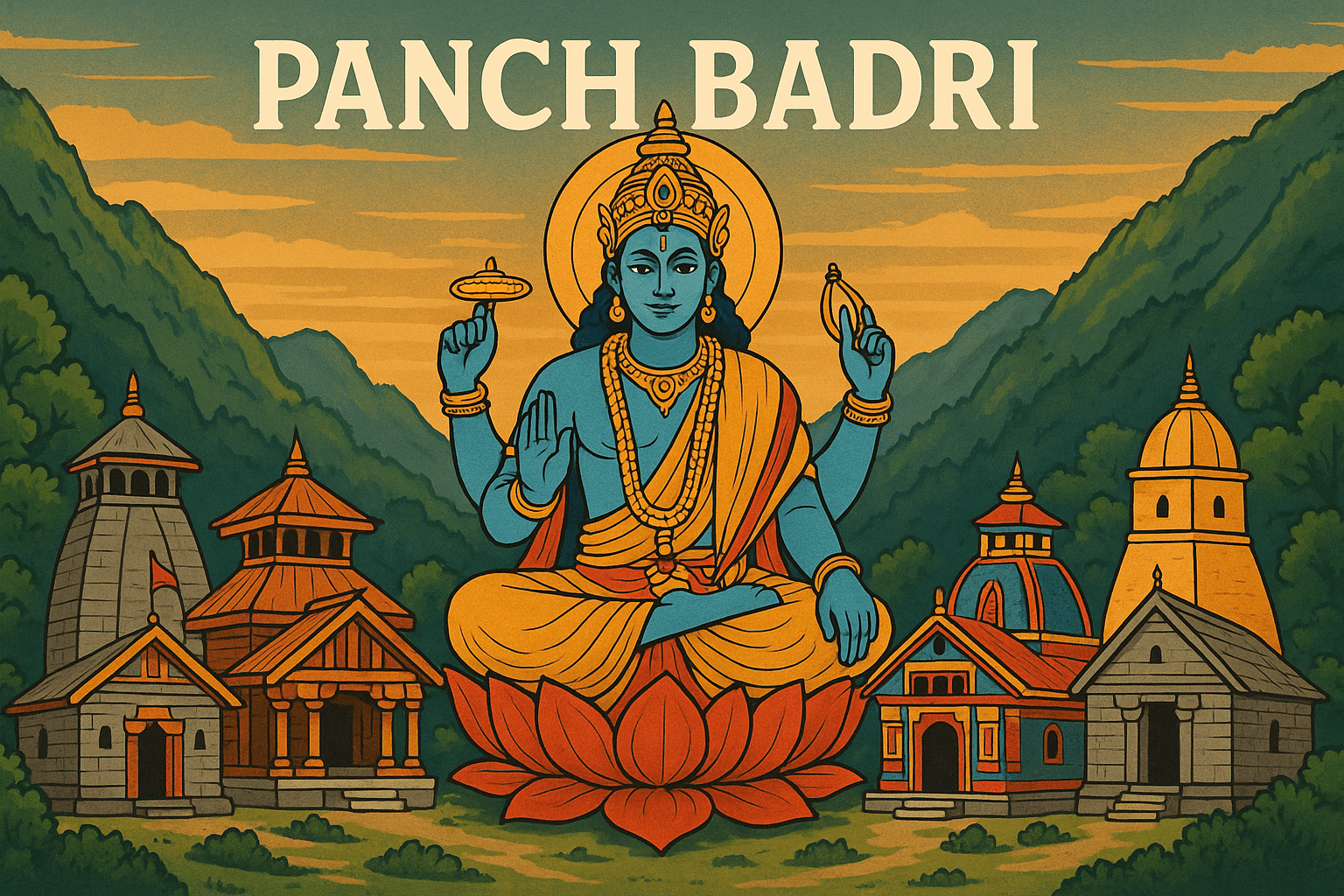
Panch Badri refers to a group of five sacred temples dedicated to Lord Vishnu, located in the Garhwal region of Uttarakhand, India. The five temples that constitute Panch Badri are Badrinath, Adi Badri, Vridha Badri, Bhavishya Badri and Yogadhyan Badri.
Each of the Panch Badri temples is associated with different mythological stories and is considered a vital centre of devotion and faith for devotees. Lord Badrinath is worshipped under five different names at these five temples. These temples are situated in the area starting from Satopanth, 24 km above Badrinath, extending to Nandprayag in the south.
Come, let’s explore the five temples that constitute Panch Badri:
Badrinath Temple
Also known as Vishal Badri, the Badrinath Temple is the most prominent and revered of the Panch Badri temples. Located in the town of Badrinath in Chamoli district, it is situated on the banks of the Alaknanda River. This ancient temple is dedicated to Lord Vishnu, who is worshipped here in the form of Lord Badrinarayan.
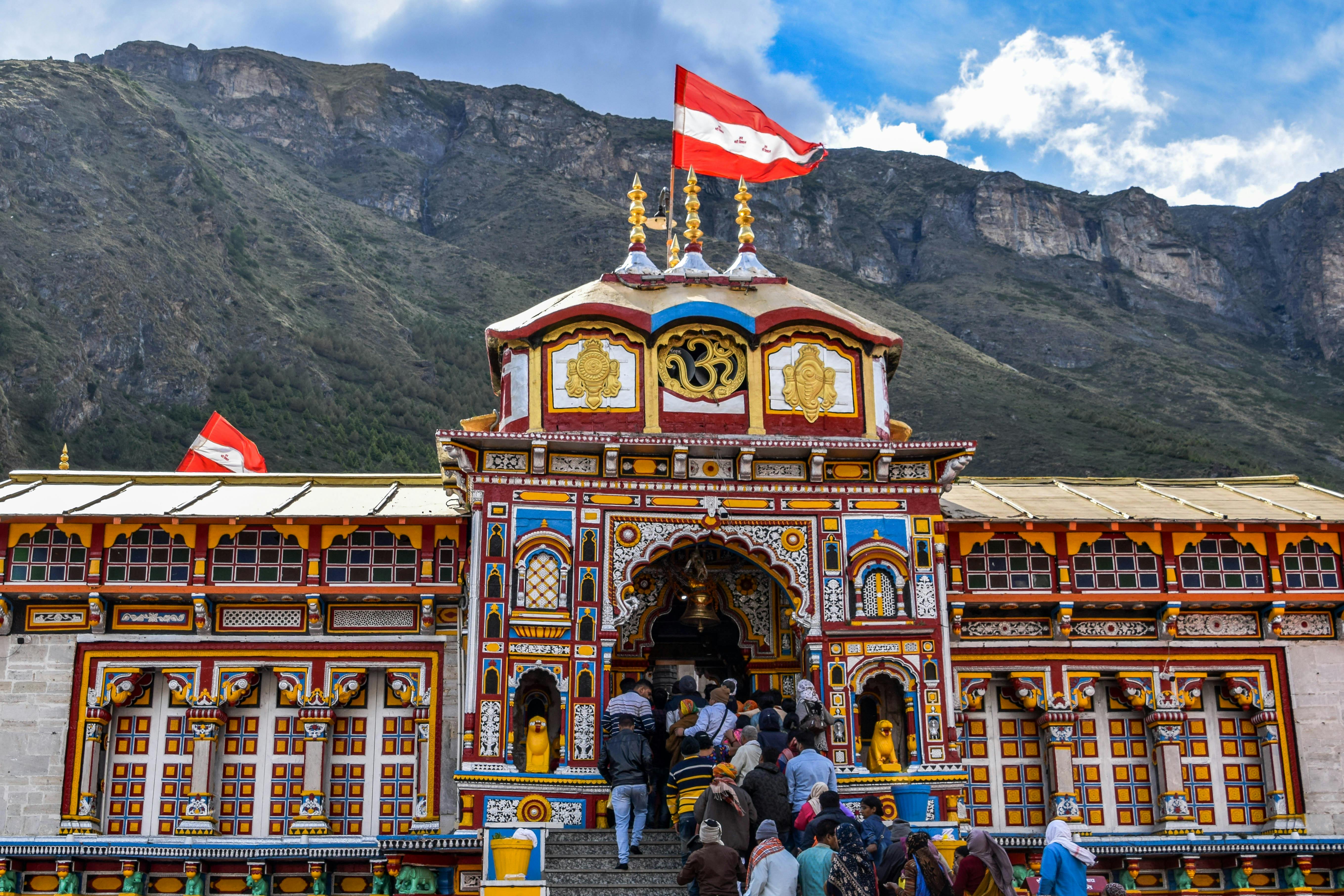
According to mythical and historical records, this idol of Badrinarayan was discovered from the depths of the Narad Kund by Adi Guru Shankaracharya and enshrined at the Badrinath temple. The Badrinath temple complex houses 15 divine idols of Lord Vishnu seated in meditative pose.
The temple features a distinctive cone-shaped structure with a small cupola and gilt bull spire. The famous two hot springs, Tapt Kund and Surya Kund, are where pilgrims traditionally take a holy dip in these springs before darshan.
Most pilgrims start their Panch Badri yatra from here as it’s the most accessible and well-connected temple.
Yogadhyan Badri
Situated in Pandukeshwar, about 24 km from Badrinath, Yogadhyan Badri is the second temple in the Panch Badri circuit.
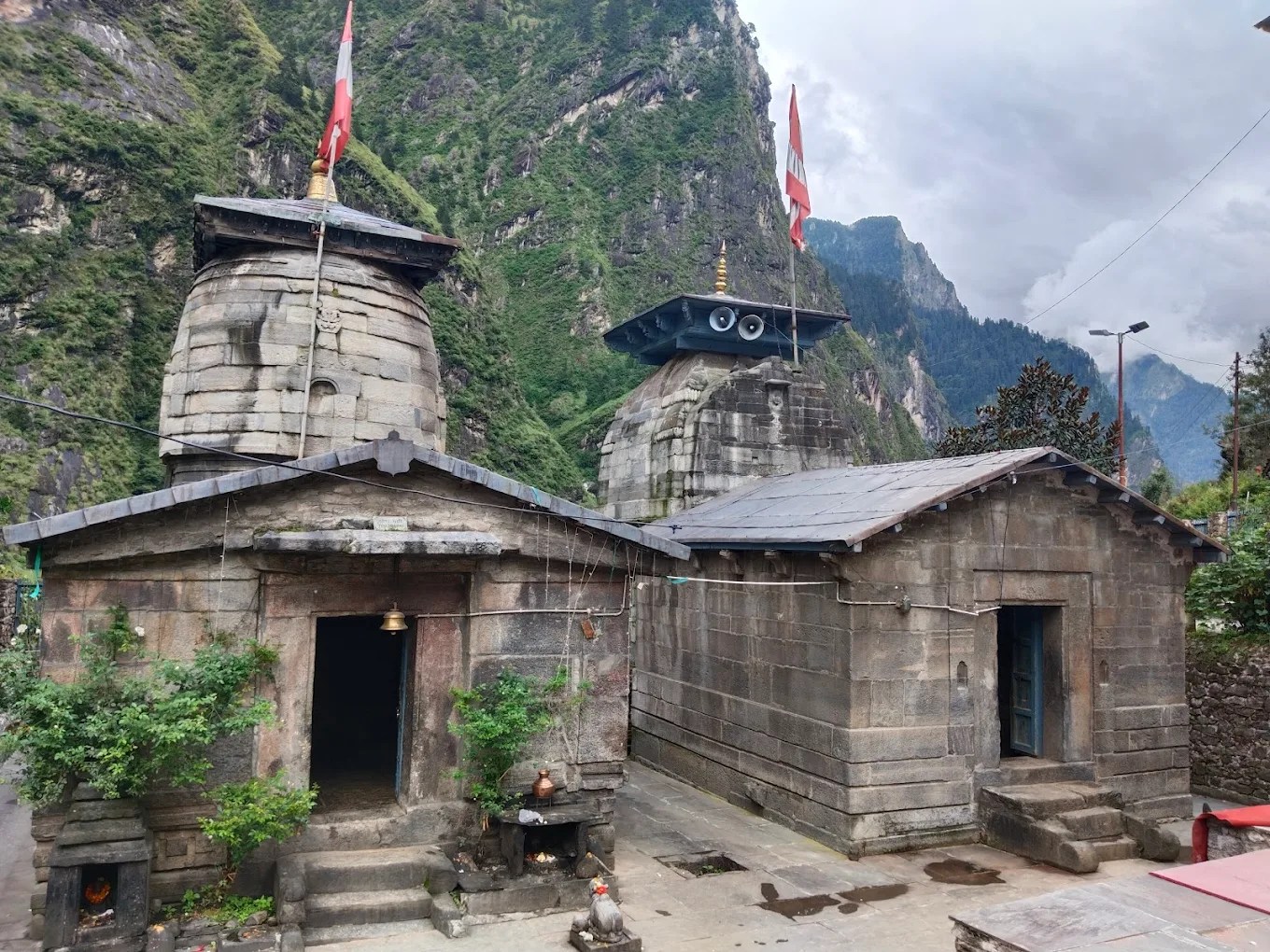
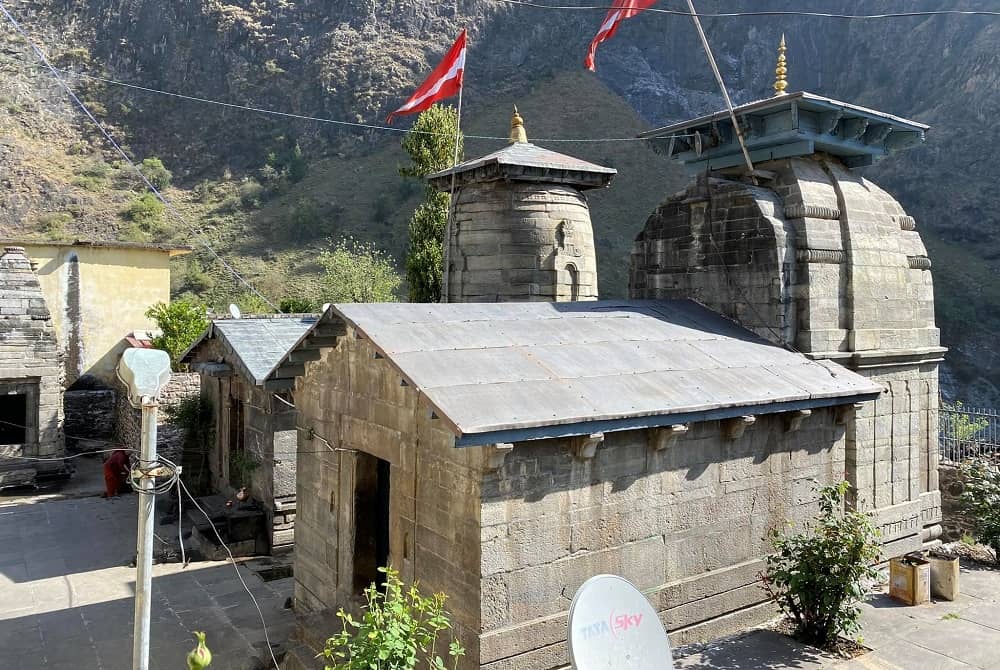
It is believed to be the place where King Pandu meditated and sought blessings from Lord Vishnu. The deity of Vishnu is seated in a meditative posture, and the temple is adorned with intricate carvings and beautiful surroundings.
Bhavishya Badri
This temple is located in the village of Subhain, about 17 km from Joshimath and can be accessed by a 6 km trek from Saldhar.

Bhavishya Badri is believed to be the future Badri (residence of Lord Badrinath). According to a prophecy, it is said that when the present Badrinath temple becomes inaccessible due to natural calamities, Lord Vishnu will self-manifest at this location.
The Prophecy
Bhavishya Badri holds one of the most fascinating prophecies in Hindu tradition. By the end of Kali Yuga, the mountains around Badrinath will collapse due to some natural calamity and the current shrine will be inaccessible. The right hand of the Narsingh Badri idol in Joshimath is growing smaller day by day and when it finally gets detached, the said calamity will take place. Once that happens, the shrine will shift to the place now known as Bhavishya Badri (Future Badri).
Note: This temple requires trekking and is considered the most challenging to reach.
Vriddha Badri
Vriddha Badri is located in Animath village, 7 km from Joshimath. According to local belief, this is the place where Lord Badrinath was first worshipped for many centuries before the arrival of Shankaracharya and the establishment of the Badrinath temple.
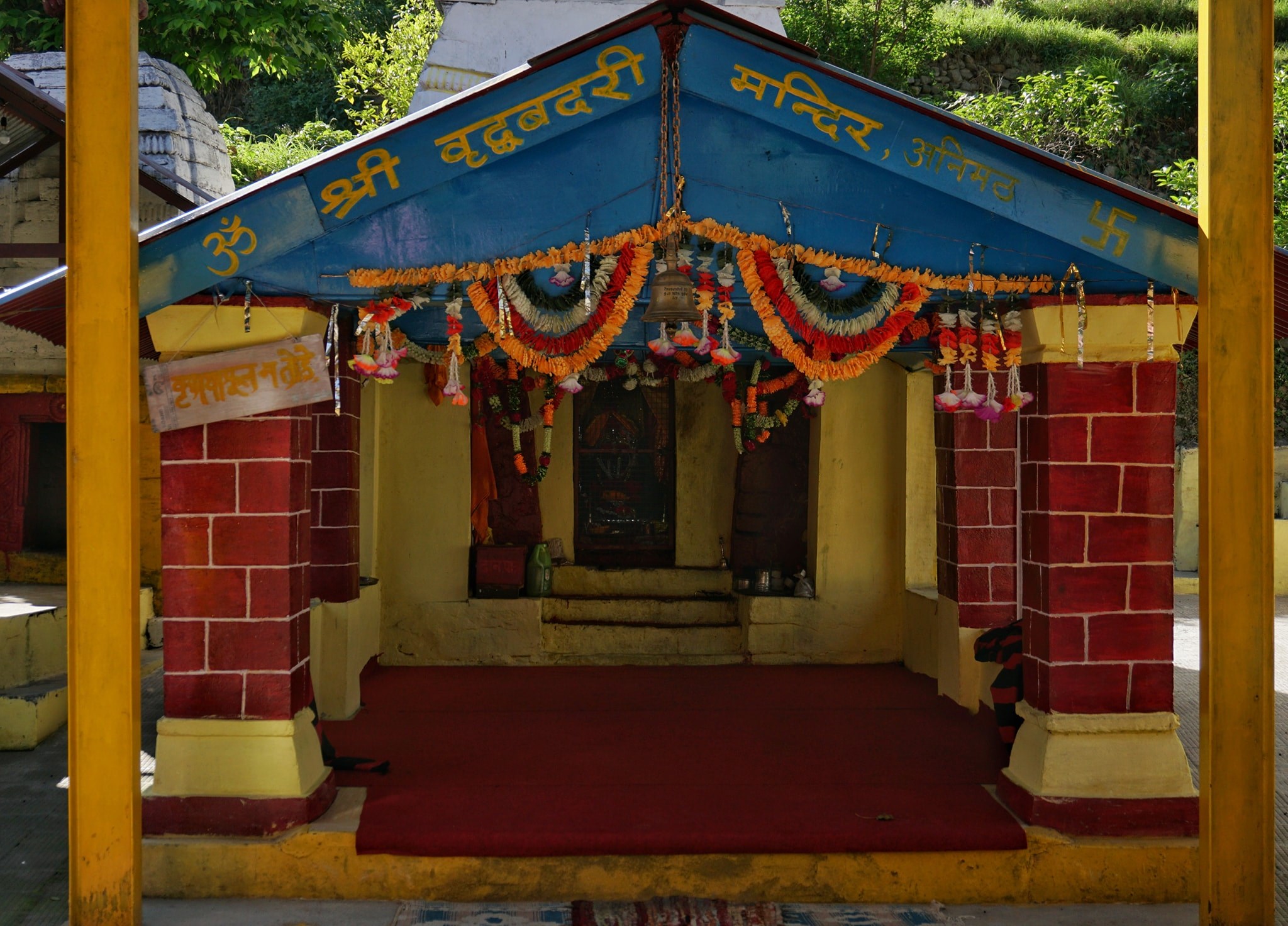

Vriddha Badri Temple, Image CC Uttarakhand Tourism
The temple represents Lord Vishnu in his aged form and holds special significance for devotees seeking wisdom and longevity.
Adi Badri
Situated about 17 km from Karnaprayag, Adi Badri was built between the 8th and 12th centuries.
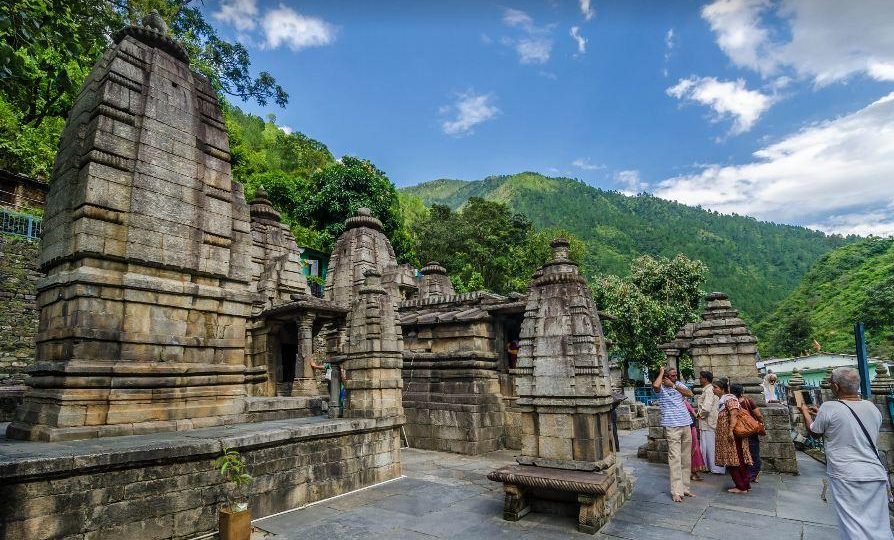
The temple complex has 16 smaller temples, with the main shrine dedicated to Lord Vishnu. Adi Badri has historical significance as it is considered to be the original abode of Lord Badrinath before the current temple was established.
Traditional Pilgrimage Route for Panch Badri
The recommended route follows: Delhi → Rishikesh → Rudraprayag → Pipalkoti → Badrinath → Pandukeshwar → Yogdhyan Badri → Syaldhar → Bhavishya Badri → Vridha Badri → Gauchar → Adi Badri
Complete Circuit Duration: It usually takes 8-10 days to complete the Panch Badri Yatra, depending on travel speed, route, and weather
Best Time to Travel: May-June, September-October
Daily Itinerary Suggestion:
- Day 1: Delhi/Haridwar to Badrinath
- Day 2: Badrinath darshan and overnight stay
- Day 3: Badrinath to Yogadhyan Badri to Joshimath
- Day 4: Joshimath to Bhavishya Badri (trek required)
- Day 5: Bhavishya Badri to Vridha Badri to Joshimath
- Day 6: Joshimath to Adi Badri via Karnaprayag
- Day 7: Adi Badri to Rishikesh/Haridwar
- Day 8: Return journey
Temple Timings and Rituals
Most temples open at 7 AM and close sharp at 6 PM. During winters, the Badrinath Temple remains, and the deities are transported to Pandukeshwar for continued worship.
Additional Temples
Apart from the main five temples, there are two other Vishnu shrines, namely, Ardha Badri and Narsingh Badri, which some pilgrims also choose to visit as part of their extended journey.
Ardha Badri (Half Badri): The name “Ardha” means “half,” referring to the smaller size of the deity compared to other Badri temples. It is located on the Joshimath-Tapovan road in a remote village and can be reached from Helang Chatti by a 12 km trek along a steep bridle path. The place is associated with Urvarishi, son of King Puranjaya, a descendant of Pandavas who had meditated here.
Narsingh Badri: This temple is easily accessible by road and is in Joshimath. Dedicated to Lord Narasimha, the fourth incarnation of Lord Vishnu, the chief image of Narasimha is made out of Shaligram stone, dating to the eighth century during the reign of King Lalitaditya Yukta Pida of Kashmir.
Location & Distance Guide
Joshimath to Badrinath Temple: 40 km
Rishikesh to Badrinath Temple: 284 km
Badrinath Temple to Jolly Grant Airport, Dehradun: 300 km
Discover more from GoTravelTrek
Subscribe to get the latest posts sent to your email.
