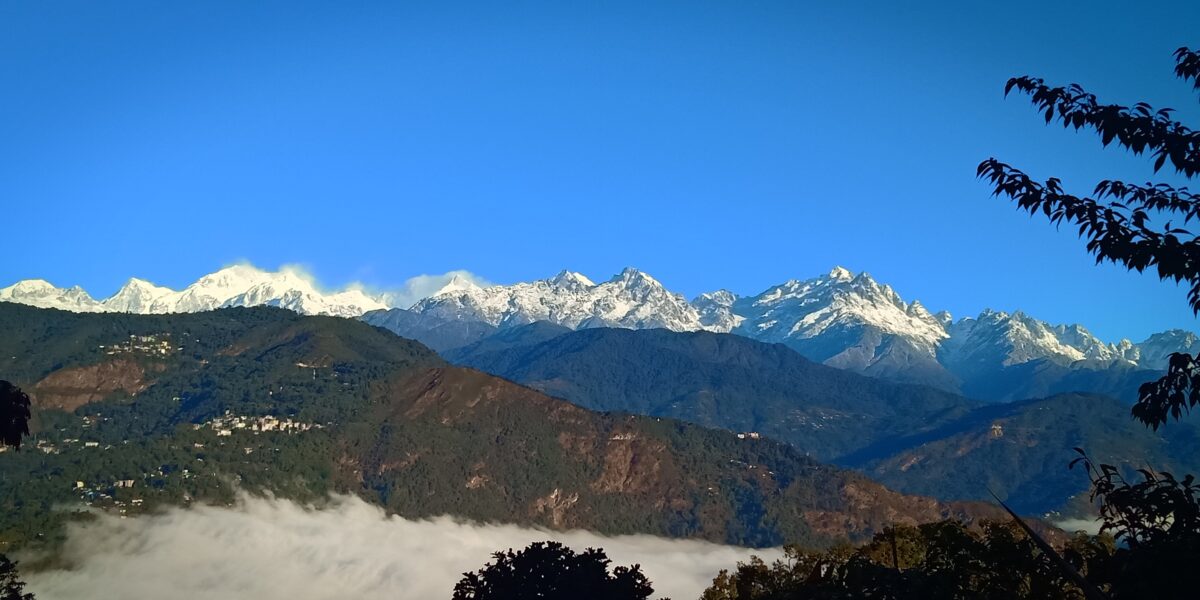
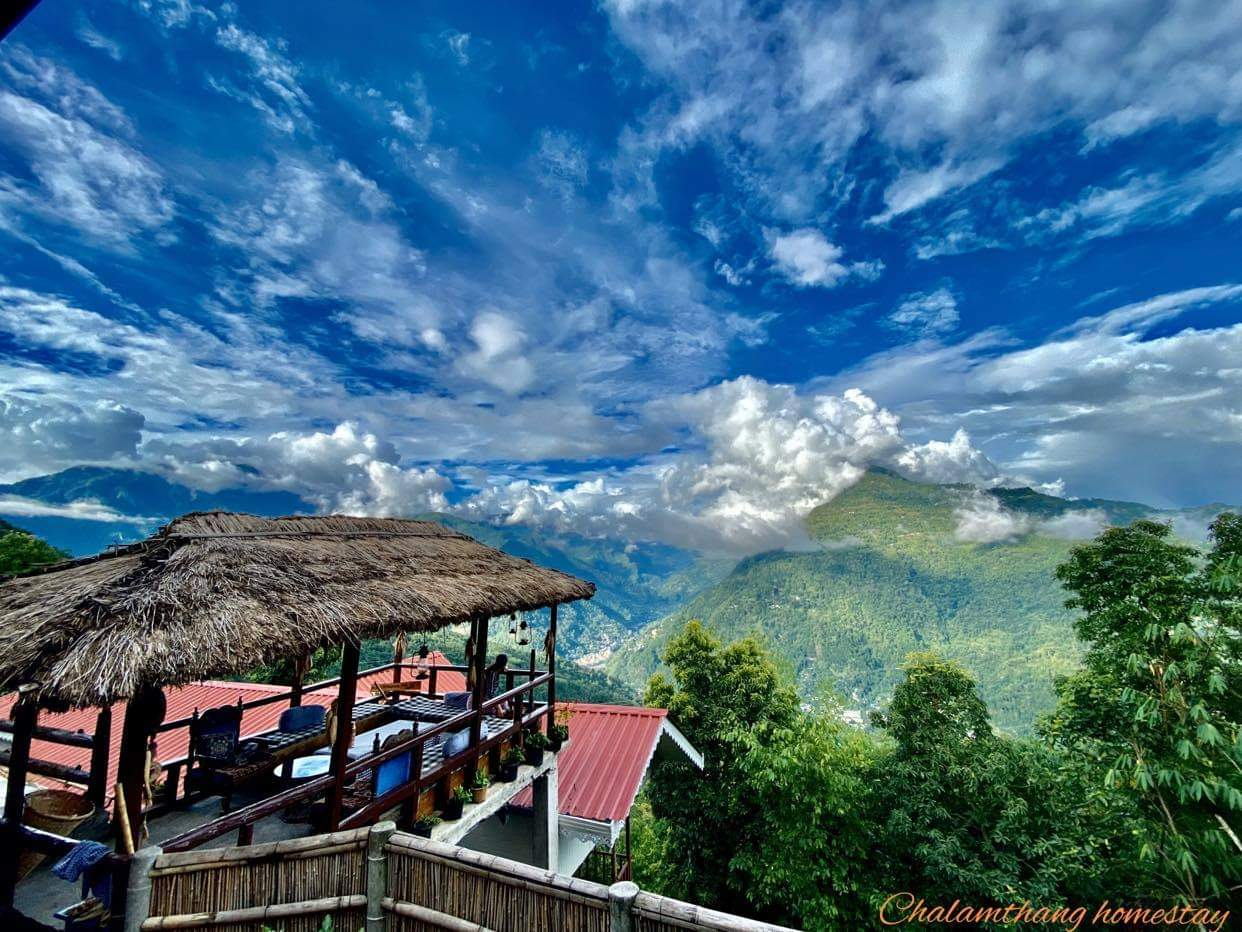
If you’re looking to escape crowds, slow down, breathe, and reconnect to nature and hill-village life, Chalamthang is a breathtaking gem of Sikkim.
Perched at approximately 5,500 feet, Chalamthang embodies traditional Sikkimese life largely untouched by mass tourism. Life here in this serene valley is slow and known for its organic lifestyle, panoramic Himalayan views, and warm hospitality. Locals greet you with warm ‘Kuzo zangpo la‘ (hello in Bhutia), genuinely curious about your presence in their peaceful corner of the world.
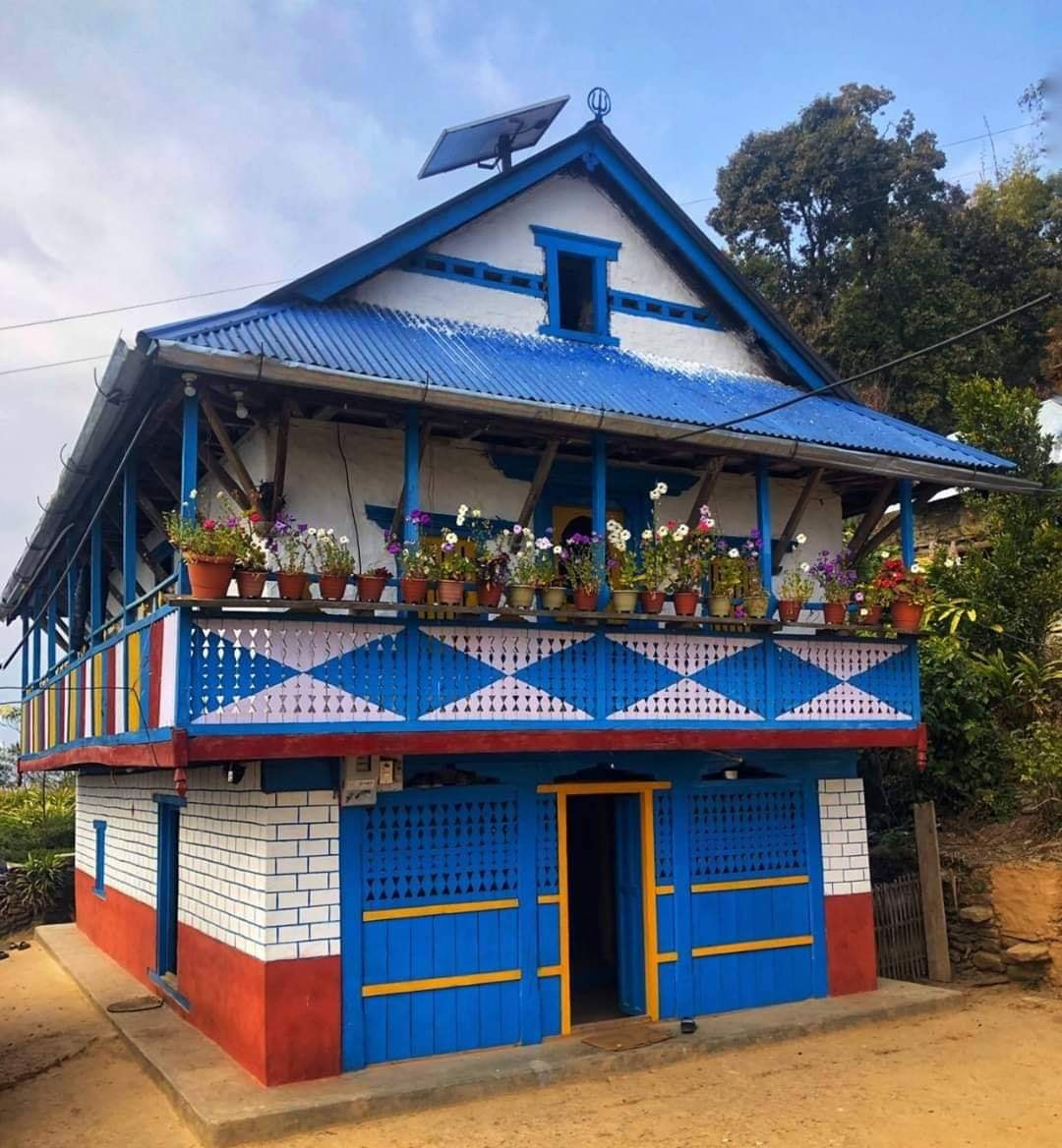
An ideal trip would include staying in traditional homestays. Discover 167-year-old Limboo houses, mud-plastered bhungas, and vibrant murals. Wake up to misty mornings, stroll through terraced rice fields, and sip organic tea while gazing at the Teesta valley below. Evening conversations around bukhari (traditional heaters) reveal stories of mountain life, local legends, and changing times.
You can also spend afternoons with local families learning to prepare traditional dishes, such as momos, thukpa, and gundruk (fermented leafy vegetables). Help with daily chores by collecting firewood, feeding livestock, or learning the art of weaving traditional textiles. These aren’t staged tourist activities; they’re genuine exchanges that create lasting connections.
Chalamthang is an ideal base to explore these:
- Deorali Dara viewpoint, or Lovers Point, offers sweeping views of the valley and faraway hills.
- A short trek through the forest brings you to the Kaleej Khola river, perfect for a riverside picnic, fishing, or simply dipping your feet into the cool mountain stream. Birdwatchers will find the forests alive with Himalayan species and spot Himalayan species, including various sunbirds, laughing thrushes, and, if fortunate, the blood pheasant, Sikkim’s state bird
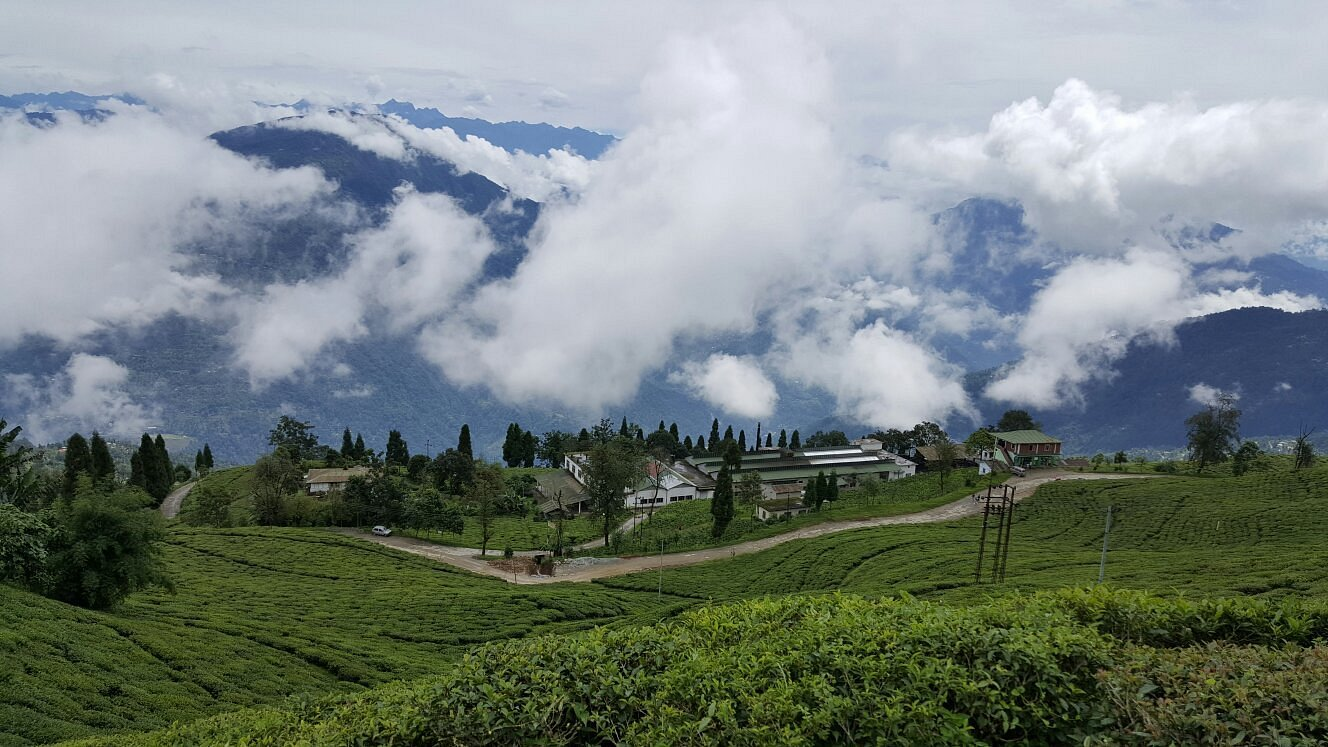
- Ravangla (36 km from Chalamthang): Ravangla is a charming little town situated at an elevation of 7000 feet in South Sikkim on the way to Gyalshing. The Buddha Park here is a serene space with a towering 130-foot statue, prayer flags, and landscaped gardens. You can stopover at the Temi Tea Garden (17-20 km), which is Sikkim’s only tea garden estate. Feel fresh with walks among tea bushes and views.
- Tarey Bhir is a cliff-edge spot offering dramatic valley views, including the Teesta and Rangeet rivers.
- Small monasteries and gompas dot the surrounding hills. Unlike the grand tourist monasteries, these intimate spaces welcome visitors quietly.
- Visit Namchi: The word ‘Namchi‘ literally translates to ‘the top of the sky‘ in Bhutia.
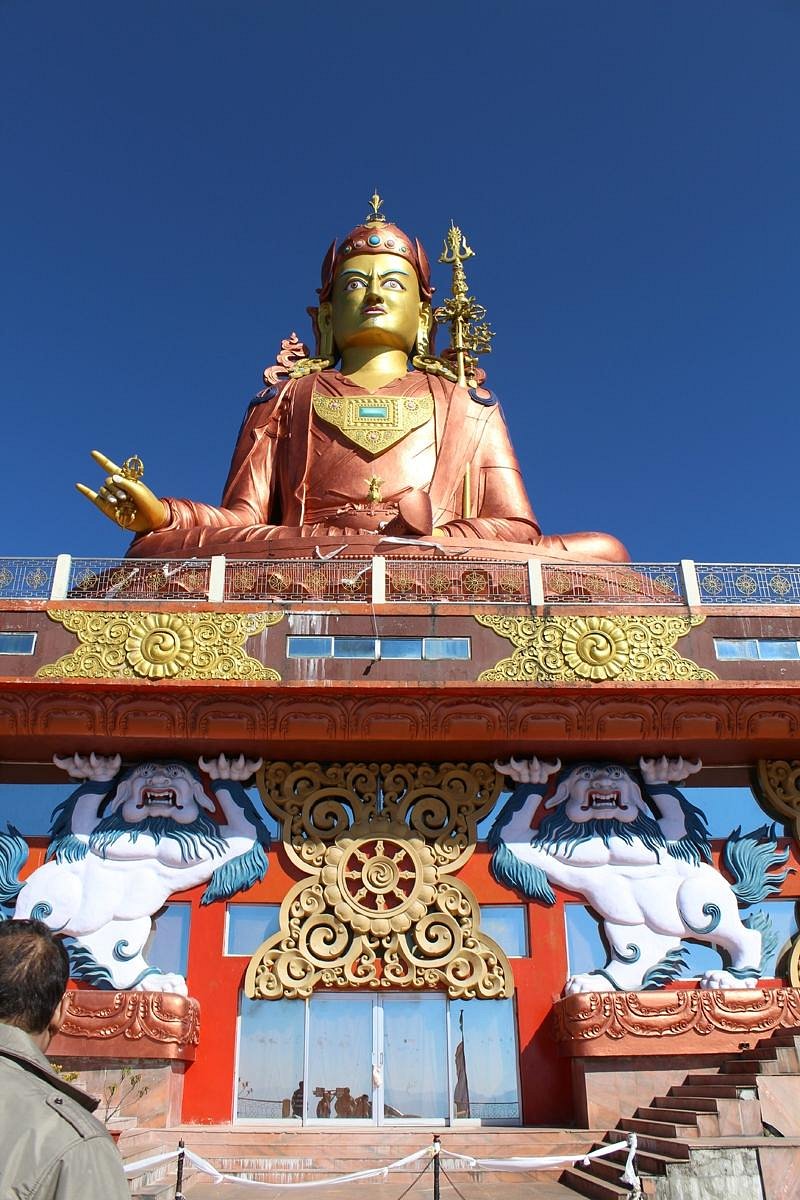
Namchi is one of the more populous cities of Sikkim. Visit Samdruptse Hill, home to the giant Guru Padmasambhava statue (26 ft high), and then the Char Dham complex (inaugurated in 2011), where replicas of India’s four sacred dhams – Badrinath, Jagannath, Dwarka and Rameshwaram – and a giant Shiva deity, which is 108 ft tall. More to see around the complex.
While Chalamthang itself is perfect for 2–3 days of slow living, it also fits beautifully into a longer Sikkim trip:
- Gangtok & Tsomgo Lake: (2 hours from Chalamthang). Visit my blog, Gangtok: Sikkim’s Vibrant Capital, which shares details to explore Gangtok in more detail.
- Lachung & Yumthang Valley for rhododendron blooms in spring.
- Lachen & Gurudongmar Lake for high-altitude beauty.
Whether you’re seeking adventure at high altitudes, spiritual connection in ancient monasteries, cultural immersion in traditional villages, or simply peace in mountain valleys, Sikkim delivers. The key is approaching it not as a destination to conquer but as a teacher to learn about resilience, simplicity, harmony with nature, and the profound beauty that emerges when humans live respectfully within majestic landscapes.
Location & Distance Guide to Chalamthang, Sikkim
From Gangtok (state capital): 60 km
From Siliguri/New Jalpaiguri (major rail/road hub): 98 km
Nearest town: Singtam, about half an hour’s drive away
Nearest Airport: Pakyong Airport (Gangtok), though most travellers arrive via Bagdogra Airport (140km) or NJP railway station and then drive up.
Best time to visit Chalamthang:
March to May: Spring transforms the landscape – rhododendrons bloom in crimson and pink, wildflowers carpet meadows, and the weather remains pleasant
September to November: Post-monsoon clarity offers the best mountain views, comfortable temperatures, and harvest season festivities
December to February: For those seeking solitude and winter magic, expect cold weather, possible snow, and incredible stargazing
Avoid: July-August monsoons bring heavy rainfall and potential landslides
Essential Sikkim Travel Information
Permits Required for Indian Nationals:
- Inner Line Permit (ILP): Required for North Sikkim, certain restricted areas
- Obtainable: Sikkim Tourism offices in Gangtok, Siliguri, Bagdogra, or online
- Duration: Usually 7-30 days, depending on itinerary
- Documents needed: ID proof, passport-size photos
Permits Required for Foreign Nationals:
- Protected Area Permit (PAP): Essential for most tourist areas
- Restricted Area Permit (RAP): Additional permit for border areas
- Obtainable: Through registered tour operators only
- Group requirement: A Minimum of 2 persons are usually required
- Advance booking: Recommended 2-4 weeks ahead
Discover more from GoTravelTrek
Subscribe to get the latest posts sent to your email.
