
Like many hidden gems, Karauli first came to me as a whispered recommendation from a friend. I almost dismissed it as just another ancient palace town in Rajasthan, but learning more about it in recent times would prove all my assumptions wrong.
Why visit Karauli?
– Heritage Palace and Fort
– Ancient Temples & Step Wells
– Rajasthani Cuisine
– Kailadevi Wildlife Sanctuary
Once the capital of a princely state ruled by the Yaduvanshi Rajput clan, the city was founded by Raja Arjun Dev Yadav in 1348 AD.
Karauli may not feature in typical Rajasthan tourism circuits, but that’s precisely what makes it a special destination. Karauli boasts numerous stories within its rose-pink walls and has over 300 temples, among other interesting places to discover. As you walk through its ancient streets and discover its hidden treasures, you’ll realise that sometimes, the less-travelled paths hold the most memorable experiences.
Places to see in & around Karauli
Karauli City Palace
The City Palace of Karauli, also known as Bhanwar Vilas Palace, was built in 1635 AD. Today, it stands as a testament to the region’s architectural brilliance, offering an intimate glimpse into Rajasthan’s royal heritage. The palace complex is a magnificent blend of Rajput and Mughal architecture, with its imposing Darbar Hall showcasing exquisite mirror work (kanch ki daal) and intricate paintings.
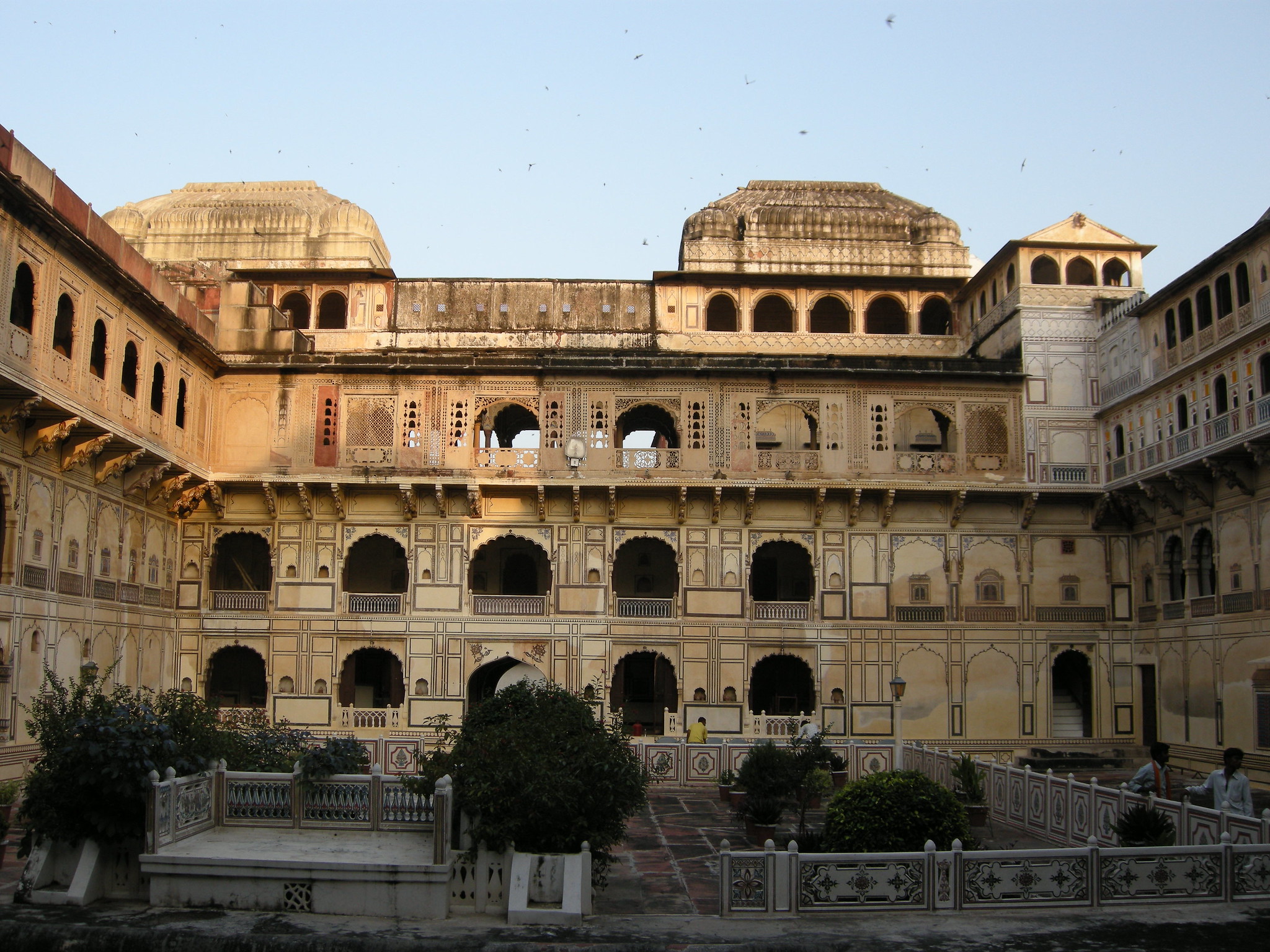
What makes it truly special are the hidden chambers and passages, each with its own story of intrigue and valour. The royal family resided here until 1938, when they relocated to the Bhanwar Vilas Palace, leaving behind a timeless marvel that continues to captivate visitors with its historical charm and architectural splendour. The Royal family of Karauli today includes Shri Yadukul Chandra Bhal, His Highness Maharaja Krishna Chandra Pal Deo Bahadur and Her Highness Maharani Saheba Rohini Kumari.

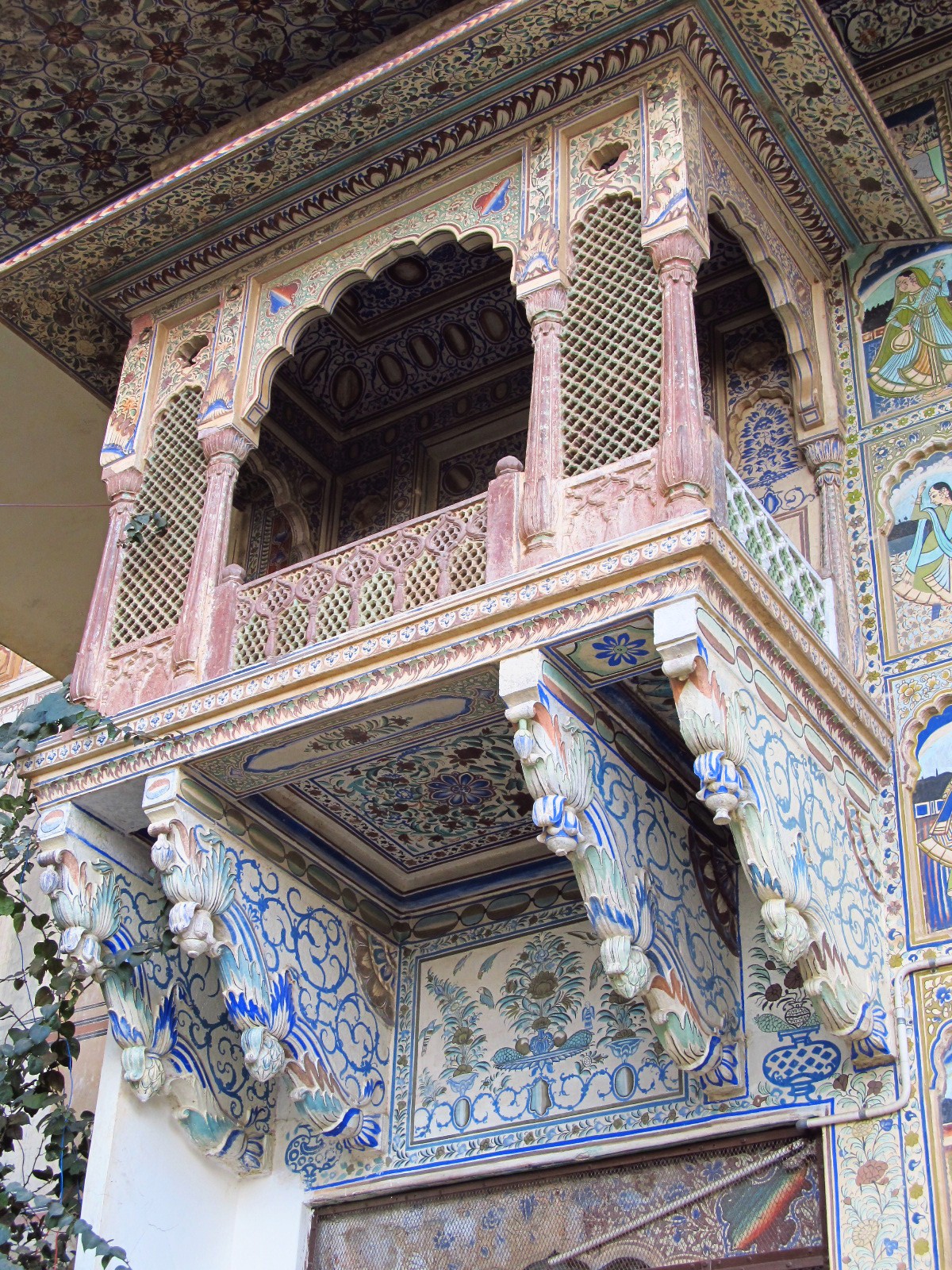
You can find more details on Karauli by visiting https://karauli.com
Madan Mohan Temple
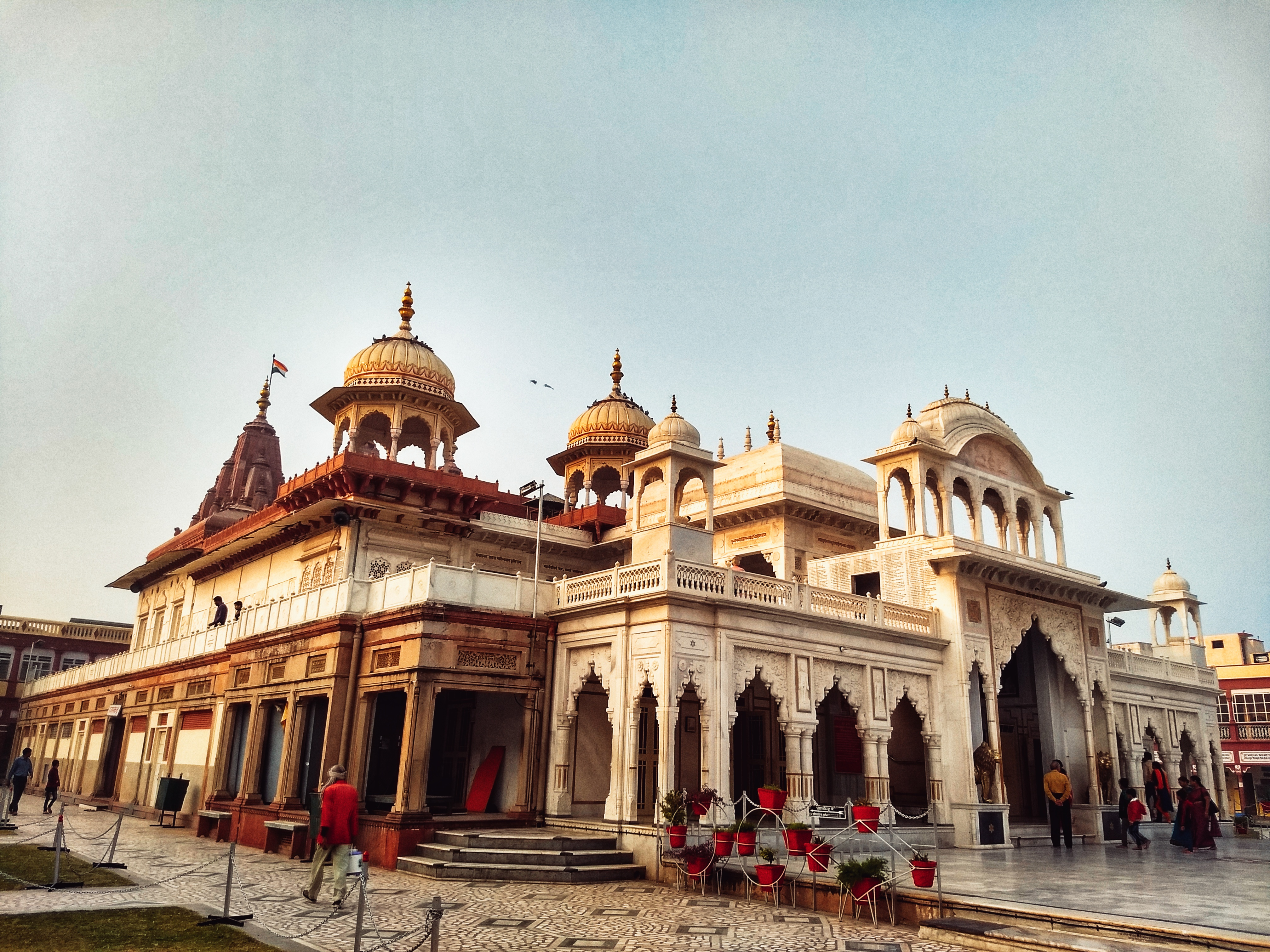
The temple’s history is fascinating – the original idol was reportedly established by Vajranabh, the great-grandson of Lord Krishna. While the current structure dates to the 1800s, the temple’s morning aarti ritual continues age-old traditions that have remained unchanged for centuries.
Insider Tip: Don’t miss the evening aarti at Madan Mohan Temple.
Shri Mahavir Ji Jain Temple
Dedicated to Lord Mahavira, the 24th and last Tirthankara of Jainism, the temple spans over 15 square km. It has three main parts – the Chaityalaya, the Mandapam, and the Garbagriha, where a 24-foot-tall idol of Lord Mahavira is installed.
Karauli’s Step Wells
Also referred to as baolis or ancient water management systems, there are several step wells at Karauli, with the Sagar Kund being particularly noteworthy. These architectural masterpieces feature intricate carvings and clever engineering that once kept water cool even in scorching summers.
Karauli Gates are all worth admiring
Karauli is encircled by a fortified wall with five main gates – each telling its own story. The Ganesh Gate, adorned with paintings of the elephant god, remains the most auspicious entrance to the old city. Local guides share fascinating tales of how these gates protected the city during numerous sieges.
Kaila Devi Temple
Dedicated to Goddess Kaila Devi Ji, the temple is revered by locals and pilgrims as the incarnation of Lord Krishna.
Nakkash Ki Devi Gomti Dham
Visited for its religious significance, the Nakkash Ki Devi is also known as Kotwali Mata and is one of the twenty-eight Mahavidyas or female forms of Shiva.
Kalyan Ji Temple
Lesser-known but architecturally stunning, this temple features unique frescoes depicting scenes from the Mahabharata.
Timangarh Fort
Located 40km from Karauli, this lesser-explored fort offers panoramic views of the Vindhya ranges. Built in the 12th century by King Timanpal, the fort features several gardens and is home to numerous other religious monuments.
Old Market (Purani Mandi)
Here, time seems to stand still as you walk through lanes filled with traditional shops selling everything from spices to handcrafted items.
Kailadevi Wildlife Sanctuary
Kailadevi Wildlife Sanctuary is an extension of Ranthambore National Park and spans 676.40 sq. km. It is flanked by the Banas River to the west and the Chambal River to the southeast. The sanctuary is named after the Kaila Devi Temple (located near a village) and is dedicated to Goddess Kailadevi, who, according to Hindu scriptures, is an incarnation of Yogamaya, the sister of Lord Krishna.
The sanctuary was established in 1983 and later integrated into the Ranthambore Tiger Reserve in 1991. Located 25 km from Karauli, Rajasthan, it features dense forests and can be explored via jeep safaris. The sanctuary is home to diverse wildlife, including tigers, panthers, hyenas, sloth bears, wolves, jackals, wild hogs, chinkaras, and sambhars.
Insider Tips
- Hire a local guide – I love hearing the fascinating stories, most of which aren’t documented and are only known to locals
- See artisans make the famous lac bangles
- Try the local specialty ‘Karauli ke laddu’ – a sweet once served in the royal kitchen, and Karauli ki famous Patte wali Pakodi.
Explore more nearby
Bayana Fort
Bayana Fort is located in the Bharatpur district of Rajasthan, is a lesser-known gem steeped in history and mystery. Perched atop a rugged hill in the Aravalli range, the fort once held great strategic importance and was ruled by various dynasties, including the Yadavas, Mughals, and Rajputs.
Believed to be over a thousand years old, it witnessed many battles and alliances, especially during Babur’s invasion of India. The fort has remnants of old palaces, water tanks, and a unique blend of Rajput and early Islamic styles. You can also explore nearby gems that include the ancient Bijai Garh Fort (said to be one of the strongest forts in India) and the sacred Chakraswami Temple.
Location & Distance Guide
The nearest major railway station is at Gangapur: 30 km.
From New Delhi: 5 hours (272 km)
From Gurgaon: 4 hr 16 min (244.4 km) via NE 4
From Jaipur: 3 hr 48 min (186.6 km) via Agra Rd/Agra – Jaipur Rd/Bayana – Jaipur Rd/Bikaner – Agra Rd
From Gwalior: 3 hr 18 min (166.8 km) via NH 44 and NH23
Best time to Visit: October to March offers pleasant weather, perfect for exploring. The city comes alive during the Spring festival of Karauli (March-April) when the palace hosts traditional performances and ceremonies previously reserved for royalty.
Official Website: https://www.tourism.rajasthan.gov.in/karauli.html
featured Image – Flickr – Tomas Belcik
Discover more from GoTravelTrek
Subscribe to get the latest posts sent to your email.
