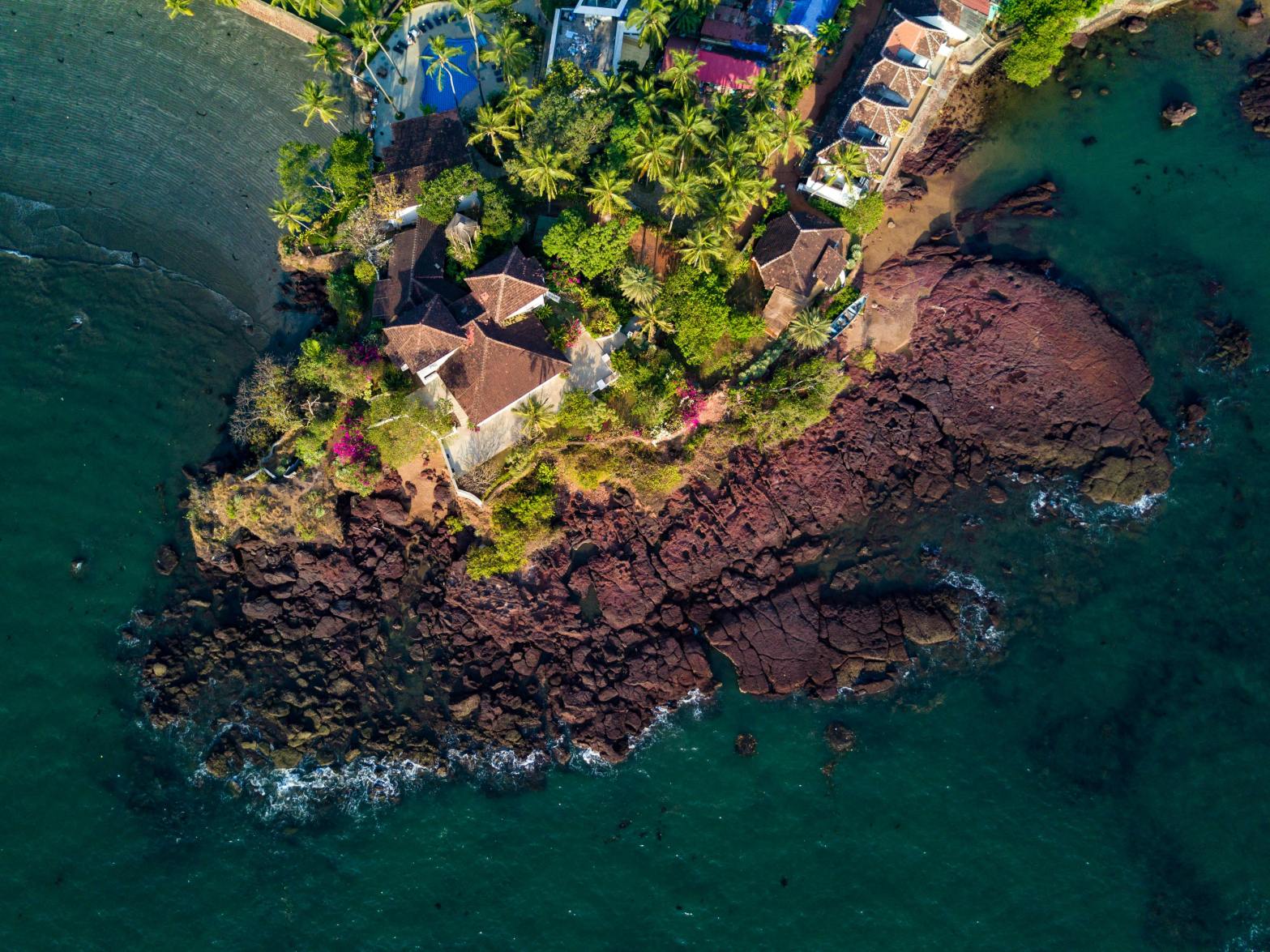
Page Edited: This page has been re-edited after 2015, after our recent trip to Goa in 2023
Beyond Goa’s sandy beaches, wild nightlife, popular shack culture, busy narrow lanes, and bustling markets,  there’s a Goa – less travelled. Here’s our way to explore Goa’s beautiful, unseen wonders, majestic waterfalls, caves, heritage temples, lovely countryside villages, wildlife, and so much more.
We recently travelled to Goa. Probably our seventh or eighth visit, and yet, every trip has unveiled something new. This time it was extra special as we travelled with our son for the first time, and he loved it. He especially loved riding with me on the scooter, freely zipping on the road, a luxury we don’t get too often.
The real Goa lies in its hidden corners, where time moves slowly and traditions remain alive. Take time to explore lesser-known spots, interact with locals, and discover the authentic soul of this fascinating state. For a better experience, a guided tour will help you see, feel and celebrate the heritage monuments, truly soak in Goa’s interesting history.
Heritage & History Trails
Rachol Seminary and Fort
Distance: 7 km from Margao
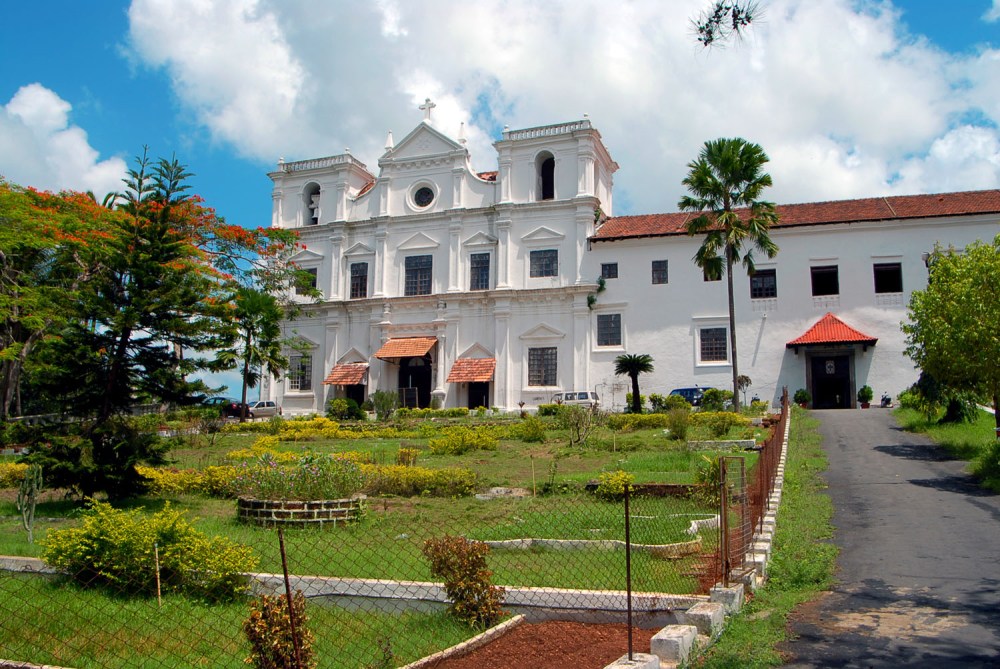
Founded in 1580, this is one of Asia’s oldest *seminaries, built on the ruins of a Muslim fortress. Features a museum with rare Christian art, manuscripts from the 16th century, and a beautiful Baroque church. The fort ramparts offer stunning views of the surrounding paddy fields.
*A seminary is a college or institution where students are trained for religious ministry, typically to become clergy such as priests, ministers, or rabbis
Cabo de Rama Fort
Distance: 25 km from Margao, South Goa
- Named after the Hindu god Rama, this ancient fort dates back to pre-Portuguese times. Perched on a cliff with breathtaking views of the Arabian Sea, it features a small church, cannons, and underground chambers. Far less crowded than Chapora Fort.
Shri Manguesh Temple
Distance: 22 km from Panjim
One of Goa’s largest and most important Hindu temples, showcasing unique Goan temple architecture with Portuguese influences. Features a distinctive 7-story deepstambh (lamp tower) and serene surroundings.
The Royal Portuguese Hospital
Location: Between Panjim and Old Goa
Distance: 4 km from Panjim
Tip: Walk along the Ourem Creek nearby for quiet sunset views.
Once known as Santa Casa da Misericórdia or Holy House of Charity, the 17th-century structure now houses a Management School, retaining its graceful Portuguese arches and tiled façade.
Ancestral Goa
Distance: 10 km from Margao
Don’t Miss: The 14-metre-long sculpture of Saint Mirabai, which is also India’s largest laterite carving.
Ancestral Goa shares a glimpse into Goa’s past. Opened to the public in 1995, this place is on a 9-acre hillock at Loutulim INS South Goa (10 km from Margao). Visit http://www.ancestralgoa.com for more details.
Visit the Mahadeva Temple at Tambdi Surla
Location: 13 km from Molem, 65 km from Panjim
This is a beautiful 12th-century temple dedicated to Lord Shiva that is located at a place called Tambdi Surla (approx. 65 km from Goa near Molem).
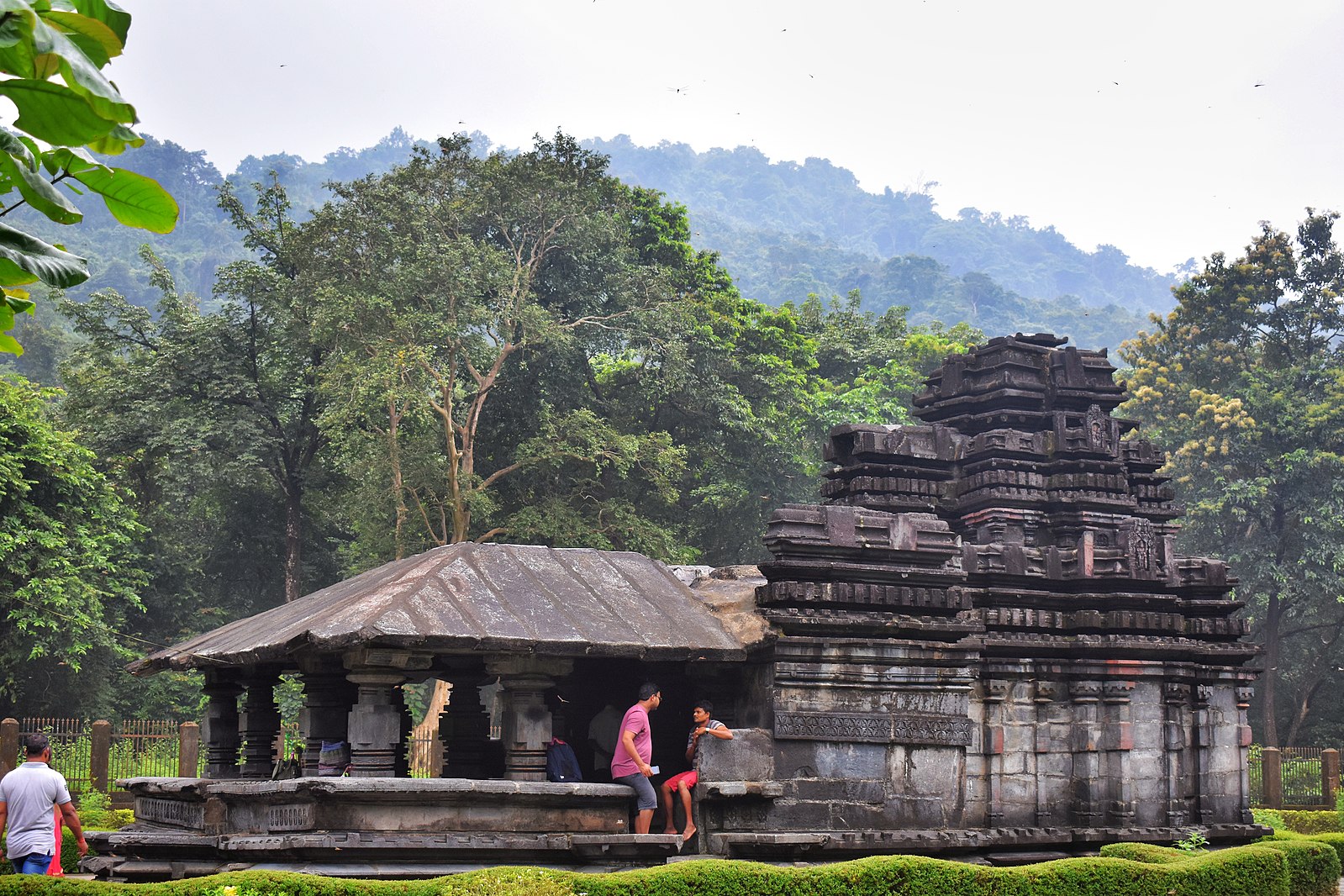
The temple is situated in a remote location in the forested foot of Anmod Ghat of Western Ghats (these connect Goa to the state of Karnataka). It is considered to be the only specimen of Kadamba-Yadava architecture made from basalt stone and well-preserved.
Details about the Kadamba dynasty
The Kadamba dynasty (345-525 CE) and their successors, the Yadavas, developed a distinctive architectural style that blended elements from the Nagara and Dravidian traditions. This unique fusion created some of Goa’s most remarkable temples and monuments.
Key Architectural Features:
- Distinctive stepped roof design (shikhara)
- Use of black basalt as primary building material
- Intricate chain and rope motifs carved from single stone blocks
- Unique lotus medallion ceiling decorations
- Characteristic elephant-trampling-horse motif (Kadamba royal emblem)
- Integration of local laterite with imported granite
- Distinctive mandapa designs with four-pillar configurations
It is the only surviving piece of the architectural marvel of the Kadamba Yadava dynasty and the oldest temple in Goa.
You can also take the Tambdi Surla Butterfly Trail that starts from the Tambdi Surla Temple and is a scenic 3 km trail through dense forest, home to rare butterfly species and medicinal plants. Local guides share knowledge about forest ecology.
Nearby: Cotigao Wildlife Sanctuary (45 km from Margao) is an 85 sq. km forest with rare trees, waterholes, and wildlife trails. It houses an amazing range of wildlife species & trees amidst the thick canopy of some rare plants.
Visit the forgotten village of Chandor
Distance: 12 km from Margao
Once called Chandrapur, Chandor was the capital of the Kadamba dynasty between the 10th and 14th centuries. Today, it’s a quiet village echoing Portuguese charm.
The village flourished as a centre of trade, culture, and prosperity in pre-Portuguese times. After Portuguese colonisation in the 16th century, the village developed a unique blend of Indian and Portuguese influences, making it a remarkable example of Goa’s dual heritage. Evidence of both Kadamba architecture and Portuguese colonial elements can still be found in the village today.
This village is home to Goa’s best-preserved Portuguese mansions.
Top Experiences:
- Braganza House: 350-year-old mansion with a 3,000-book Portuguese library and a hidden attic chapel.
- Fernandes Heritage House: a 500-year-old Portuguese-style mansion in Chandor, showcasing colonial-era architecture, intricate wooden furniture, and vintage artifacts. Still inhabited by the Fernandes family, this heritage home offers visitors a glimpse into Goa’s rich history, blending Indo-Portuguese influences. Guests can explore its grand halls, antique collections, and serene courtyards while experiencing the warmth of Goan hospitality.
- Walk through lanes lined with mossy Portuguese homes and ancient chapels.
Nearby: You may also visit St. Tiago’s Chapel, look at historical relics, remains and mikvahs and walk through the village dotted with old Portuguese homes.
Visit: worldhistory.org/Portuguese_Goa
Gate Ruins of Adil Shah’s Palace
Distance: 3 km from Panjim
Built by Adil Shah of Bijapur in the 16th century as his summer palace, it was later converted by the Portuguese into a rest house for the Viceroy. Today, only its magnificent basalt gate remains, which is also Goa’s oldest standing structure.
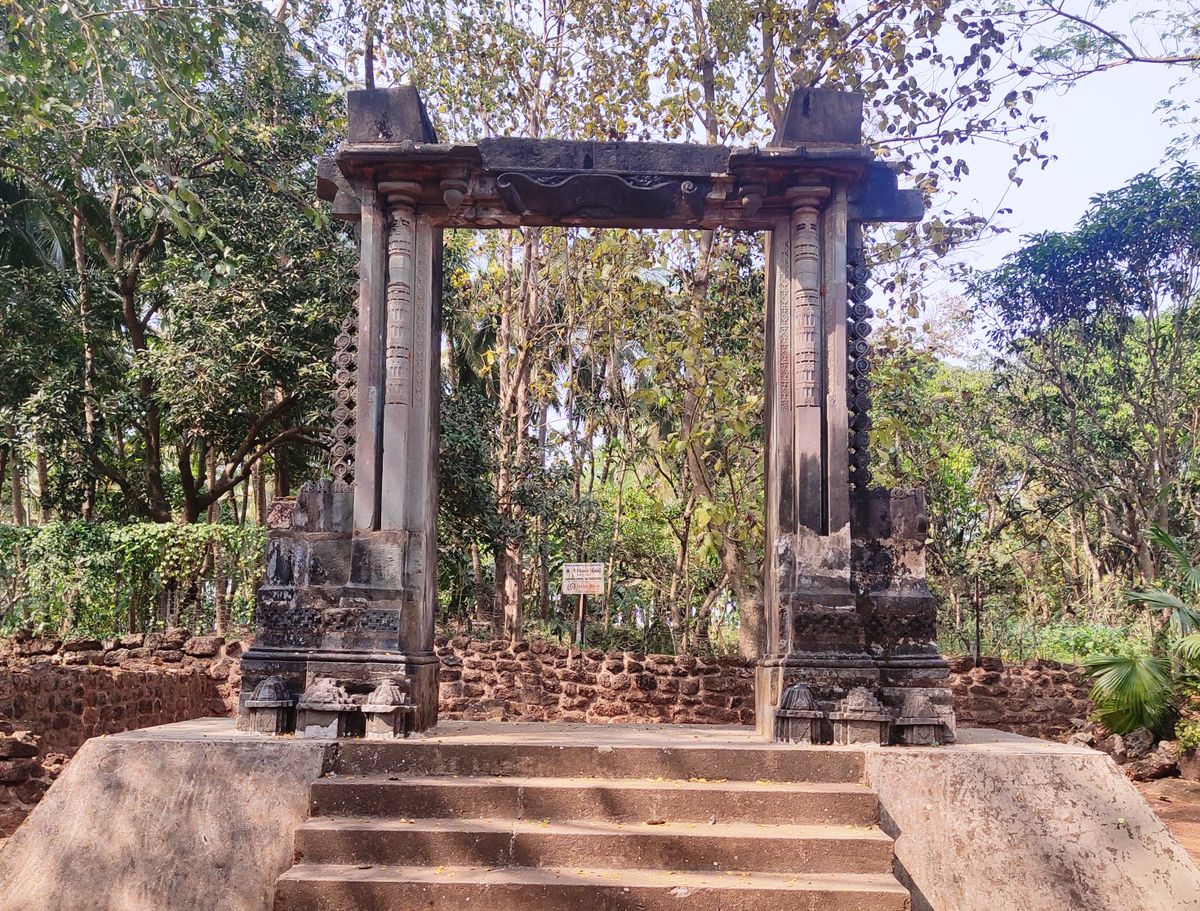
Insider Tip: Join GTDC’s Full Moon Heritage Walk for stories about the inscriptions hidden on its stone pillars. The basalt pillars contain hidden Sanskrit inscriptions that most tourists miss – look closely at the base of the leftmost pillar.
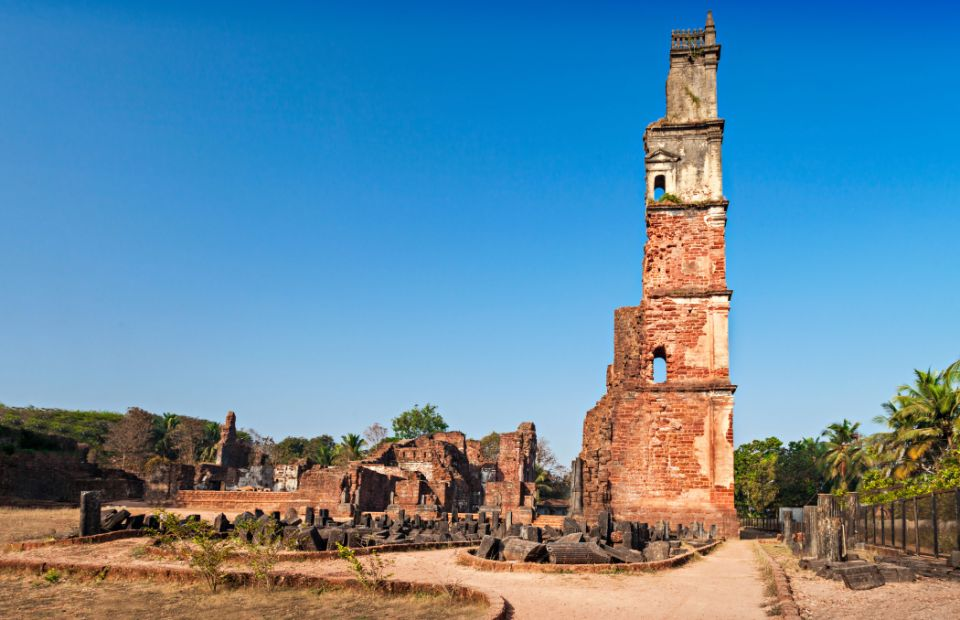
Ruins of the Tower Church of St. Augustine
Distance: 10 km from Panjim
Built in 1602 by Augustinian friars, this once-majestic church was abandoned in 1835 and now stands as a hauntingly beautiful ruin.
The Augustinian friars had arrived in Old Goa in 1587. In 1931, the facade and half of the tower collapsed, followed by more sections in 1938.
The tower’s huge bell was relocated in 1871 to the Church of Our Lady of the Immaculate Conception, Panjim, where it can be seen (and heard). Unfortunately, the designer’s name remains unknown, although it is assumed that the brilliant architect was from Italy.
Insider Tip:
- Visit early morning (before 8 AM) to catch the dramatic play of light through the crumbling arches.
- The best viewpoint isn’t from the main entrance – walk around to the eastern side, where you’ll find stone steps leading to a small plateau offering panoramic views of Old Goa.
For more details and exquisite pictures, please visit https://kevinstandagephotography.wordpress.com/2015/04/11/church-of-st-augustine-monastery-old-goa
Nature & Countryside Escapes
Travel through time at Aldona
Location: 17 km from Mapusa, North Goa
Slip away in nostalgia to the golden days of Portuguese life at Aldona. Located in North Goa, it is home to the iconic Corjuem Fort, the stunning St. Thomas Church, and the picturesque Aldona-Corjuem Bridge over the Mapusa River.

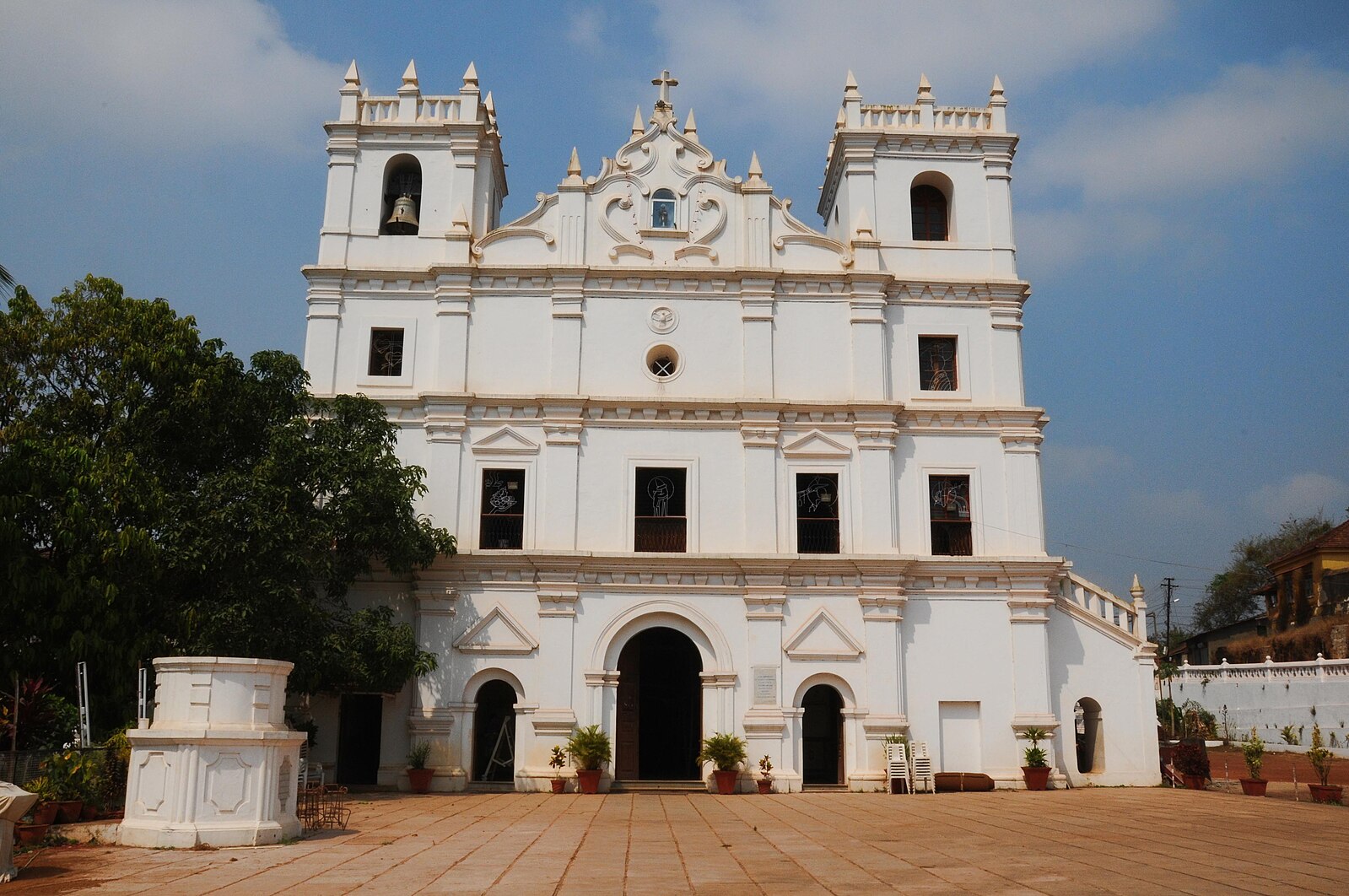
One of Aldona’s most striking features is its colonial-era architecture, with beautifully preserved heritage homes showcasing intricate wooden balconies, terracotta roofs, and vibrant facades. These structures reflect the Portuguese influence that has shaped much of Goa’s architectural landscape. Ideal for slow travellers, Aldona is best explored on foot or by bicycle, offering a glimpse into Goa’s rich history, traditional village life, and timeless charm.
Insider Tip: Join the morning pao (bread) run with local toddy tappers. Cycle through paddy fields. Take a sunset kayak trip with Roberto (₹800/person, including traditional Goan snacks). Visit the lesser-known Corjuem Fort at sunrise when mist covers the Mapusa River.
Visit the romantic Sarzora Lake
Location: 8 km from Margao
Sarzora Lake is an ideal destination for nature enthusiasts. The lake ‘Makde-Aambo’ (meaning ‘monkey’s mango tree’) adds to the beauty of the village. Sarzora also has numerous heritage and ancient monuments.
Precaution Tip: Never ever bite on the raw Cashew fruit. It is highly acidic and can leave your lips swolled for days…. I speak on my mom’s personal experience!
Olaulim, for a slow-Goa experience
Distance: 30 km from Dabolim Airport, near Aldona
It is a beautiful village surrounded by rivers, creeks and streams such as the Zuari, which flows from the Western Ghats onto the sea. Stay at charming eco-homestays for a genuine Goan experience.
Activities: Kayaking, local craft workshops, birdwatching, and rustic Goan cooking sessions.
Visit Quepem, a heritage hill town
Distance: 17 km from Margao, South Goa
Founded in 1787, Quepem blends Portuguese grandeur with rural simplicity. Quepem is one of the lesser-known villages of Goa, but it has interesting places apart from its beaches at Betul and Canaguinim. Quepem is an ideal getaway for an offbeat traveller and offers the largest coastline stretch of India, also called a ‘Trekker’s Dream’ and goes from Majorda to Betul.
Don’t Miss:
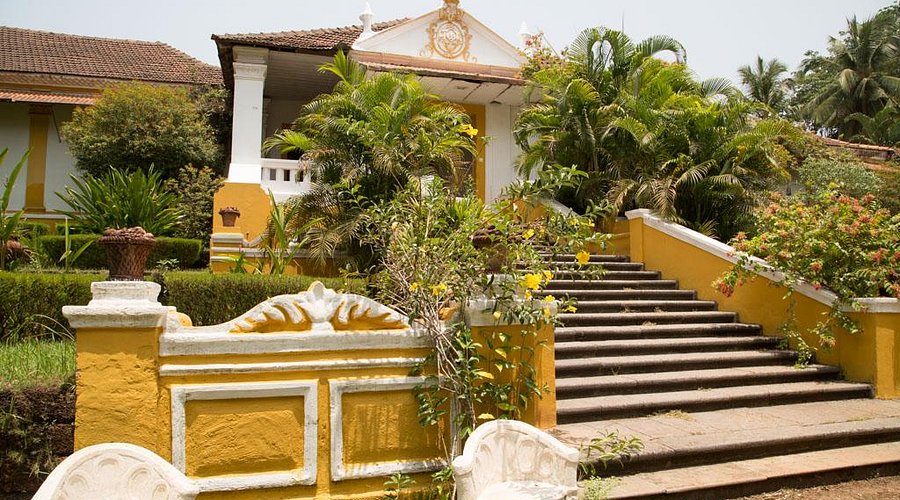
- Palácio do Deão: built in 1787 by the founder of Quepem town, this 18th-century mansion overlooks the Khushavati River. Built using a mix of Hindu & Portuguese architecture, the gardens feature a pond, loggia, balustrades, vases, stone ornaments, and a belvedere. With its rich history, unique architecture, art and artifacts, it is a must-visit destination. You can also enjoy Indo-Portuguese cuisine on the Belvedere, overlooking the Kushavati River.
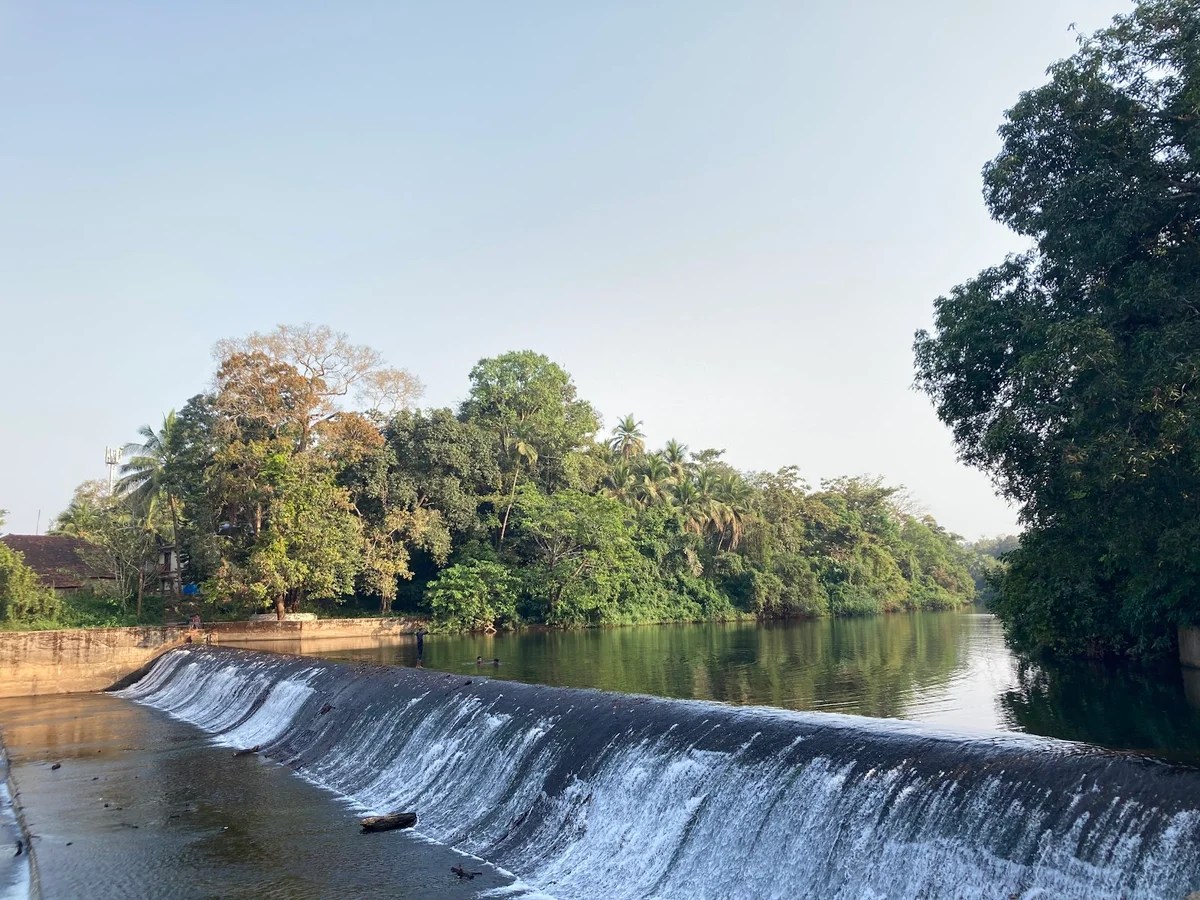
- Quepem Dam, built over the Khusavati river basin, is also a lovely spot for a picnic, and you can safely play in the water.
- Temples nearby: Shantadurga Chamundeshwari Temple, Shri Chandranath Temple (featuring a moonlit Shiva Lingam), and Shri Damodar Temple.
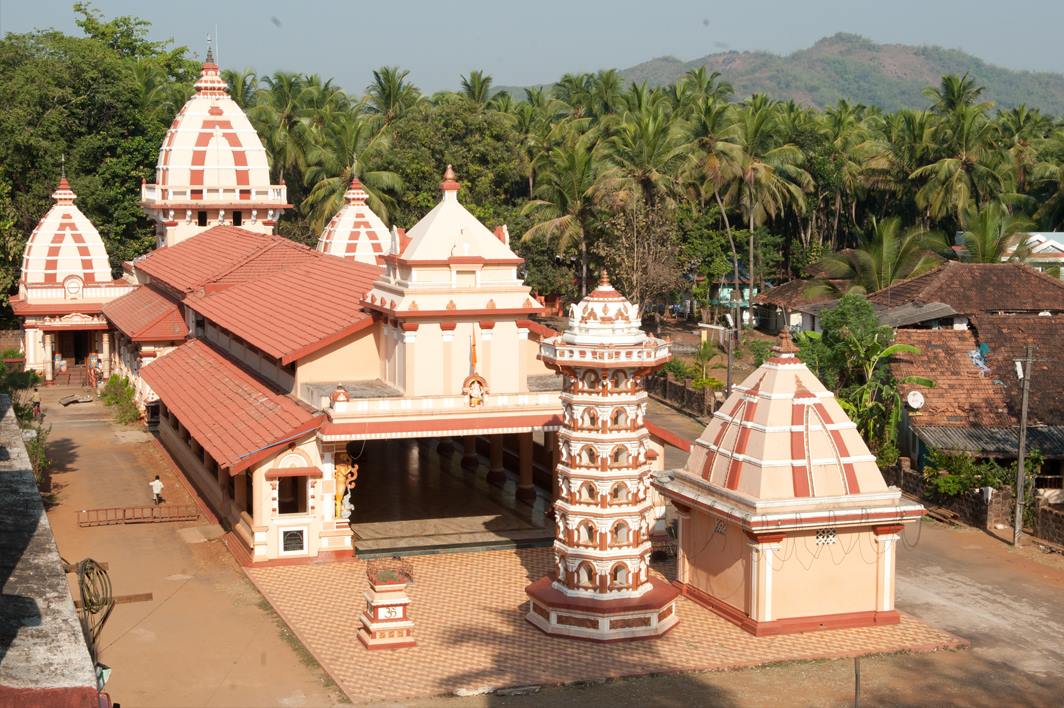
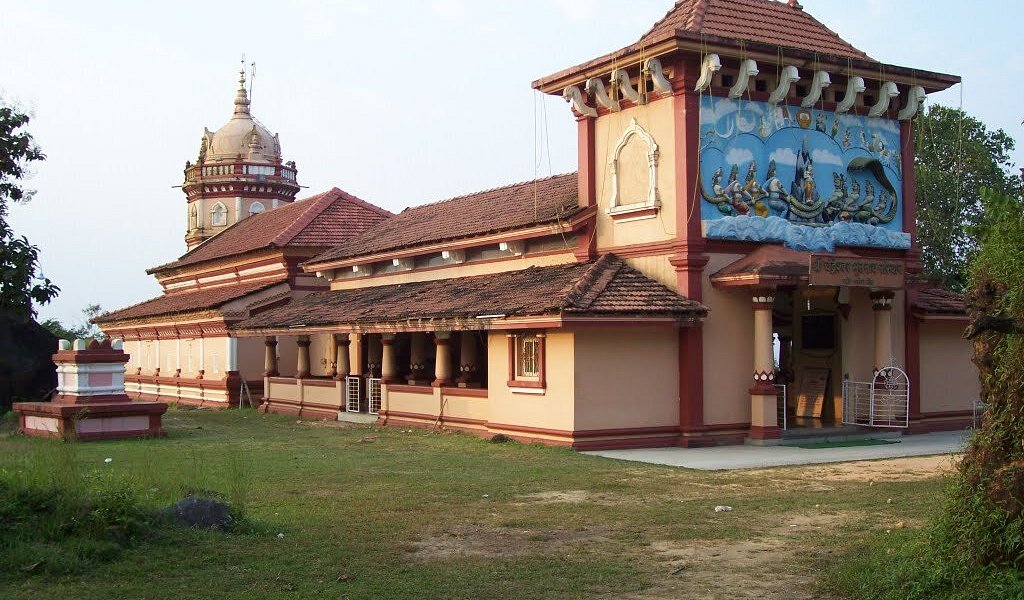

Insider Tip: Ajai Singh shares a detailed blog on Collecting Moments – Hidden Jewels of Goa.
Netravali Wildlife Sanctuary & Bubble Lake
Distance: 50 km from Margao
Home to the mysterious Budbudyanche Talle (Bubble Lake), where bubbles constantly rise from the lakebed without any volcanic activity. The sanctuary offers trekking trails through dense forests, waterfalls like Savari and Mainapi, and rich biodiversity.
Also, visit the Netravali Butterfly Gardens located nearby, which showcase over 125 species of butterflies. Walk through designated trails during early morning hours for the best sightings.
Wildlife & Water Adventures
Bhagwan Mahavir National Park & Dudhsagar Falls
Distance: 60 km from Panjim
Bhagwan Mahavir National Park is most visited for the Dudhsagar Falls, which, with a height of 310 metres, is also India’s tallest waterfall and offers a magnificent view during the monsoons.

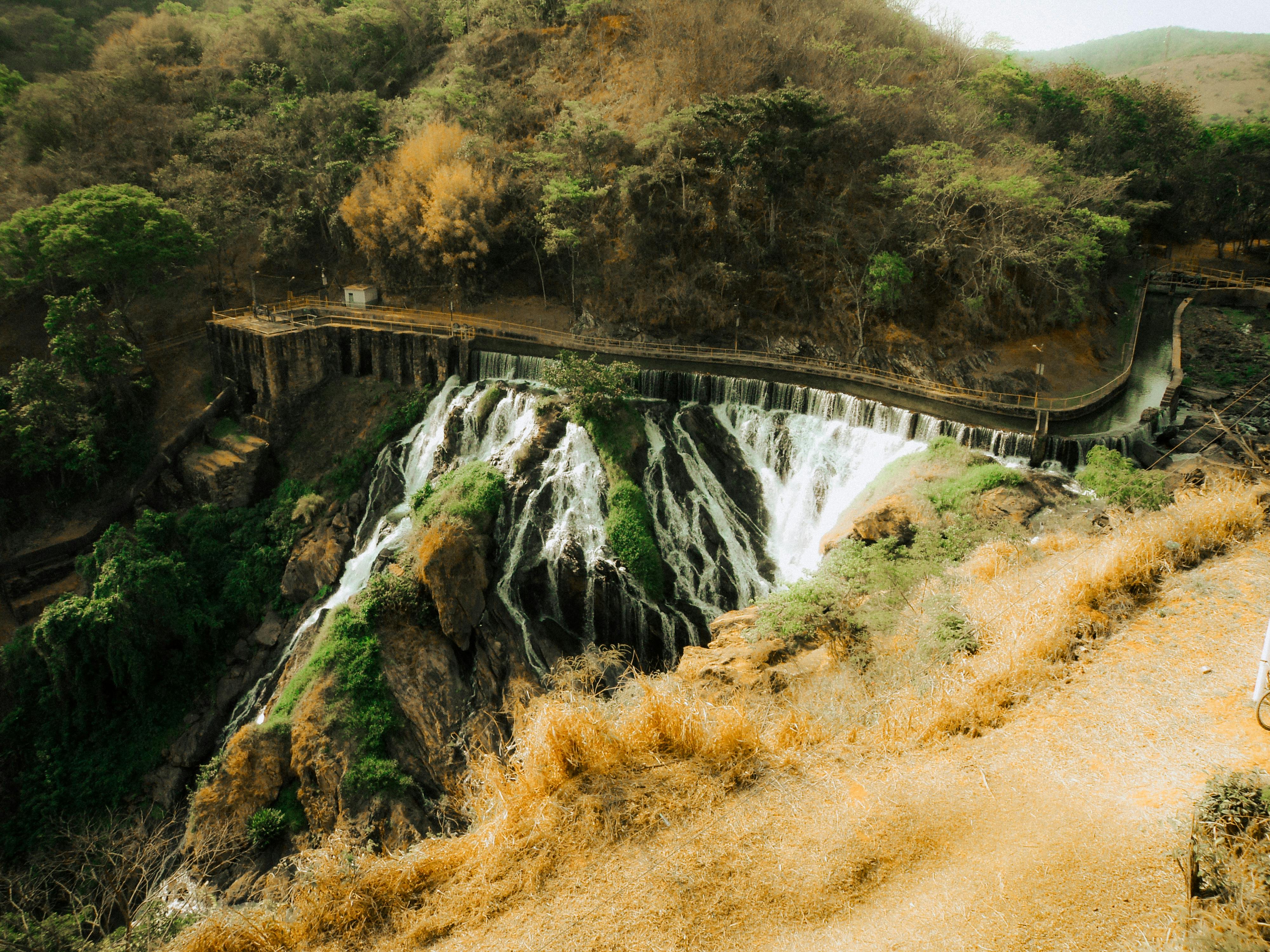
The best way to see this exquisite waterfall is to take a train from Kulem, get off at the Dudhsagar station and walk about 1 km along the railway track to the falls. The sanctuary is also home to indigenous birds, panthers, civets, wild boar and even tigers. You can even book an elephant ride.
Go crocodile watching at Cumbharjua Canals
Distance: 30 km from Panjim
Best Time: Early morning (7–9 AM) when crocs are most active.
Take a boat from Cortalim Jetty to reach the Crocodile Point in Cumbharjua Canals. The enormous Mugger Crocodiles can be seen sunbathing most of the time and are a delight to watch.
Dr Salim Ali Bird Sanctuary (Chorao Island)
Distance: 10 km from Panjim (by ferry from Ribandar)
The sanctuary is located along the Mandovi and Mapusa Rivers on Chorao Island, Panaji, opposite Ribandar. Spread over 440 acres of land, the place has thick mangroves and is a birdwatcher’s paradise. A ferry ride from Ribandar takes you to Chorao. Hire a guide to help you identify the migratory birds. You can also take a boat tour within the sanctuary or walk along the paved pathway.
Bondla Wildlife Sanctuary
Distance: 50 km from Panjim, near Usgao
Visit Website
A family-friendly mini-zoo, ideal for a short 2-hour visit. You’ll see deer, elephants, and animals rescued from circuses.
Divar Island
Distance: 10 km from Panjim (accessible by ferry from Old Goa)
- A time capsule of old Goa with vintage Portuguese houses, the Church of Our Lady of Compassion, and the hilltop ruins of Our Lady of Candelaria. Famous for the Bonderam Festival in August. Best explored by bicycle.
Ancient Mysteries & Hidden Caves
Visit Lamgao Caves

Built between the 6th and 7th centuries AD, these caves are fascinating historically, but require careful exploration due to their fragile nature. Always follow local guides’ instructions and respect both the archaeological and religious aspects of the site.
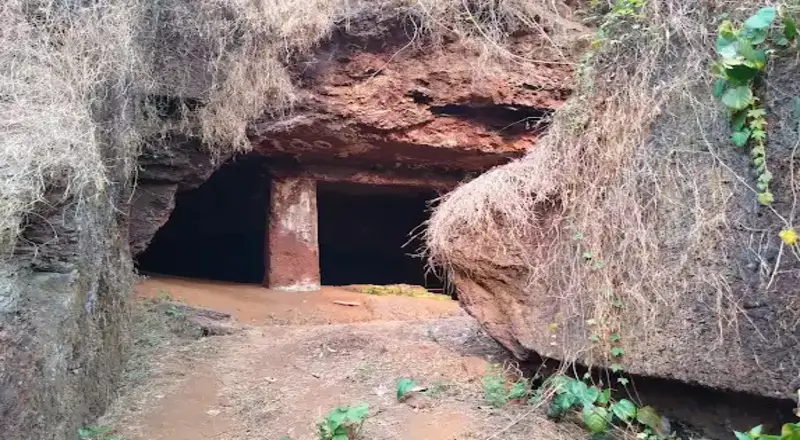
It has two main access routes:
- By boat (Pigao village jetty, pre-book through Goa Tourism)
- Or trek uphill from Lamgau village
Rivona Caves (Buddhist Caves)
Distance: 8 km from Margao
Dating back to the 6th-7th century, these ancient Buddhist rock-cut caves feature cells carved into laterite hillsides, believed to have been used by monks for meditation.
Arvalem Caves (Pandava Caves)
Distance: 9 km from Mapusa, near Sanquelim
- Rock-cut caves dating to the 6th century with Buddhist connections. Located near the scenic Arvalem Waterfall (also called Harvalem), which is spectacular during monsoons.
Khandepar Caves
Distance: 25 km from Panjim
Less visited than other caves, these ancient rock-cut caves sit atop a hill offering panoramic views. Features Sanskrit inscriptions and stone carvings.
Unique Stays & Experiences
Stay at Heritage Homes in Loutolim: Multiple Portuguese-era homes converted into boutique guesthouses offering cooking classes, heritage walks, and traditional Goan hospitality.
Floating Tent on Mayem Lake: Located near Bicholim, this unique stay combines glamping with the serenity of the still-water lake.
Live on a Houseboat: Houseboats on the Siolim & Chapora Rivers offer you a delightful experience in the Goan Backwaters. Enjoy the scenery, wildlife, and relax while enjoying a mouthwatering local cuisine.
Feni Distillery Tours: Visit local cashew feni distilleries in Siolim or Moira during harvest season (March-May) and learn about the traditional distillation process and sample this unique Goan spirit.
Morjim and Bicholim: Visit traditional pottery workshops where artisans create terracotta pots using ancient techniques. You can also participate in pottery-making sessions.
Goa offers numerous other places to explore. Others include Chapora, Zuari, Mahadayi, Sal, Galgibag, Terekhol, Talpona and Saleri, perfect for nature lovers.
Also, learn about the Less-travelled beaches of Goa and explore them on your next trip to Goa.
Recommendations for trusted travel partners to experience Goa like a local
Make it happen
Website: https://makeithappen.co.in
Specialising in immersive, off-the-beaten-path adventures, they connect travellers with authentic cultural experiences, hidden gems, and local traditions. Whether it’s exploring bustling markets, savouring home-cooked meals, or uncovering stories beyond the guidebooks, we ensure every journey feels personal, enriching, and unforgettable.
Soul Travelling
Website: https://www.soultravelling.in
Since 2017, Soul Travelling has been dedicated to providing offbeat and authentic travel experiences in Goa. They offer over 15 unique experiences daily, focusing on cultural immersion, local occupations, village excursions, nature and wildlife, heritage and architecture, offbeat adventures, and culinary journeys.
Kho Jaao
Website: https://www.khojaao.com
offers offbeat, eco-conscious experiences for nature lovers and adventurers in Goa and the Andaman & Nicobar Islands. Their curated half-day to multi-day trips include bird-watching, sunset hikes, and overnight camping while supporting local communities and conservation efforts.
Location & Distance Guide
Distances from Panjim:
- Ribandar – 4 km
- Tambdi Surla – 65 km
- Aldona – 25 km
- Chandor – 42 km
- Quepem – 48 km
- Dudhsagar – 60 km
Best Season: November–February (mild weather, waterfalls still flowing).
Transport: Rent a scooter/car for flexibility; rural Goa has limited bus connectivity.
*Feature image by Pexels
Discover more from GoTravelTrek
Subscribe to get the latest posts sent to your email.
