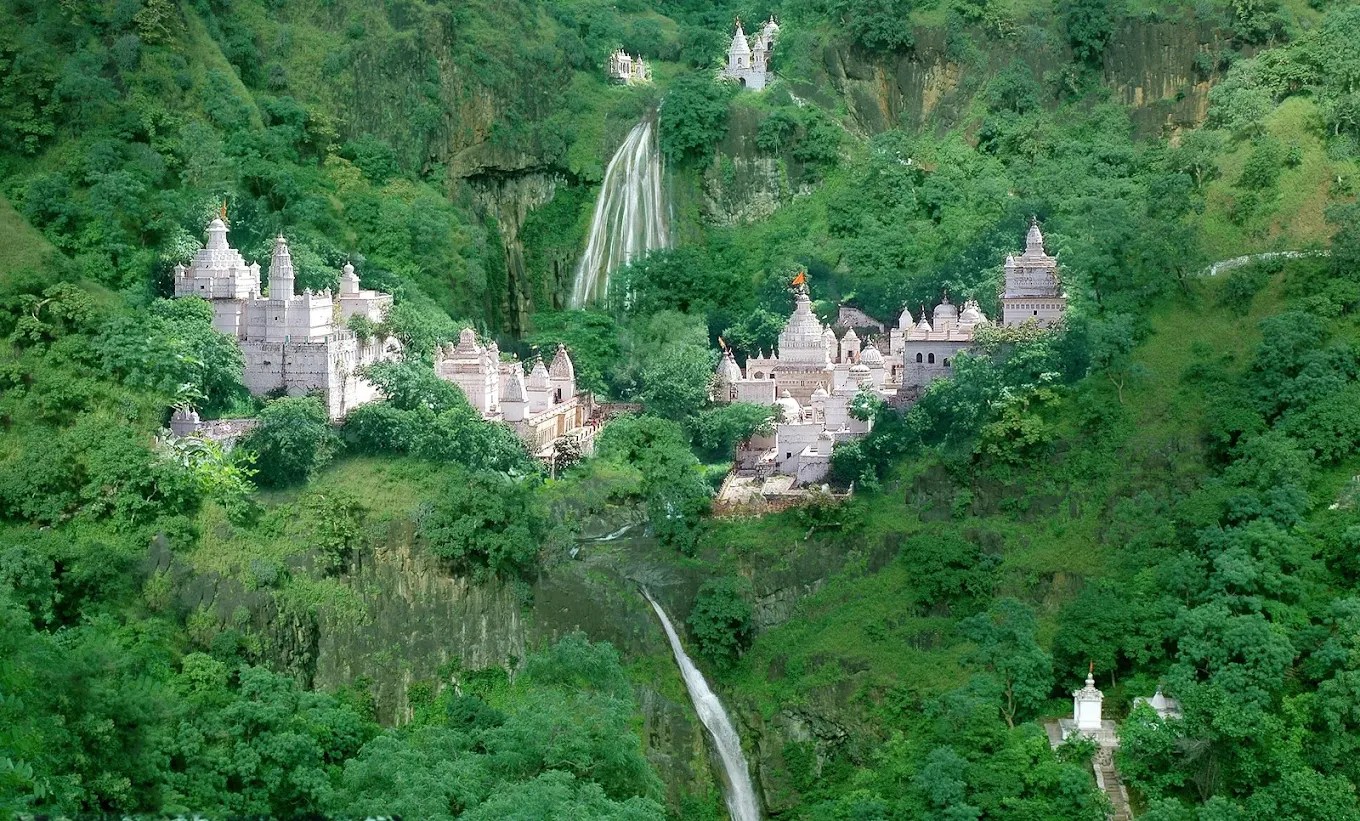
Nestled in the rugged Satpura Range, which straddles the border between Maharashtra and Madhya Pradesh, Muktagiri (also known as Mendhagiri) is a tranquil haven renowned for its ancient Jain temples and sanctuaries. This sacred destination, dedicated to Padmaprabhu, the 6th Jain Tirthankar, offers pilgrims and travellers an extraordinary fusion of spiritual resonance and natural splendour.
What to expect in Muktagiri:
– Explore 52 ancient Jain temple
– Natural scenic mountain views
– Visit Chikhaldara Hill Station (42 km)
– Go tiger spotting at Melghat Tiger Reserve
According to local lore, the site was discovered by a Jain monk named Muni Muktagiri in the 6th century CE. Most temples were constructed between the 12th and 15th centuries under the patronage of various dynasties that ruled the region, including the Paramara and Holkar rulers. The 52 Jain temples, which date back to the 12th century, are situated within caves and are architectural marvels, adorned with intricate carvings and exquisite details.
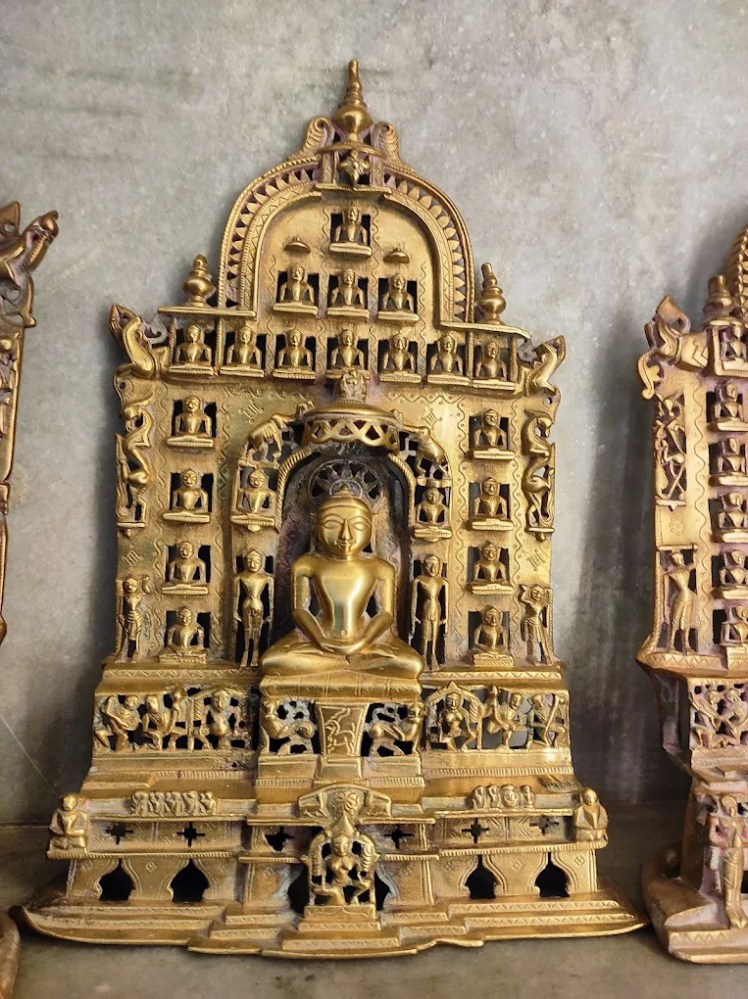
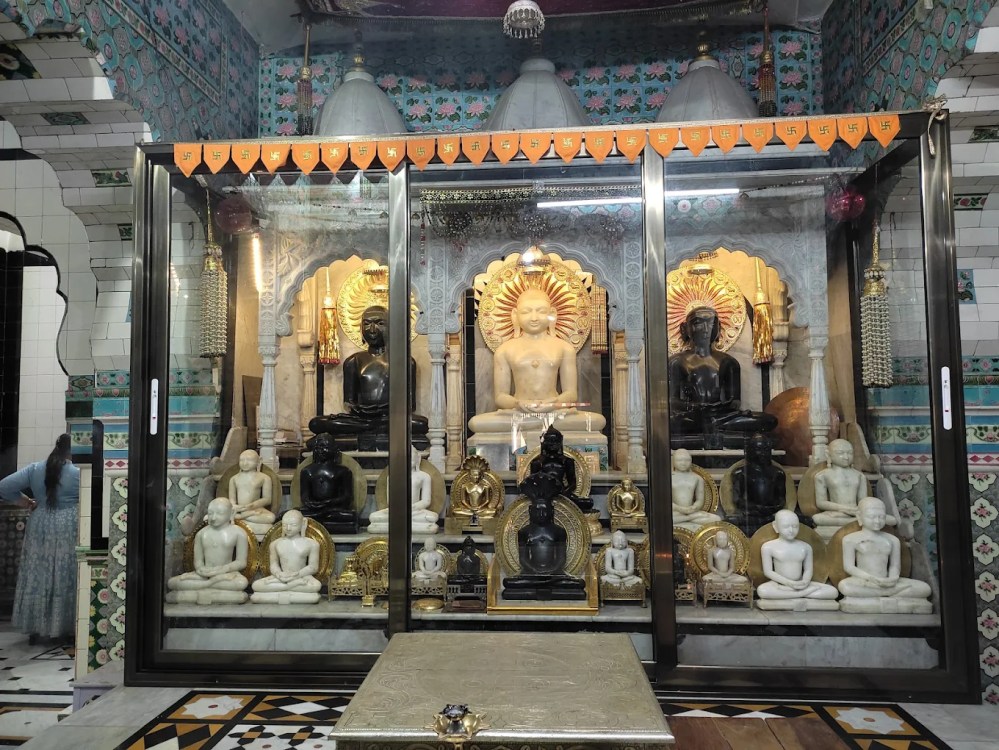
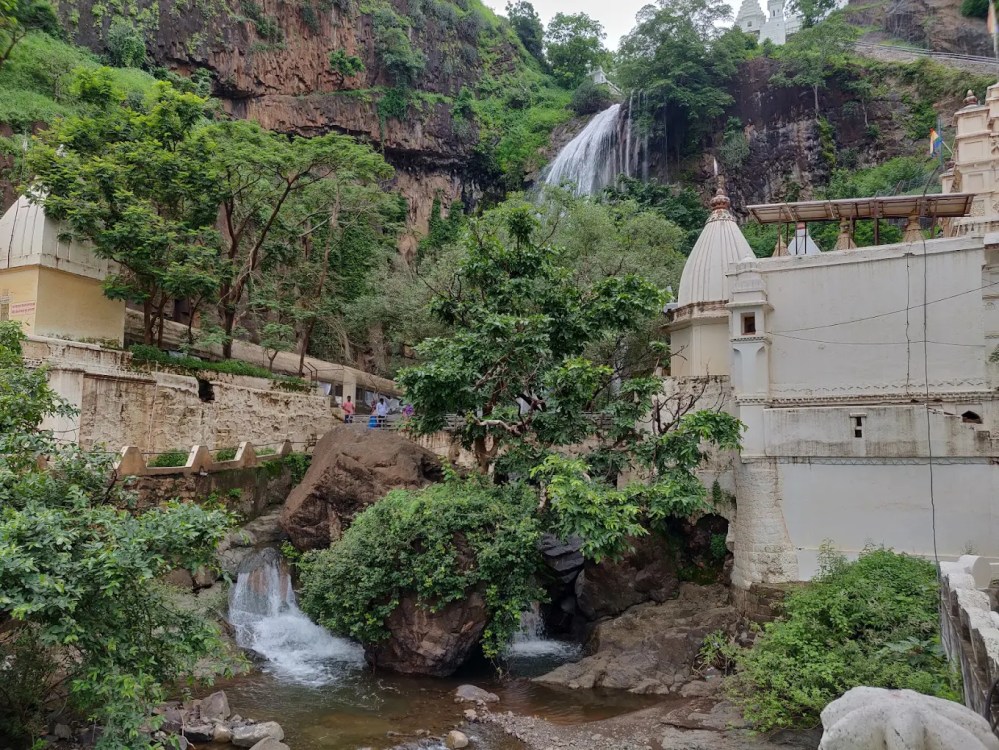
Images CC Indrajeet Deshmukh, Meet Jain and Kaustabh Pathak respectively
Muktagiri is enchanting during festivals like Mahavir Jayanti, when devotees gather in large numbers, filling the air with the sounds of prayers and rituals. For those seeking a deeper connection with Jain philosophy, local guides can often be found to provide insights into the teachings associated with each temple and idol. The website https://muktagiri.org offers more in-depth information.
Climbing Muktagiri: steps and chair-lifts
The temples are scattered across different levels of the hill, and as you ascend the hillside, a network of well-worn stone steps (approx 350 steps) guides you through this sacred landscape. With each step, the journey becomes a meditative experience. Each temple showcases a variety of architectural styles, ornate spires (shikhara) that pierce the sky, while others boast more modest yet equally captivating designs. The use of white marble in many structures creates a striking contrast against the lush green backdrop of the forested hills.
The ascent to Muktagiri’s temples is facilitated by well-maintained stone steps winding up the hillside. For those with limited mobility, particularly elderly visitors, a thoughtful alternative is available. A chair-lift service, operated by four carriers, can be arranged for approximately Rs. 500 for the entire journey. This service ensures that even those unable to manage the climb can experience the spiritual and architectural wonders of Muktagiri’s hilltop sanctuaries.
Main Temples
The 10th temple, known as Mendhagiri temple, is the oldest on site and is believed to have been built by King Ail Shripal of Elichpur. It was named after Mendha, who attained ‘Devgati’ here. The cave temple (10th century) has 72 beautifully carved Tirthankar idols (three Chaubeesee).
The 26th temple (Main Temple) is dedicated to Bhagwan Parshvanath and features a 4-foot-tall black Padmasan idol of Parshvanath with seven serpent hoods. According to legend, King Kotibhatta Shripal had a dream about the idol near the pond of Elichpur and was instructed to retrieve it. The temple also features a red ochre Parshvanath idol from 1546 CE and an idol of Panch Balyati, which was reverenced in the Samvat 1548 on a flat stone.
The 40th Temple is carved into the mountainside and is notable for its exquisite wall carvings and symmetrical architecture. It also houses a magnificent principal deity idol.
A peaceful lake at the base of the hill adds to the site’s tranquil atmosphere. This watery haven attracts diverse wildlife, particularly a variety of bird species, offering nature enthusiasts ample opportunities for observation. Many visitors to Muktagiri’s Jain temples extend their journey to include the nearby Chikhaldara Hill Station (42 km) and Melghat Tiger Reserve, creating a rich tapestry of spiritual, cultural, and natural experiences in one memorable trip.
*Accommodation: There are no hotels in Muktagiri, so stay options are located in nearby towns like Amravati or Khandwa (about 80 km away). Recommended to hire a taxi or auto-rickshaw for the day from the nearest town, as public transport to Muktagiri is also limited.
Location & Distance Guide
From Amravati: 70.5 km
From Burhanpur: 182 km
From Nagpur: 223 km
From Bhopal: 275 km via NH 548C and NH 46
From Indore: 313 km
Best Times to Visit:
October to March: This is the most pleasant time, with cooler temperatures and clear skies, ideal for exploring the hillside temples.
Monsoon season (July to September): While challenging due to slippery paths, this period offers lush greenery and misty vistas.
Mahavir Jayanti (usually around March or April): A vibrant time to experience Jain festivities, though it can be crowded.
Discover more from GoTravelTrek
Subscribe to get the latest posts sent to your email.
