Eastern India’s railway story is older than most realise. The East Indian Railway Company became one of the most powerful railway enterprises in colonial India.
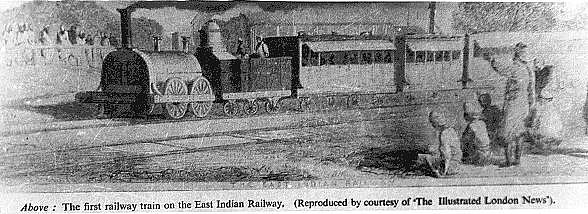
Established in London on 1 June 1845 with a capital of £4 million, the East Indian Railway Company played a foundational role in introducing railways to eastern and northern India. While it expanded rail connectivity across these regions, other companies including the Great Indian Peninsula Railway, South Indian Railway, Bombay, Baroda and Central India Railway, and the North-Western Railway, it developed networks across the rest of the country.
Let’s travel east where railways followed rivers, coal seams, tea gardens, and imperial bureaucracy.
Eastern India was commercially critical to the British:
- Calcutta (now Kolkata) was the capital of British India until 1911
- The Hooghly River was a major trade artery
- Bengal’s jute mills powered export economies
- Assam’s tea plantations fed global demand
- Bihar’s coal fields fueled industrial growth
Railways here were not decorative luxuries but critical as economic lifelines.
Howrah railway station
Opened in 1854 Howrah is one of India’s oldest and busiest stations. It sits across the Hooghly River from colonial Calcutta which was connected later by the iconic Howrah Bridge (1943).
Its here here that Coal from Raniganj, Indigo from Bengal, Jute from mills and Tea from Assam moved outward toward ports.
Unlike Bombay’s Gothic theatre, Howrah is pragmatic and expansive. It was built for scale and features long red-brick façade, arched entrances, functional colonial symmetry and has huge platform sheds. As I remember, the only station where one could travel in a car and park right next to the platform! Not sure if that’s still possible.
Explore Around
- Walk across Howrah Bridge at sunrise
- Mullik Ghat flower market
- Armenian Church
- Dalhousie Square heritage buildings
- River ferry rides
Sealdah railway station
Opened in 1869, Sealdah handled eastern Bengal (now Bangladesh) routes. After Partition in 1947, Sealdah witnessed one of the largest internal migrations in modern South Asian history.
Explore Around
- College Street book market
- Coffee House
- Kumartuli artisan quarter
- North Kolkata heritage lanes
Darjeeling Himalayan Railway
Built to connect the tea-rich hills to the plains, the Darjeeling Himalayan railways opened in 1881. Darjeeling tea had become a prized export and railways reduced transport time dramatically.
Unlike urban stations, this railway is about adaptation. It curves with mountains rather than cutting through them. Engineering & design features include stone retaining walls, the popular Batasia Loop, Z-reverses and impressive steam locomotives.
The narrow gauge hill railway got a UNESCO status in 1999.
Did you know
Ghum railway station is one of the highest railway stations in India.
Ranchi railway station
Linked to mineral and forest extraction, Ranchi became strategically important due to forest produce, tribal belt administration and later coal connectivity.
Though the present station is modernised, early railway expansion into Chotanagpur plateau was resource-driven.
Explore Around
- Hundru Falls
- Rock Garden
- Tagore Hill
- Tribal Museum
Tinsukia railway station
This station was built in and connected tea plantations of Upper Assam. Railways changed Assam’s economy permanently. It allowed faster tea export to Calcutta, offered British planter mobility and additional administrative oversight.
Stations in Assam were simpler wooden or masonry structures and built with practical functionality for humid climates.
Explore Around
- Dibru-Saikhowa National Park
- Tea estates
- Brahmaputra river landscape
Did you know
The Begunkodar Railway Station in West Bengal remained unused for 42 years because of a ghost story that scared staff away, even though trains continued to pass through on the active main line. It has reopened again in 2009.
In current times, India is developing railway connectivity in the Northeast. New tracks are planned through Bangladesh to improve access and reduce reliance on the Siliguri Corridor. At present, four Northeastern states, Assam, Tripura, Arunachal Pradesh and now Mizoram, are connected to the rest of India by rail. Projects in Nagaland and Manipur are also progressing. The Jiribam-Imphal line features the world’s tallest railway pier bridge. Meghalaya is exploring rail connectivity options. These projects aim to boost the region’s economy and security by 2030.
* Reference: Economic Times
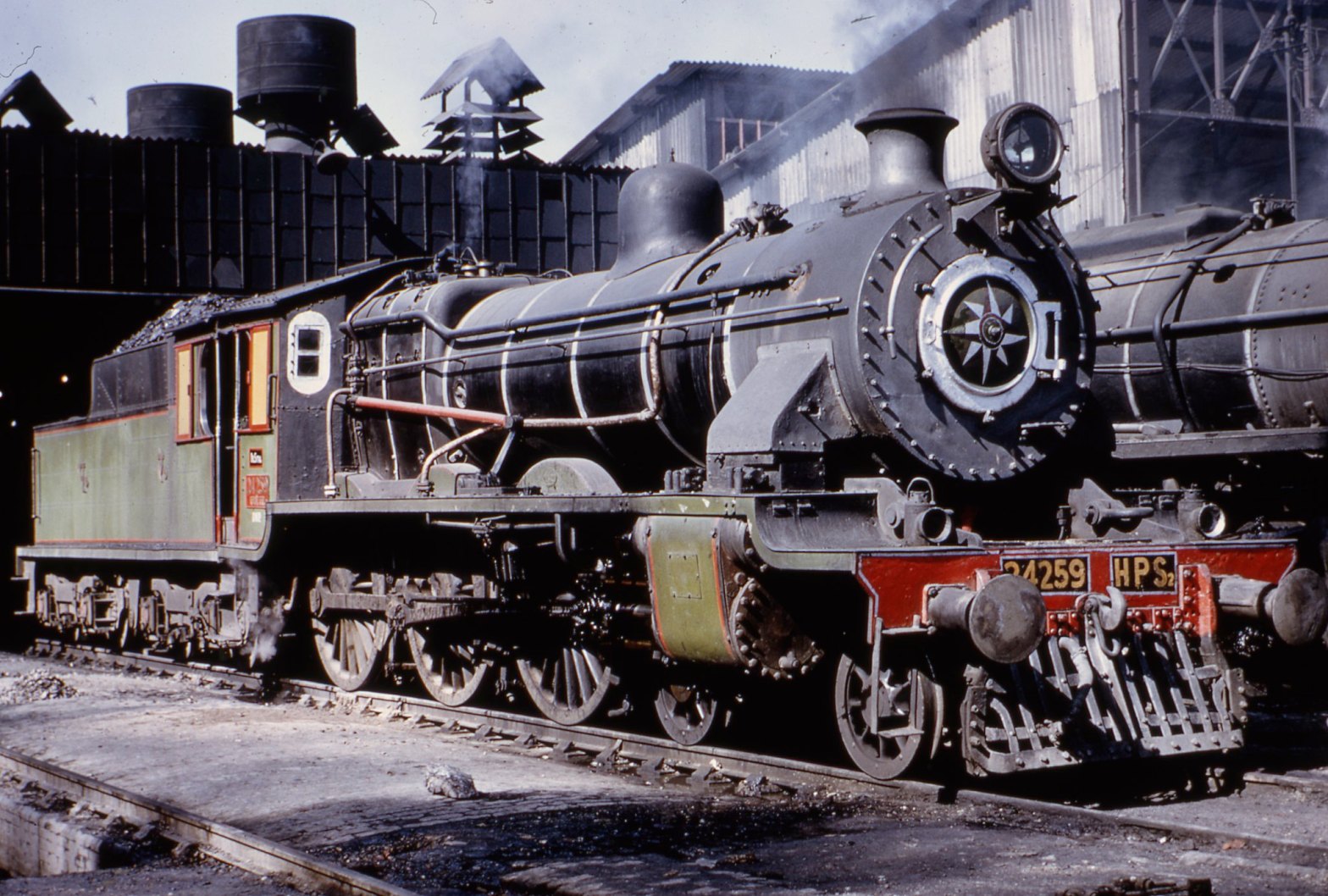
Feature Image shows India Railways – Eastern Railway Class HPS/2 steam locomotive Nr. 24259 (Vulcan Foundry 5757 / 1949). Image CC Flickr
Discover more from GoTravelTrek
Subscribe to get the latest posts sent to your email.
