Let’s journey through the railways that reshaped the North.
Kalka–Shimla Railway
When the British declared Shimla their summer capital in 1864, they faced a problem on how they can move the governance up the mountains. They cannot be using horseback forever! So they did what empires do best, they decided to built a railway line that carried their empire uphill once every year!
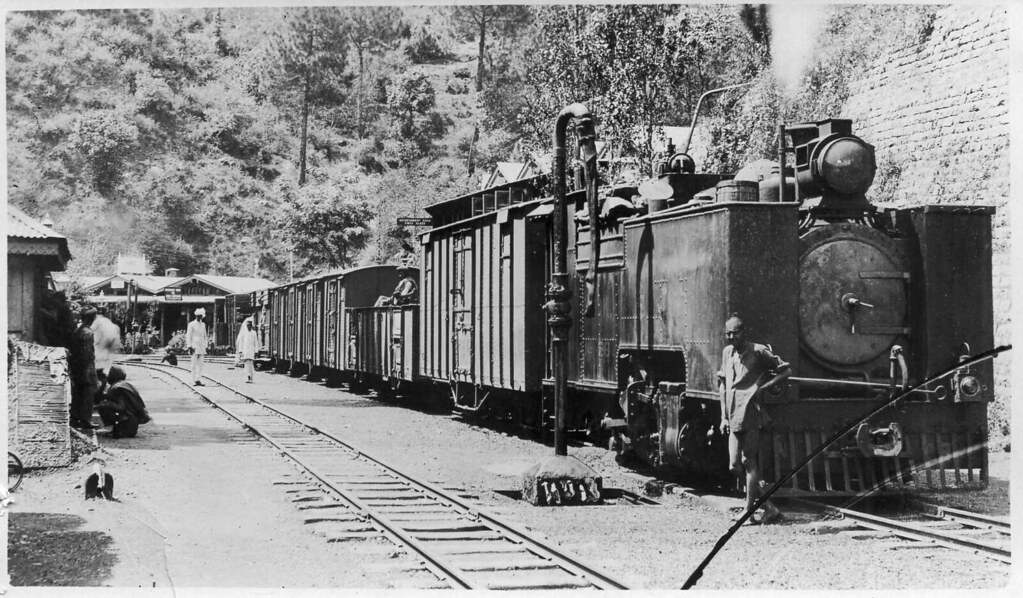
Without this railway, Shimla could never have functioned as political headquarters.
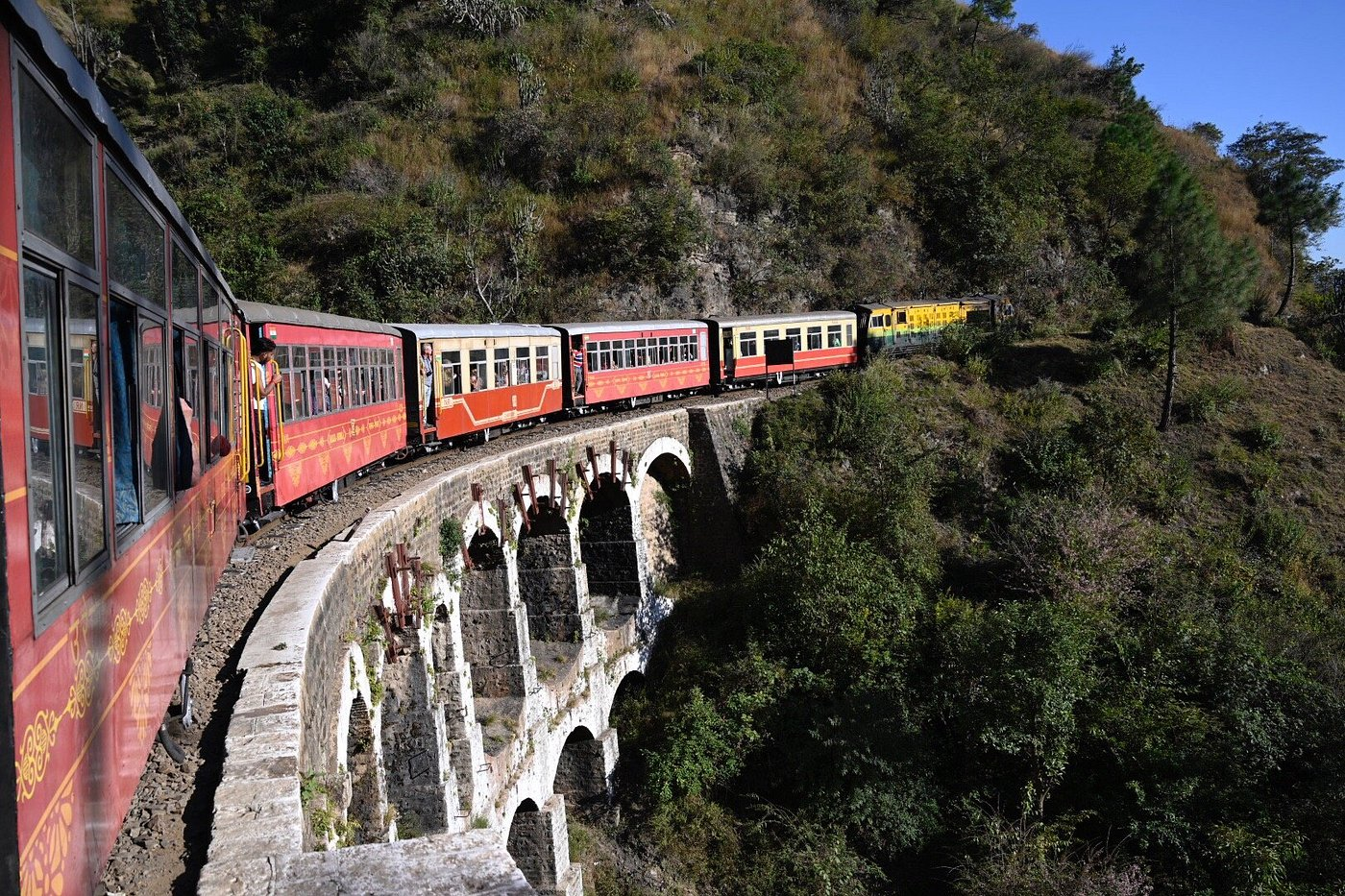
Quick facts:
- The Kalka–Shimla Railway opened in 1903
- It is 2 ft 6 (762 mm) narrow-gauge railway and covers 96 km and passes through 103 tunnels! Interestingly, the tunnels are hand-cut. The Tunnel 33 (Barog Tunnel) is the longest on the route.
- Crosses over 800 bridges and climbs from 656m to 2,076m above sea level
- It was inscribed as a UNESCO World Heritage Site in 2008 as part of the “Mountain Railways of India.”
- The multi-tiered arch galleries especially near Kanoh and Shoghi resemble Roman aqueducts. Built in stone masonry, these bridges are architectural poetry under pressure.
The Barog Station Story
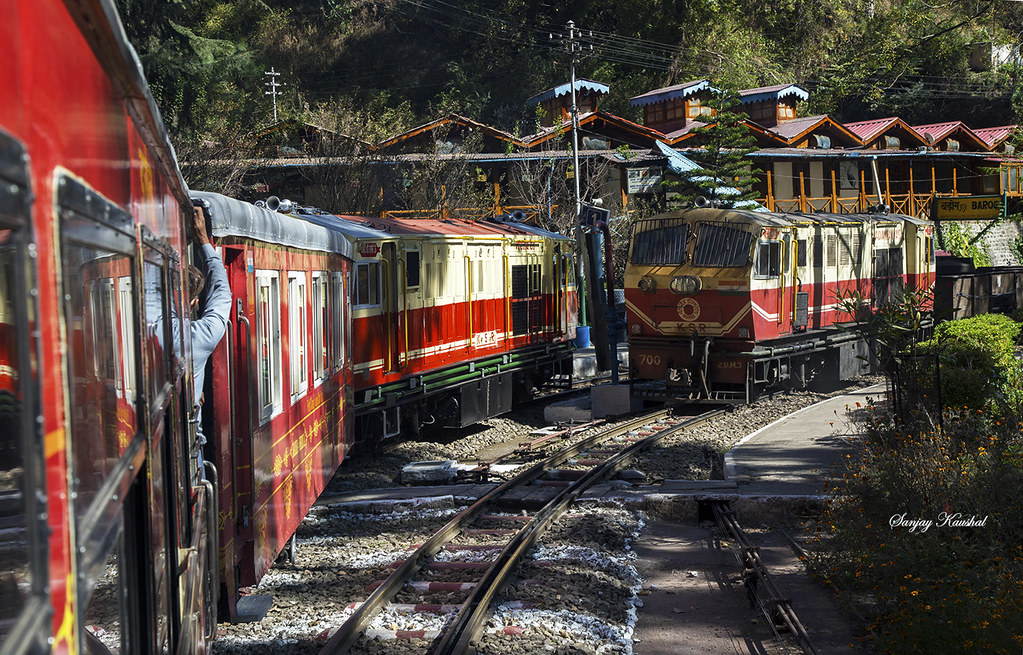
Near Barog station lies one of the line’s most whispered stories. Colonel Barog, a British engineer, allegedly miscalculated a tunnel alignment. Tunnel No. 33 is also the longest tunnel on the route. He had ordered the tunnel to be bored from both ends. But a surveying error meant the two sides did not align. The mistake was technical but the consequences were personal.
Colonel Barog was reportedly fined a symbolic one rupee; a small penalty, but he felt embarassed. Local accounts share that the humiliation weighed heavily on him, and he later took his own life near the unfinished tunnel.
But, the construction did not stop and an engineer H.S. Harrington took over the project. With guidance from a local hill man, Baba Bhalku who had instinctive understanding of the terrain, the alignment was corrected and the tunnel was eventually completed.
Today, as trains pass through Tunnel No. 33, few passengers realise they are travelling through a stretch of railway shaped not only by engineering precision, but by human error, pride, and perseverance. Trains still slow down today at that spot.
What To Explore Around Shimla
If you arrive by toy train, don’t rush.
- Visit Tara Devi Temple: older than colonial occupation, it has watched empires rise and fall.
- Walk the colonial stretch of The Mall Road.
- Visit Viceregal Lodge (Indian Institute of Advanced Study): the place where Partition negotiations took place.
- Explore Annandale Meadow which was once a British playground for polo and racing.
- Take the lesser-known Glen forest walk for quiet pine silence.
Did you know
The Kalka–Shimla Railway tunnels and multi-arc stone galleries were feats of Victorian-era geometry and surveying. They were at that time world’s highest multi-arc gallery bridge. Tunnels were hand-cut through Himalayan rock, which was a monumental task given the era’s limited mechanisation.
Old Delhi Railway Station
Opened in 1864, Old Delhi Railway Station is different and was designed in red brick with Mughal-style arches and crenellations. The station seems to have been intentionally styled to blend with the nearby Red Fort aesthetic.
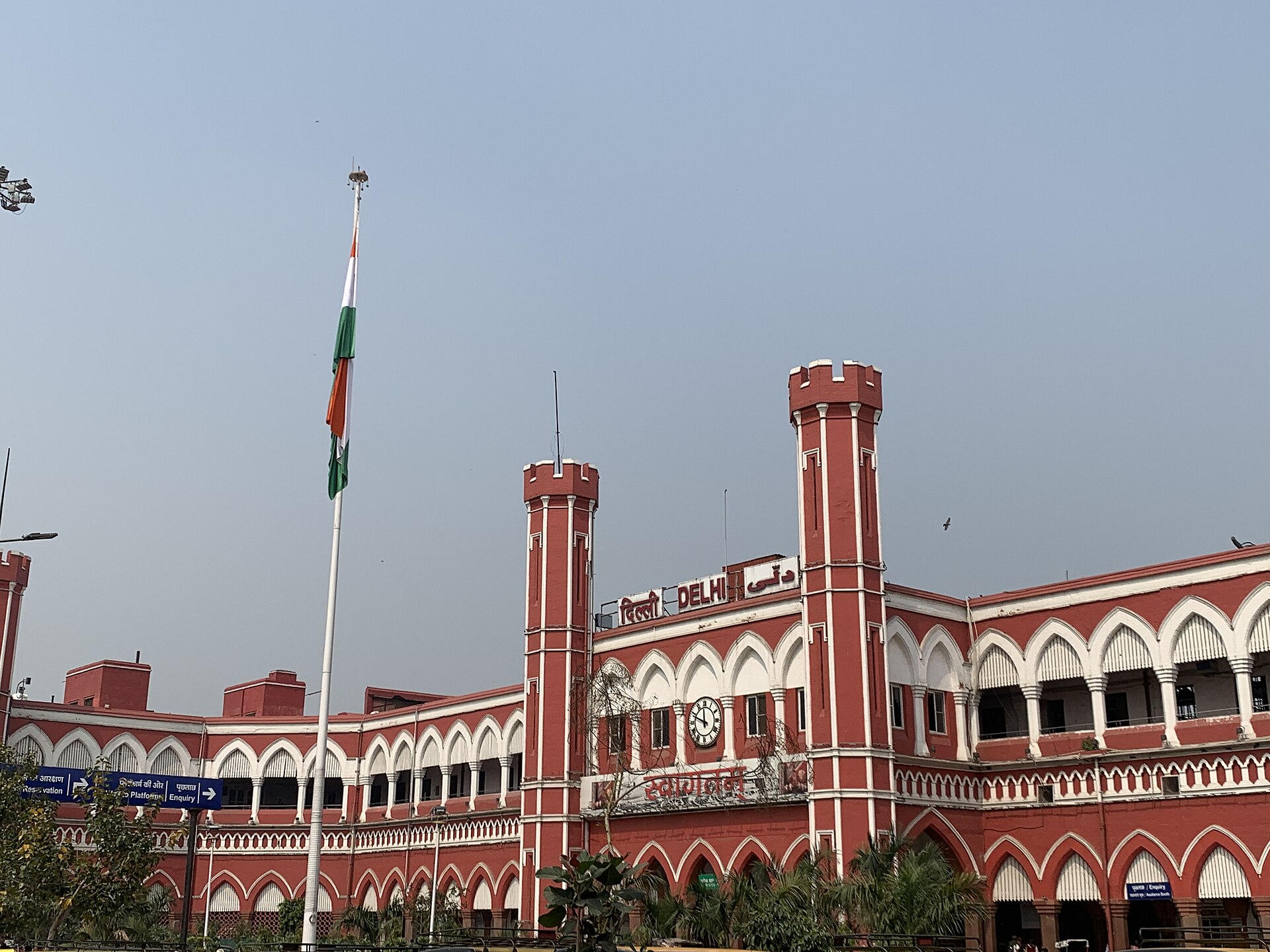
Amid the honking rickshaws, the shouting porters, the scent of chai and coal dust lingering in the air it is easy to see only chaos. But this station has never just been a transit point. It is a witness.
In 1947, this station witnessed some of the most devastating moments of Partition. Trains began arriving from what had suddenly become Pakistan. Some packed beyond capacity, some arrived with families clinging to hope; while some arrived in stunned silence as they carried only bodies.
Few platforms in India carry that emotional weight. Older residents still recall how entire neighbourhoods gathered here for days, waiting for relatives who never arrived. Some families still mark their ancestry by “the train that came” or “the train that didn’t.”
And yet, life resumed.
Steam engines once rolled through here, their whistles cutting through dawn prayers from Jama Masjid. Freedom fighters were quietly transported through its corridors. Soldiers departed during wars. Newlyweds left for new beginnings. Migrant workers arrived with nothing but tin trunks and ambition.
If you look carefully today, beyond the LED boards and crowds, you can still see fragments of another era. Look out for the old signage fonts, the fading brickwork, the slight curvature of colonial iron pillars. There is a certain heaviness in the air that feels different from other stations.
What To Explore Nearby
- Chandni Chowk food trails
- Jama Masjid at sunset
- Red Fort light and sound show
- Spice market (Khari Baoli)
- Walk through Ballimaran and visit Ghalib’s haveli
Saharanpur Junction
Saharanpur Junction may not be world-famous, but its roots stretch deep into colonial railway expansion. Opened in 1868 as part of the Ambala–Delhi–Amritsar main line, it became a major junction when the Oudh & Rohilkhand Railway expanded its lines here in 1886, connecting Saharanpur to Moradabad and beyond.
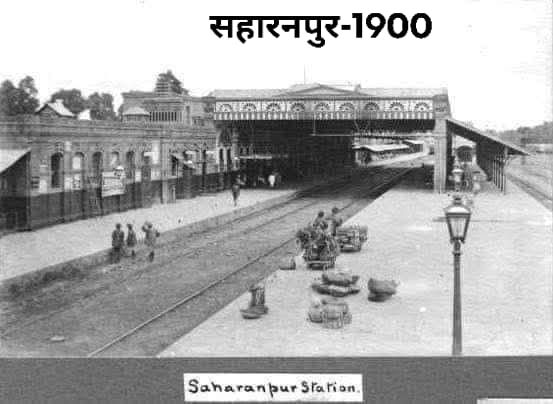
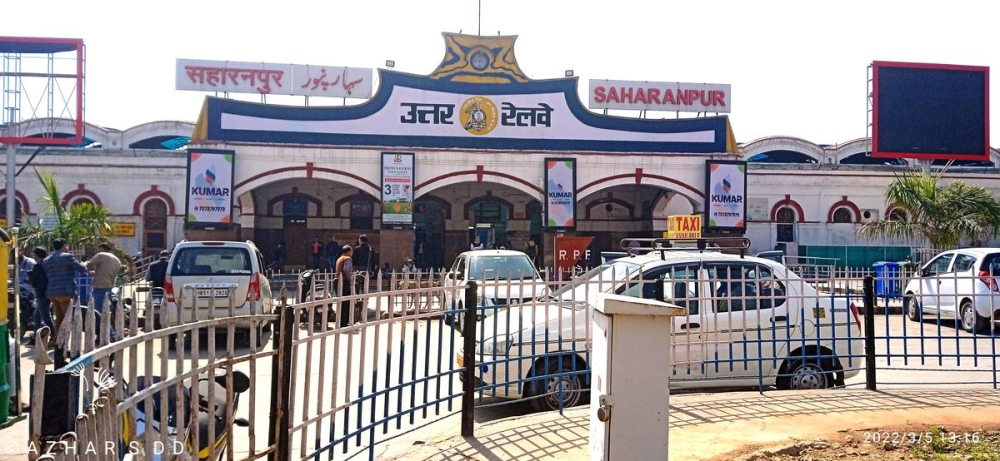
At the turn of the 20th century, Saharanpur operated 24/7 due to the convergence of rail routes and a symbol of northern rail connectivity. Workshops here once serviced steam engines.
While the station has been modernized, traces of its main building remain.
Ambala Cantonment Station
Ambala is historically a cantonment town and I happen to spend many of my growing up years here.
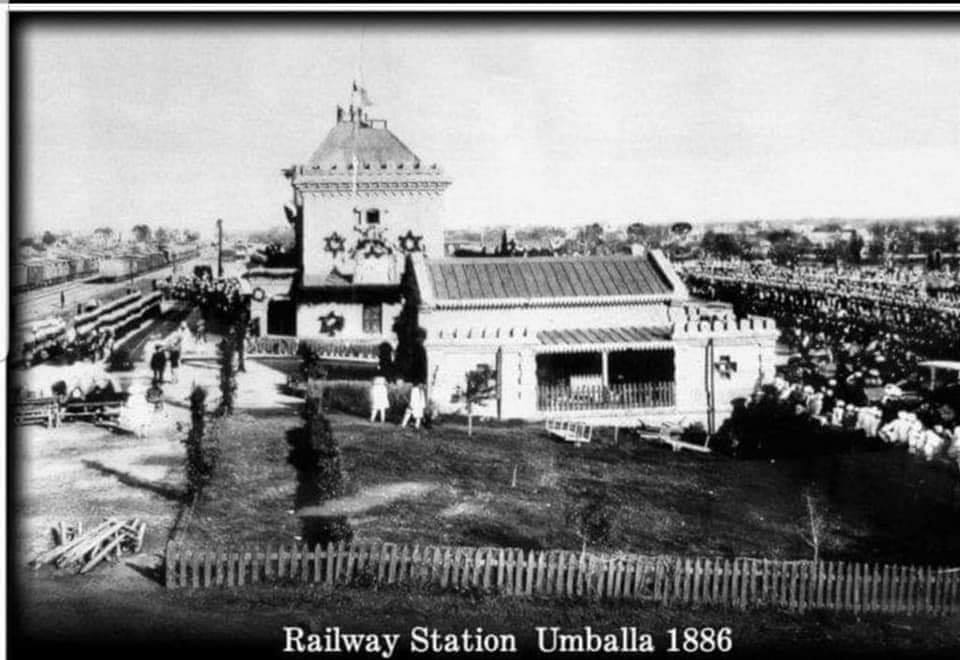
Ambala became a crucial rail link connecting Delhi and multilayered frontier lines in the late 19th century. Railways here was designed less for grandeur and more for military logistics keeping in mind proximity to key garrisons, efficient movement of troops between plains and hill stations and linkages with Sindh-Punjab–Delhi lines.
The old station buildings reflect utilitarian colonial architecture — straightforward, symmetrical, functional — with broad verandahs and robust structures meant for heavy traffic, not aesthetics.
My most vivid memories of Ambala station are that of watching thousands of birds calling the roof of the station home, smell of coal engines and lots of people belonging to the Indian Army waiting for thier train.
Dehradun Railway Station
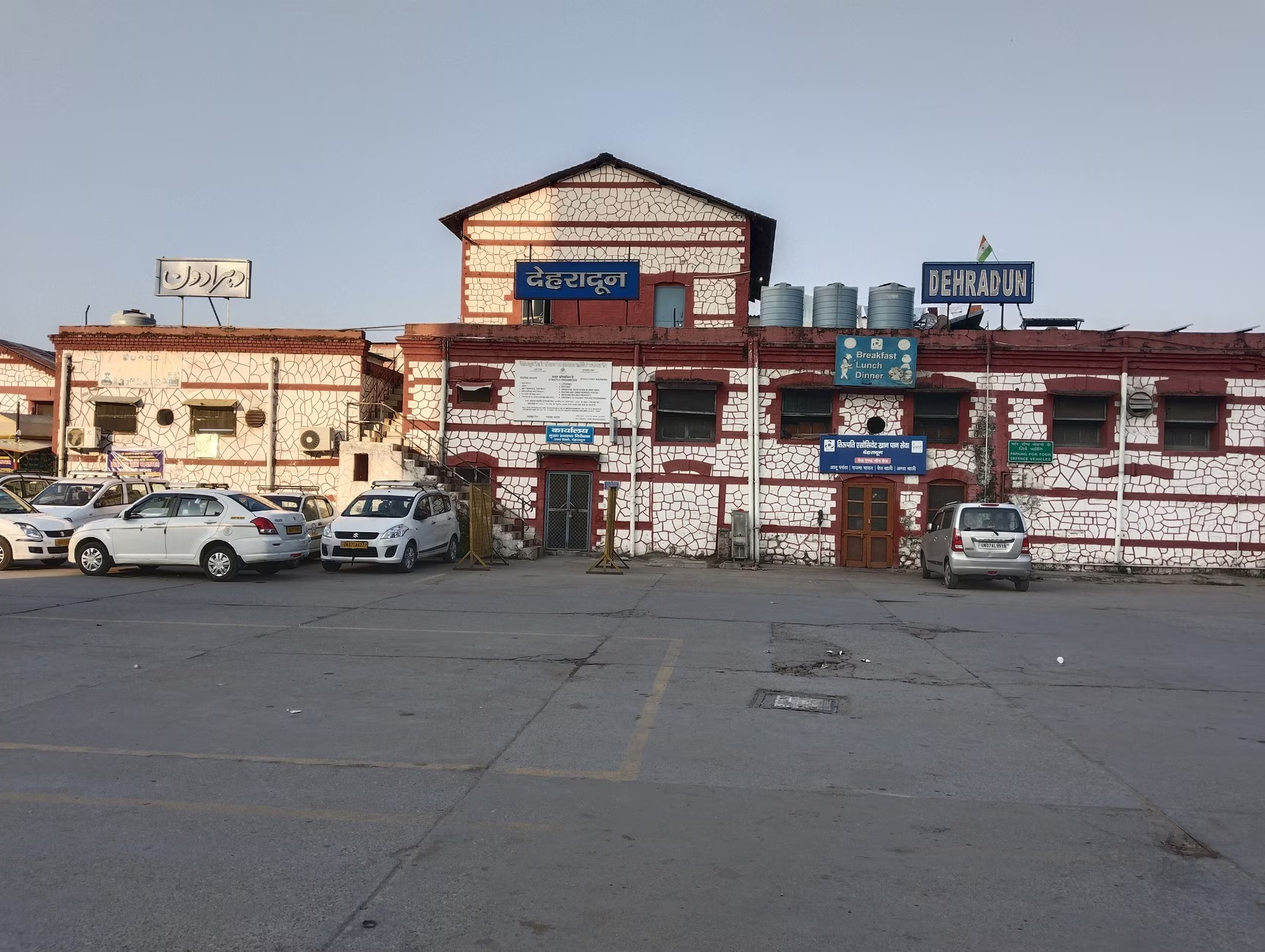
Opened in the late 19th century, Dehradun station is the gateway to the Doon Valley.
The station connected the valley to colonial administration and military academies. Unlike grand terminals, its architecture is restrained with with sloped roofs, colonial-era symmetry and functional verandahs. It also served as entry to Mussoorie, a popular British hill retreat.
Explore Around
- Mussoorie hill station
- Forest Research Institute (colonial-era architecture)
- Robber’s Cave
- Landour cantonment walks
Older tea vendors speak of British officers traveling uphill during summer migration seasons, trunks stacked high, servants trailing behind.
But just beyond the bustle of the main Dehradun station lie a handful of lesser-known stops that are quiet, almost forgotten pieces of history that seem frozen in time. Read about them here: Hidden Railway Stations Of Dehradun City That Feel Frozen In Time in an interesting article by TravelIndia.com.
Amritsar Railway Station
Built during British expansion into Punjab, Amritsar station connected frontier zones and trade routes. Historicaly, the station was used as a trade route linking Lahore (pre-Partition), an important military movement hub, and also witnessed the migration trauma during 1947.
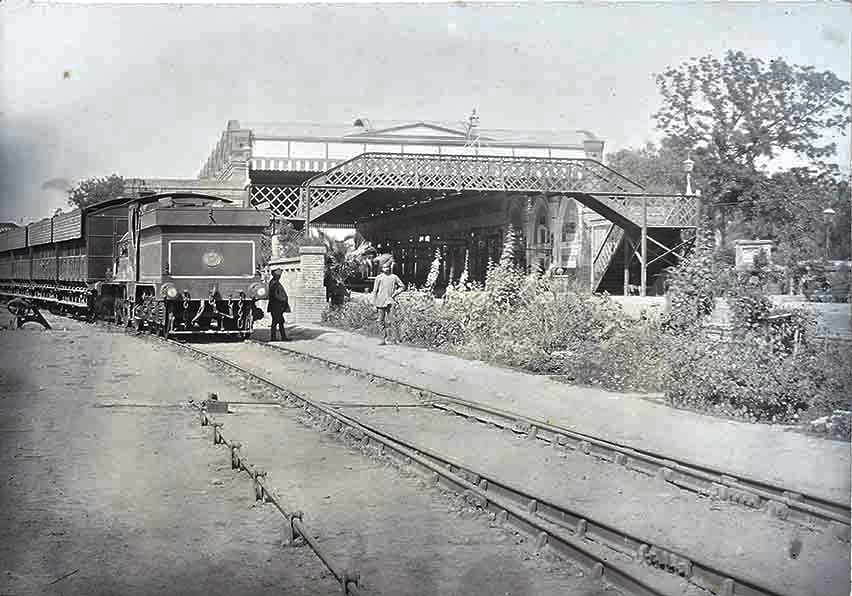
Reference taken from https://www.past-india.com/photos-items/amritsar-railway-yard-british-india-era-1910-photo/
A 1910 photo of the Amritsar railway yard during British India era. Amritsar railway station was an important halt for the two most famous trains at the time of colonial era. These were the Frontier Mail now Golden Temple Mail and the Punjab Mail, both ran from Bombay now Mumbai to Peshawar in the then undivided India.
But after independence, the Golden Temple Mail’s run would end at Amritsar and the Punjab Mail terminated at Firozpur (Punjab). Both the trains were the luxury type meant only for the Britishers. Mostly the British military or civil service officials. After alighting from the steamers that arrived from England they would board one of these designated trains at Ballard Pier Mole Station.
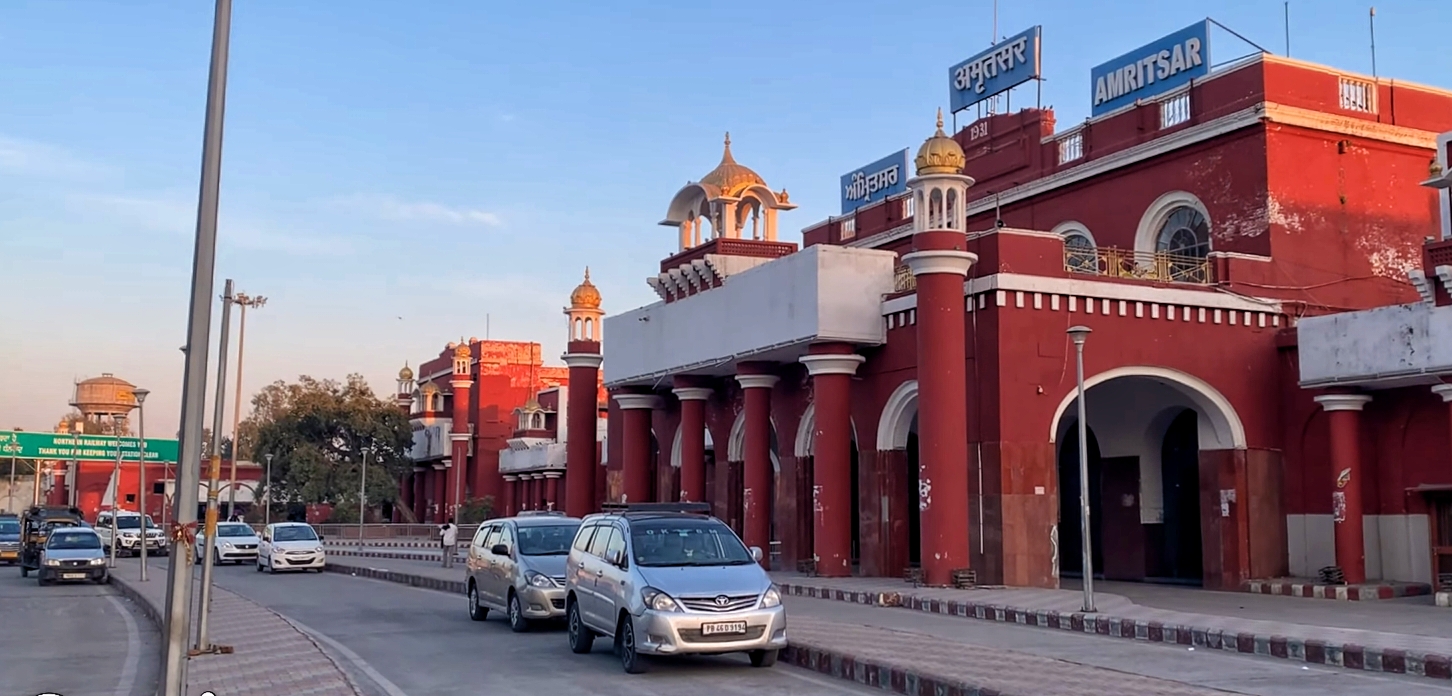
Explore Around
- Golden Temple at dawn
- Jallianwala Bagh
- Partition Museum
- Heritage walk in old Amritsar
Lucknow Charbagh Railway Station
The building was designed by J.H. Horniman as a blend of Indo-British style of architecture also known as Indo-Saracenic style. It blends Rajput, Mughal and Awadhi architectural motifs and is one of India’s most visually stunning railway buildings. Also, the layout from above resembles a chessboard!
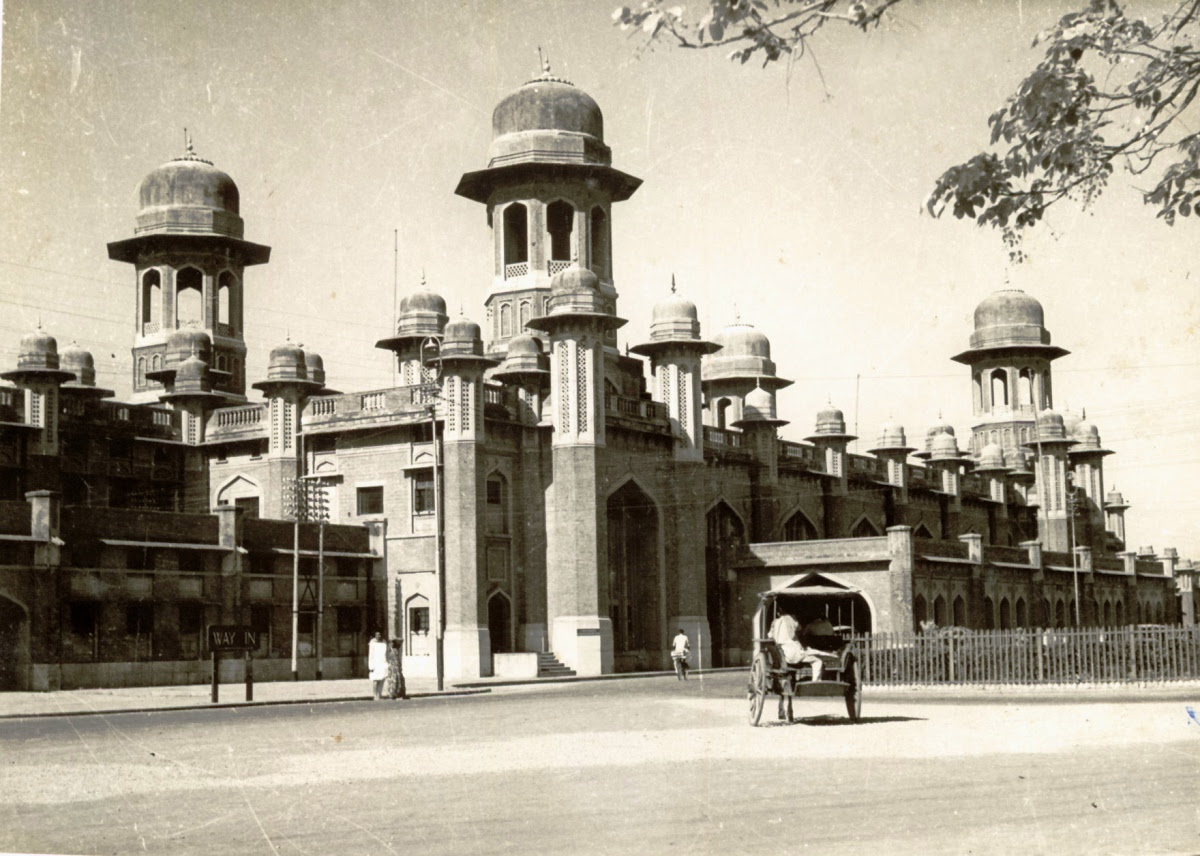
While the foundation stone was laid in 1914, the station only opened in 1923 and was built at the cost of around 7 million rupee and was meant to impress. The foundation of the Charbagh (four gardens) was also laid to the north of the Munavvar Bagh (another Mughal garden of those times) but as with the decline of the Nawabs, the glory of these gardens too diminished in time.
It looks stunning even today.
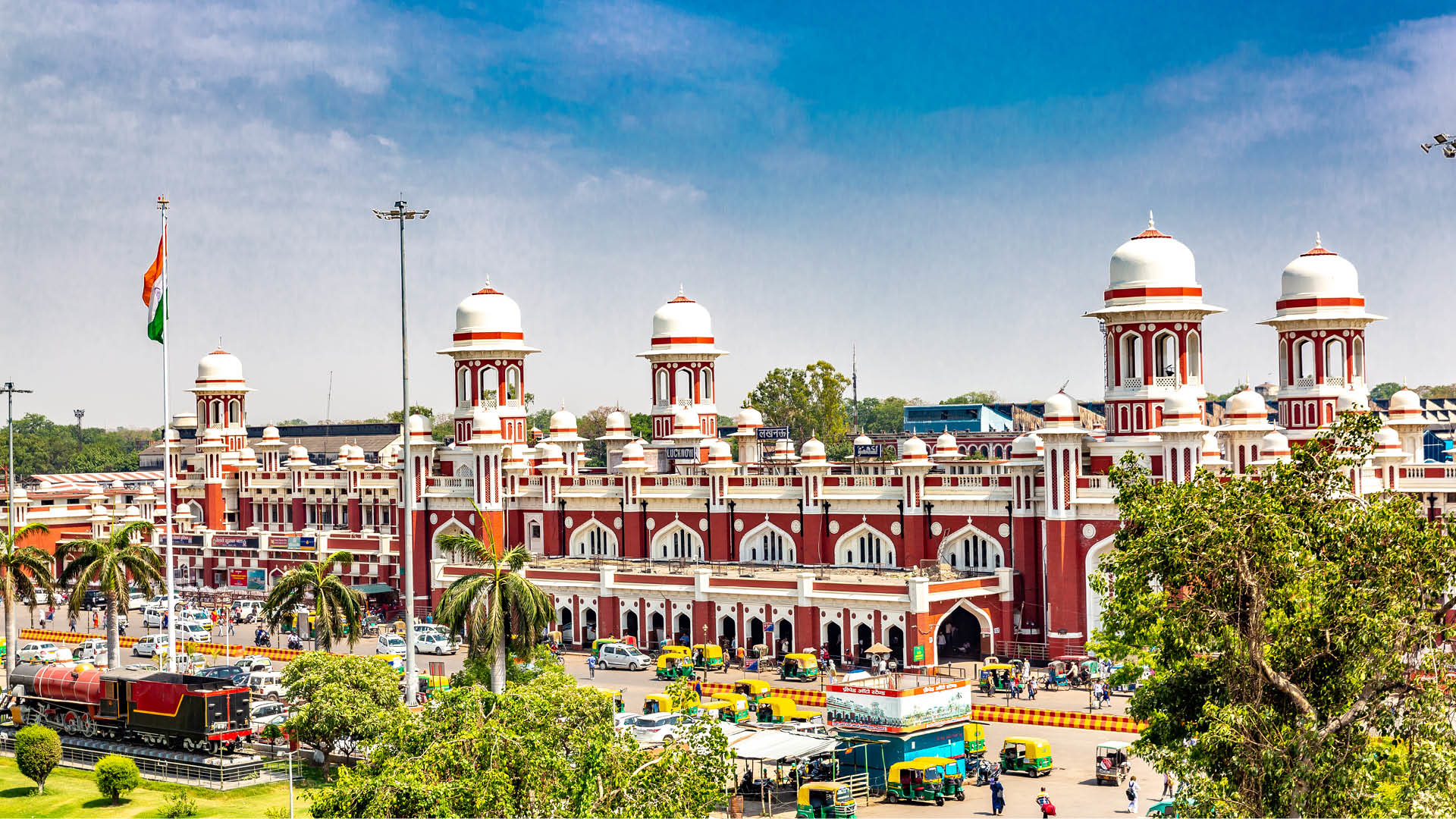
What To Explore Around Charbagh
- Bara Imambara (whispering gallery)
- Rumi Darwaza
- Residency ruins (1857 revolt site)
- Hazratganj colonial shopping district
- Tunday Kababi (culinary legend)
Local anecdote: Older residents still recall how railway announcements once echoed in Urdu and English with refined pronunciation; reflecting Lucknow’s *tehzeeb.
*Tehzeeb is an Urdu term meaning civilisation, culture, politeness, or progress/development.
Did you Know
- The famous Sufi shrine, Khamman Peer Baba Mazar is located within the station campus along with a mosque. It is a 950-year old shrine dedicated to Muslim Saint Shah Syed Qayamuddin.
Moradabad Junction
Opened in 1873, the Moradabad Junction connected Lucknow, Delhi, and later extended to Saharanpur. Today it’s among the busiest junctions in the zone and historically a testament to rail’s role in economic transformation.
Though functional in design, Moradabad’s station buildings carry the quiet dignity of colonial infrastructure. It has broad platforms, shaded arcades, and waiting rooms that once hosted traders and artisans bound for regional markets.
Nearby, brass artisans of Moradabad recall how the railways transformed their craft economy, enabling brass goods to reach Delhi, Calcutta and beyond. Sons whose fathers worked in workshops now tell stories about oil lamps, mechanical leg-warmers, and 19th-century timekeeping.
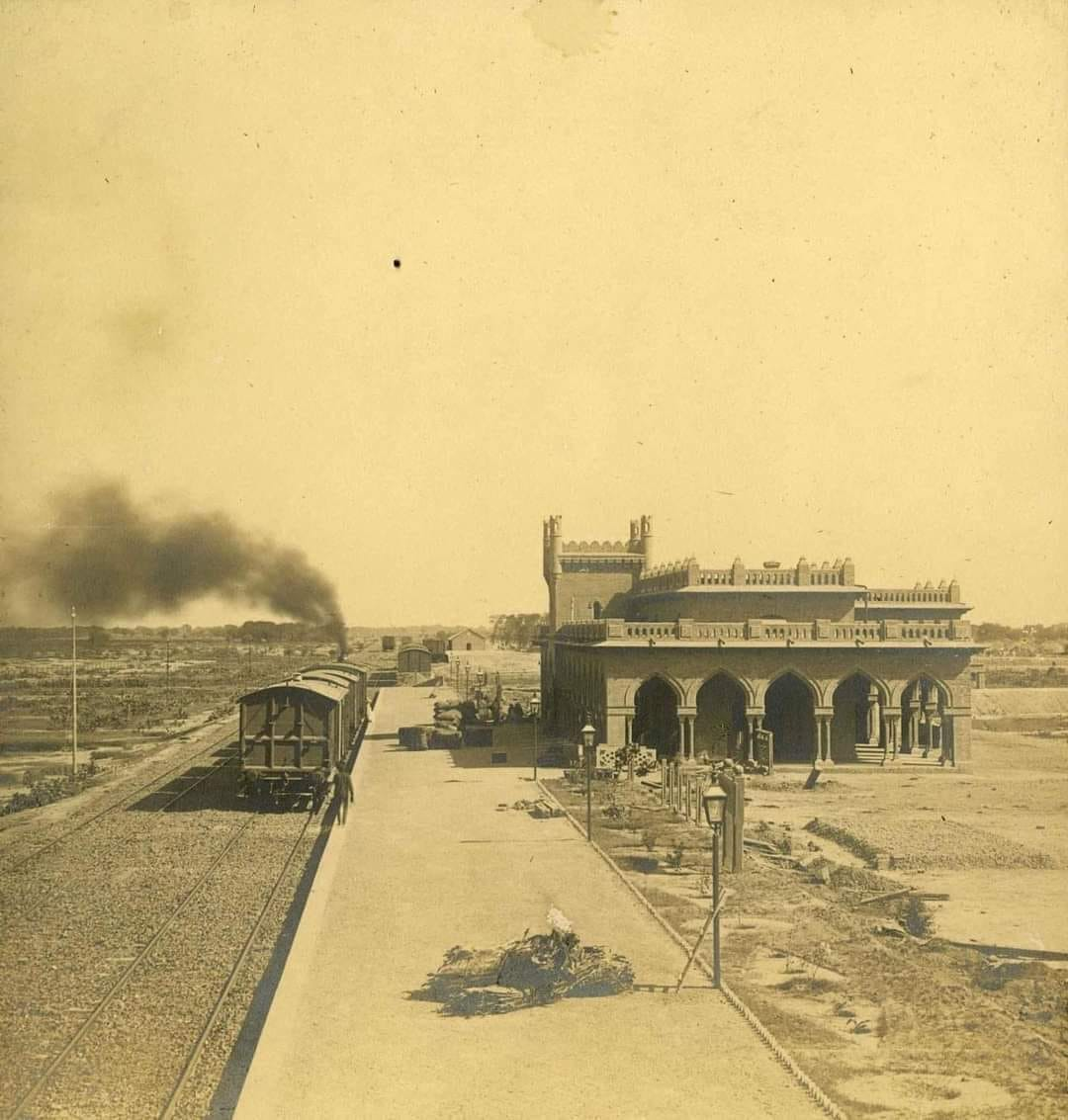
Some old pics from lesser known but important Stations in North India
Sangrur’s Railway Station: The Railway Station was opened on Ludhiana-Jakhal line in 1905.The architecture of railway station has an amalgamation of Indian,Mughal and Gothic architecture. The image below is from 1930’s.
Discover more from GoTravelTrek
Subscribe to get the latest posts sent to your email.
