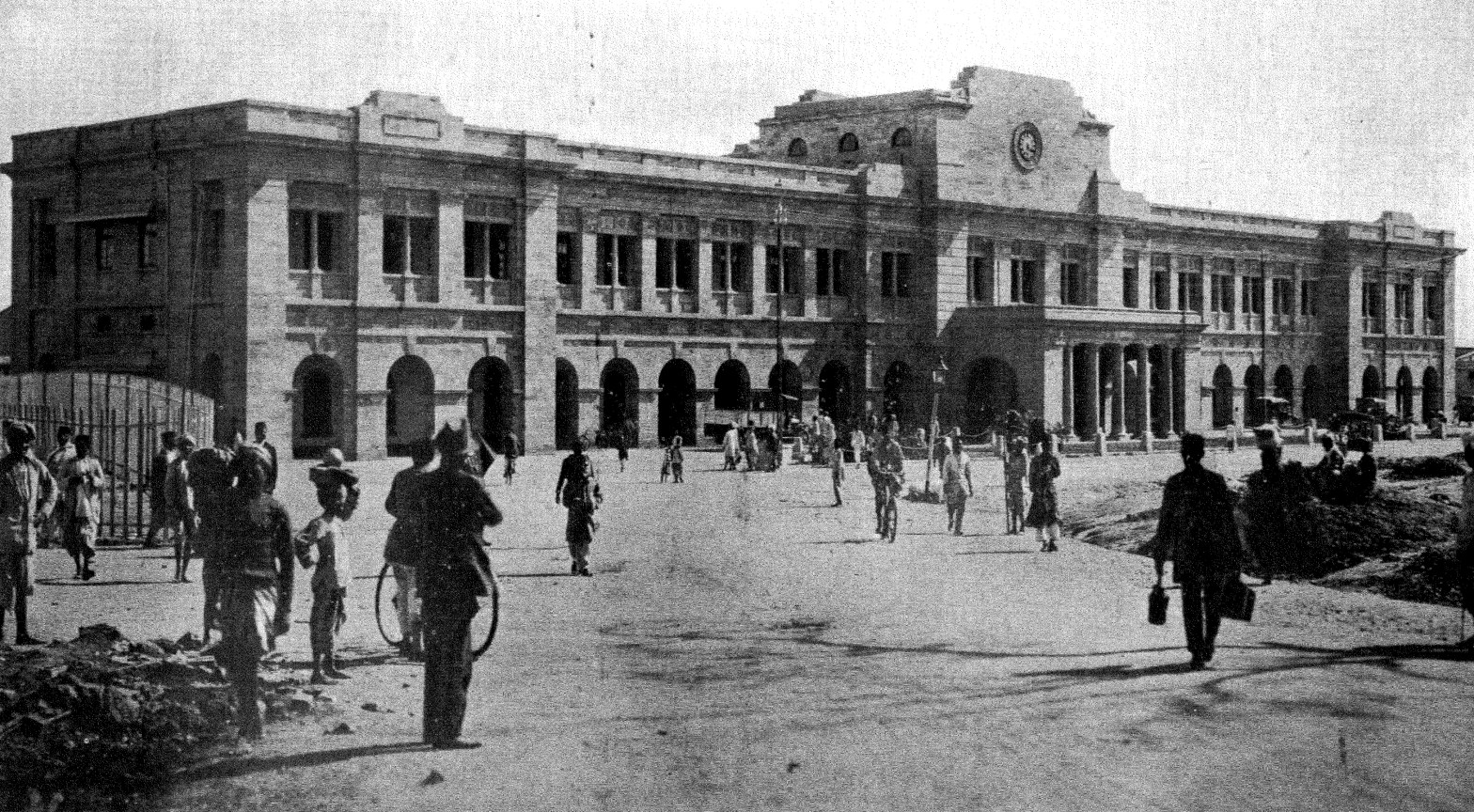
Central India includes today’s Madhya Pradesh, parts of Uttar Pradesh, and Vidarbha in Maharashtra. Here, railways were built for movement. They connected north–south and east–west corridors, offered military mobility (especially after 1857), coal transport and effective administrative integration.
Nagpur Railway Station
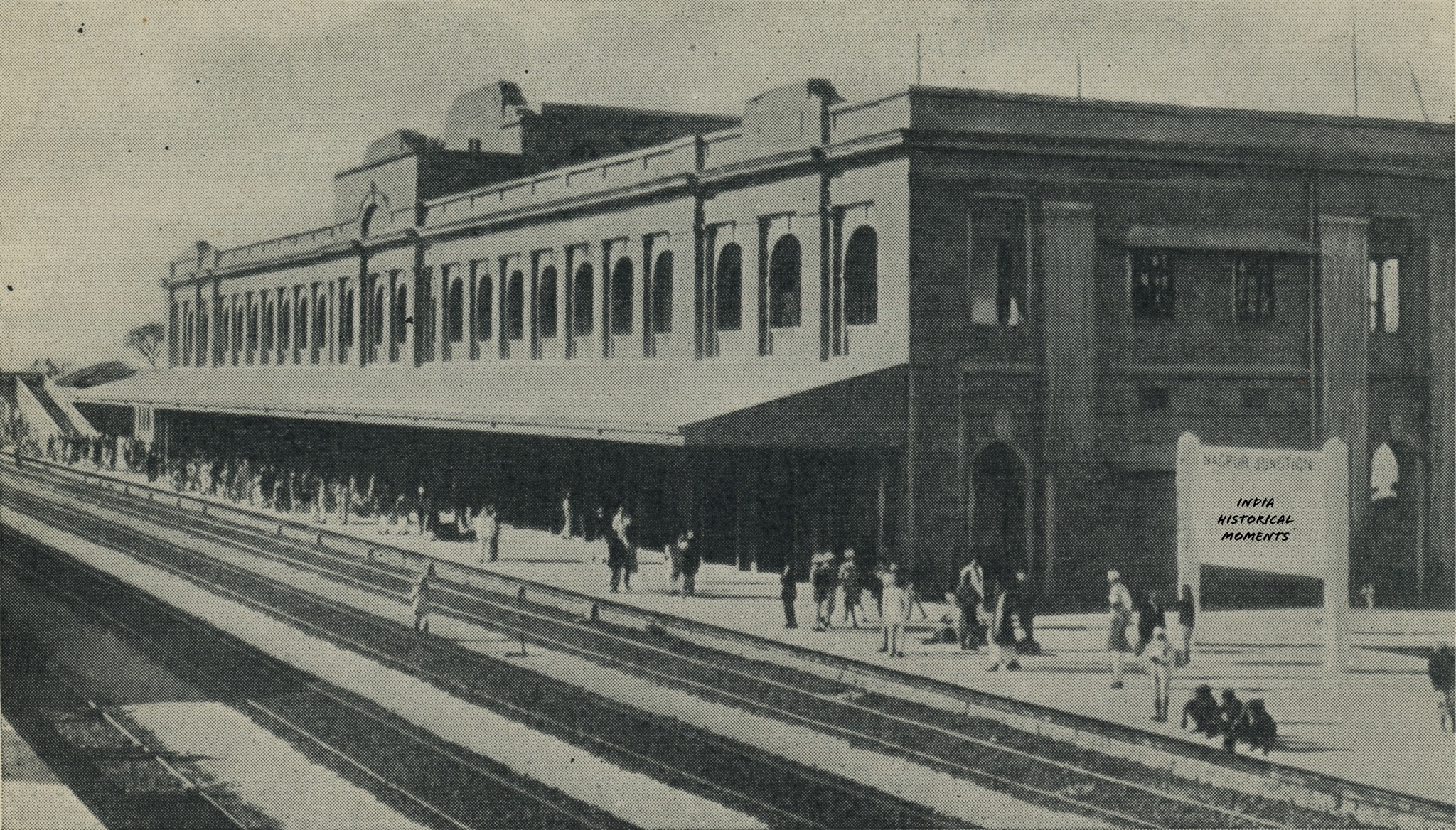
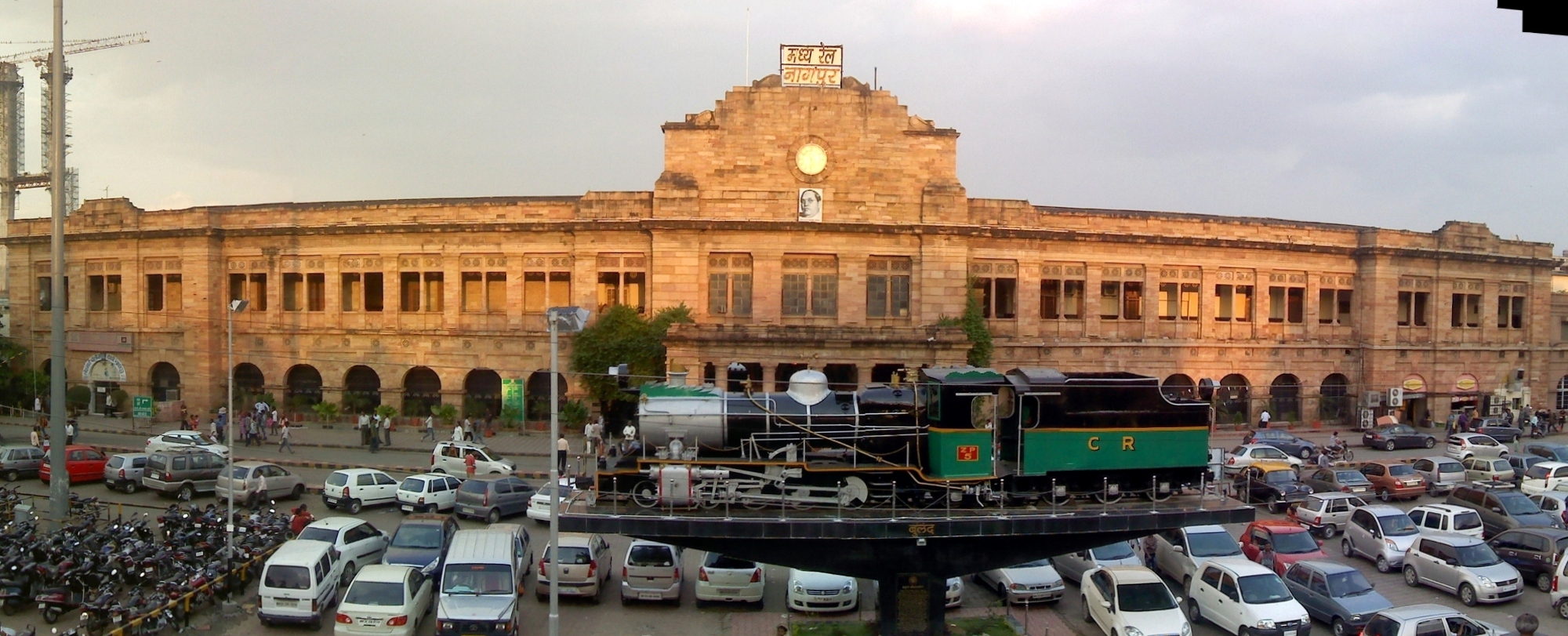
Nagpur sits almost at the geographical centre of India and the British knew this early. Opened in 1867, the Nagpur railway station became one of the most strategic junctions in India.
Why Nagpur Mattered
- Connected Bombay to Calcutta corridor
- Linked cotton belts of Berar
- Later integrated into the Howrah–Mumbai trunk route
The original station reflected colonial masonry, arched verandahs and functional symmetry. Though modernised today, early Nagpur station design was built for heavy freight and long-distance travel.
Explore Around
- Zero Mile Stone (marker of India’s geographical centre)
- Sitabuldi Fort
- Deekshabhoomi
- Seminary Hill
Itarsi Junction Railway Station
Built around 1870’s, Itarsi is a key junction and it is here that the North–South lines intersect with East–West lines. It connects Delhi–Chennai corridor, links Mumbai–Howrah route and is a major freight interchange.
Early structures were brick-built and had long platform sheds. It is a station designed around tracks. When dad was posted at Ahmednagar, most of our trains stopped here for long periods of time for interchange etc.
Explore Around
- Tawa Reservoir
- Satpura forests
- Pachmarhi (via road)
Did you know: Many freedom fighters and underground networks used junction towns like Itarsi for movement during the independence struggle.
Jabalpur Railway Station
Opened in 1867 under the East Indian Railway expansion, Jabalpur linked Central India to eastern coal belts and northern corridors.
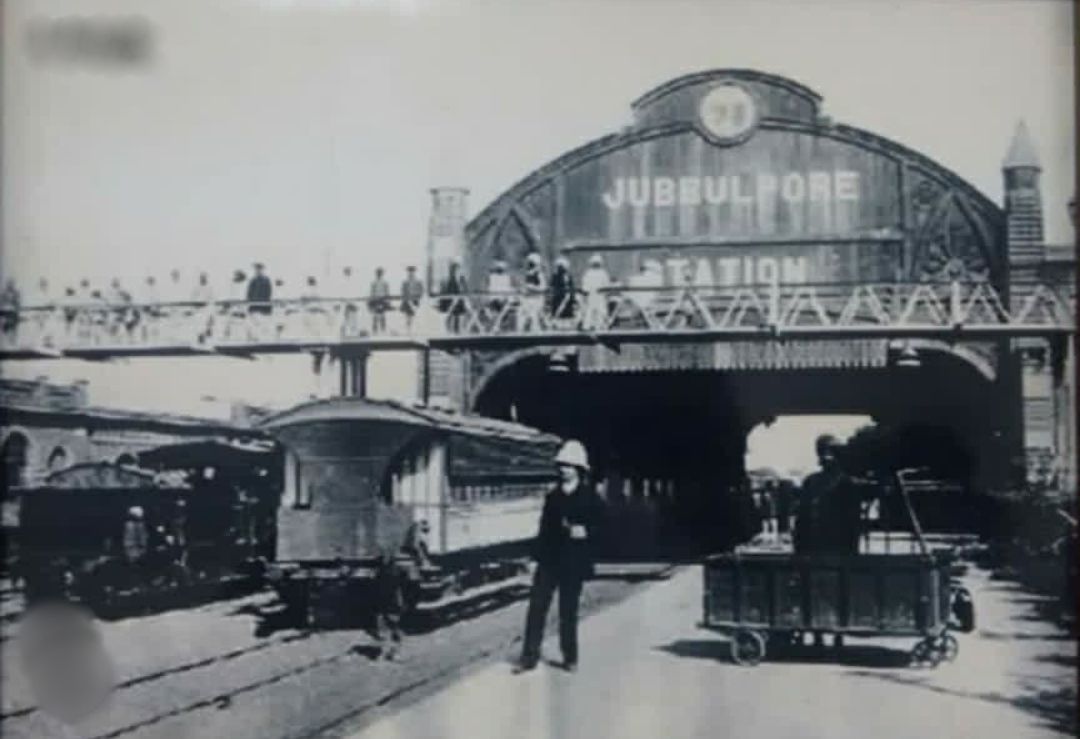
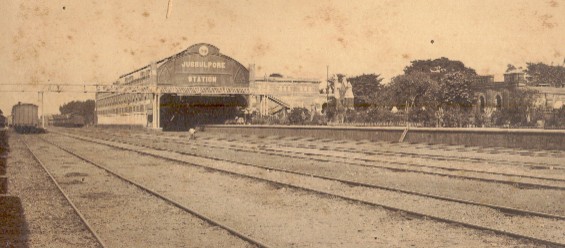
Jabalpur was close to military cantonments, offerred a gateway to marble-rich Narmada valley and made it easy to transport coal transport from nearby regions. Railways here strengthened Jabalpur’s military and administrative relevance.
Explore Around
- Marble Rocks at Bhedaghat
- Dhuandhar Falls
- Madan Mahal Fort
- Rani Durgavati Museum
Jhansi Junction Railway Station
Developed as major junction in 1880’s, Jhansi was linked under Indian Midland Railways.
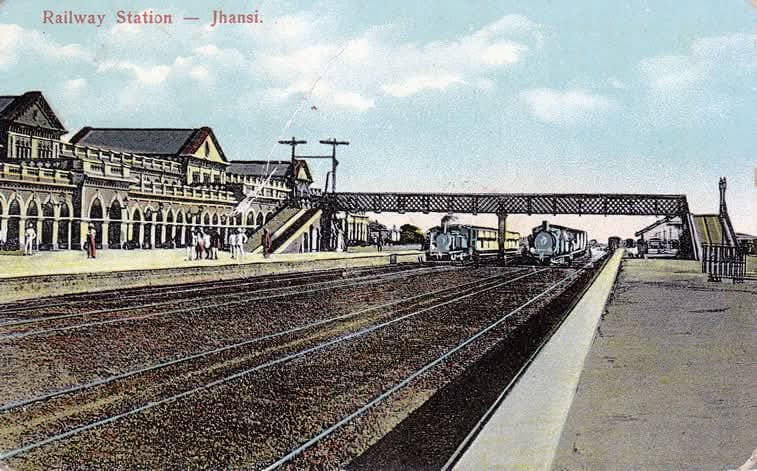
Jhansi sits at a historical crossroads of Bundelkhand. After the Revolt of 1857 when Rani Lakshmibai played a pivotal role, the railway expansion became even more urgent. Jhansi Mattered for military troop movement, gain control over Bundelkhand and offered link between Delhi, Bombay, and Central India.
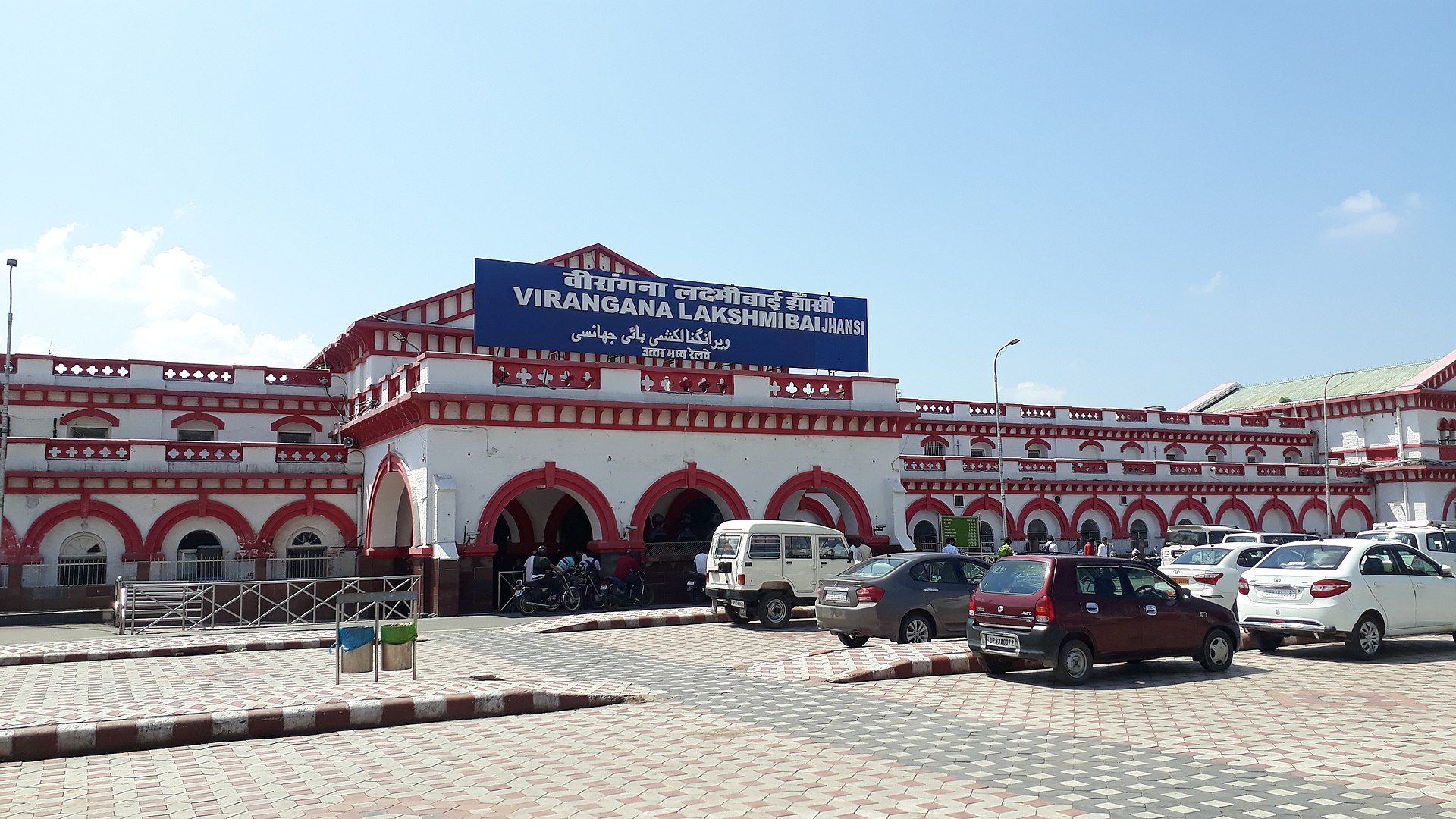
Railways here were about control after rebellion.
Architectural Character includes stone façade, colonial arches and classic extended platforms.
Explore Around
- Jhansi Fort
- Rani Mahal
- Orchha (nearby heritage town)
Bhopal Railway Station
Bhopal was a princely state ruled by Begums for much of the 19th century. Bhopal’s railway story reflects collaboration between princely rulers and British companies.
Railways here reflect negotiated modernisation rather than direct presidency control. It offered administrative mobility, trade expansion and integration into national corridors.
Explore Around
- Upper Lake
- Taj-ul-Masajid
- Shaukat Mahal
- Tribal Museum
*Feature Image is of Nagpur Station in 1925 from a Facebook page
Discover more from GoTravelTrek
Subscribe to get the latest posts sent to your email.
