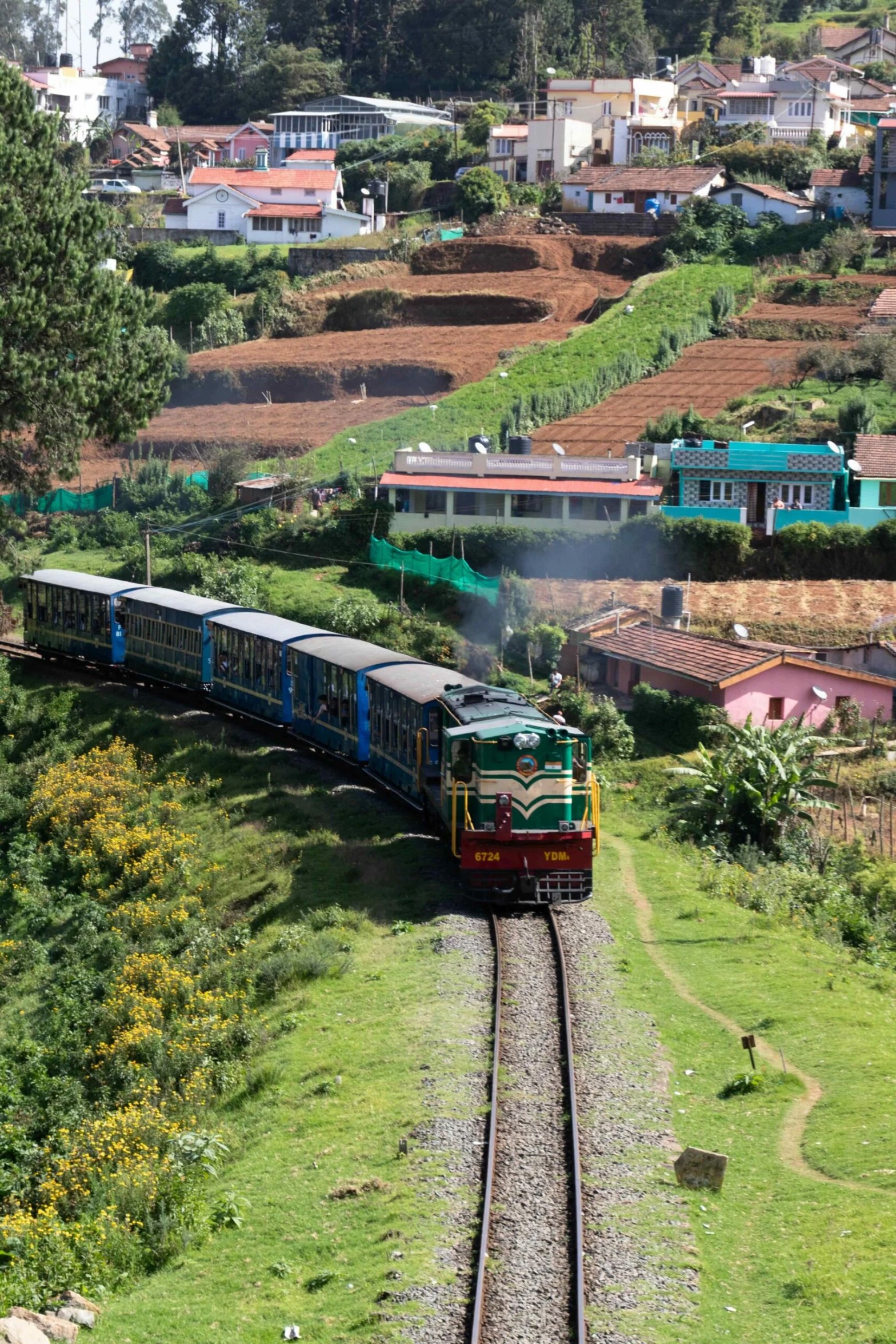
Railway stations in South India are quieter than northern political hubs but equally powerful.
Chennai Central Railway Station
Madras (now Chennai) was one of the three major British presidencies alongside Bombay and Calcutta. This station reflected that status.
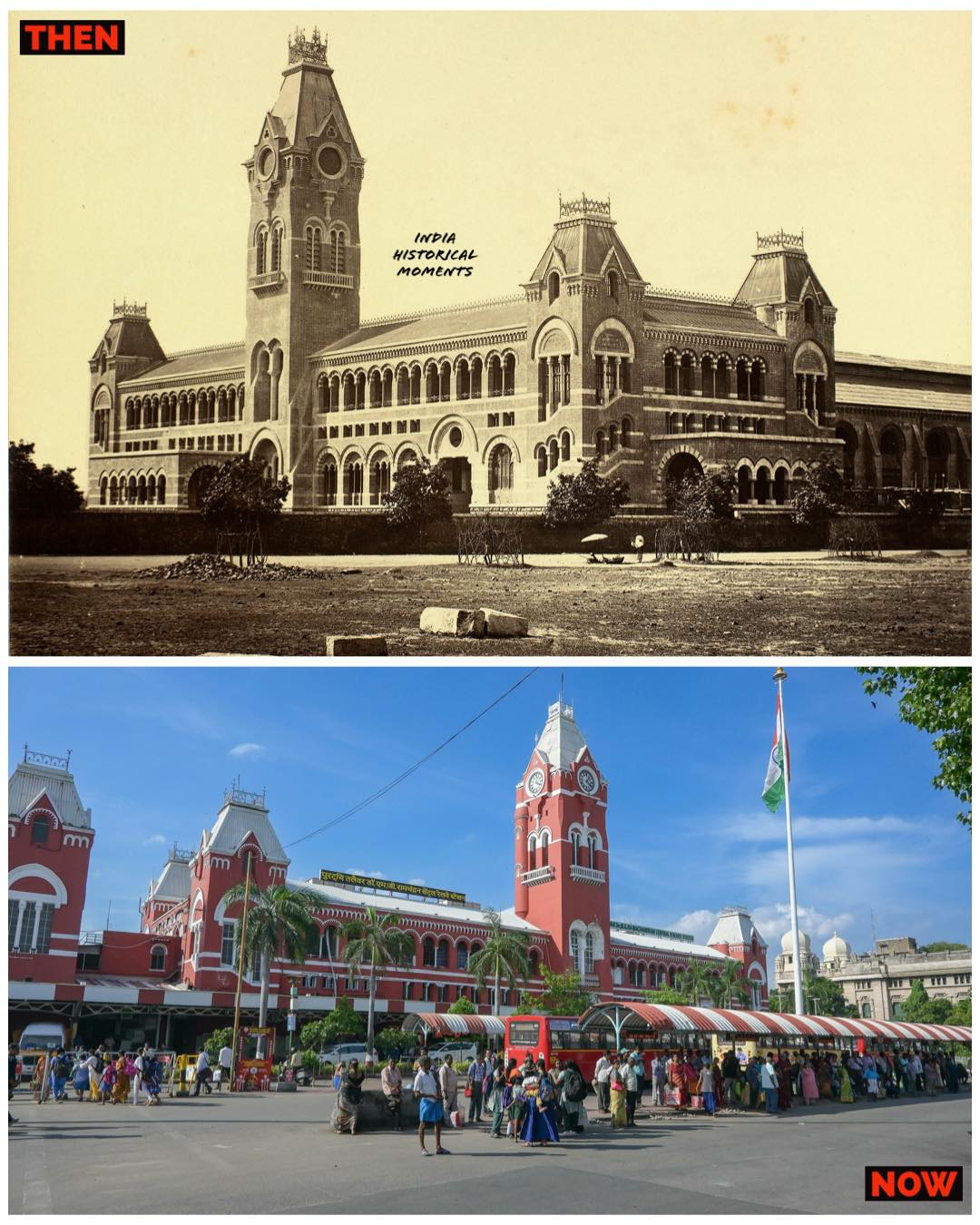
Opened in 1873 (expanded in 1900s), this station became the primary terminus of the Madras Presidency. Its red-brick façade and towering clock structure ((added in 1895) are instantly recognisable.
Designed by British architect George Harding, the building was meant to project order and permanence. Pointed arches, ribbed vaulting and symmetrical red-brick façade makes it a stunning building.
From here cotton exports moved to the port, troops departed during colonial campaigns, labour migration to plantations increased and coastal trade networks expanded.
Explore Around
- Fort St. George (first British fortress in India)
- Parry’s Corner heritage walk
- Georgetown colonial streets
- Marina Beach sunrise
- Armenian Church (hidden colonial relic)
Royapuram Railway Station
Opened in 1856 Royapuram Railway Station is South India’s oldest surviving station. It was built close to the harbour prioritising maritime connectivity. It is the second oldest railway station currently operational in India after Howrah railway station situated in Howrah, West Bengal.
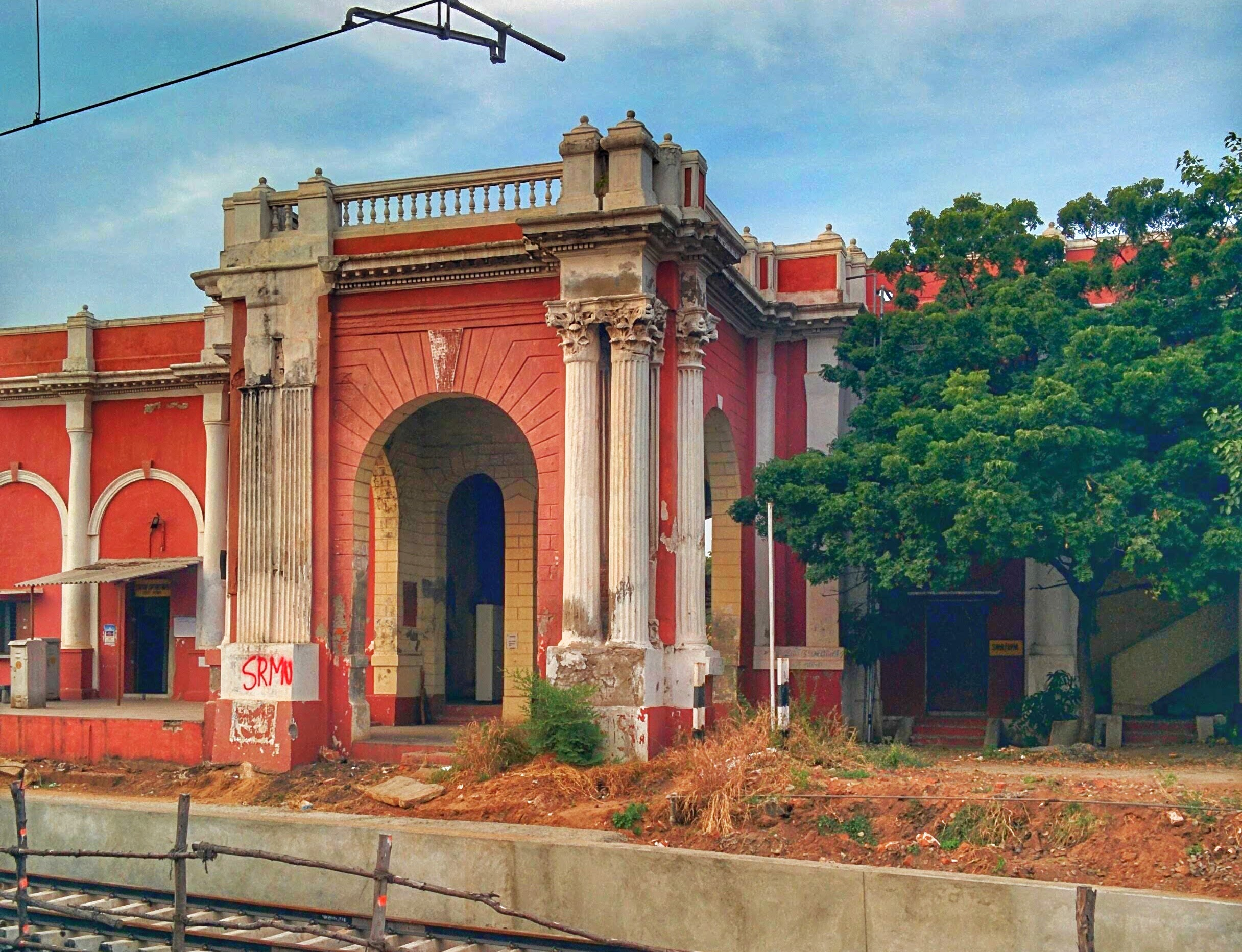
Before Chennai Central existed, Royapuram was the main terminus of the Madras Railway. Its architecture is restrained yet elegant with high ceilings for ventilation, classical colonial façade, impressive doric-style pillars and classic wide verandahs.
Today, it stands quieter, almost forgotten but locals still refer to it as a heritage treasure waiting for restoration.
Explore Nearby
- Kasimedu fishing harbour
- North Chennai cultural trails
- Old port zones
- Street seafood markets
Egmore Railway Station
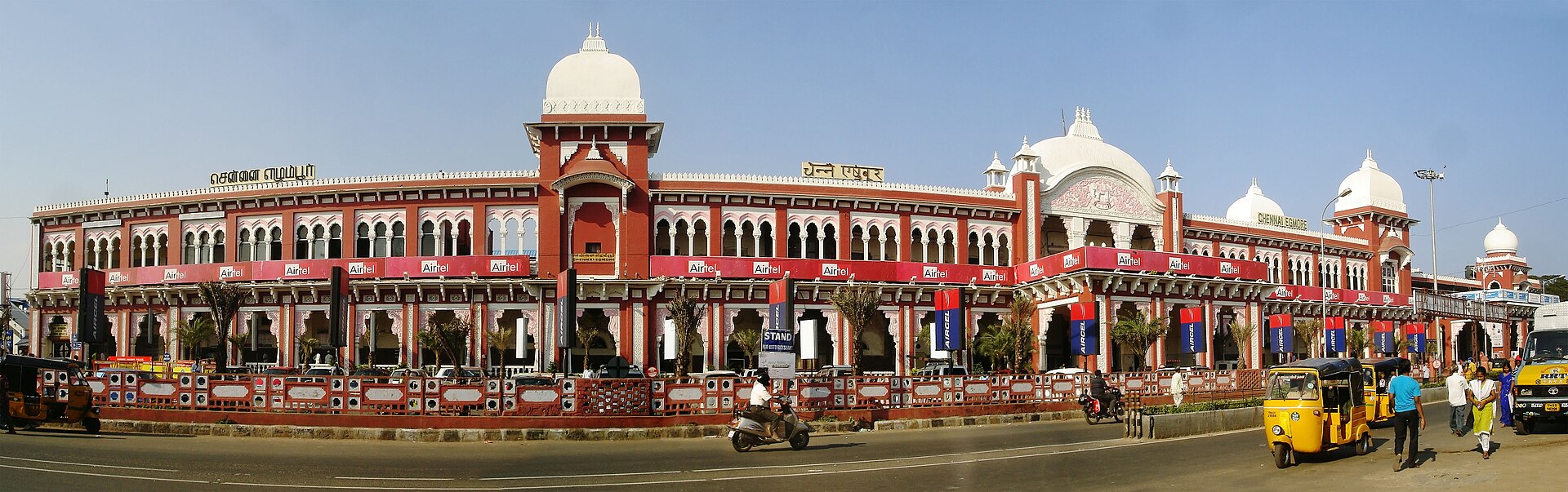
Opened in 1908, Egmore is one of South India’s finest examples of Indo-Saracenic railway architecture dressed in red and cream.
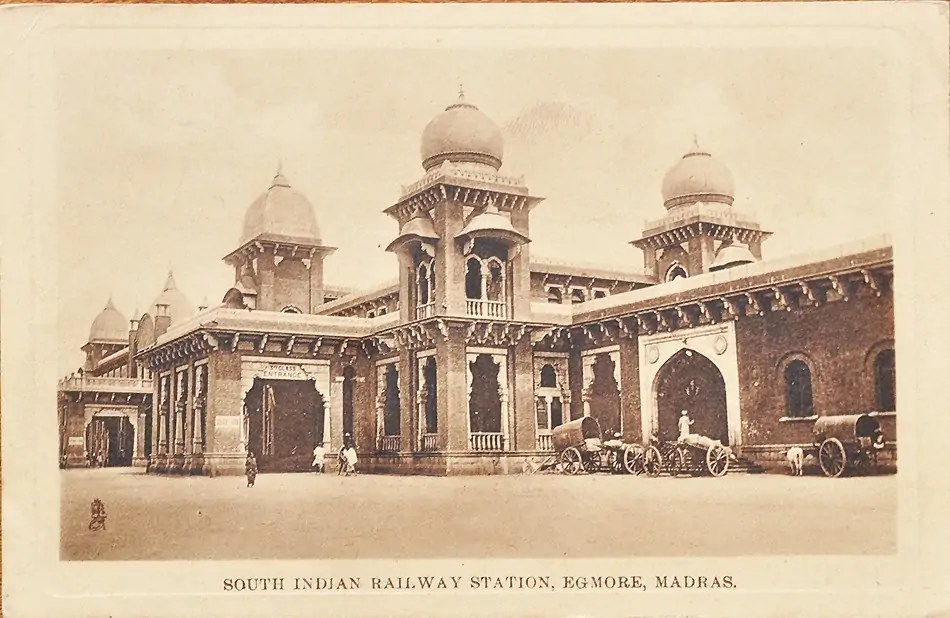
Egmore reflects a shift. By the early 20th century, the British were blending local motifs more consciously. They were creating hybrid architecture that looked “Indian” but functioned European. This wasn’t accidental but reflected visual diplomacy.
Explore Nearby
- Mylapore temple district
- Government Museum complex
- Pantheon Road colonial buildings
- Santhome Basilica
Nilgiri Mountain Railway
The Nilgiri Mountain Railway is often photographed for its blue coaches and dramatic curves. Opened in 1908, connecting Mettupalayam to Ooty, the Nilgiri Mountain Railway was extraordinary in its built.
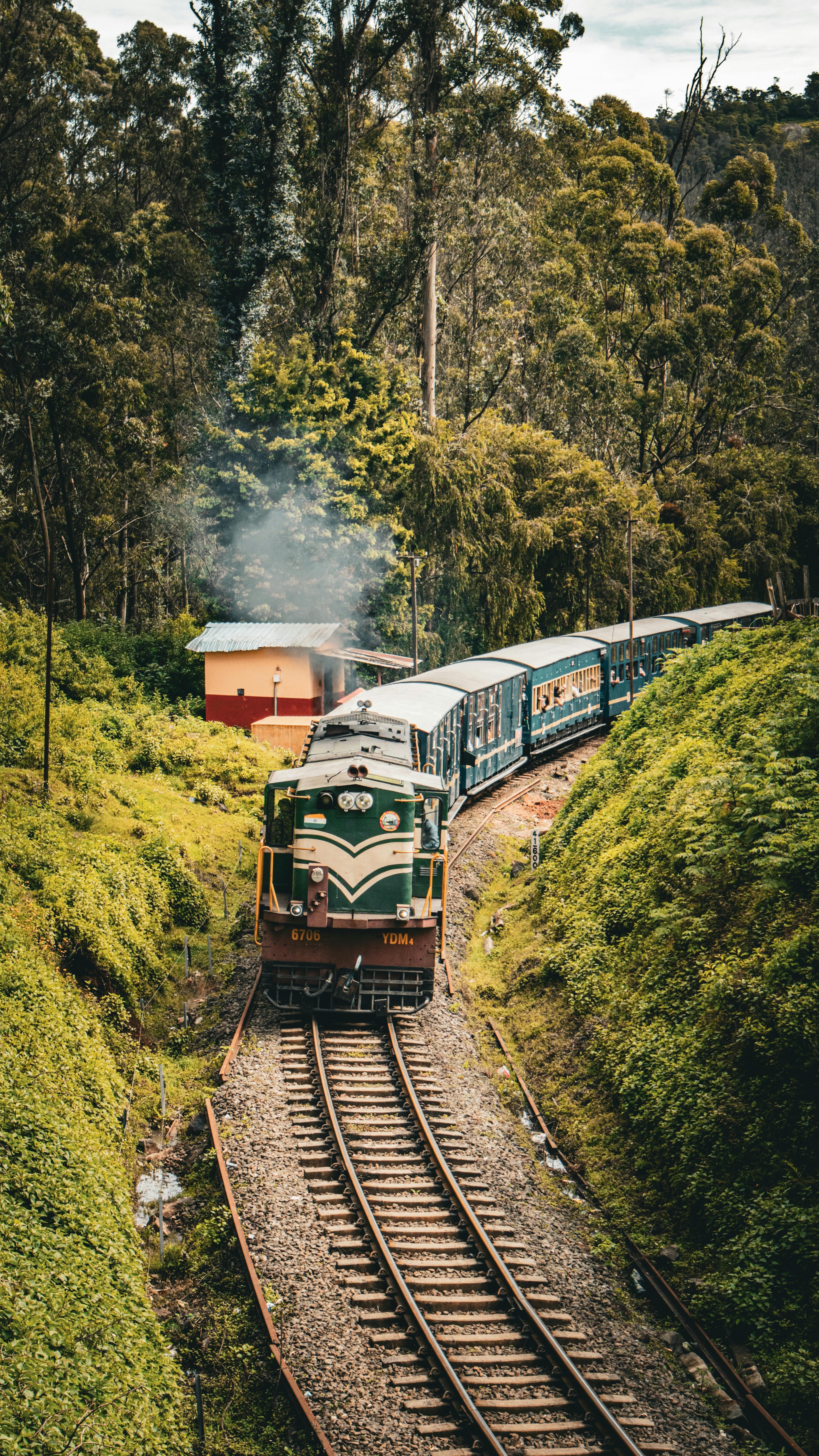
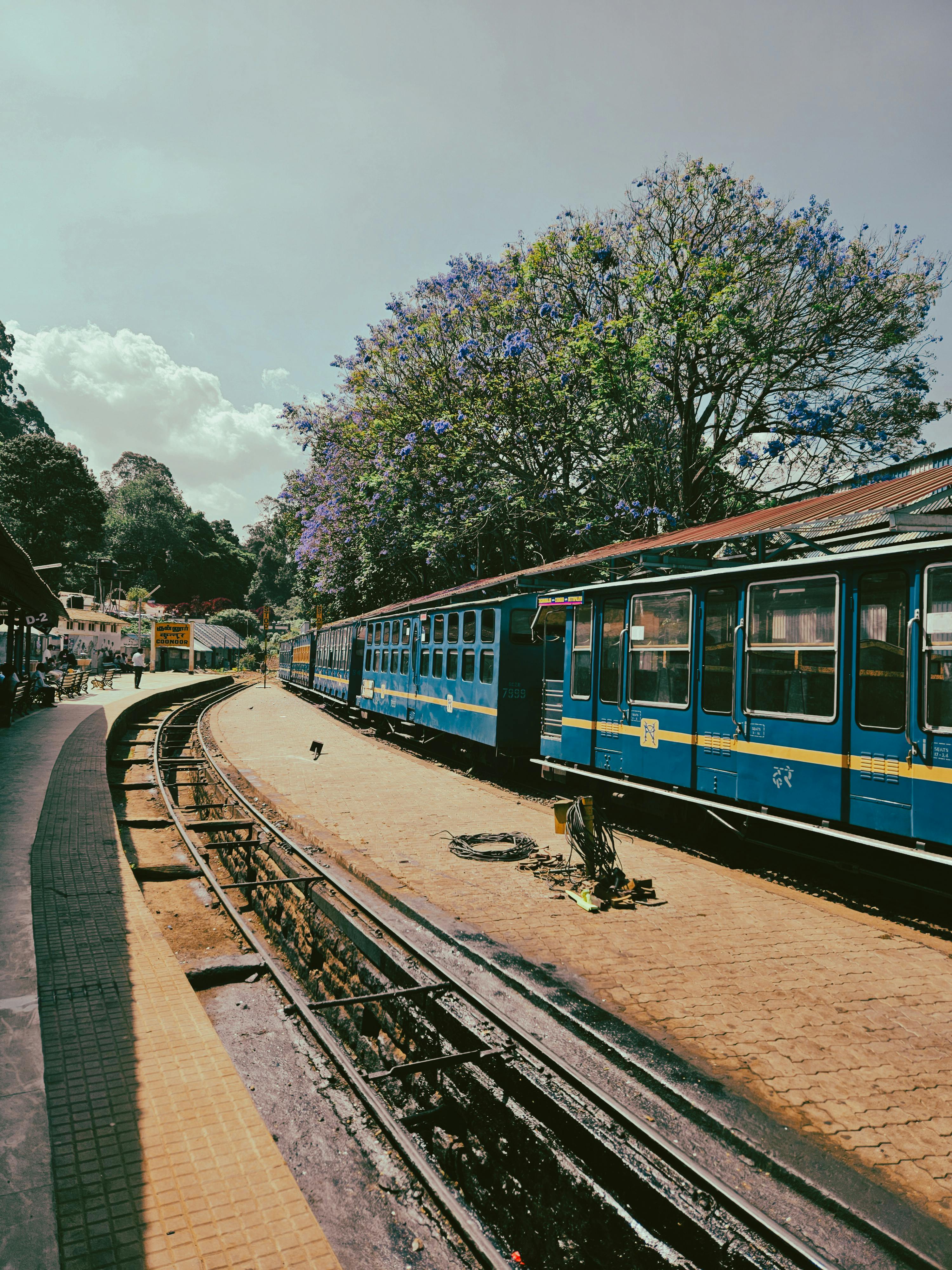
The slopes of the Nilgiris were steep, unpredictable, and unforgiving. To climb them, engineers introduced a rare rack-and-pinion system. It included a central toothed rail that allowed the train to steadily grip its way uphill. It doesn’t rush. It ascends deliberately, almost thoughtfully, as if aware of the terrain it is entering.
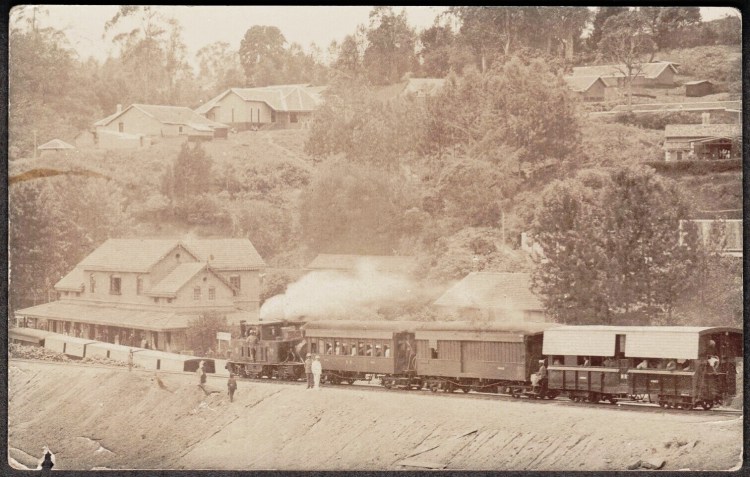
In 1854, plans were made to build a mountain railway from Mettupalayam to the Nilgiri Hills. However, it took the decision-makers 45 years to cut through the bureaucratic red tape and complete the construction. Learn more about its history here at https://en.wikipedia.org/wiki/Nilgiri_Mountain_Railway
The rhythm of this train is different. A journey on this track is not a commute but a passage in time.
Explore Around
- Ooty Botanical Gardens: where century-old trees stand like silent archivists of colonial summers
- Doddabetta Peak, where on clear mornings the horizon feels endless.
- Stone-built colonial churches, still holding Sunday hymns in quiet hill air.
- Tea factory tours offer you a chance to see how leaves are rolled, oxidised, and turned into the aroma that defines the region.
- Hidden forest trails where only birds and distant waterfalls interrupt the silence.
Some families in Coonoor trace ancestors who worked as railway maintenance staff — walking tracks daily. Before modern monitoring systems, these men inspected bolts and tightened joints manually, ensuring each section was safe. It was meticulous, invisible work no matter how the season was.
Mysuru Railway Station
Opened in the late 19th century when Mysore Kingdom aligned with British administration, the design of the station is simpler yet elegant.
It features arched colonnades, colonial symmetry and includes later additions with royal motifs.
The railway connected princely Mysore to Madras and Bangalore trade circuits. Railways here facilitated movement of silk, sandalwood, and administrative elites.
Explore Around
- Mysore Palace
- Chamundi Hill
- Devaraja Market
- St. Philomena’s Cathedral
Secunderabad Railway Station
Secunderabad became a major junction linking Hyderabad State with British India.
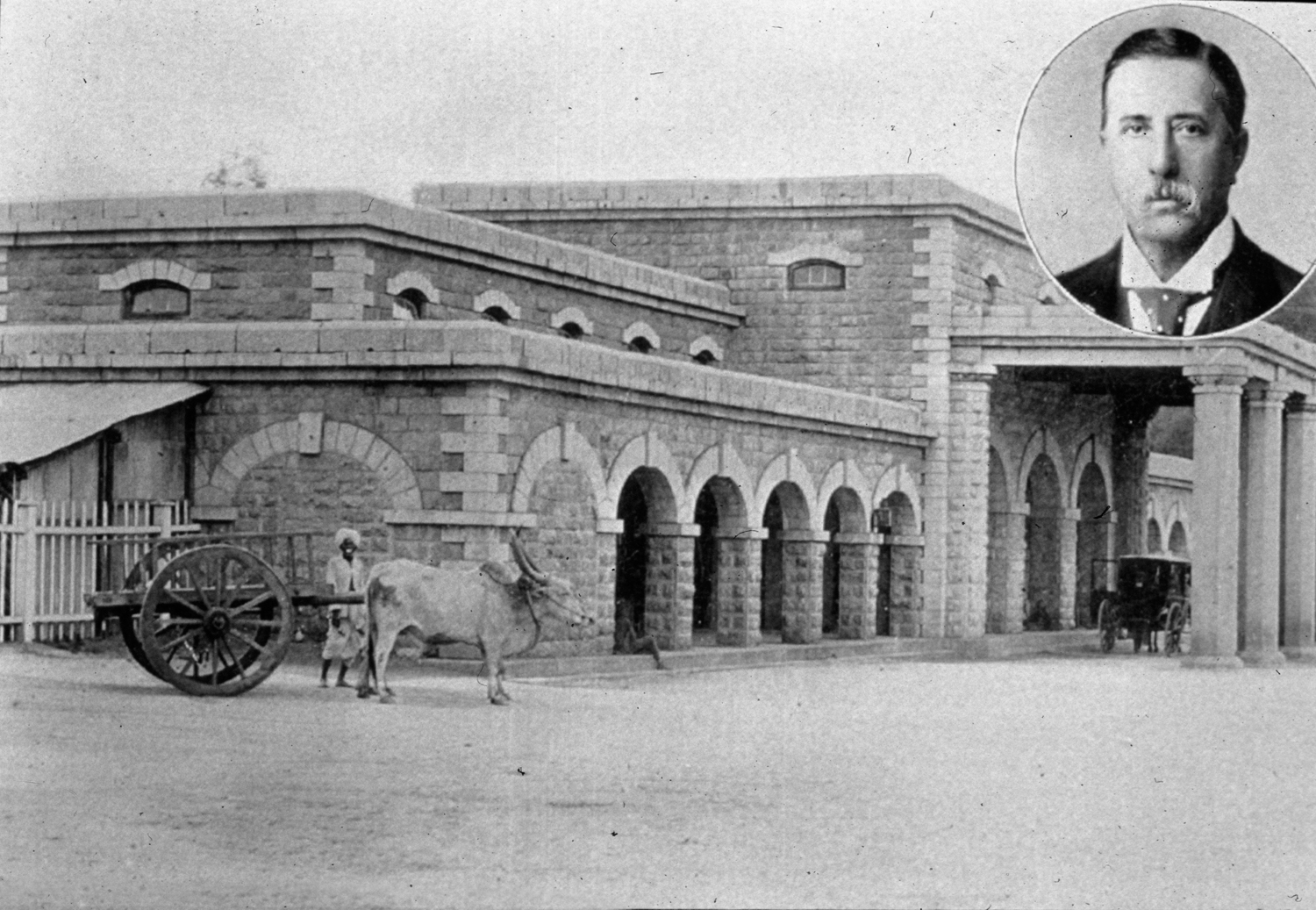
Opened in 1874, the Secunderabad railway station symbolises the collaboration between princely states and British rail companies. Railways here shaped military cantonment expansion more than civilian travel initially.
Explore Around
- Trimulgherry cantonment
- Hussain Sagar Lake
- Old Hyderabad bazaars
- Residency buildings
*Feature Image is of South India Toy train on way to Ooty, CC Arpan Sharma
Discover more from GoTravelTrek
Subscribe to get the latest posts sent to your email.
