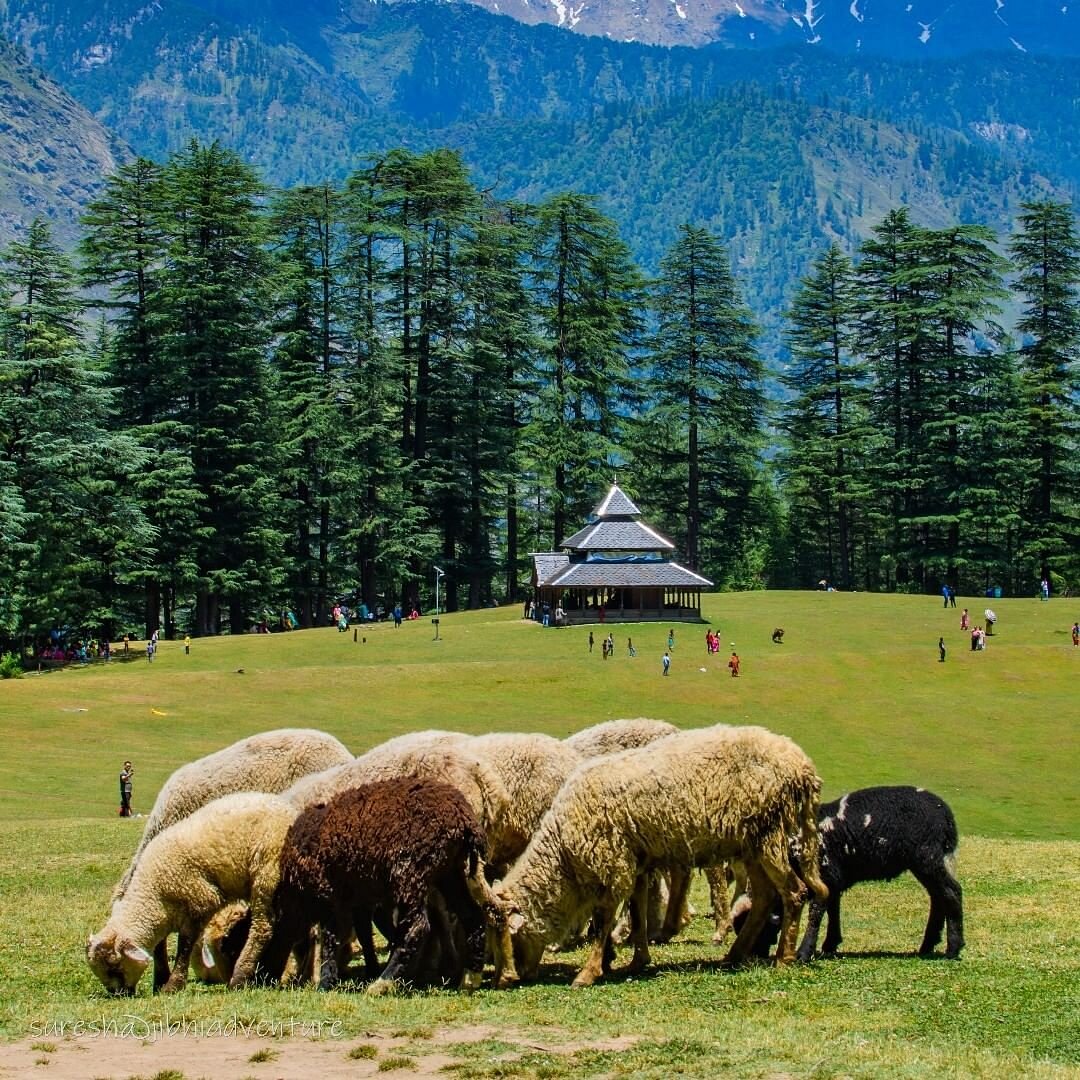
Sainj Valley sits about 45 kilometres from Kullu in the folds of the western Himalayas, cupped between Parvati Valley to the north and the increasingly Instagrammed Tirthan Valley to the south. Although on a popular route for advneture travellers, Sainj remains a less explored destination. The valley follows the Sainj River which is a cold,Continue reading "Lost in Sainj Valley"
Story of Madhubani Painting – From Village Walls to Global Galleries
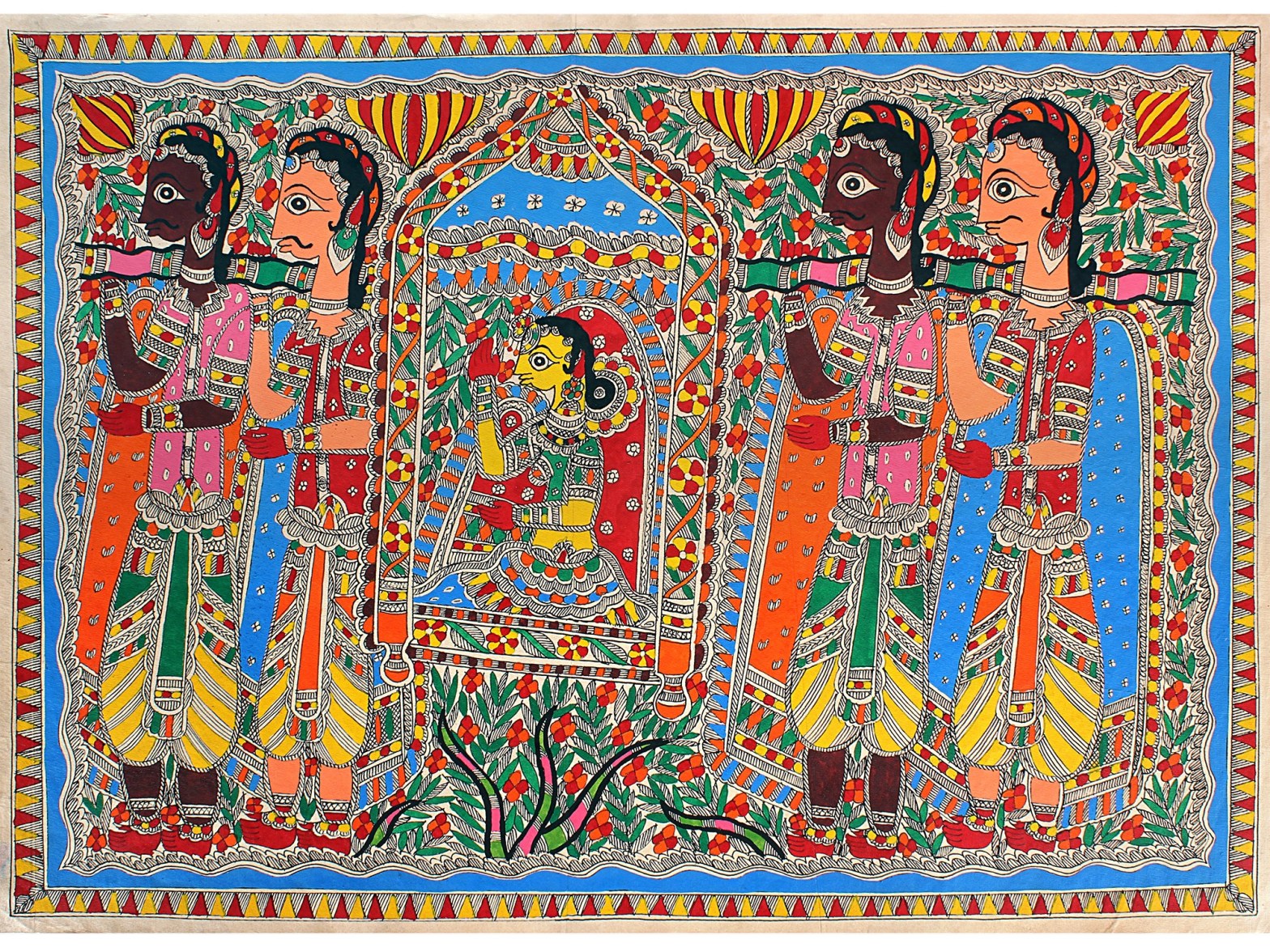
The word “Madhubani” means forest of honey, and the region hums with that sweetness of tradition and ritual. Welcome to the story of Madhubani painting, also known as Mithila art, a tradition that moved from village courtyards to international galleries without ever losing its roots. Local legend ties its origin to the wedding of SitaContinue reading "Story of Madhubani Painting – From Village Walls to Global Galleries"
Central India’s British-Era Railway Stations: Junctions of Strategy & Control
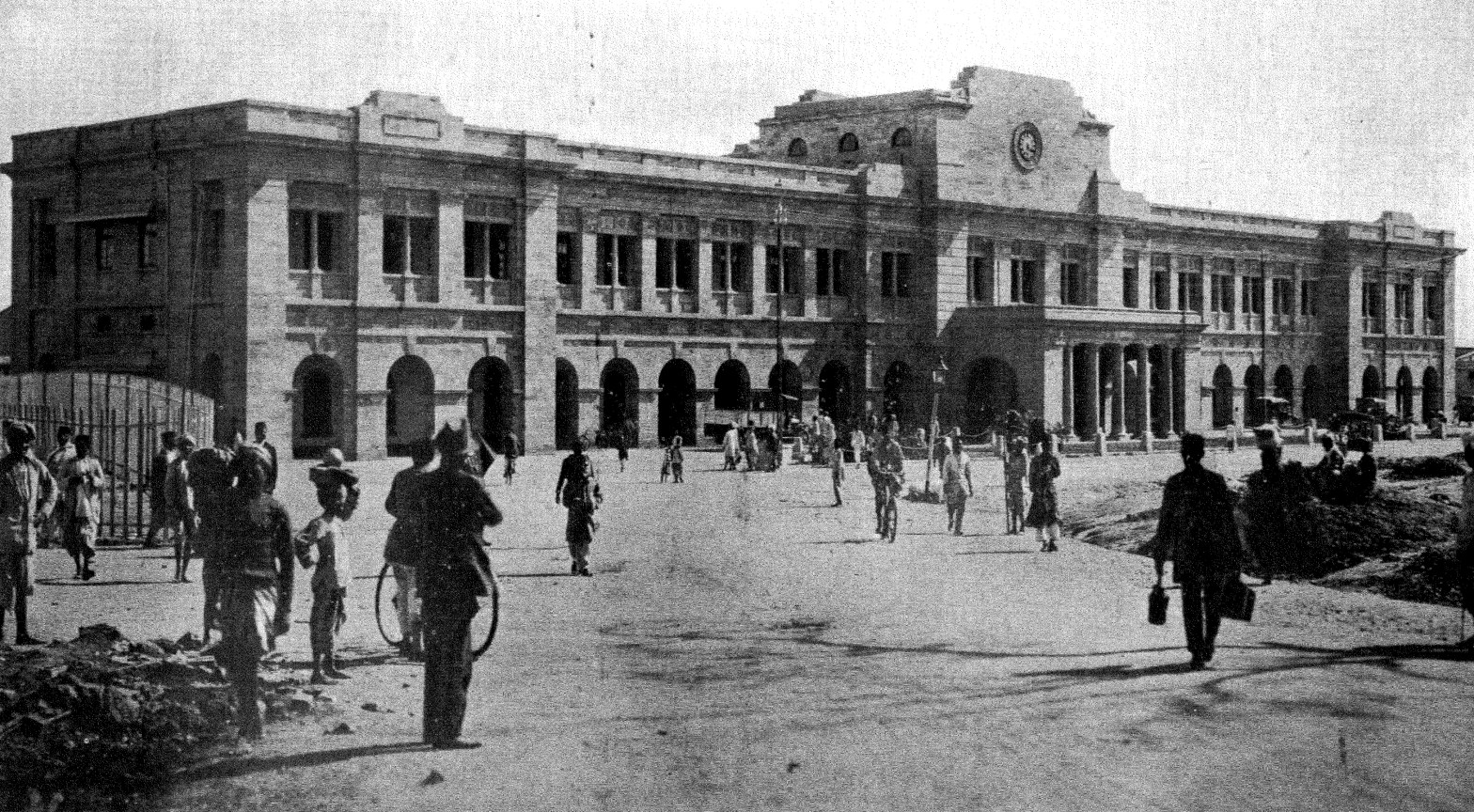
Central India includes today’s Madhya Pradesh, parts of Uttar Pradesh, and Vidarbha in Maharashtra. Here, railways were built for movement. They connected north–south and east–west corridors, offered military mobility (especially after 1857), coal transport and effective administrative integration. Nagpur Railway Station Nagpur Station 1930 Nagpur sits almost at the geographical centre of India and theContinue reading "Central India’s British-Era Railway Stations: Junctions of Strategy & Control"
Western India’s British-Era Railway Stations: Ports, Profit & Power
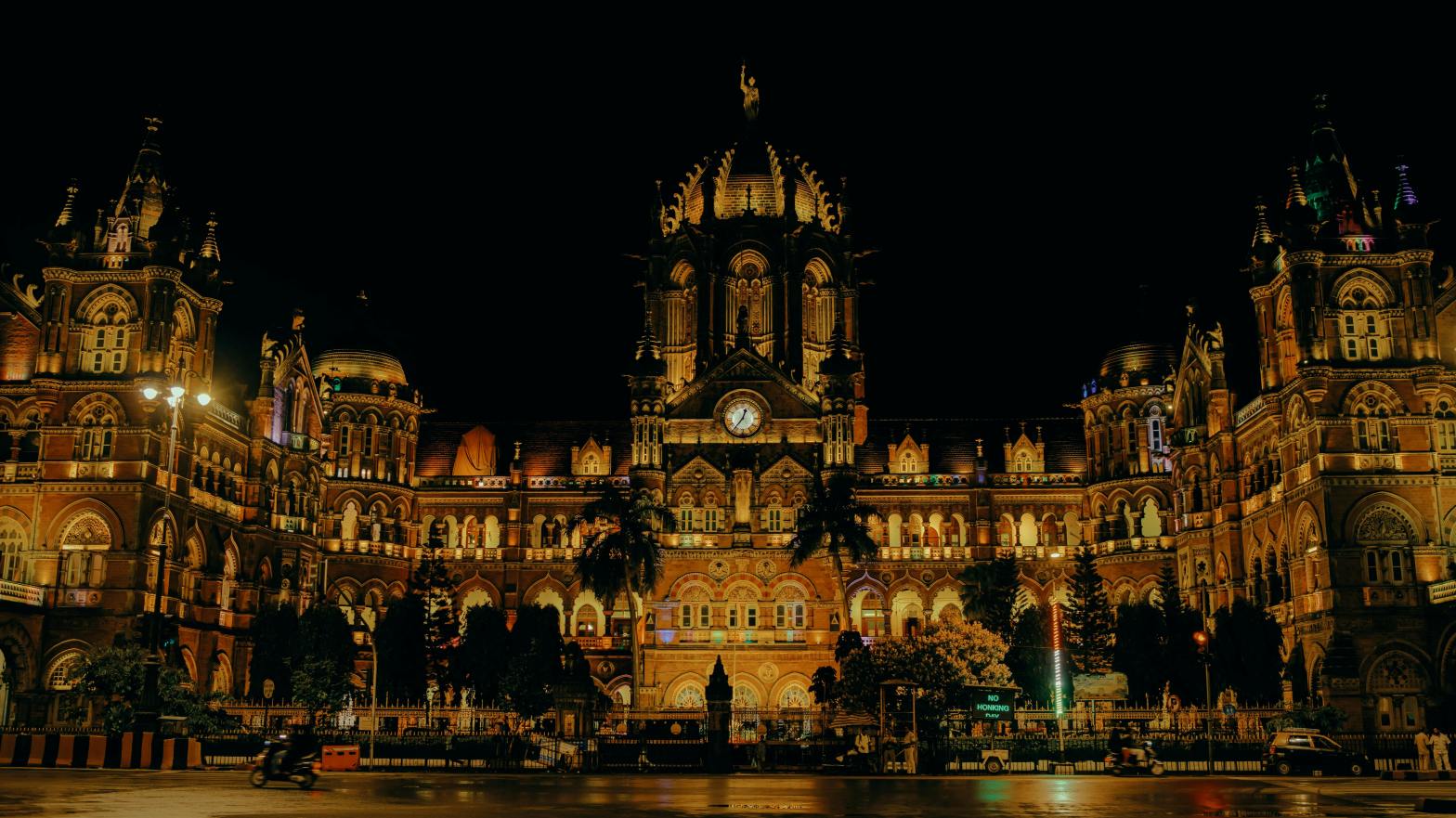
Western India’s railways weren’t ornamental. They were economic arteries. Chhatrapati Shivaji Maharaj Terminus (Formerly Victoria Terminus) Opened in 1887 to commemorate Queen Victoria’s Golden Jubilee, this perhaps is one of the most beautifully designed railway station in the world. Designed by Frederick William Stevens, this is not just a railway station but an imperial theatreContinue reading "Western India’s British-Era Railway Stations: Ports, Profit & Power"
South India’s British-Era Railway Stations: Ports, Plantations & More
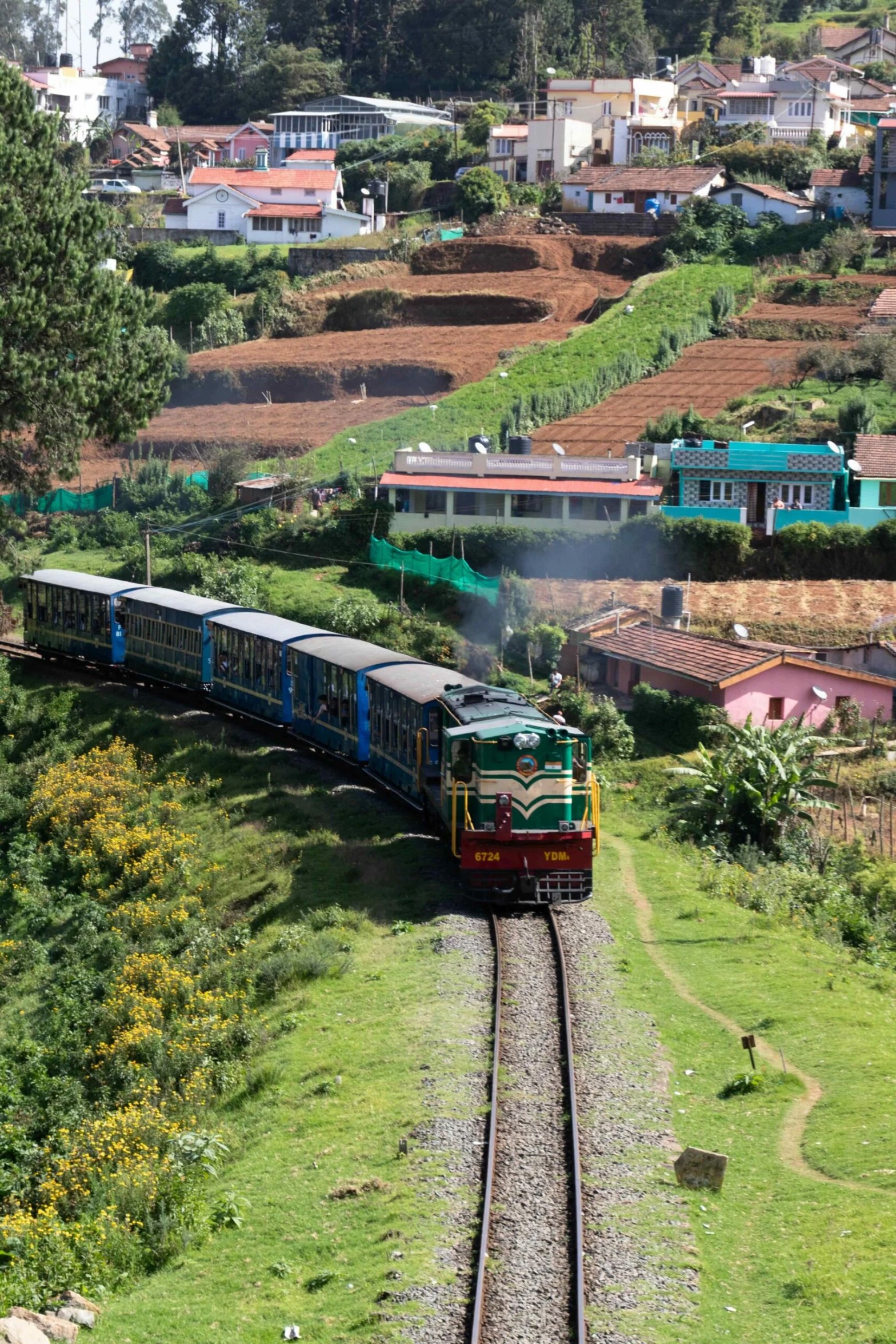
Railway stations in South India are quieter than northern political hubs but equally powerful. Chennai Central Railway Station Madras (now Chennai) was one of the three major British presidencies alongside Bombay and Calcutta. This station reflected that status. Image CC Facebook Opened in 1873 (expanded in 1900s), this station became the primary terminus of theContinue reading "South India’s British-Era Railway Stations: Ports, Plantations & More"
North India’s British-Era Railways: Where Empire Met the Himalayas
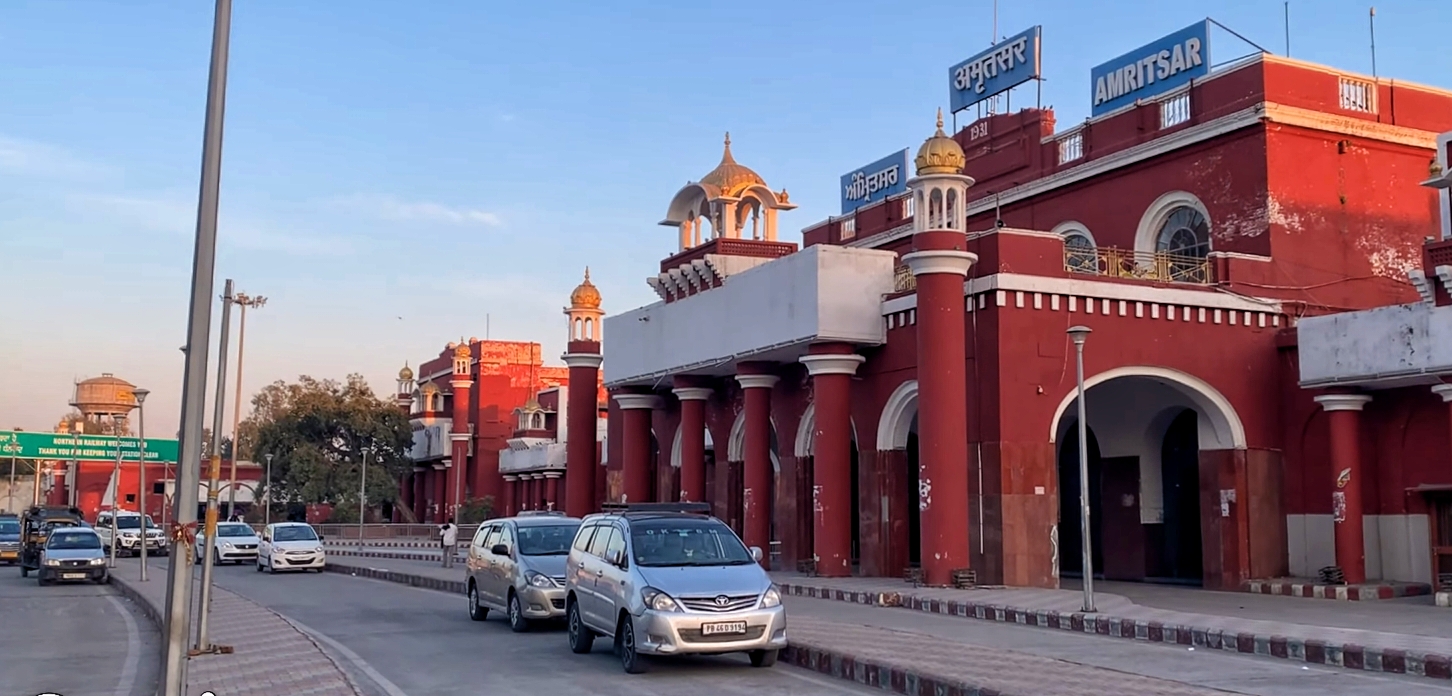
Let's journey through the railways that reshaped the North. Kalka–Shimla Railway When the British declared Shimla their summer capital in 1864, they faced a problem on how they can move the governance up the mountains. They cannot be using horseback forever! So they did what empires do best, they decided to built a railway lineContinue reading "North India’s British-Era Railways: Where Empire Met the Himalayas"
Eastern India’s British-Era Railway Stations: Rivers, Coals & More
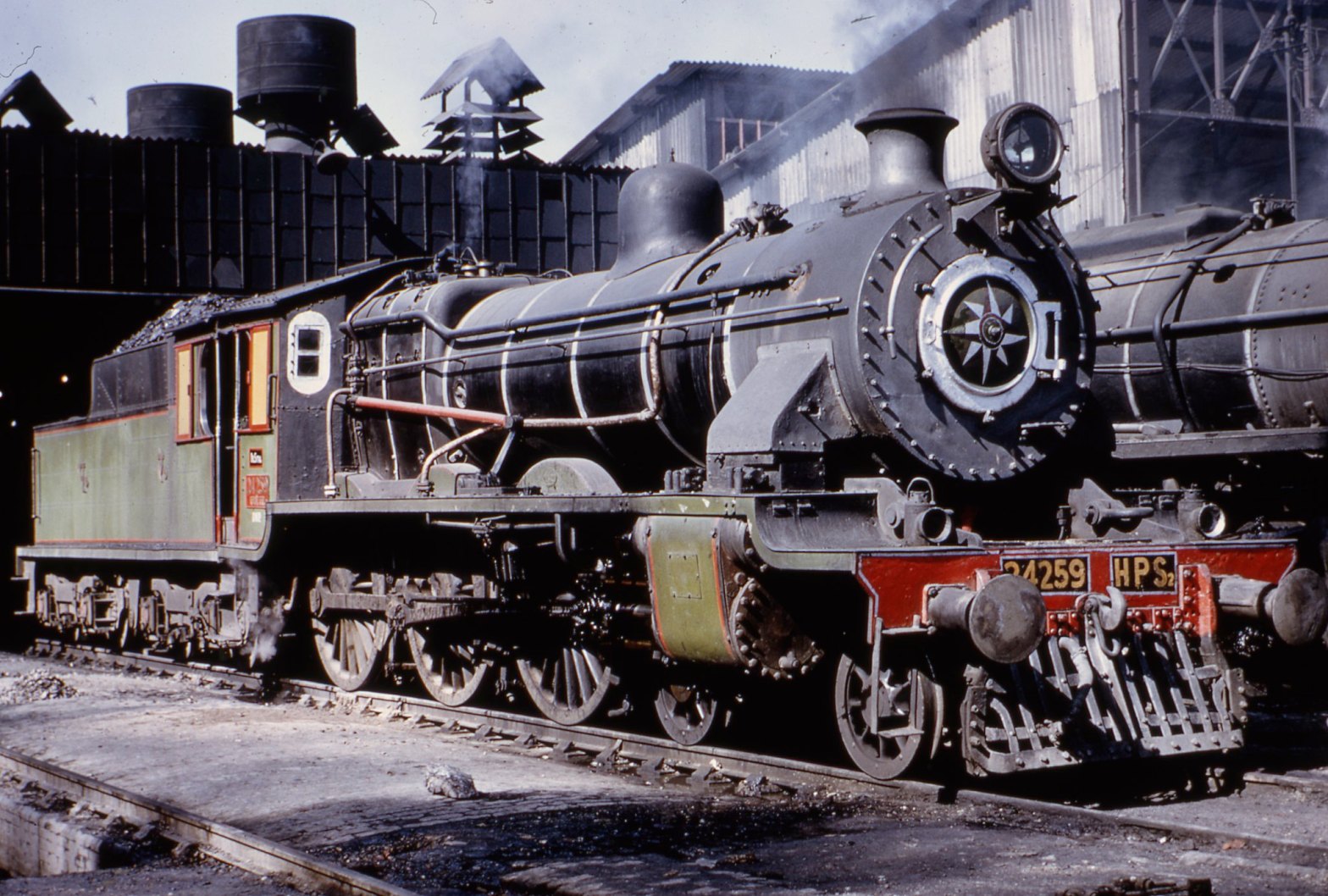
Eastern India’s railway story is older than most realise. The East Indian Railway Company became one of the most powerful railway enterprises in colonial India. Established in London on 1 June 1845 with a capital of £4 million, the East Indian Railway Company played a foundational role in introducing railways to eastern and northern India.Continue reading "Eastern India’s British-Era Railway Stations: Rivers, Coals & More"
Ashtavinayak: The Eight Sacred Ganesha Temples of Maharashtra
In the verdant landscape of Maharashtra, scattered across gentle hills, beside sacred rivers, and within ancient caves, lie eight extraordinary temples that together form one of India's most cherished pilgrimage circuits - the Ashtavinayak Yatra. This is a journey to temples through the many manifestations of Lord Ganesha, the beloved elephant-headed deity who removes obstacles,Continue reading "Ashtavinayak: The Eight Sacred Ganesha Temples of Maharashtra"
Mandal Village, Chamoli
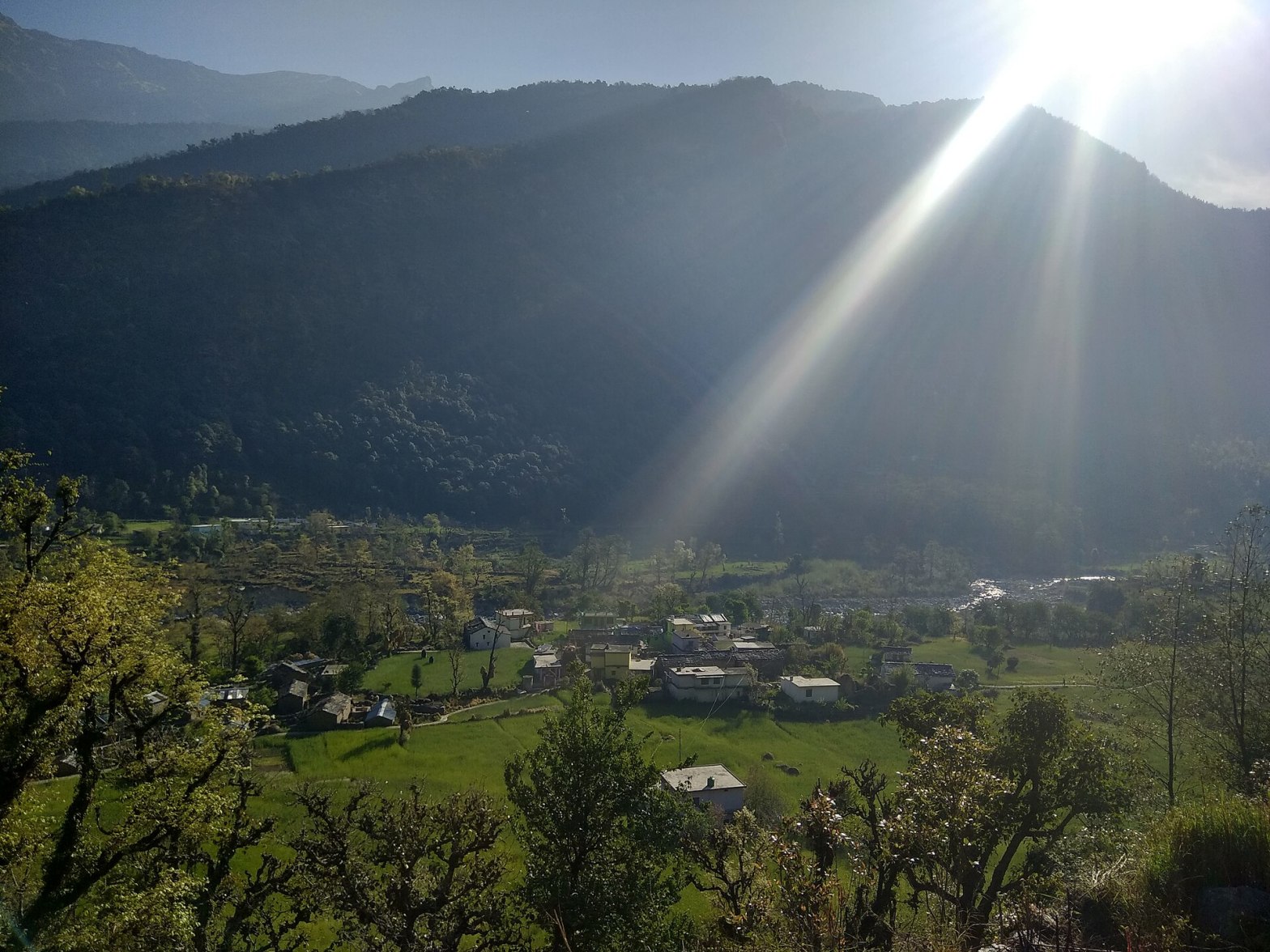
Mandal Village in Uttarakhand's Chamoli district serves as a base for nature and trekking enthusiasts, located near the Kedarnath Wildlife Sanctuary. It offers trails to Anusuya Devi Temple and Atri Muni Ashram, along with the scenic Panar Bugyal and the demanding Rudranath Temple trek. Accommodation is basic, with meals typically local.
Byunkhi: Explore Rural Village Life of Uttarakhand
Byunkhi is a quaint village located near Rudraprayag, Uttarakhand. Byunkhi isn’t a sightseeing destination. It is a living Himalayan village where life flows with the seasons, crops, rituals, and mountain weather. If you’re drawn to mindful travel, rural stories, or vanishing village cultures, Byunkhi will reward you. In fact, it was only in 2022 thatContinue reading "Byunkhi: Explore Rural Village Life of Uttarakhand"
Chamba Rumal: Art of Indian Storytelling in Embroidery
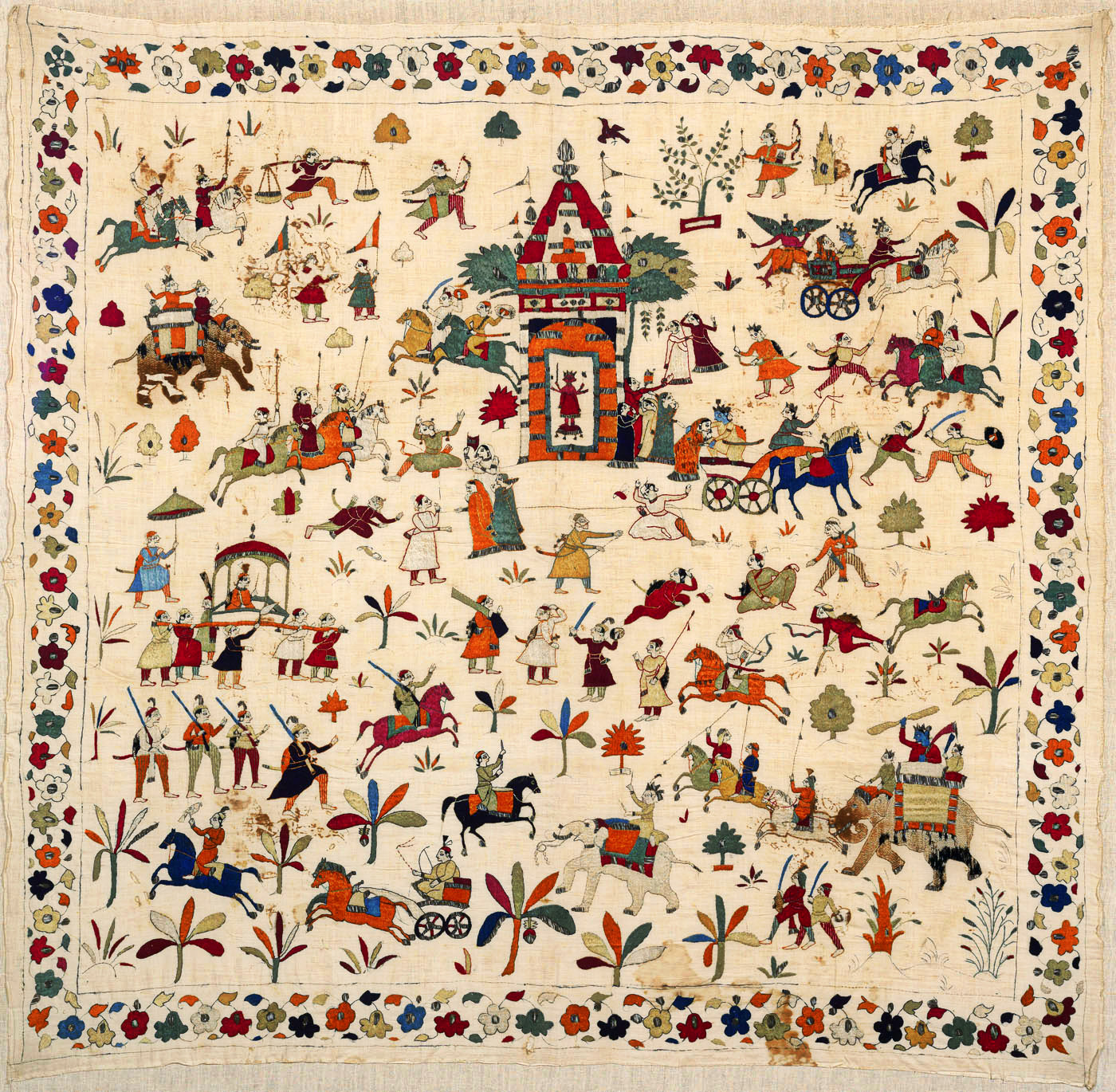
Chamba Rumal, a centuries-old embroidery from Himachal Pradesh, intertwines mythological narratives with exquisite silk threads. Notable for its reversible stitching and cultural symbolism, this art form reflects India's artistic heritage. Despite declining patronage, recent efforts have revived it, preserving artisan livelihoods and promoting the craft's significance in contemporary decor.
Exploring Khetri: Temples, Havelis, and History

Khetri is a forgotten town that offers a raw desert charm and a glimpse into our history. Tucked away in the hills of the Aravalli range in Jhunjhunu district of Rajasthan, Khetri has a lot to explore Think crumbling frescoed havelis and quiet villages waiting to be retraced. In recent decades, Khetri has gained popularity for itsContinue reading "Exploring Khetri: Temples, Havelis, and History"
