India has remarkable cultural diversity, with distinct traditions, arts, cuisine, and customs that vary across regions. In fact, India is home to twenty-two major languages and 720 dialects!
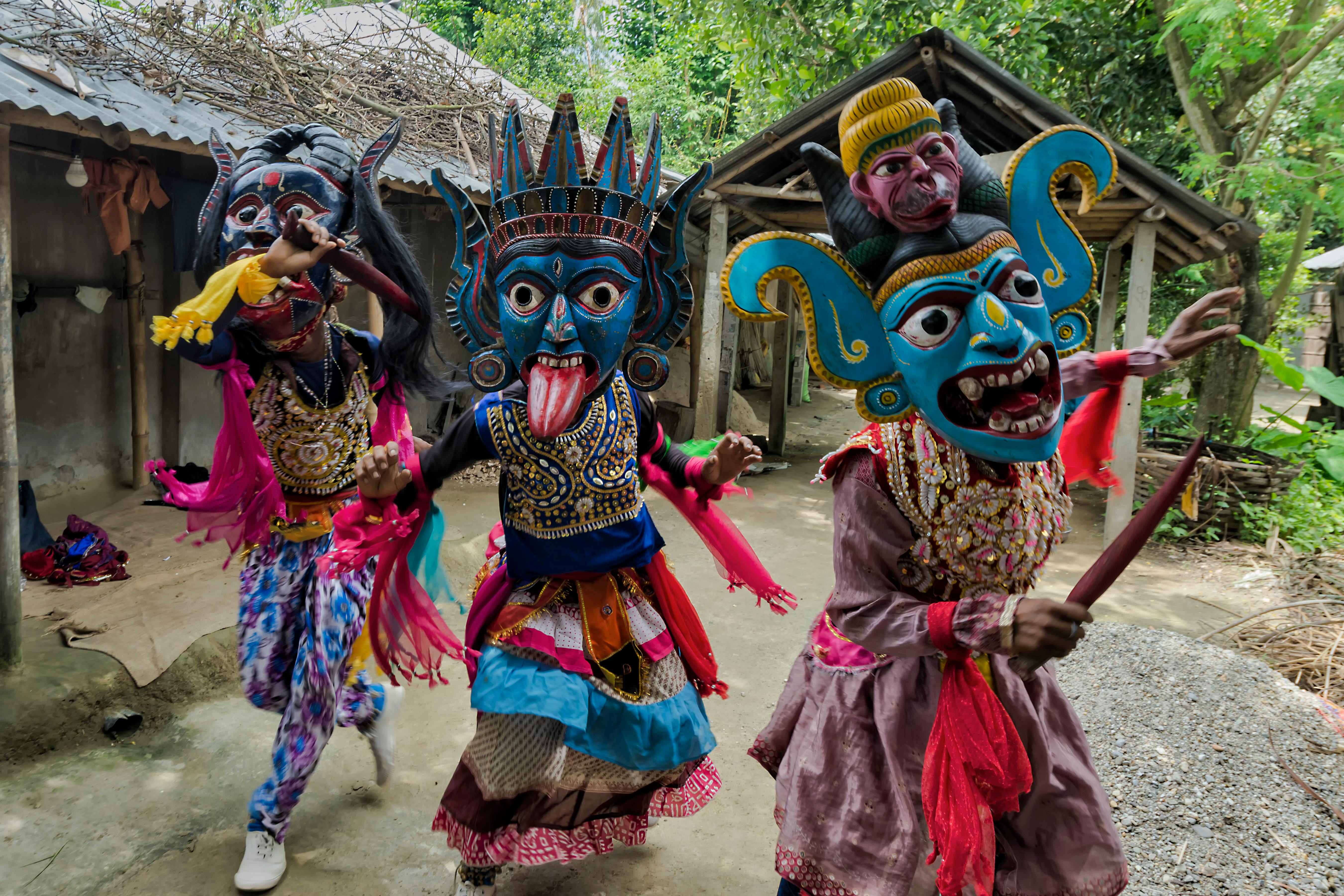
Here’s a short overview of India’s culture and heritage by region:
North India: A Land of Royal Kitchens, Living Traditions & Celebrations of Light
North India’s culture has been shaped by ancient kingdoms, Mughal influences, fertile plains, and sacred rivers. From the snow-fed Himalayas to bustling cities and rural heartlands, everyday life here is deeply tied to food, music, language, and festivals that mark the rhythm of the seasons.
Cuisine
Food in North India it is an expression of warmth, abundance, and togetherness. North Indian cuisine is known for its richness, warmth, and depth of flavour. It is designed to nourish both body and spirit.
Slow-cooked gravies, generous use of ghee, and aromatic spices define everyday meals as well as celebratory feasts. Iconic dishes such as butter chicken, dal makhani, and rajma chawal reflect Mughal and Punjabi influences, while tandoori cooking brings smoky flavours from clay ovens to the table.
Breads are central to the meal—naan, paratha, roti, and kulcha are often cooked fresh and shared communally. Meals traditionally end on a sweet note with syrup-soaked desserts like jalebi and gulab jamun, often served during festivals and family gatherings.
Music & Dance
North India has a strong tradition of storytelling through music and dance, blending classical refinement with folk expression.
Hindustani classical music forms the backbone of the region’s musical heritage, with ragas designed to evoke specific emotions and times of day.
Kathak, one of India’s major classical dance forms, originated in northern temples and courts, using intricate footwork and expressive gestures to narrate myths and historical tales.
Folk traditions like Birha from Uttar Pradesh reflect themes of longing and separation, often sung during communal gatherings.
From Punjab, energetic forms such as Bhangra, Giddha, and Jhumar celebrate harvests, weddings, and joy, with movements that mirror rural life and agricultural rhythms.
Festivals
Festivals in North India are vibrant, deeply symbolic, and community-led.
- Diwali, the festival of lights, represents the victory of good over evil and is marked by lamps, prayers, sweets, and family gatherings.
- Holi, the festival of colours, celebrates renewal, equality, and joy as people come together to welcome spring.
- Lohri and Baisakhi are closely tied to agricultural cycles, honouring harvests and new beginnings, especially in Punjab.
- Dussehra is brought to life through elaborate Ram Lila performances, where entire towns participate in retelling the epic of the Ramayana over several days.
Languages
North India is linguistically diverse, with languages acting as carriers of culture, poetry, and tradition.
- Hindi serves as a widely spoken language across states, with regional variations in accent and vocabulary.
- Punjabi carries the rhythm and resilience of Punjab’s cultural identity.
- Urdu, known for its lyrical beauty, has deeply influenced poetry, music, and literature in the region.
Alongside these are countless regional dialects that preserve local histories, oral traditions, and ways of life.
Did you know?
- Butter chicken was invented in Delhi in the 1950s using leftover tandoori chicken mixed with tomato gravy.
- Kathak dancers can wear up to 200 ankle bells on each leg for complex rhythms.
- Bhangra started as a celebratory harvest dance and also as a warrior energizer.
- Holi in some UP villages includes throwing coloured water at strangers first—a test of bravery.
- Jalebi was sold to train passengers in old India for a quick snack.
- In Jaipur, puppet shows called Kathputli date back over 1,000 years.
- The city of Varanasi has over 23,000 temples, each with its own rituals.
- Lassi in Punjab was traditionally served in earthen pots to keep it cool.
- Ram Lila performances in North India can last over a month, performed by entire villages.
- In Himachal Pradesh, apple orchards inspired folk songs about harvest and love.
- Punjabi weddings traditionally include a ritual called ‘Phere’ performed under an open sky to honour nature.
- The Red Fort’s walls in Delhi are said to have been built using 55 million bricks.
South India: Ancient Temples, Classical Arts & Coastal Traditions
South India’s cultural identity is shaped by centuries-old dynasties, maritime trade, sacred temple towns, and a deep continuity of language and ritual. Culture here is lived daily—through food served on banana leaves, music offered to deities, and festivals rooted in seasonal cycles.
Cuisine
South Indian cuisine is known for its balance, simplicity, and emphasis on rice, lentils, coconut, and fermented foods.
Staples like idli, dosa, vada, and sambhar form the backbone of everyday meals, while region-specific dishes such as Chettinad curries, Hyderabadi biryani, and Kerala seafood preparations showcase bold spice blends. Meals are traditionally served as a thali, offering multiple flavours such as sweet, sour, spicy & bitter which reflect Ayurvedic principles of balance.
Music & Dance
Carnatic classical music forms the soul of South Indian musical traditions, deeply devotional and structured.
Classical dance forms like Bharatanatyam, Kathakali, Kuchipudi, Mohiniyattam, and Yakshagana narrate epics through expressive gestures, costumes, and facial expressions.
Festivals
Festivals often centre around temples, reinforcing the sacred connection between community and place.
- Ugadi marks the New Year
- Pongal and Onam celebrate harvest and abundance
- Thrissur Pooram showcases grand temple processions and percussion ensembles
Languages
One of the world’s oldest living language families: Languages such as Tamil, Telugu, Kannada, Malayalam, and Tulu have ancient literary traditions still actively used today, preserving philosophy, poetry, and devotional works.
Did you know?
- The word “dosa” comes from Sanskrit dosaka, meaning fermented batter.
- Kathakali performers spend up to 4 hours in full makeup, with each colour signifying a trait.
- Elephants in Kerala festivals wear painted eyes and golden ornaments to “see” the gods.
- During Pongal, families cheer when milk boils over, a symbol of abundance.
- Eating with the right hand has symbolic meaning in Hindu culture, linking fingers to elements.
- The city of Madurai is home to Meenakshi Temple, with over 33,000 sculptures.
- Kerala’s backwater houseboats were historically used by kings to transport spices.
- Carnatic music compositions are often set to specific times of the day.
- In Tamil Nadu, Kolam art is drawn outside homes every morning using rice flour, inviting prosperity.
- The temple town of Hampi was once a prosperous trading capital, inspiring folk songs still sung today.
East India: Folk Traditions, River Cultures & Artistic Expression
Eastern India’s culture is shaped by mighty rivers, fertile plains, forests, and a strong tradition of art, literature, and spiritual inquiry.
Cuisine
East Indian cuisine focuses on rice, fish, mustard oil, lentils, and vegetables. Bengali cuisine balances sweet and savoury flavours, with dishes like machher jhol, shorshe ilish, and delicate desserts such as rosogolla and sandesh.
Odisha and Jharkhand cuisines highlight tribal influences, forest produce, and minimal spice usage.
Music & Dance
Folk forms like Chhau combine martial movement and masked performance
Odissi, one of India’s oldest classical dances, originated in temple traditions
Baul music blends mysticism and philosophy
Festivals
Durga Puja is both a spiritual and artistic phenomenon
Rath Yatra in Puri draws millions
Chhath Puja honours the sun god through river rituals
Languages
Languages include Bengali, Odia, Assamese, and numerous tribal languages that preserve oral histories and folklore.
Did you know?
- Rosogolla was invented by Nobin Chandra Das in the 19th century, made from just milk and sugar.
- Chhau dance masks can weigh up to 3 kilograms, challenging dancers’ endurance.
- Bihu dance gestures mimic ploughing, sowing, and harvesting.
- Durga Puja pandals can be larger than many city buildings.
- Baul singers wander months without homes or names, singing spiritual songs.
- Odisha’s Konark Sun Temple is shaped like a giant chariot with 24 wheels.
- Assamese tea gardens cover over 800,000 hectares, inspiring local folk songs.
- Bengal’s Patachitra scroll paintings are often narrative, telling folk tales visually.
- The Rath Yatra in Puri involves pulling gigantic chariots with hundreds of volunteers.
- Tribal dances in Jharkhand often incorporate tools and farming implements as props.
West India: Desert Heritage, Coastal Trade & Colourful Celebrations
Western India reflects contrasts—from arid deserts to thriving ports—shaping a culture of resilience, trade, and artistic expression.
Cuisine
Gujarati cuisine is predominantly vegetarian, balancing sweet and savoury flavours
Rajasthani food uses dry spices and preservation techniques
Maharashtrian cuisine ranges from coastal seafood to hearty rural dishes
Iconic foods include dhokla, dal baati churma, vada pav, and puran poli.
Music & Dance
Garba and Dandiya Raas are performed during Navratri
Lavani blends folk rhythm with expressive storytelling
Desert folk music preserves heroic ballads and oral legends
Festivals
Navratri transforms cities into nights of dance
Ganesh Chaturthi is celebrated with grandeur in Maharashtra
Desert festivals showcase folk arts and traditions
Languages
Languages include Gujarati, Marathi, Konkani, and Rajasthani dialects, reflecting both inland and coastal histories.
Did you know?
- Dhokla was invented to repurpose leftover fermented batter.
- Lavani costumes sparkle with mirrors to enhance performance under candlelight.
- Rajasthan desert festivals feature camel polo and turban-tying competitions.
- Ganesh Chaturthi idols for immersion can weigh hundreds of kilos, carried with drums and chants.
- Gujarati cuisine balances sweet and salty in every meal.
- The city of Udaipur has more than 100 lakes, inspiring royal architecture and folk songs.
- In Maharashtra, the Warli tribal paintings are created with rice paste on mud walls.
- Rajasthani puppetry (Kathputli) is believed to be over a thousand years old.
- The Kite Festival in Gujarat sees thousands of kites flown simultaneously from rooftops.
- In Goa, Portuguese influence led to the creation of bebinca, a multi-layered sweet.
Northeast India: Indigenous Wisdom, Nature & Living Tradition
Northeast India is culturally distinct, shaped by tribal heritage, ecological balance, and strong community bonds.
Cuisine
Fresh, fermented, and locally sourced – Cuisine emphasises rice, bamboo shoots, herbs, fermented foods, and smoked meats, with minimal oil and spices. Food reflects sustainability and respect for nature.
Music & Dance
Dance and music are integral to daily life and are performed during harvests, rites of passage, and festivals. Forms like Bihu, Cheraw (bamboo dance), and Wangala reflect agricultural rhythms and tribal stories.
Festivals
Bihu celebrates agricultural cycles
Hornbill Festival showcases Naga heritage
Losar marks the Tibetan New Year
Languages
One of India’s most linguistically diverse regions – Here hundreds of languages and dialects are spoken, including Assamese, Khasi, Garo, Mizo, and Naga languages; where many are preserved through oral tradition.
Did you know?
- Hornbill Festival is named after a legendary bird revered for courage.
- Bihu dancers imitate birds and paddy fields in their movements.
- In Mizoram, drums called Khuang were used to send village messages.
- Some Arunachal tribes pour rice beer on the ground as an offering before drinking.
- Cheraw dance requires timed steps to avoid bamboo poles snapping shut.
- Nagaland has over 16 major tribes, each with unique festivals and attire.
- Sikkim celebrates Losar, the Tibetan New Year, with rituals that combine Buddhism and local folklore.
- Traditional textiles in Northeast India are often woven with stories of ancestors and myths.
- In Meghalaya, the living root bridges are grown from trees over decades, connecting villages naturally.
- Bamboo craft is central to daily life and is used from musical instruments to houses.
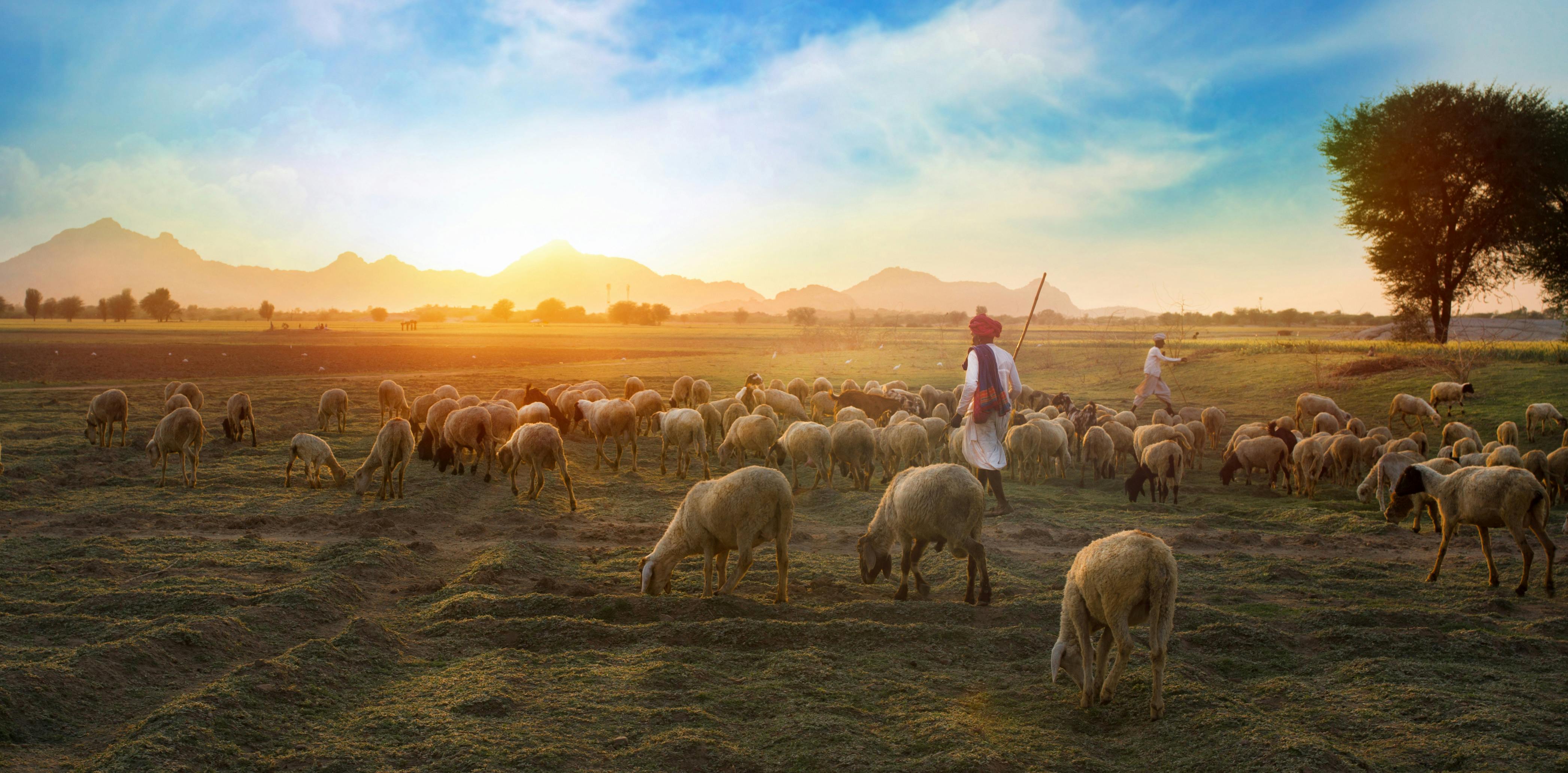
Let’s Rediscover India
India reveals itself slowly in remote villages, sacred spaces, wild landscapes, and busy streets. Our journey through India brings together forgotten histories, living traditions, and human connections, reminding us that every destination holds more than meets the eye.
*All images source – Pexels
