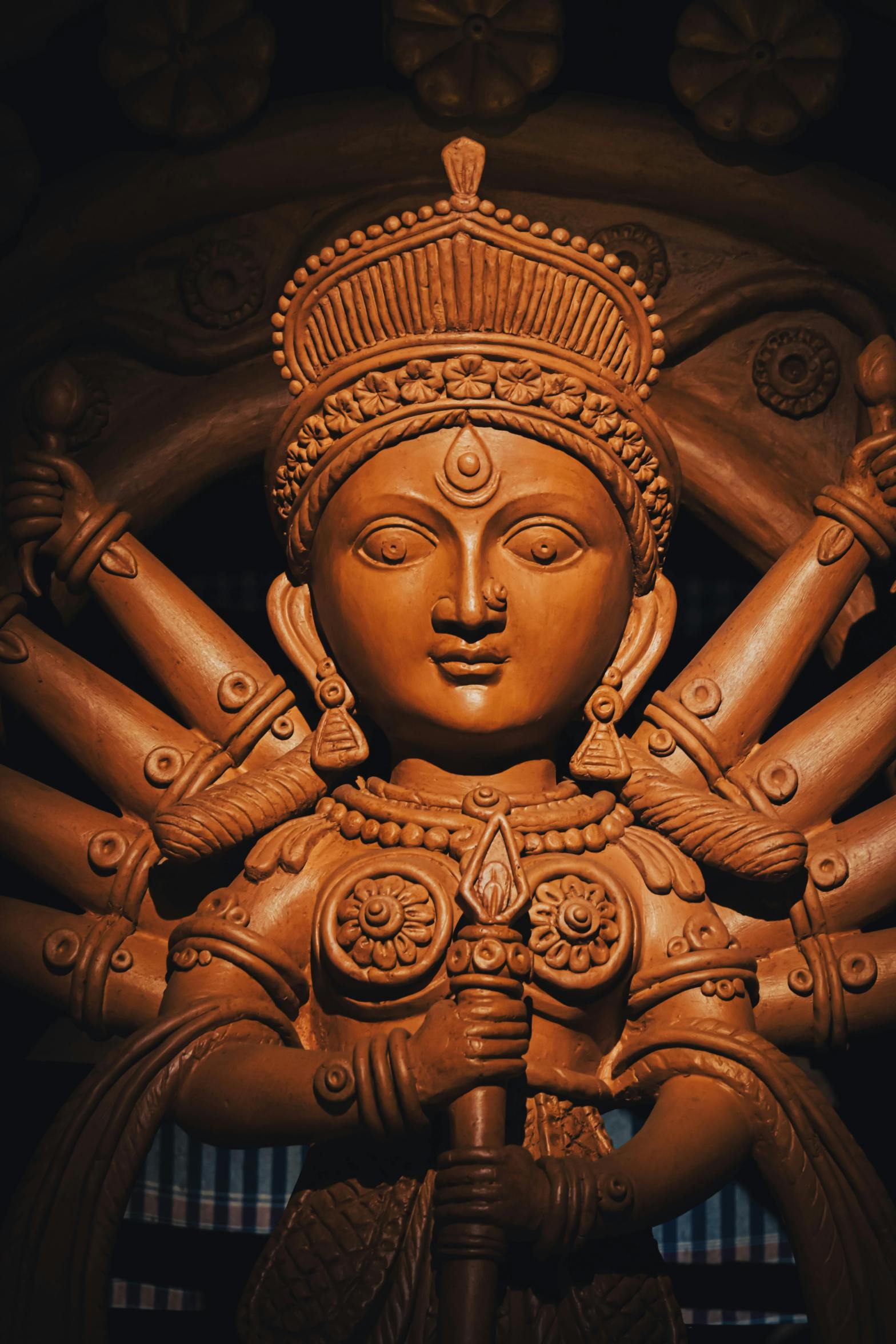
A Shakti Peeth is a sacred place associated with Goddess Shakti (Sati / Parvati), where parts of her body, ornaments, or divine energy are believed to have fallen.
Shakti Peeths pulse with spiritual energy throughout the year as festivals and rituals unfold in rhythms set centuries ago. Navratri stands out among these celebrations—nine nights when devotees honor the goddess in her many manifestations. The temples transform during this period. Sacred fires crackle during Yagnas. Devotional songs rise in collective voice. Evening Aarti’s turn each shrine into a theater of light and sound. Every Peeth observes these traditions through its own lens. This is shaped by the particular legend of Sati’s fall and the deity who resides there.
Think of it as: 51 physical anchors + 57 energetic extensions = 108
They represent cosmic feminine energy, creation, preservation, destruction and the idea that the Divine Mother is present on Earth. Each of these sites are not just temples but powerful energy centres.
The Core Mythological Origin: Story of Sati & Shiva
- Daksha, Sati’s father, insulted Lord Shiva
- Sati, unable to bear the disrespect, self-immolated
- Shiva, in grief, performed Tandava carrying Sati’s body
- To stop universal destruction, Lord Vishnu used the Sudarshan Chakra
- Sati’s body was cut into pieces and wherever a part of her body fell, a Shakti Peeth was formed
⚠️There is no single ancient text that gives one fixed list of 108 physical Peeths. So this list is a composite canonical map used by Shakta, Tantric, and regional traditions, clearly classified.
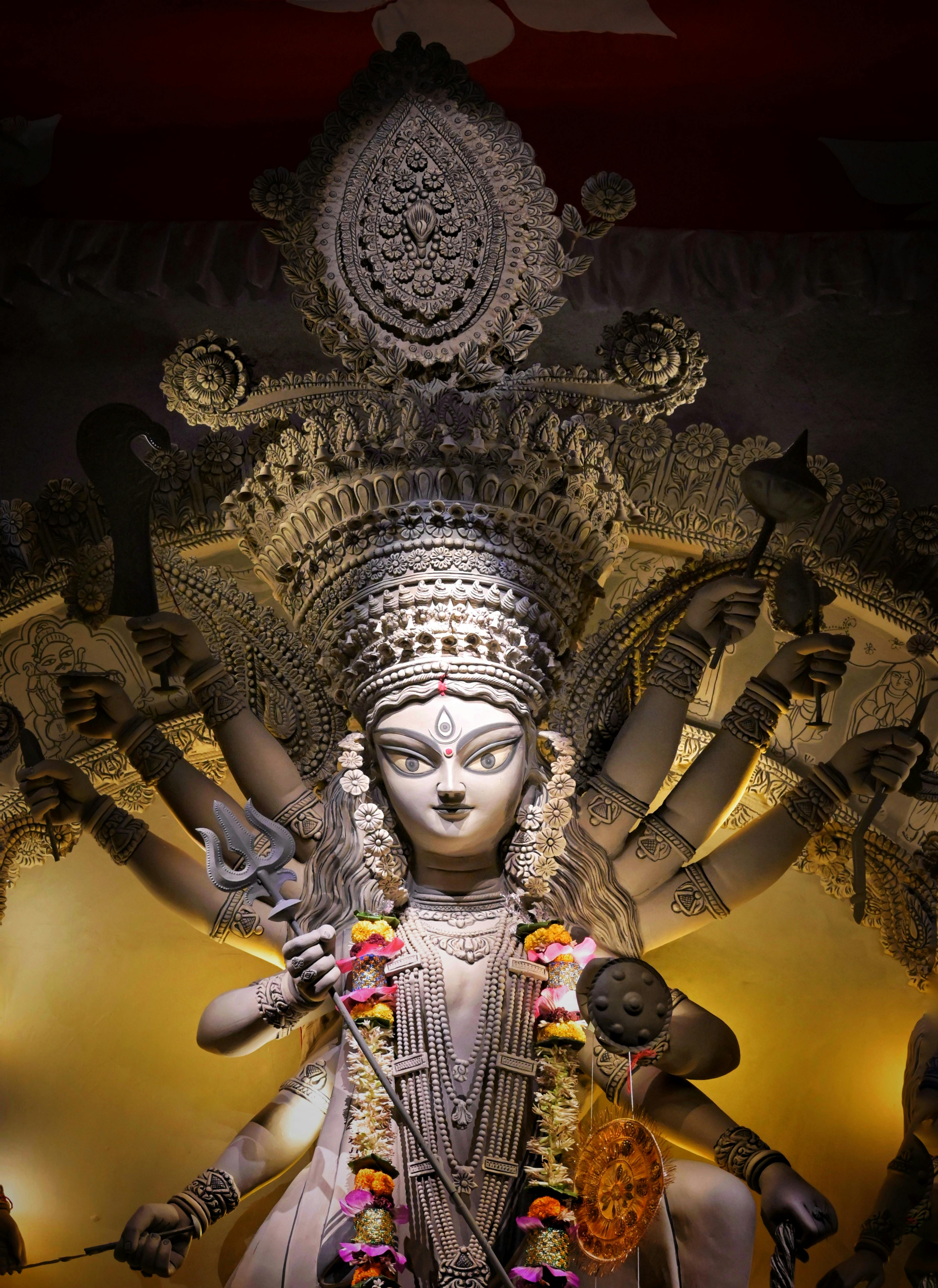
The 4 Adi Shakti Peetha’s
These are considered the most powerful energy centers:
- Kamakhya Temple – Guwahati, Assam (Yoni/Womb) – Goddess Kamakhya, Bhairava Umananda
- Vimala/Bimala Temple – Puri, Odisha (Feet) – Goddess Vimala, Bhairava Jagannath
- Tara Tarini Temple – Near Berhampur, Odisha (Breasts/Stana Khanda) – Goddess Tara Tarini, Bhairava Chanda-Kund Bhairava
- Dakshina Kalika/Kalighat – Kolkata, West Bengal (Right Toe/Toes of right foot) – Goddess Kalika, Bhairava Nakuleshwar District MandiTripadvisor
Note: Some sources mention Purnagiri (Uttarakhand) where arms and neck fell as one of the 4 Adi Peethas instead of Kalighat.
The 18 Astadasha Maha Shakti Peetha’s
These 18 are mentioned in Adi Shankaracharya’s Ashtadasha Shakti Peetha Stotra
- Trincomalee (Koneswaram Temple) – Sri Lanka (Groin) – Shankari Devi, Bhairava Linga
- Kanchipuram (Kamakshi Temple) – Tamil Nadu (Navel) – Kamakshi, Bhairava Vamana
- Hooghly/Kolkata area – West Bengal (Stomach) – Shrinkhala Devi, Bhairava Sambara (disputed location)
- Mysore (Chamundeshwari Temple) – Karnataka (Hair) – Chamundeshwari, Bhairava Veerabhadra
- Alampur (Jogulamba Temple) – Telangana (Upper Teeth) – Jogulamba, Bhairava Yogananda
- Srisailam (Bhramaramba Temple) – Andhra Pradesh (Neck) – Bhramaramba, Bhairava Mallikarjuna
- Kolhapur (Mahalakshmi Temple) – Maharashtra (Left Eye) – Mahalakshmi/Ambabai, Bhairava Krodish/Kala Bhairava
- Mahur – Maharashtra (Left Hand) – Ekvira/Renuka Devi, Bhairava Vetal/Martanda
- Ujjain (Harsiddhi/Mahakali Temple) – Madhya Pradesh (Upper Lip/Elbow) – Mahakali, Bhairava Kaal Bhairava
- Pithapuram (Kukkuteswara Temple) – Andhra Pradesh (Back) – Puruhutika, Bhairava Kukkuteswara
- Gaya (Mangalagauri Temple) – Bihar (Breasts) – Sarvamangala/Mangalagauri, Bhairava Kapaleeshwar
- Jajpur (Biraja Temple) – Odisha (Navel/Abdomen) – Biraja/Girija, Bhairava Batuk Bhairava
- Draksharamam – Andhra Pradesh (Left Cheek) – Manikyamba, Bhairava Bhimeswara
- Guwahati (Kamakhya Temple) – Assam (Yoni/Womb) – Kamakhya, Bhairava Umananda
- Prayagraj/Allahabad (Alopi Devi Temple) – Uttar Pradesh (Fingers) – Madhaveswari/Lalita, Bhairava Bhawan
- Kangra (Jwalamukhi Temple) – Himachal Pradesh (Tongue) – Jwalamukhi/Vaishnavi, Bhairava Kaal Bhairava
- Varanasi (Vishalakshi Temple) – Uttar Pradesh (Earring/Face) – Vishalakshi, Bhairava Kaal Bhairava
- Kashmir (Sharada Peeth) – PoK (currently in ruins) (Right Hand) – Saraswati/Sharada, Bhairava Sandip
Among these, Kamakhya (Creation), Gaya (Nourishment), and Ujjain (Destruction) are considered the most sacred as they represent the three fundamental aspects of the Divine Mother.
The Remaining 51 Shakti Peeth’s
According to the Pithanirnaya Tantra, there are 51 Shakti Peethas total spread across India, Sri Lanka, Bangladesh, Nepal, Tibet, Bhutan, and Pakistan. The 51 include the 4 Adi Peethas plus 47 others. Here are the remaining major ones (beyond the 18 listed above):
Shiva without Shakti is Shava (stillness).
Shakti without Shiva is chaos.
Assam:
- Kamakhya (already listed above as Adi & Maha Peeth)
Andhra Pradesh:
- Srisailam – Bhramaramba (Maha Peeth)
- Draksharamam – Manikyamba (Maha Peeth)
- Pithapuram – Puruhutika (Maha Peeth)
Bihar:
- Gaya – Mangalagauri (Maha Peeth)
- Saharsa – Ugratara/Mahishamardini (Upper Jaw)
- Katyayani Peeth – near Mithila (Hair)
Chhattisgarh:
- Dantewada – Danteshwari Temple (Teeth)
Gujarat:
- Ambaji – Arasuri Ambaji Temple (Heart)
Himachal Pradesh:
- Kangra – Jwalamukhi (Maha Peeth – Tongue)
- Chintpurni – Chhinnamastika (Feet)
- Chamunda Devi (Hair)
Jammu & Kashmir:
- Sharada Peeth, PoK (Maha Peeth – Right Hand) ruins
- Katra – Vaishno Devi (Right Arm/Skull according to different texts)
Jharkhand:
- Rajrappa – Chhinnamasta (Head/Crown)
Karnataka:
- Mysore – Chamundeshwari (Maha Peeth – Hair)
- Saundatti – Renuka Yellamma (Left Eye according to some texts)
Madhya Pradesh:
- Ujjain – Mahakali (Maha Peeth)
- Maihar – Sharda Devi (considered by some as a Shakti Peeth)
Maharashtra:
- Kolhapur – Mahalakshmi (Maha Peeth – Left Eye)
- Mahur – Renuka Devi (Maha Peeth – Left Hand)
- Tuljapur – Bhavani/Tulja Bhavani (Back)
- Saptashrungi – (Right Hand according to some sources)
Meghalaya:
- Jaintiapur/Jaintia Hills – Jayanti (Left Thigh) disputed exact location
Odisha:
- Puri – Vimala (Adi Peeth – Feet)
- Berhampur area – Tara Tarini (Adi Peeth – Breasts)
- Jajpur – Biraja (Maha Peeth – Navel)
- Bhadrak – Charchika/Stambheswari (Feet according to some)
Rajasthan:
- Pushkar – Gayatri Temple (Hands)
- Manibandh – (Wrist)
Tamil Nadu:
- Kanchipuram – Kamakshi (Maha Peeth – Navel)
- Kanyakumari – Kumari Amman (Back/Spine)
Telangana:
- Alampur – Jogulamba (Maha Peeth – Upper Teeth)
Uttar Pradesh:
- Varanasi – Vishalakshi (Maha Peeth – Earrings)
- Prayagraj – Lalita/Alopi Devi (Maha Peeth – Fingers)
- Vindhyachal – Vindhyavasini (considered special though body part didn’t fall here – she chose to reside here)
- Chitrakoot – Shivani/Kamadgiri (Right Breast according to some)
Uttarakhand:
- Purnagiri – Purnagiri Devi (Breasts/Navel – considered Adi Peeth by some)
- Nainital – Naina Devi (Eyes)
West Bengal:
- Kolkata – Kalighat (Adi Peeth – Right Toe)
- Hooghly – Shrinkhala Devi (Maha Peeth – Stomach) disputed/destroyed
- Birbhum – Tarapith (Third Eye/Pupils)
- Bardhaman – Bahula/Ratnabali (Left Arm)
- Katwa – Chandramouli/Kireet (Crown/Forehead ornament)
Bangladesh:
- Jessore – Jessoreswari (Palms/Hands)
- Chittagong – Chandranath (Right Arm/Shoulder)
- Dinajpur – Bhramari (Left Leg)
- Sylhet – Jaintiapur (same as Meghalaya site dispute)
- Barisal – Sundari/Fullara (Pair of Bangles)
- Comilla – Tripura Sundari (Right Leg)
- Dhaka – Dhakeshwari (Anklet/Gem on Crown) idol moved to Kolkata
Nepal:
- Kathmandu – Guhyeshwari (Anus/Both Knees – textual variations)
- Janakpur – Janaki/Sita Temple area (Left Shoulder according to some)
Pakistan:
- Balochistan – Hinglaj Mata (Forehead/Brahmarandhra – cranial)
- PoK – Sharada Peeth (already listed – Right Hand)
Sri Lanka:
- Trincomalee – Koneswaram/Shankari Devi (Maha Peeth – Groin)
Tibet/China:
Lhasa area – Mansarovar (Mind/Consciousness according to some texts)
The 26 Upa-Peethas (Secondary Sites)
According to the Shivacharita, there are 26 upa-pithas (secondary seats) mentioned in addition to the 51 main peethas Wikipedia. These are often smaller shrines near the main Shakti Peethas or sites where Sati’s ornaments fell. The exact list varies by region and tradition.
The 26 Upa-Peethas are mentioned in texts but their specific enumeration is not readily available in digitized English sources.
From the various lists I’ve researched, these temples are associated with ornaments and could be among the 26 Upa-Peethas:
West Bengal:
- Khanakul, Hooghly – ornaments
- Fullara, Birbhum – pair of bangles
- Katwa – crown ornaments (Kireet)
- Nandikeshwari – necklace
Other Regions:
- Varanasi – Manikarnika Ghat (earrings)
- Varanasi – Vishalakshi (earrings)
- Karnataka – Sundari Temple (necklace)
- Rajasthan – Karnimatha (necklace)
- Rajasthan – Manibandh (wrist ornaments)
- Rajasthan – Mallinath (anklets)
- Bihar – Lagnakshi Temple (wrist)
- Andhra Pradesh – Mallara Devi Temple (ornaments)
- Andhra Pradesh – Venkateswara Temple (crown)
- Bihar – Rajrajeshwari Temple (earrings)
- Bihar – Mithila Shakti Peeth (ornaments)
- Sri Lanka – Nainativu Nagapooshani Amman (ornaments)
The Living Hill of the Goddess
Kamakhya is situated atop Nilachal Hill, overlooking the Brahmaputra River near present-day Guwahati, Assam. The hill itself has been revered long before the current temple structure existed, suggesting that Kamakhya is older than the temple that houses her.
Ancient texts such as the Kalika Purana identify Kamakhya as the place where Sati’s yoni fell, making it one of the most important Shakti Peeths in the Indian subcontinent. Unlike most temples, Kamakhya does not worship a sculpted idol. The sanctum contains a natural rock fissure kept moist by a perennial spring — a rare example of landform worship, where geography itself is sacred.
Historically, Kamakhya was a major centre of Tantric Shakta worship, especially between the 8th and 16th centuries. The Ahom kings of Assam patronised the temple, rebuilding it in the 16th century after earlier destruction. Their support helped Kamakhya emerge as a pan-regional pilgrimage centre, attracting practitioners from Bengal, Odisha, Nepal, and Tibet.
One of Kamakhya’s most distinctive traditions is the Ambubachi Mela, held annually during the monsoon. During this time, the temple closes for three days, symbolising the goddess’ menstruation. When the temple reopens, thousands of pilgrims gather to mark renewal and fertility — a ritual that reflects the temple’s deep association with natural cycles rather than moral symbolism.
Today, Kamakhya remains a powerful living shrine. Sadhus, householders, scholars, and pilgrims visit not for spectacle, but for continuity — to stand on a hill where worship has never truly stopped.
Kamakhya’s significance lies not in architecture or ornamentation, but in its unbroken ritual memory, making it one of the most enduring Shakti Peeths in India.
Where the City Meets the Divine
Kalighat is located in the bustling heart of Kolkata, on the banks of the Adi Ganga, a tributary of the Hooghly River. The area has been a centre of worship for centuries, with references in texts like the Kalika Purana marking it as the site where Sati’s toes fell, giving the goddess a foothold in the eastern plains.
The present Kalighat temple, reconstructed in the 19th century, stands as a testament to centuries of devotion. The sanctum houses a striking icon of Kali, black and formidable, adorned with a garland of skulls. The site has long been a centre for Tantric practice, drawing pilgrims from Bengal, Odisha, and beyond.
Kalighat’s rituals — especially during Kali Puja and Diwali — reflect a continuity of worship that combines urban life with ancient devotion. Even amidst the city’s clamor, the temple retains its sacred atmosphere, reminding visitors that the divine adapts to place without losing essence.
