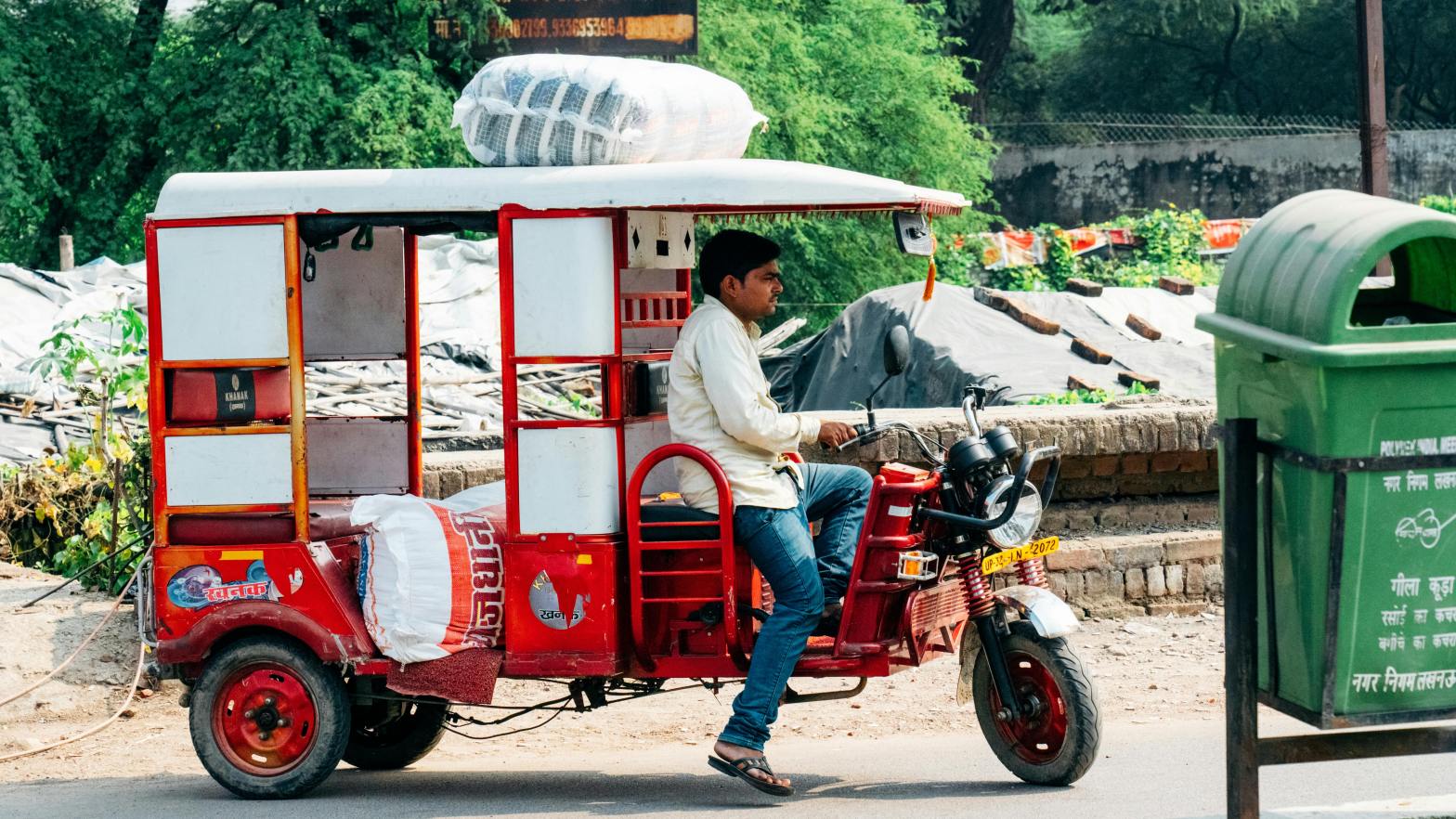
India welcomes over 10 million international visitors annually, and the vast majority experience safe, memorable trips. While no travel destination is risk-free, by taking precautions, being aware of your surroundings, and trusting your instincts, you can significantly enhance your safety while exploring this beautiful, diverse country.
Current Travel Advisory Status (2025-2026):
- U.S. State Department: Level 2 – Exercise Increased Caution
- Most major tourist circuits (Delhi, Agra, Jaipur, Goa, Kerala, Rajasthan) are fully operational and safe with standard precautions
- Certain border regions require special caution (see Regional Safety below)
Pre-Departure Planning
Research and Plan Thoroughly
- Understand your destination: Research local customs, laws, cultural norms, and potential safety concerns specific to the regions you’ll visit
- Plan your itinerary in advance: Book accommodation, transportation, and key activities ahead of time to minimize uncertainties
- Choose reputable operators: Use verified travel agencies, licensed guides, and established tour operators, especially for adventure activities
- Read recent reviews: Check Google reviews, travel forums (TripAdvisor, Lonely Planet Thorn Tree, India Mike), and travel blogs from travelers who visited within the last 6-12 months
Stay Updated on Travel Advisories
Check official travel advisories from your government:
- U.S. Citizens: travel.state.gov
- UK Citizens: gov.uk/foreign-travel-advice
- Australian Citizens: smartraveller.gov.au
- Canadian Citizens: travel.gc.ca
Subscribe to real-time safety updates
- Stay informed about regional developments, festivals, strikes (bandhs), or political demonstrations that may affect travel
Secure Your Documents
- Passport & Visa: Keep originals in hotel safe; carry certified photocopies when exploring
- E-Arrival Form (NEW as of October 2025): All foreign travelers can submit an electronic arrival form online via indianvisaonline.gov.in up to 72 hours before arrival (paper forms accepted until March 2026)
- Digital Backups: Store scanned copies in cloud storage (Google Drive, Dropbox) and email them to yourself
- Emergency Information: Carry a card with emergency contacts, blood type, allergies, and medical conditions
- Travel Insurance Documents: Keep policy number and provider contact information readily accessible
Register with Your Embassy
- U.S. Citizens: Enroll in STEP (Smart Traveler Enrollment Program)
- Other Nationals: Register with your country’s embassy or consulate in India
- This allows officials to contact you during emergencies and provide assistance
- Update your registration if you change locations or extend your stay
Get Comprehensive Travel Insurance
- Ensure coverage for:
- Medical emergencies and evacuation
- Trip cancellation/interruption
- Lost/stolen belongings
- Adventure activities (trekking, rafting, etc.) if applicable
- Keep emergency numbers saved in your phone and written down
Save these numbers in your phone before traveling!
When to contact embassy:
- Lost/stolen passport
- Legal trouble/arrest
- Medical emergency requiring evacuation
- Natural disaster
- Civil unrest affecting safety
Essential Phone Codes & Emergency Numbers
Country Code India: +91
International Access Code from India: 00
Emergency Numbers (All Toll-Free):
- National Emergency (All Services): 112
- Police: 100
- Fire: 101
- Ambulance: 102 or 108
- Women’s Helplines:
- 1091 – Women Helpline (Police)
- 181 – Women in Distress (National Helpline)
- Road Accident Emergency: 1073
- Railway Accident Emergency: 1072
- Traffic Police: 1095
- National Highway Helpline (NHAI): 1033
- Disaster Control: 108
- Anti-Terror Helpline: 1090
- Tourist Helpline: 1363 or 1800-111-363
- Child Helpline: 1098
- Senior Citizen Helpline: 14567
- Mental Health Helpline: 08046110007 (KIRAN)
- Cyber Crime Helpline: 155260
Major Embassy Contacts in Delhi:
- United States: +91-11-2419-8000
- United Kingdom: +91-11-2419-2100
- Australia: +91-11-4139-9900
- Canada: +91-11-4178-2000
- Germany: +91-11-4419-9199
- France: +91-11-4319-6100
- Japan: +91-11-2687-6581
- Singapore: +91-11-4600-0800
- Indonesia: +91-11-2611-8642 to 46
- New Zealand: +91-11-2688-3170
Consulates also in: Mumbai, Chennai, Kolkata, Hyderabad, Bangalore (check your embassy website)
Communication & Connectivity
Stay Connected
- Local SIM Card: Purchase at airport or authorized shops (Airtel, Jio, Vi/Vodafone-Idea)
- Requires passport photocopy and passport-size photo
- Data plans are extremely affordable (₹200-500/month for unlimited data)
- International eSIM: Matrix eSIM, Airalo, or Holafly for instant connectivity without physical SIM
- Hotel Wi-Fi: Most hotels, cafes, and restaurants offer free Wi-Fi
- Offline Maps: Download Google Maps or Maps.me offline for areas with poor connectivity
Share Your Itinerary
- Provide detailed travel plans to trusted family/friends:
- Hotel names, addresses, phone numbers
- Private driver/taxi details
- Tour operator contacts
- Daily check-in schedule
- Apps for location sharing: WhatsApp Live Location, Google Maps Location Sharing, Find My (iPhone)
- Update contacts if plans change
Emergency Communication
- Save these numbers in your phone:
- National Emergency: 112 (works for police, fire, ambulance)
- Police: 100
- Ambulance: 102 or 108
- Women’s Helplines: 1091 (Police) / 181 (National Helpline)
- Tourist Helpline: 1363 or 1800-111-363
- Your embassy contact number
Driving & Road Safety
- Traffic is chaotic: Indian roads are challenging even for experienced drivers
- Hiring a driver: Strongly recommended over self-driving for most tourists
- Self-driving considerations:
- International Driving Permit required
- Defensive driving essential
- Be prepared for cows, pedestrians, unmarked speed breakers
- Never drive at night in rural/mountain areas
- Avoid driving during monsoon in hilly regions
These travel guides will further help plan your India trip at ease:
Health Precautions
Before You Go
- Visit travel clinic 6-8 weeks before departure
- The most common travel ailment in India is food poisoning/traveler’s diarrhea. Prevention is key:
- Drink only bottled water (check seal is intact)
- Avoid tap water entirely (even for brushing teeth initially)
- Skip ice cubes in drinks (often made from tap water)
- Sealed bottled brands: Bisleri, Aquafina, Kinley
- Water purification: LifeStraw, SteriPEN, or purification tablets for trekking
- Street food guidelines:
- Choose busy stalls with high turnover (fresh cooking)
- Watch food being cooked fresh in front of you
- Avoid pre-cut fruits, salads (likely washed in tap water)
- Skip unpeeled fruits that vendor has cut
- Hot, freshly cooked items are safest
- Famous street food areas often safer (proper licensing, inspections)
- Restaurant selection:
- Check hygiene ratings and reviews
- Observe cleanliness of eating area and staff
- Well-established restaurants in tourist areas generally safe
- Hotel restaurants are safest option initially
- What to avoid (especially in first few days):
- Uncooked vegetables and salads
- Unpasteurized dairy products
- Unpasteurized juices (stick to bottled)
- Food that’s been sitting out
- Mayonnaise-based items
- Undercooked meat
- Safe choices:
- Freshly cooked, hot food
- Boiled items (rice, dal, steamed vegetables)
- Fruits you peel yourself (bananas, oranges, pomegranate)
- Bread items cooked in tandoor or oven
- Properly packaged snacks from reputable brands
Gradual Adjustment:
- Start with simple, mild foods (dal, rice, roti)
- Gradually introduce more complex/spicy foods as stomach adjusts
- Carry probiotics to support gut health
- Eat light for first 2-3 days
Hygiene Practices:
- Wash hands frequently with soap (carry hand sanitizer with 60%+ alcohol)
- Before eating
- After using restroom
- After handling money
- After touching public surfaces
- Avoid touching your face with unwashed hands
- Hepatitis A and B
- Typhoid
- Tetanus-diphtheria
- Routine vaccines (MMR, etc.)
- Japanese Encephalitis (if visiting rural areas long-term)
- Rabies (if working with animals or extended rural travel)
- Malaria prevention:
- Risk areas: Rural regions, particularly during/after monsoon
- Low risk in major cities and tourist areas
- Antimalarial medication if traveling to risk areas (consult doctor)
- Mosquito repellent with DEET
- Long sleeves/pants at dawn and dusk
- Mosquito nets in accommodations
- Dengue prevention:
- No vaccine; prevention is avoiding mosquito bites
- Day-biting mosquitoes (unlike malaria)
- Use repellent throughout day
- Stay in air-conditioned or screened accommodations
- Delhi and North India (Oct-Feb): Severe air pollution, especially Nov-Dec
- Sensitive groups: Consider masks (N95/N99), limit outdoor activities during peak pollution
- Apps: AQI India, AirVisual for real-time air quality monitoring
Medications to bring:
- Prescription medications (in original containers with doctor’s letter)
- Diarrhea treatment (Imodium, Pepto-Bismol)
- Antibiotics (prescribed by doctor for severe traveler’s diarrhea)
- Oral rehydration salts (ORS) – available everywhere in India too
- Pain relievers (ibuprofen, acetaminophen)
- Antihistamines for allergies
- Anti-nausea medication
- Antacid (spicy food!)
- Altitude sickness medication (Diamox) if going to Ladakh, high Himalayas
- Motion sickness medication
- Antiseptic cream
- Antibiotic ointment
- Insect repellent (DEET 30%+)
- Sunscreen (SPF 50+)
- Blister treatments
First aid supplies:
- Adhesive bandages various sizes
- Gauze and medical tape
- Elastic bandage
- Tweezers, scissors
- Thermometer
- Disposable gloves
- Water purification tablets
Quality hospitals in major cities:
- Apollo Hospitals (nationwide chain)
- Fortis Healthcare (nationwide)
- Max Healthcare (North India)
- Manipal Hospitals (South India)
- All India Institute of Medical Sciences (AIIMS) – Delhi
Insurance and payment:
- International credit cards accepted at private hospitals
- Keep all receipts for insurance claims
- Contact your insurance provider before treatment if possible
Pharmacies (Chemists):
- Widely available in cities and towns
- Many medications available without prescription (though this varies)
- Pharmacists often knowledgeable and helpful
*Please Note: Most medications are available over-the-counter in India at pharmacies (chemists) and are often at lower cost.
Women Travelers: Extra Safety Guidelines
Is India Safe for Women?
Short answer: Yes, with proper precautions and awareness. Millions of women travel India solo every year safely and have enriching experiences. However, women may face different challenges than male travelers.
Reality check:
- Verbal harassment and staring are unfortunately common
- Physical harassment (groping) can occur in crowded places
- Serious incidents against tourists are statistically rare
- South India generally considered safer than North India for women
- Urban areas more accustomed to solo female travelers
Specific Precautions for Women
Awareness and response:
- Women’s helplines: 1091 (Police) / 181 (National)
Accommodation:
- Women-only floors/hostels: Available in major cities
- Upper floors preferable to ground floor
- Check reviews from other solo women travelers specifically
- Zostel, Moustache, backpacker hostels have women’s dorms
Transportation:
- Women’s compartments: Trains and some metro systems
- Pink taxis/autos: Women-only ride services in some cities
- Sit in back seat of regular taxis/autos
- Share ride details with contacts
- Avoid hitchhiking under any circumstances
- Night travel: Flights safest; AC train berths if necessary; avoid night buses solo
Timing:
- Reach destinations before dark
- Explore crowded areas/markets during daylight
- Tourist areas safer in early evenings
- Avoid isolated areas at any time (beaches, parks, quiet streets)
Social situations
- Politely decline invitations from unknown men
- Be cautious accepting food/drinks from strangers (spiking reported)
- Coffee/meal invitations in public places with new acquaintances OK with caution
- Trust your intuition always
Best Destinations for Solo Women
Safest/Most comfortable:
- Kerala: Friendly, laid-back, less harassment
- Goa: Beach culture, western tourists, relaxed
- Rishikesh: Spiritual, yoga-focused, respectful atmosphere
- Himachal Pradesh: Manali, Dharamshala, Kasol – trekking/backpacker culture
- Rajasthan: Tourist-heavy, established routes (Jaipur, Udaipur, Jodh pur, Pushkar)
- Karnataka: Bangalore cosmopolitan, Coorg peaceful
- Pondicherry: French influence, small, manageable
More challenging (take extra precautions):
- Delhi (especially Old Delhi)
- Mumbai (after dark)
- Varanasi (intense, crowded)
- North Indian cities generally
Consider group tours/guides for:
- First visit to India
- Challenging regions
- Peace of mind
- Meeting other travelers
Common Scams to Avoid
Card skimming devices Shoulder surfing for PIN “Helpful” stranger during transaction Solution: Use ATMs inside banks during business hours, shield PIN entry, check for tampering
“Your hotel is closed/full” (taking you elsewhere for commission) Meter “broken” (inflated fares) Taking longer routes Solution: Use app-based rides, pre-book transfers, know approximate route
Unofficial guides offering services at monuments Commission-based shopping tours Solution: Only hire government-certified guides (look for ID badges)
Tourists convinced to buy gems/carpets as “investment” to export Fake certification, worthless products Solution: Never buy expensive items to “help” someone export
Requests to donate to schools, orphanages with official-looking documents Solution: Donate to established charities directly, not street solicitors
Taxi drivers get commission for taking tourists to specific shops/restaurants Inflated prices to cover commission Solution: Research and choose your own destinations, politely decline driver suggestions
Money & Valuables
- Carry moderate amounts: Don’t carry all money at once
- Divide and store:
- Daily spending money in wallet/purse
- Backup cash in money belt/hotel safe
- Emergency cash in separate location
- Use machines inside banks during business hours
- Shield PIN entry
- Check for card skimming devices (loose card readers, unusual attachments)
- Avoid standalone ATMs in isolated areas
- Notify your bank of travel dates to prevent card blocks
- Bring multiple cards from different banks
- Inform banks of travel plans
- Know your PIN for chip transactions
- Keep emergency numbers for reporting lost/stolen cards
- Fraud protection: Monitor accounts regularly via mobile banking
- UPI (Unified Payments Interface): Widely used in India
- Google Pay, PhonePe, Paytm accepted almost everywhere
- Foreign cards can link to some apps
- Very convenient for small purchases
- Contactless payments: Increasingly available
- Exchange at: Banks, authorized money changers, airports (rates vary)
- Avoid: Unauthorized street exchangers
- ATMs give best rates generally (minus foreign transaction fees)
- Keep some small bills: For tipping, small purchases, rickshaws
- Restaurants: 10% if service charge not included
- Hotel staff: ₹50-100 for porter, housekeeping
- Drivers: ₹200-500/day depending on service quality
- Tour guides: ₹500-1000/day
- Not mandatory but appreciated
Accommodation Safety
- Read recent reviews carefully on multiple platforms (Booking.com, TripAdvisor, Google Reviews)
- Verify legitimacy: Check if hotel appears on multiple booking platforms
- Location matters: Choose accommodations in safe, well-traveled neighborhoods
- Budget options: Zostel, Moustache Hostels, Treebo for verified budget stays
- Women-only accommodations: Available in major cities (hostels, hotel floors)
- Use all locks: Deadbolt, chain lock, and any additional security features
- Hotel safe: Store passport, extra cash, cards, jewelry
- Avoid ground floor rooms when possible
- Check room security before booking:
- Functioning locks on doors and windows
- Working smoke detectors
- Emergency exit awareness
- Keep door locked even when inside during daytime Use door viewer/peephole before opening to anyone Don’t open door for unexpected “hotel staff” – call reception to verify
What to keep in hotel safe:
- Passport (carry photocopy)
- Extra credit/debit cards
- Large amounts of cash
- Expensive jewelry
- Important documents
Daily carry essentials only:
- Photocopy of passport
- One credit card
- Moderate amount of cash
- Phone
Personal Safety & Street Smarts
- Crowded markets (Chandni Chowk Delhi, Colaba Mumbai, Commercial Street Bangalore)
- Public transport (buses, trains, metro)
- Tourist attractions
- Railway stations and bus stands
- Festivals and religious gatherings
- Use anti-theft bags (slash-proof, RFID-blocking)
- Cross-body bags worn in front
- Money belt under clothing for passport copy and extra cash
- Never keep phone in back pocket
- Keep bags zipped and in sight
- Don’t display expensive items (jewelry, latest smartphones, cameras unnecessarily)
- Divide money between multiple locations on your person
- Use hotel safe for valuables when sightseeing
- Distraction (someone bumps you while accomplice steals)
- Crowding on buses/trains
- “Accidental” spills requiring cleanup
- People offering unsolicited help
- Blade slashing bottom of bags/purses
Remember: Every country has risks. India is no different. What makes India special is that despite the challenges, travelers consistently rank it among the most rewarding destinations in the world. By following these safety guidelines and maintaining common sense, you’re setting yourself up for an incredible adventure.
Travel safely, travel respectfully, and open yourself to the magic that India has to offer.
Namaste and safe travels!
Last Updated: February 2026 For the latest travel advisories and safety updates, always check your government’s travel website before departure.
