India’s border villages are not merely the outer edges of the nation. They are living landscapes shaped by culture, memory, resilience, and a deep connection to nature. Often described as “last villages,” these places have long existed outside mainstream development narratives. Launched by the Government of India in 2023, the Vibrant Villages Programme (VVP) focuses on the holistic development of select border villages. The aim of the programme is to create space for community-led, sustainable tourism which hopefully will encourage a more thoughtful and balanced approach to how development and tourism unfold in these remote regions.
What Is the Vibrant Villages Programme?
The Vibrant Villages Programme (Phase-I) covers 662 villages across India’s northern border states and Union Territories:
Arunachal Pradesh – 445 villages
These villages hold immense cultural and ecological wealth, making them ideal for immersive, community-based travel.
Himachal Pradesh – 75 villages
These villages represent some of India’s highest inhabited regions, where tourism must respect altitude, climate, and cultural rhythms.
Uttarakhand – 51 villages
These villages lie along ancient trade and pilgrimage routes, offering opportunities for heritage-led and low-impact tourism.
Sikkim – 46 villages
Sikkim demonstrates how regulated tourism and cultural protection can coexist successfully.
Ladakh (UT) – 35 villages
Ladakh’s cold desert ecosystem demands tourism models that are minimal, seasonal, and deeply respectful.
Vibrant Villages Programme: Key Priorities and Objectives
The Vibrant Villages Programme prioritises a people-first approach to development, focusing on:
- Essential infrastructure such as roads, power, and digital connectivity
- Sustainable livelihood generation
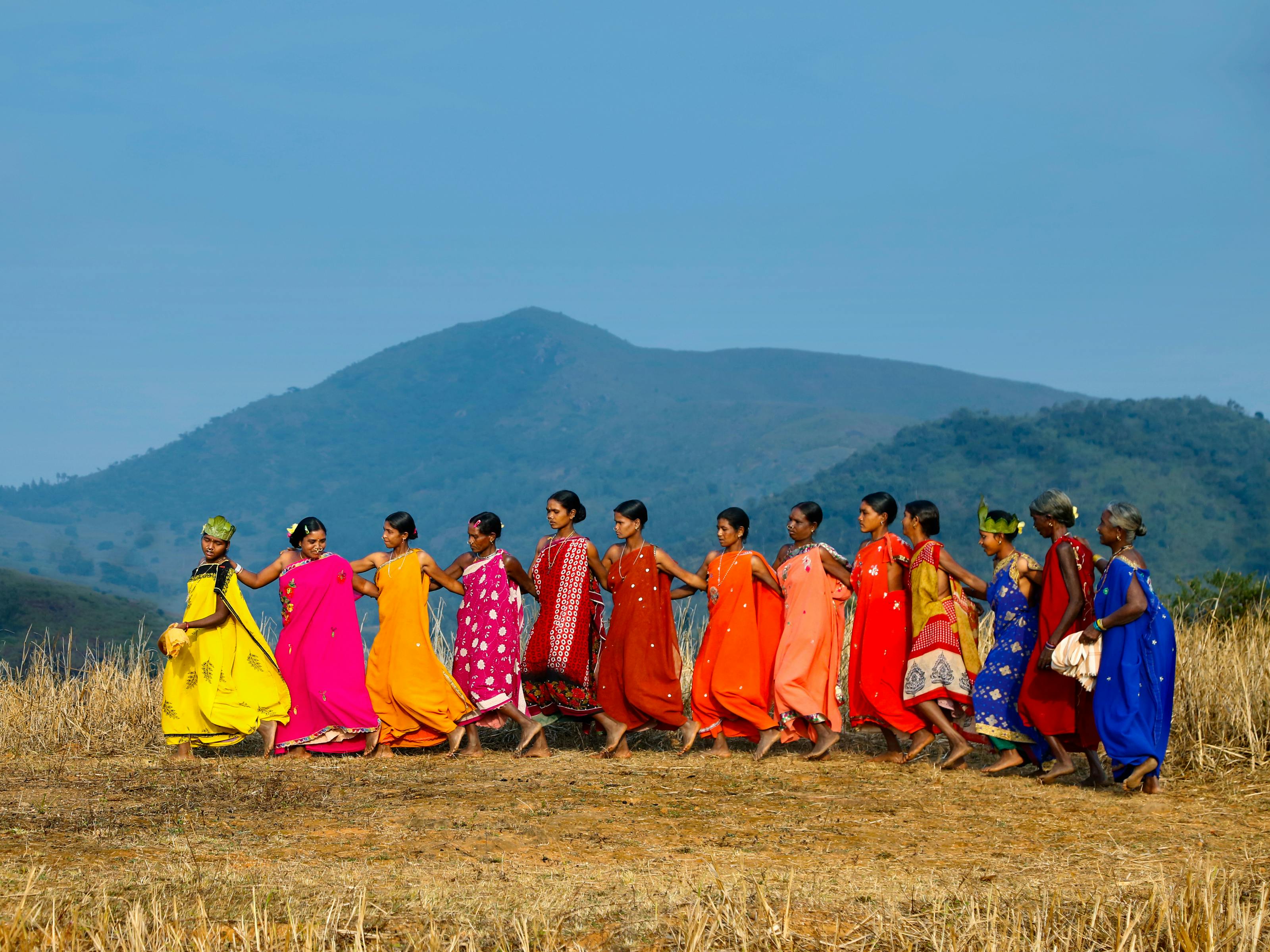
- Preservation of local culture, traditions, and heritage
- Preventing distress-driven out-migration from border regions
These focus areas aim to strengthen everyday life in border villages, ensuring that development supports both community wellbeing and long-term resilience.
Tourism as a natural outcome, not the primary goal
While tourism is not positioned as the programme’s primary objective, it naturally emerges as a meaningful outcome when development is rooted in community care and local ownership.
Many Vibrant Villages lie in ecologically sensitive and culturally rich landscapes. Unregulated tourism can easily disrupt these environments. The Vibrant Villages Programme will offer a chance to shift from volume-driven tourism to value-driven travel.
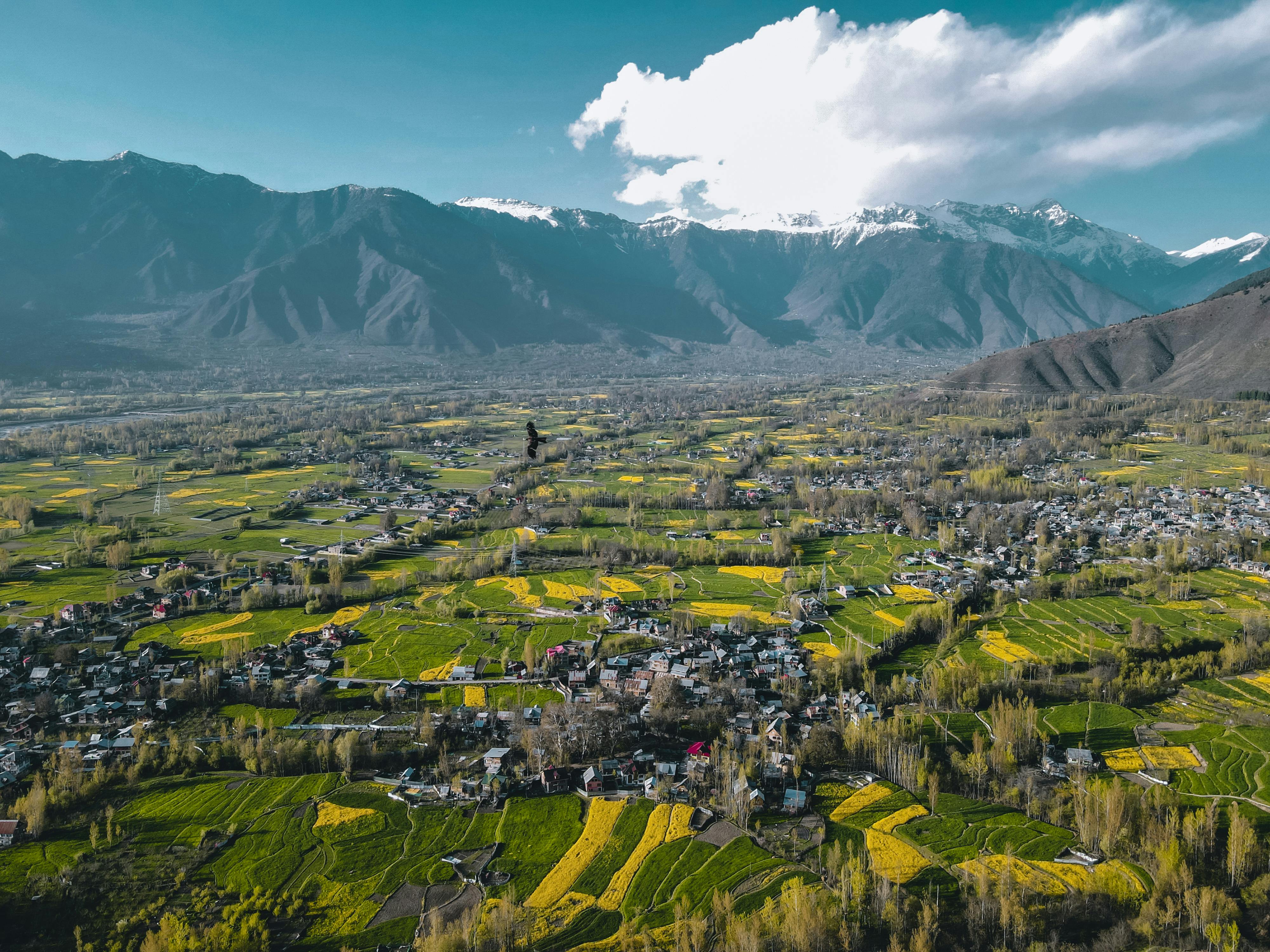
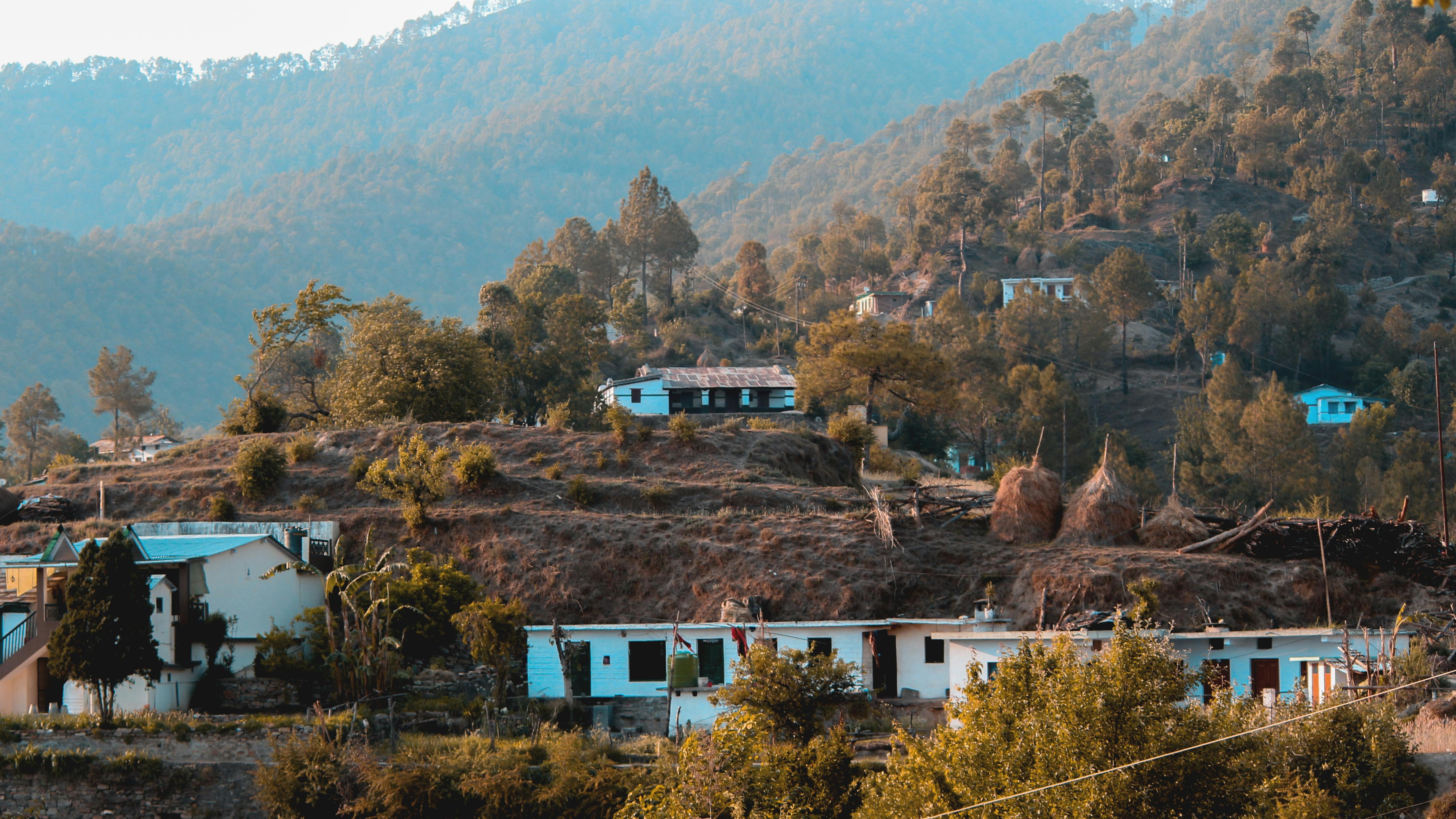
Many Vibrant Villages sit within fragile ecosystems such as high-altitude, deserts, alpine forests, glacial river basins, and biodiversity hotspots. These landscapes cannot sustain mass tourism.

Responsible tourism shifts the narrative:
- From checkpoints to communities
- From bucket lists to belonging
- From consumption to connection
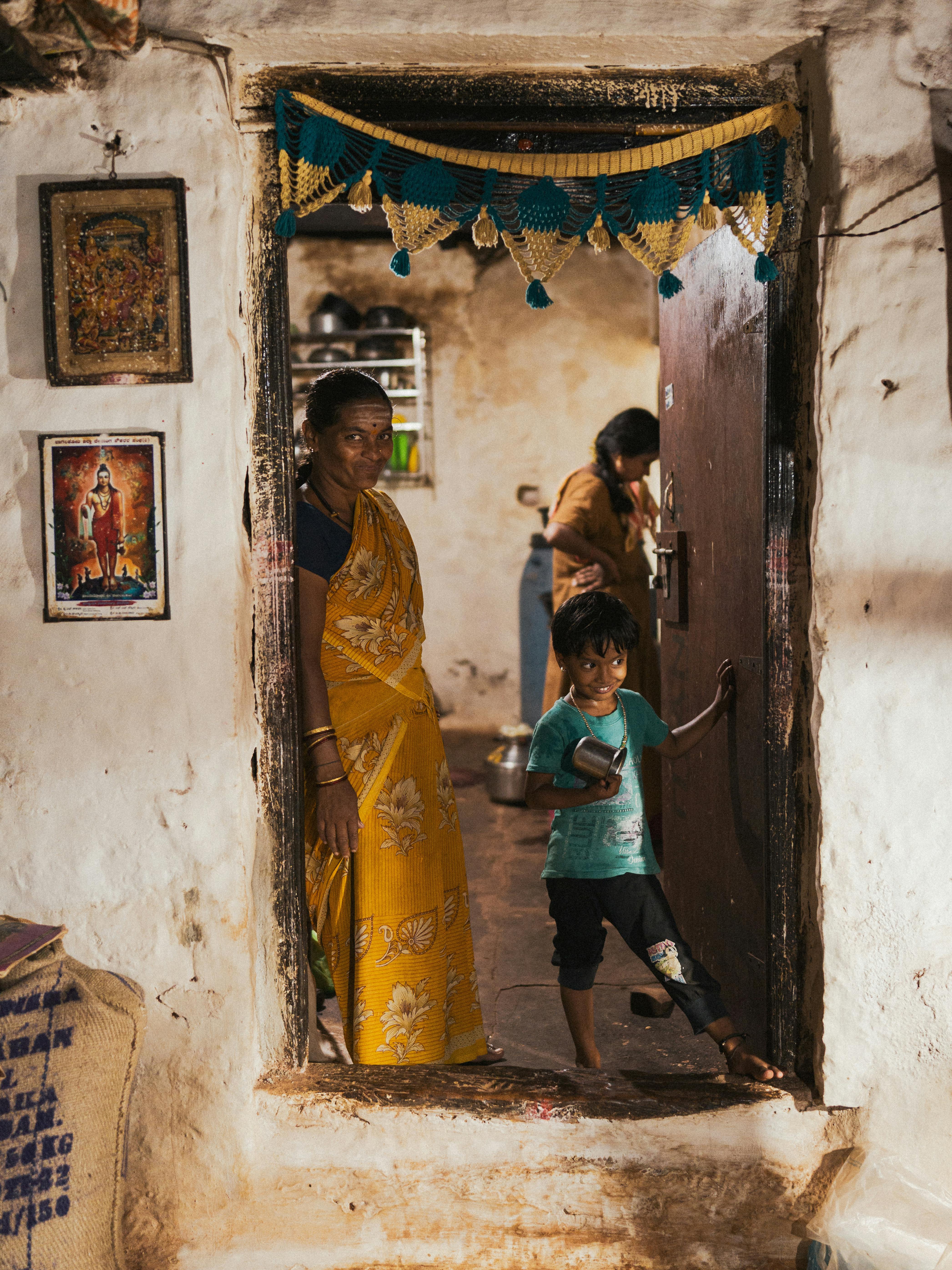
Rather than being seen as endpoints, these villages can be experienced as places of learning, cultural exchange, slow exploration, and meaning beyond photographs.
Community-led tourism over mass tourism
The programme encourages tourism models that remain rooted in local life, including:
- Homestays managed by local families
- Local guides and community storytellers
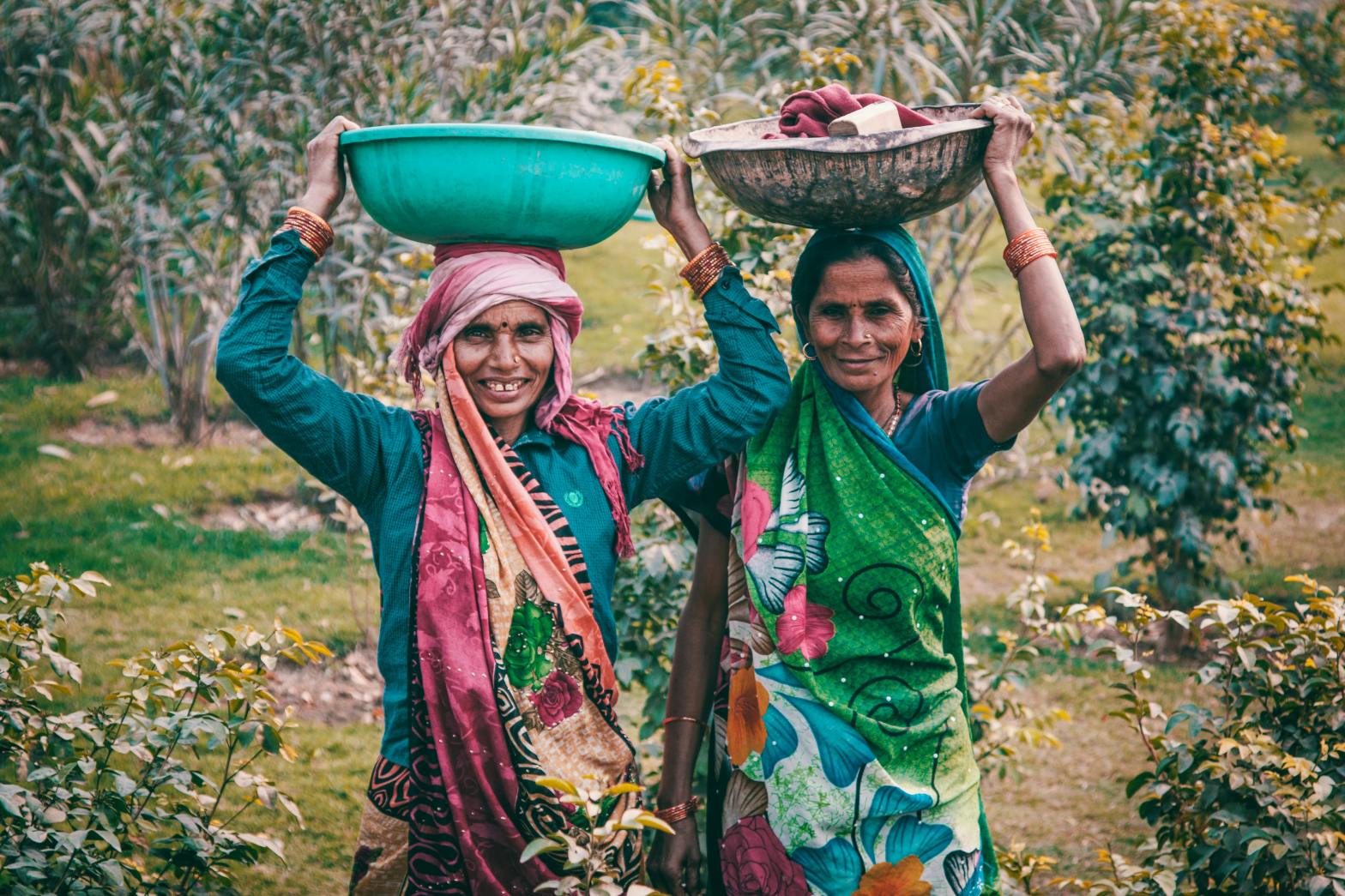
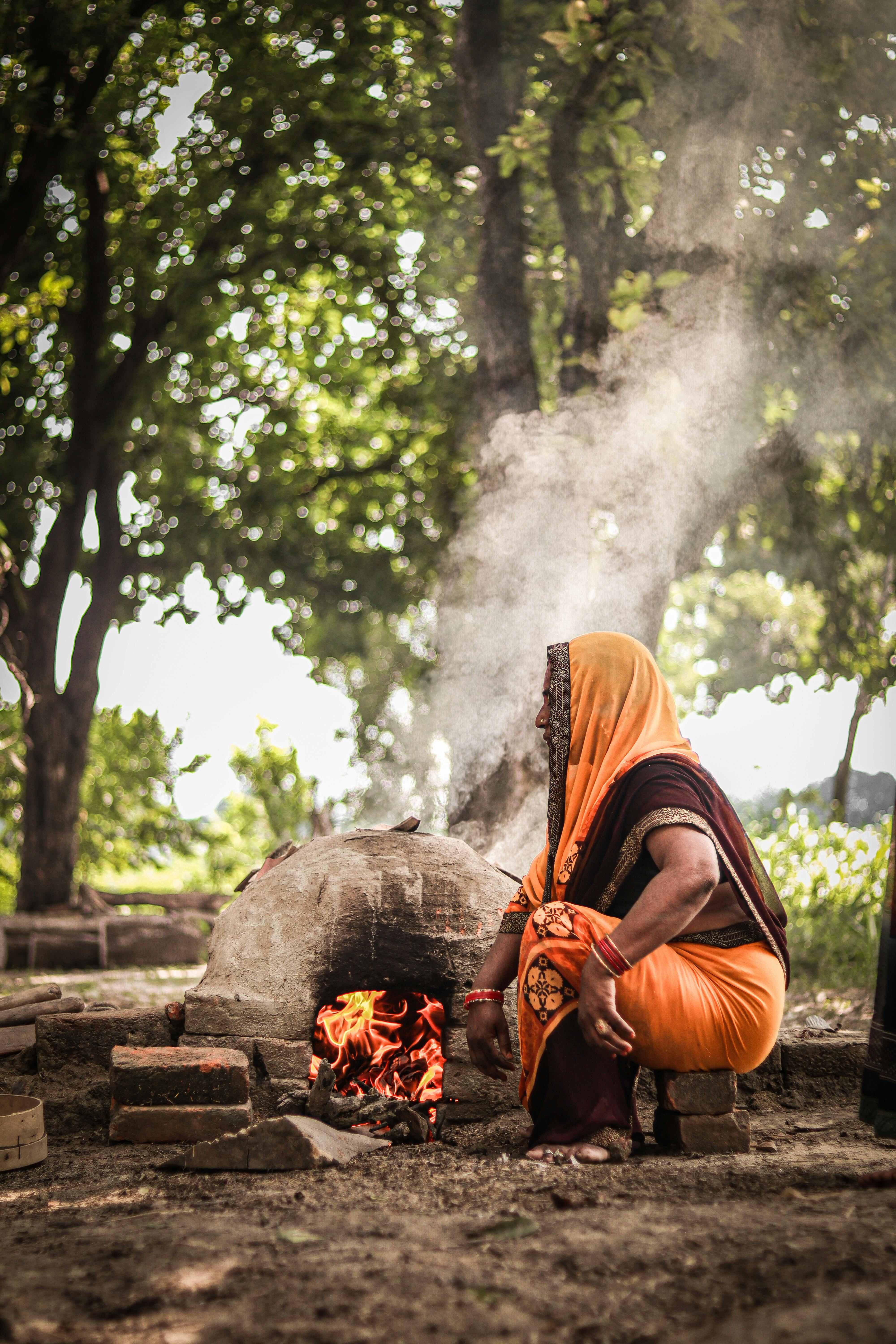
- Women-led cooperatives and traditional livelihoods
- Seasonal tourism aligned with local rhythms and ecological cycles
This ensures tourism complements daily life instead of reshaping it.
How the Vibrant Villages Programme Supports Responsible Tourism
The foundations of the Vibrant Villages Programme align closely with responsible tourism values:
- Community first: Local families lead experiences, not external operators
- Low-impact travel: Small-scale stays over large resorts
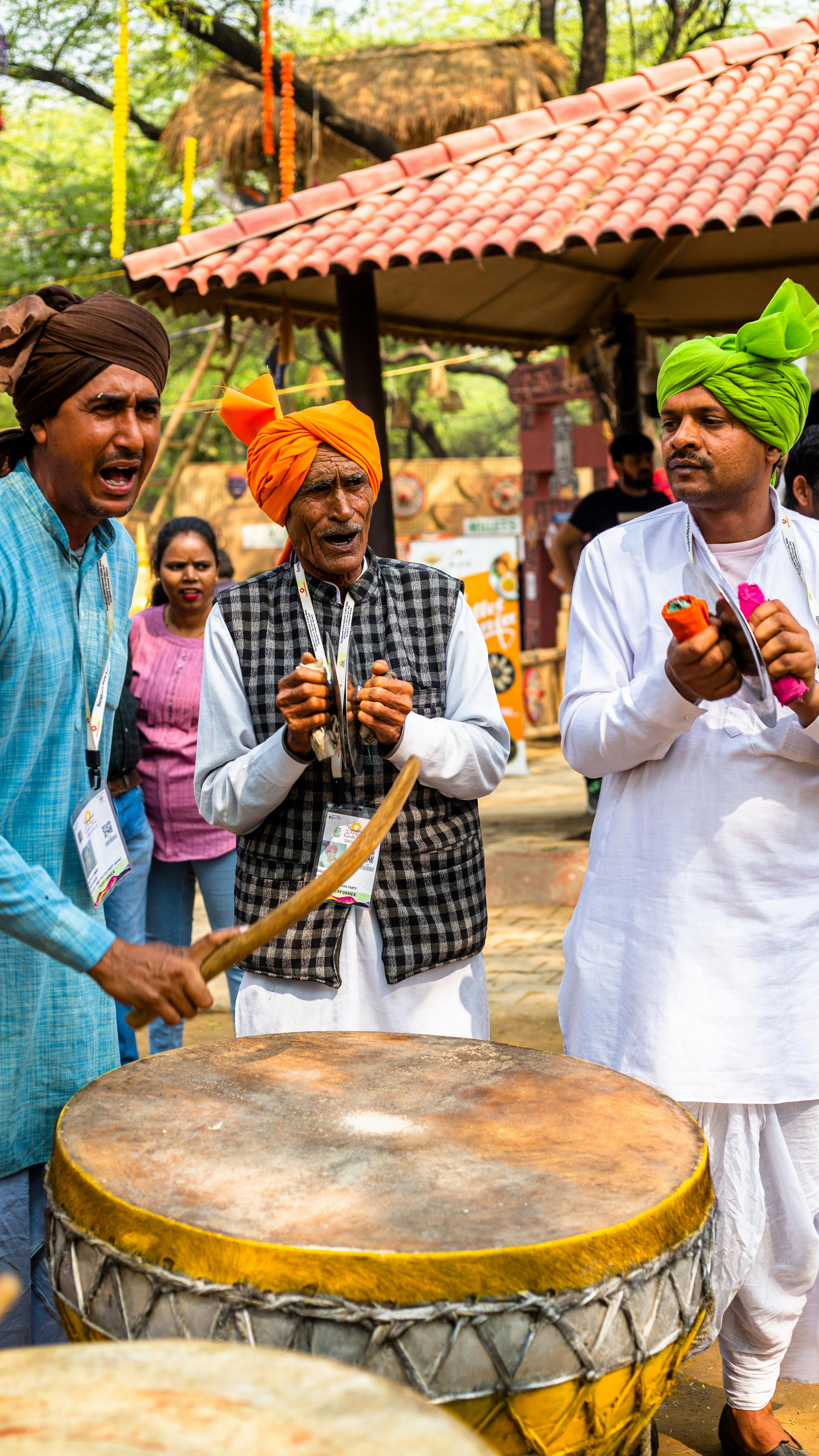
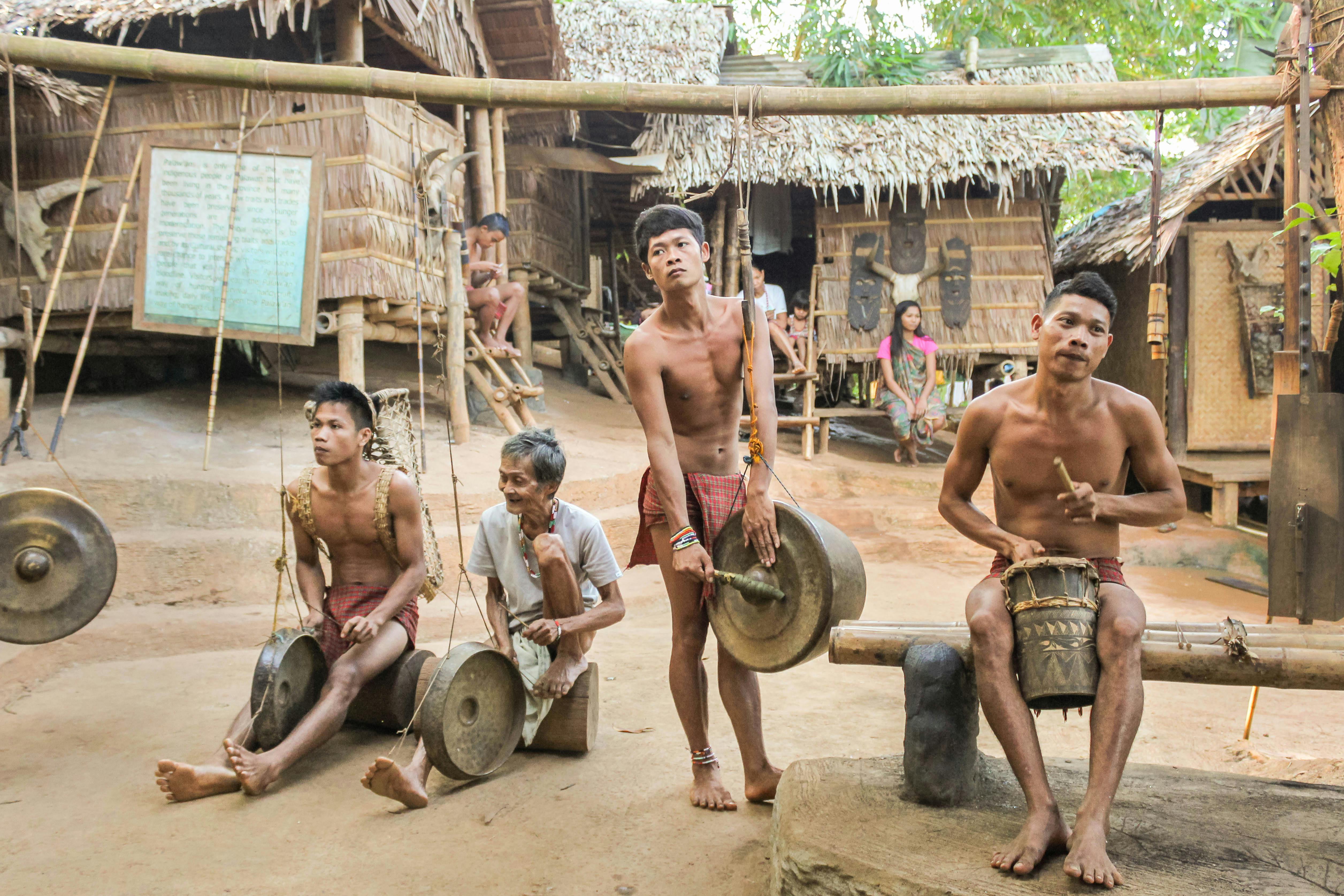
- Cultural continuity: Traditions remain lived practices, not staged performances
- Environmental care: Respect for water scarcity, wildlife corridors, and fragile terrain
Together, these principles ensure tourism supports everyday life rather than overwhelming it.
A Shift Towards Mindful Travel
By encouraging low-impact infrastructure, supporting local economies, protecting fragile ecosystems, and promoting cultural continuity over commercialisation, the programme enables a quieter, more intentional form of travel.
For travellers, this means fewer destinations, deeper connections, and more meaningful journeys. It will also ensure tourism supports communities rather than displacing them.


How Travellers Can Support Responsible Tourism in Border Regions
Many villages are accessible, but travel may be seasonal or regulated, especially in border and high-altitude regions. Travellers should check local guidelines and permits where required.
Responsible travel in Vibrant Villages includes:
- Choosing homestays and locally run accommodations
- Travelling in small groups
- Respecting local customs, festivals, and sacred spaces
- Supporting local food systems and crafts
- Staying longer rather than moving quickly
- Minimising waste and plastic use
The Vibrant Villages Programme presents a rare opportunity to design tourism that is rooted in dignity, sustainability, and community ownership. If implemented thoughtfully, these villages can become living examples of how development and tourism can coexist without compromise.
Responsible tourism begins with how we travel, not just where we go.
Key Reasons for Launching the Vibrant Villages Programme
Strengthening Border Security and Presence: Many of India’s border villages are in strategically sensitive areas. Developing these villages ensures a strong civilian presence and better integration with national security objectives.
Preventing Out-Migration from Remote Villages: Border villages often face harsh living conditions, leading to distress migration. VVP aims to make these villages viable places to live through infrastructure, livelihoods, and services.
Boosting Sustainable Livelihoods: Many border communities rely on traditional livelihoods like agriculture, handicrafts, and animal husbandry. The programme promotes economic opportunities that are locally relevant and sustainable.
Preserving Local Culture and Heritage: Border villages are rich in unique cultural practices, festivals, and traditional knowledge. VVP ensures these are maintained and celebrated, preventing cultural erosion.
Improving Basic Infrastructure and Connectivity: Poor roads, electricity, and digital connectivity isolate border villages. The programme invests in essential infrastructure to improve quality of life and access to services.
Promoting Community-Led, Responsible Tourism: While not the primary goal, tourism emerges naturally as infrastructure and community capacity improve. VVP creates opportunities for slow, responsible, and locally-driven tourism that benefits communities.
Supporting Ecologically Sensitive Development: Many border regions are fragile ecosystems. The programme encourages low-impact development that balances human needs with environmental protection.