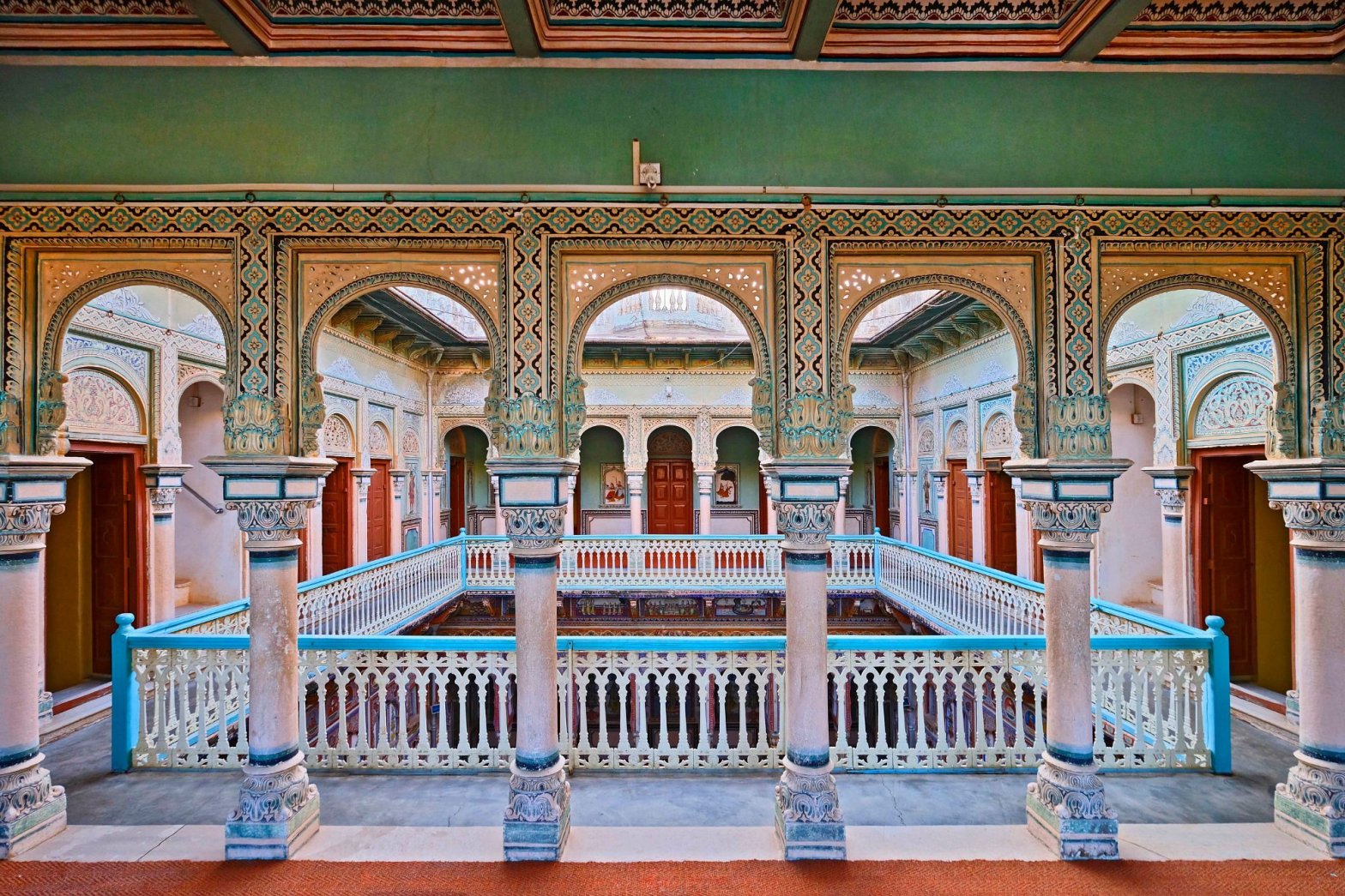
Note: this blog has been updated frequently to add more details
Let’s take a captivating journey through the rich heritage and cultural marvels of Mandawa and Nawalgarh. Nestled in the heart of Rajasthan, both these destinations offer a tapestry of history, architecture, and tradition waiting to be explored. This blog would hopefully unravel a few secrets of the past while celebrating the vibrant present.
The ‘Shekhawati Region’ of Rajasthan is not just a destination but a kind of open-air art gallery with many historical places that reflect the golden era of the Rajput Gharana. The region has historical monuments, magnificent havelis with beautiful frescoes and holds a vivacious vibe. You would be left gaping and in wonder at every corner you visit!!
A bit of History
5 centuries ago, Rao Shekhaji, the grandson of Maharaja Udaikaran of Amer, left Amer to establish his own independent kingdom. Shekhaji’s descendants are called ‘Shekhawati’s’; hence, that’s how the Shekhawati Region got its name.
The old havelis have now been renovated and turned into internationally acclaimed hotels & resorts. You may choose your own itinerary from desert safari to fresco trails, a visit to nearby havelis, along with the popular painting walks across the Shekhawati towns.
Mandawa
Mandawa is where time stands still. A town renowned for its opulent havelis and palatial mansions, Mandawa takes you back to a bygone era of regal grandeur and architectural splendour.
Havelis of Mandawa: Step into the world of royalty as you explore the ornately decorated havelis adorned with frescoes and intricate artwork. Each mansion tells a unique tale of wealth, power, and intrigue, offering a glimpse into the lives of the erstwhile nobility.
Lose yourself in the mesmerising beauty of Mandawa’s open-air art gallery, where every wall serves as a canvas for artistic expression. Admire the vibrant murals depicting scenes from Hindu mythology, Rajput battles, and everyday life.
Local Craftsmanship: Witness the skill and craftsmanship of local artisans as they ply their trade in the bustling bazaars of Mandawa. From intricately embroidered textiles to handcrafted jewellery, the town is a treasure trove of traditional handicrafts.
Mandava offers plenty of stay options. Visit Booking.com or Expedia.com to choose what suits your accommodation needs.
Nawalgarh
Nawalgarh is the crown jewel of the Shekhawati region that stands as a testament to Rajasthan’s rich history and cultural heritage. This enchanting town, steeped in centuries-old traditions, mesmerises visitors with its timeless allure, manifested through its splendid palaces, ornate temples, and intricately adorned havelis.
Additionally, Nawalgarh’s sacred temples, with their towering spires and intricate sculptures, serve as spiritual sanctuaries, resonating with the echoes of prayers offered by generations of devotees. Each temple is a testament to the enduring faith and devotion that have sustained the community for centuries.
However, it is perhaps Nawalgarh’s iconic havelis that truly steal the spotlight, captivating visitors with their exquisite frescoes and elaborate facades. These havelis, built by wealthy Marwari merchants in the 18th and 19th centuries, reflect a blend of Rajput, Mughal, and European architectural styles. These meticulously adorned mansions, once the homes of wealthy merchants and nobles, now stand as living canvases, preserving the intricate artistry and cultural heritage of the region for generations to come.
Poddar Haveli Museum:

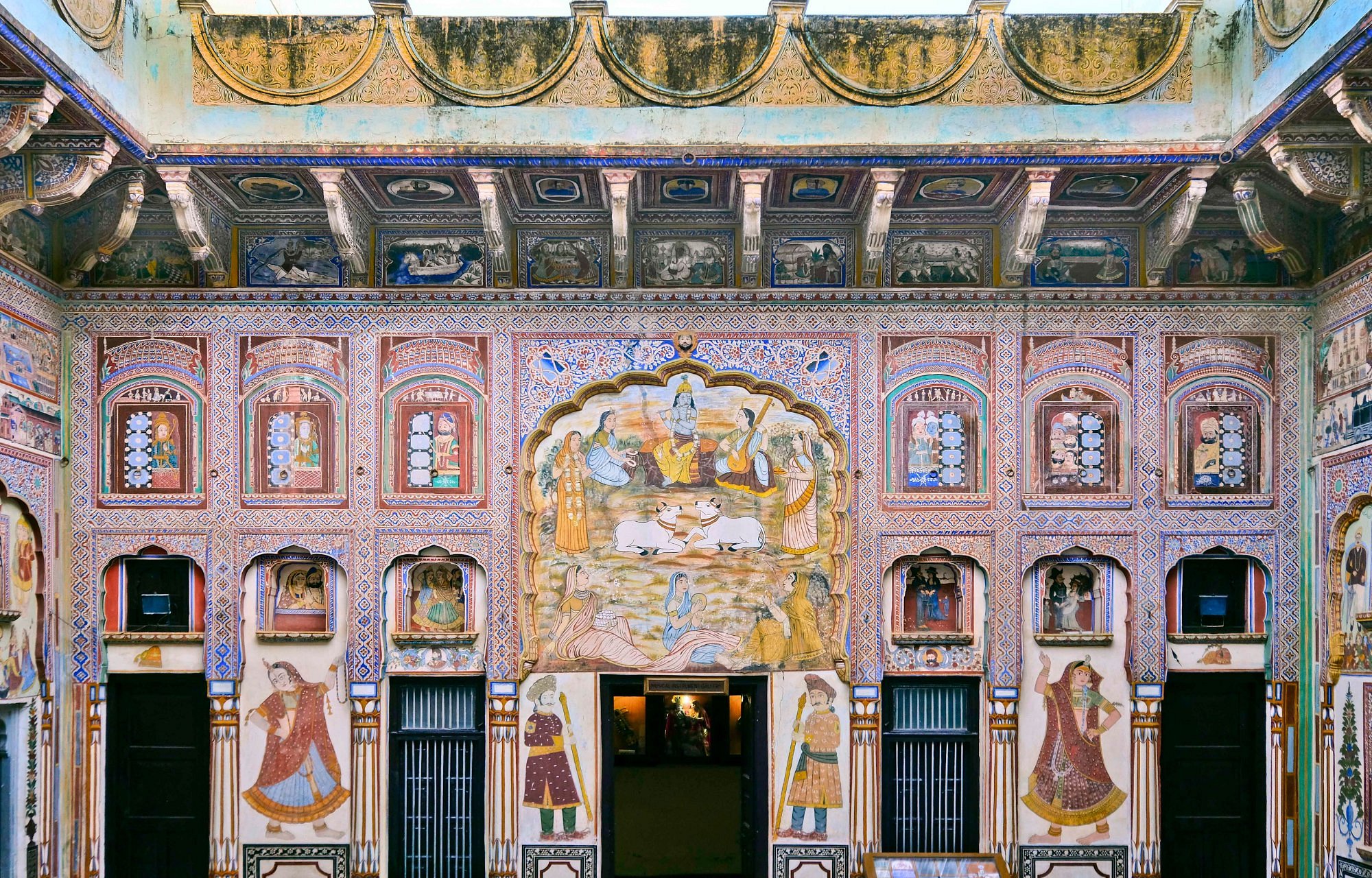

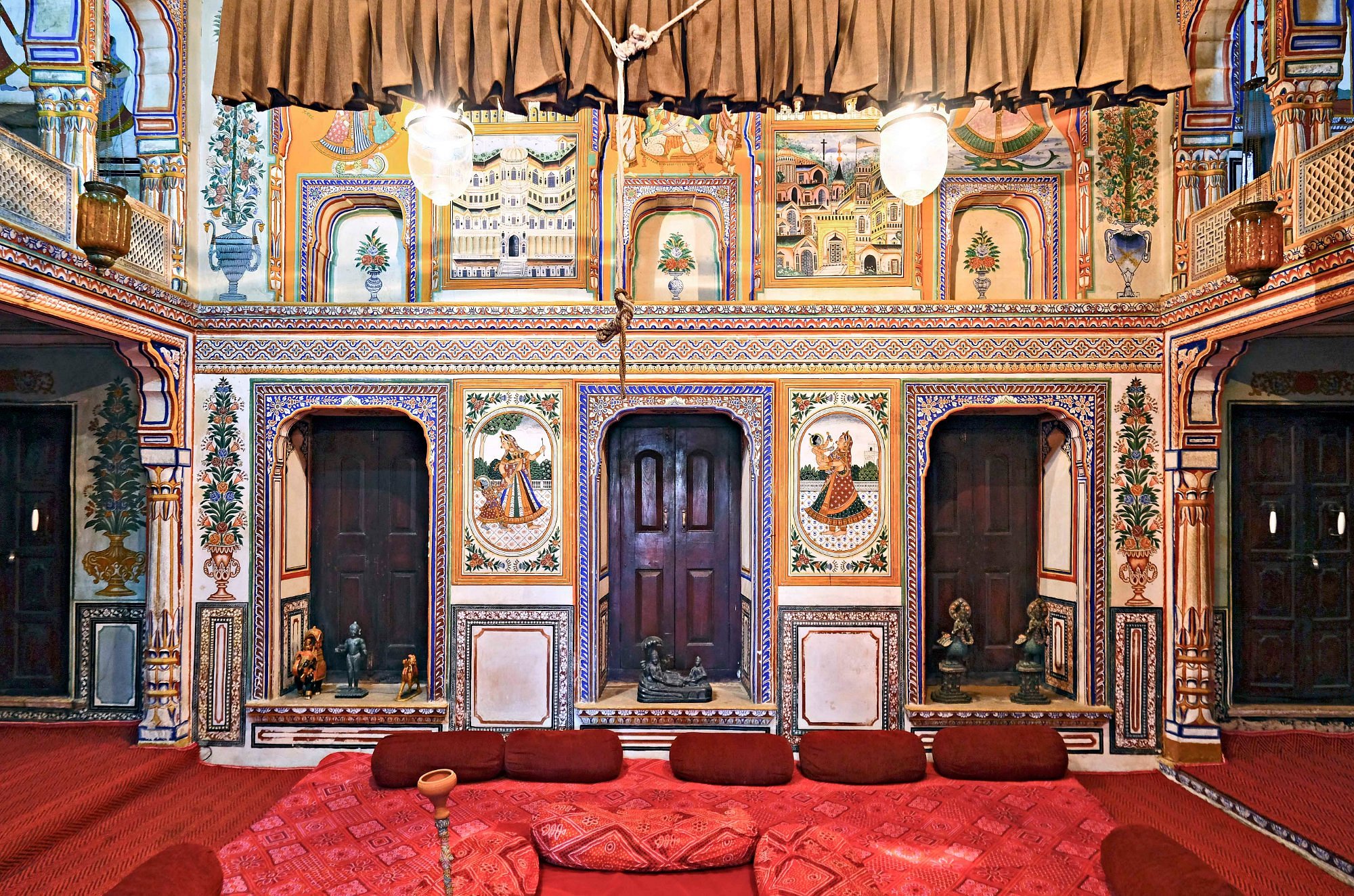
Dr Ramnath A. Podar Haveli Museum is home to a fascinating collection of artifacts, paintings, and antiques. Marvel at the intricate detailing and exquisite craftsmanship that adorn every corner of this architectural marvel.
Morarka Haveli:
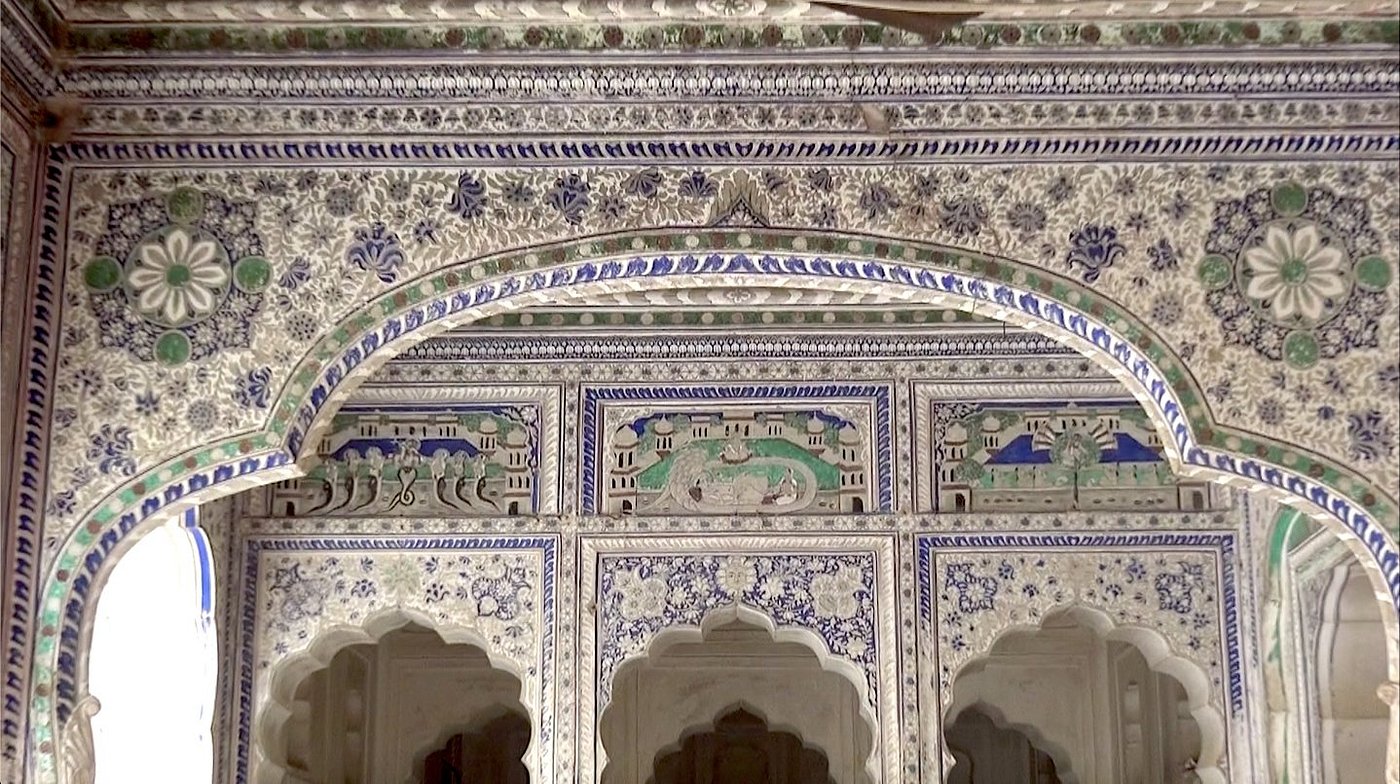
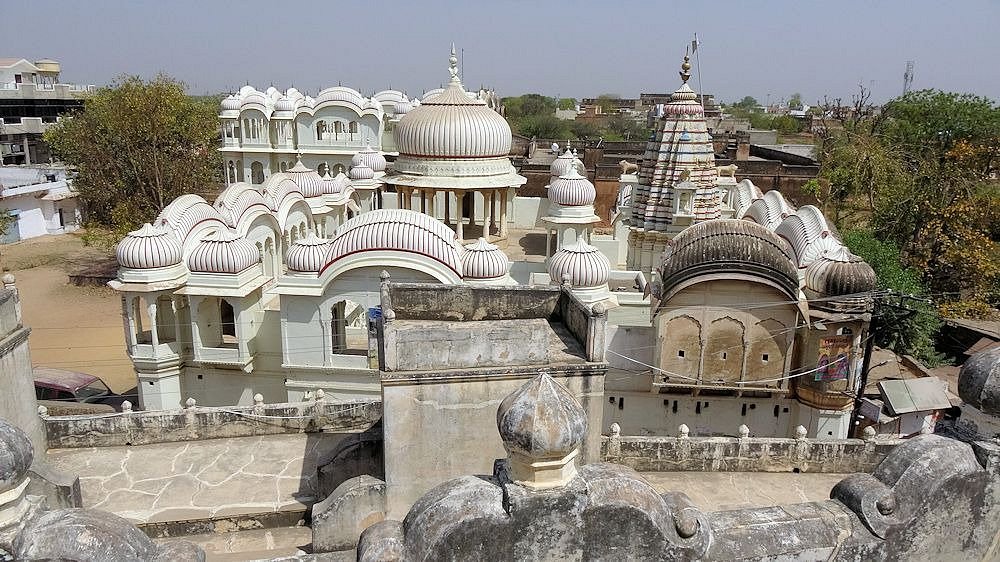
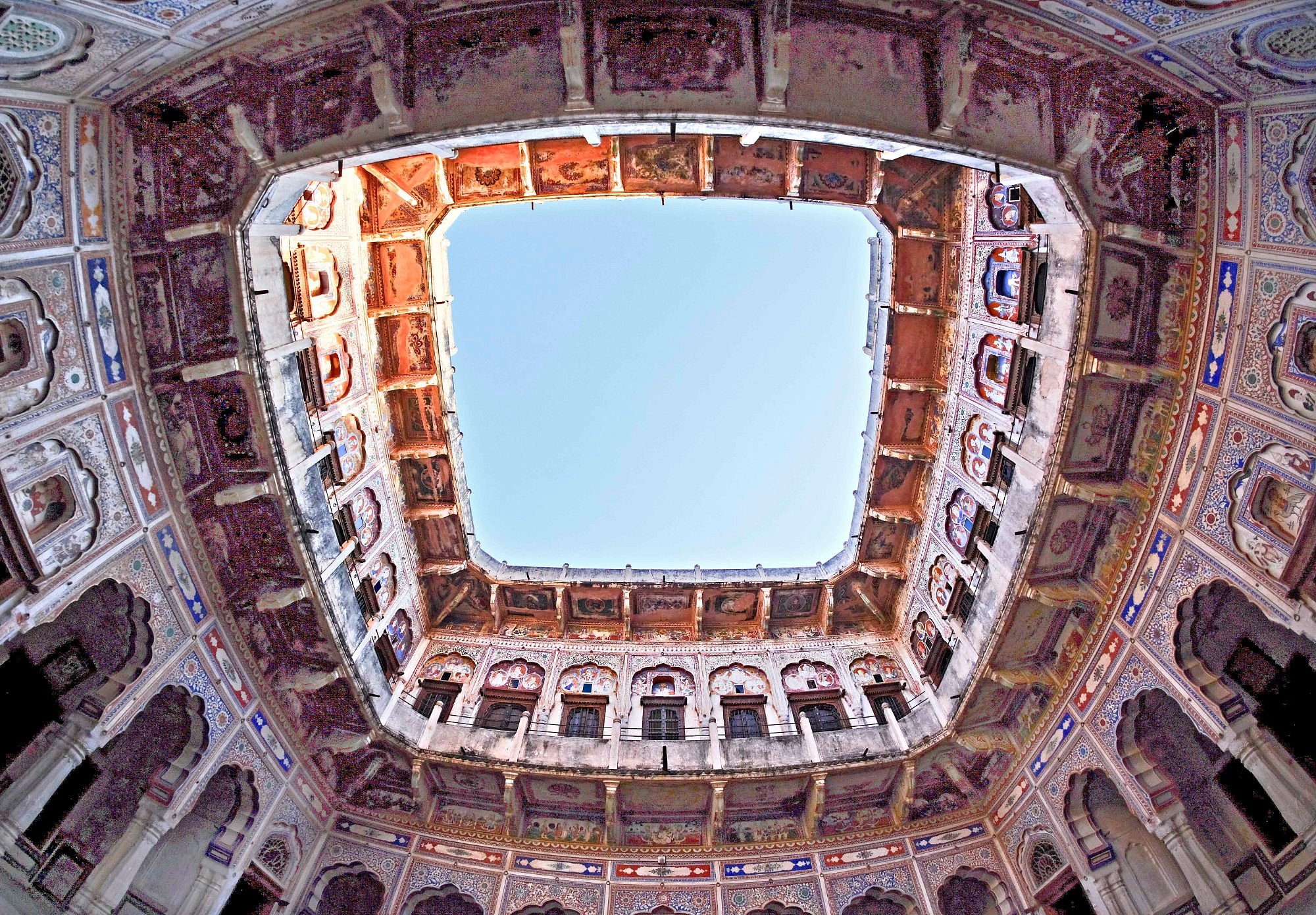
Situated in the heart of Nawalgarh, this haveli is one of the most visited attractions in the town. Built in the 19th century, the haveli showcases the opulence of Marwari merchant families. The haveli features elaborate frescoes depicting mythological tales, daily life, and royal processions.
Notably, a fresco of Lord Jesus can be found on the outer walls, a rare depiction in Rajasthani havelis. The haveli has been converted into a museum, preserving the rich cultural heritage of the region.
Nawalgarh Fort:
Discover the imposing grandeur of Nawalgarh Fort, a testament to the military prowess of the region’s erstwhile rulers. Explore its towering ramparts, majestic gateways, and sprawling courtyards as you soak in panoramic views of the surrounding landscape.
Aath Haveli:
Located on the western side of Nawalgarh Fort, the Aath Haveli complex is easily accessible and offers a glimpse into the grandeur of Rajasthani architecture. The term ‘Aath’ translates to ‘eight,’ referring to the eight havelis that have been combined to form this complex. The complex boasts a large central courtyard surrounded by intricately designed rooms.
Visitors can admire the finest frescoes and murals, showcasing the artistic prowess of the era.
Other prominent havelis include:
Jodhraj Patodia Haveli, Bansidhar Bhagat Haveli, and Chokhani Haveli.
Local Culture: Immerse yourself in the vibrant culture of Nawalgarh as you witness traditional dance performances, folk music recitals, and colourful festivals. Engage with the friendly locals and gain insight into their way of life, customs, and traditions.
Blogs written by other people worth reading:
The Painted Havelis of Shekhawati by Snigdha Sharma in Outlook Traveller.
Explore More Places Near Mandawa & Nawalgarh
Jhunjhunu
Once the capital of the region and its largest town, Jhunjhunu is home to several beautifully painted havelis, an old palace, and numerous temples. While historically significant, it doesn’t quite have the intimate charm of the smaller villages.
Fatehpur
Founded in the mid-15th century and taken over by the Shekhawati Rajputs in the 18th century, Fatehpur boasts many painted havelis. Highlights include the Devra and Singhania Havelis, which feature frescoes blending Indian and Western styles. Notably, the mirror work at the entrance includes Japanese tiles depicting Mount Fuji. Another must-see is the Nadine le Prince Haveli, restored by a French artist and now operating as a boutique hotel with several art galleries. Visitors can explore the haveli with a guided tour (entry fee: ₹500), often led by a French student.
Ramgarh
Once one of Shekhawati’s wealthiest towns, Ramgarh is particularly notable for its temples, which offer a refreshing contrast to the region’s havelis.
Mahansar: A charming small town founded by the Podder family, Mahansar flourished as a centre for opium and chintz trade. Key attractions include Mahansar Fort, which now houses a heritage hotel where visitors can enjoy lunch, and the Sone ki Dukan (Golden Shop), famous for its gold-painted murals depicting stories from Hindu mythology.
Dunlod: Located south of Mandawa on the way to Nawalgarh, Dunlod is home to a handful of havelis with striking murals and a central fort, offering a quieter yet fascinating glimpse of Shekhawati heritage.
Mukundgarh
Renowned as a craft hub, Mukundgarh features one of the region’s largest havelis as well as a historic fort, making it a rewarding stop for travellers interested in art, architecture, and local craftsmanship.
All these places can be visited in 2-3 days.
Location & Distance Guide
Best Route: Delhi–Gurgaon–Dharuhera–Rewari–Narnaul–Chirawa–Bagar–Jhunjhunu–Mandawa
Eating Options en route: Rahul Dev’s sweet shop near Narnaul offers rasmalai and freshly made pedas. Choudhary ka Dhaba, located between Rewari and Narnaul, offers over-stuffed parathas and dahi at nominal prices.
- Distance from New Delhi: 255 kms (5.3 Hours)
- Distance from Gurgaon: 225 kms (4.5 Hours)
- Distance from Jaipur: 175 kms (3 Hours)
- Distance from Jodhpur: 342 kms (6.5 Hours)
- Distance from Agra: 405 kms (7 Hours)
Discover more from GoTravelTrek
Subscribe to get the latest posts sent to your email.

V good info. Nice post
LikeLike