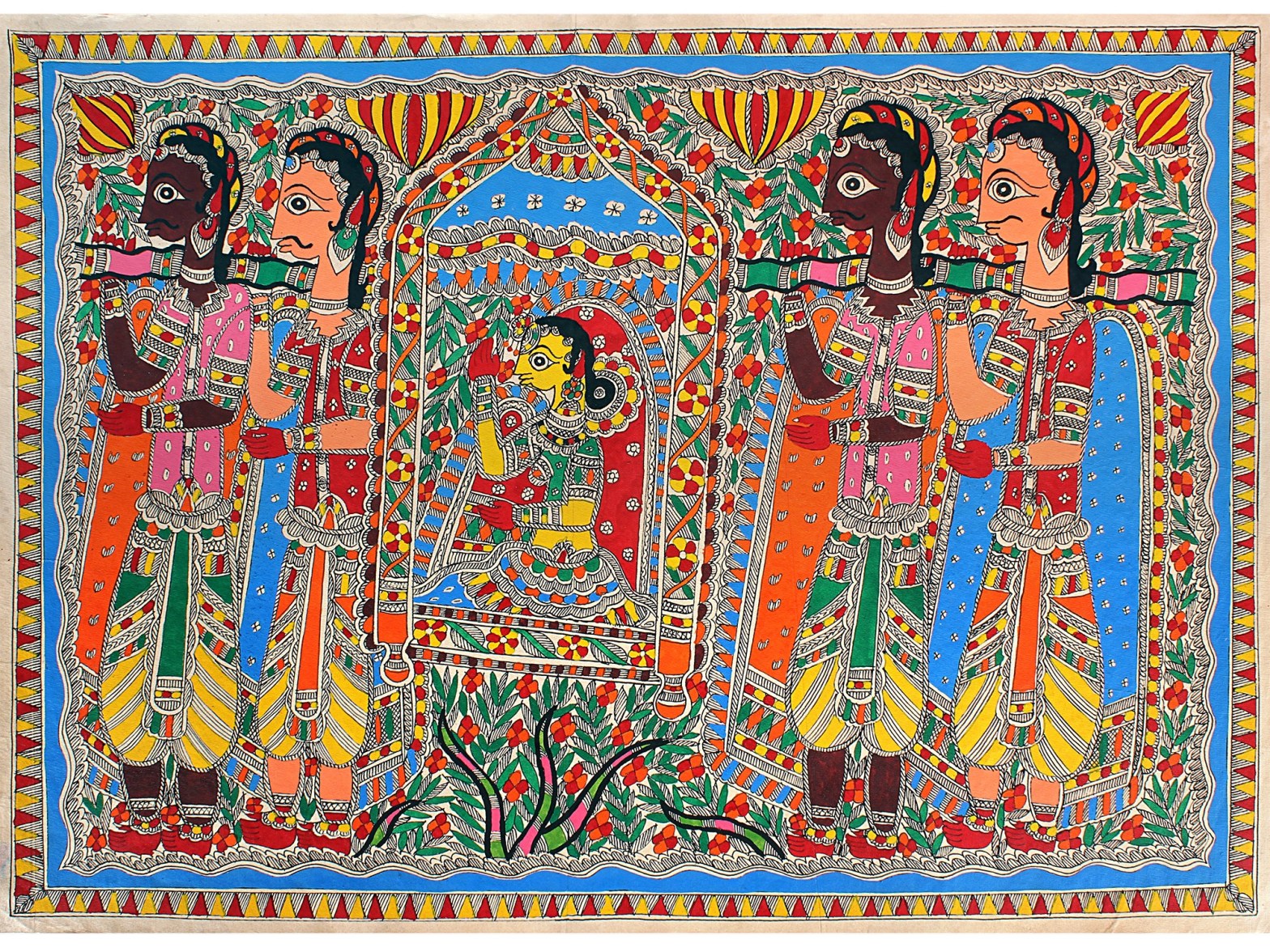
The word “Madhubani” means forest of honey, and the region hums with that sweetness of tradition and ritual. Welcome to the story of Madhubani painting, also known as Mithila art, a tradition that moved from village courtyards to international galleries without ever losing its roots.
Local legend ties its origin to the wedding of Sita and Rama. It is said that King Janak ordered the walls of his kingdom to be adorned with paintings to celebrate the occasion. Whether history or legend, the story reflects something true: painting has long been woven into Mithila’s ceremonial life.
For centuries, women painted the inner and outer walls of their homes during weddings, births, and festivals. These murals were known as Kohbar paintings when created for marriage chambers. The marriage chamber, known as the kohbar ghar, was especially important. Its walls were covered in fertility symbols, lotus ponds, bamboo groves, fish, birds, and divine couples.
The walls became storytellers and these images were blessings made visible, ensuring prosperity, harmony, and continuity.
A Language of Symbols
Madhubani paintings are instantly recognisable.
There is no perspective in the Western sense. Figures are flat, bold, frontal. The background is never empty. Space is filled with vines, flowers, cross-hatching, and repeating motifs.
- Fish swims in patterned waters, symbols of fertility and prosperity.
- Peacocks stand tall, embodiments of love and grace.
- Lotus flowers bloom from intricate geometry, representing divine beauty.
- The sun and moon watch from the corners, cosmic witnesses to human life.
Even the materials were local and came from nature:.
- White from ground rice paste.
- Yellow from turmeric.
- Blue from indigo.
- Red from kusum flowers or red clay.
- Black from soot.
Brushes were made from twigs or bamboo sticks and sometimes fingers did the work. It was sustainable, intimate, and deeply connected to the land.
The Turning Point: When Walls Became Paper
For generations, these paintings existed only on mud walls. Rain would wash them away and new ceremonies meant new paintings.
Then in 1960, Bihar was struck by severe drought. Northern Bihar faced economic hardship. During this period, members of the All India Handicrafts Board encouraged local women to transfer their wall paintings onto paper for sale. What began as a survival strategy became a cultural turning point.
Artists like Sita Devi, Ganga Devi, and Jagdamba Devi (1901–1984) emerged as leading figures. Their work retained traditional themes but gained portability. Paintings could now travel beyond the village. Exhibitions in Delhi introduced Madhubani art to collectors, and soon the art form travelled abroad. Museums began acquiring them.
Today, Madhubani paintings are displayed in museums in India, Japan, Europe, and the United States. In Japan, the Mithila Museum in Tokamachi would eventually house one of the largest collections of this art form outside India.
Madhubani had stepped into the global art world. Murals became portable. Stories became collectible and the village art stepped onto the global stage.
But here is what makes the story extraordinary: even as it globalized, it remained rooted in community.
Unlike many art movements shaped by individual fame, Madhubani remained deeply collective. Entire villages continued to practice it. Techniques were passed from mother to daughter. Styles diversified yet remained anchored in tradition.
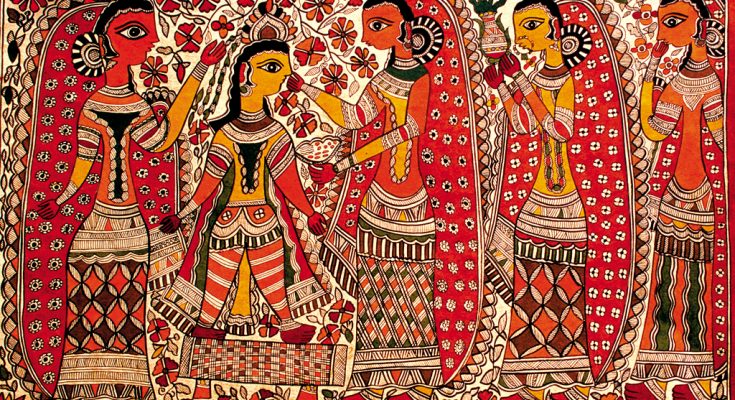
Know about the Legendary Artists of Madhubani Paintings
Before their names appeared in catalogues or on award lists, they were simply daughters, wives, mothers in small villages of Mithila.
The story of Madhubani painting cannot be told without the women who transformed it from ephemeral wall art into a recognised global art movement.
Sita Devi (1914–2005): Sita Devi was from Jiwatpur and emerged as one of the earliest artists to translate traditional wall paintings onto paper in the 1960s. Her style was bold, vibrant, and confident. Where earlier works were often restricted in palette, Sita Devi embraced strong reds, yellows, and blues. Her compositions felt expansive, almost orchestral in their rhythm.
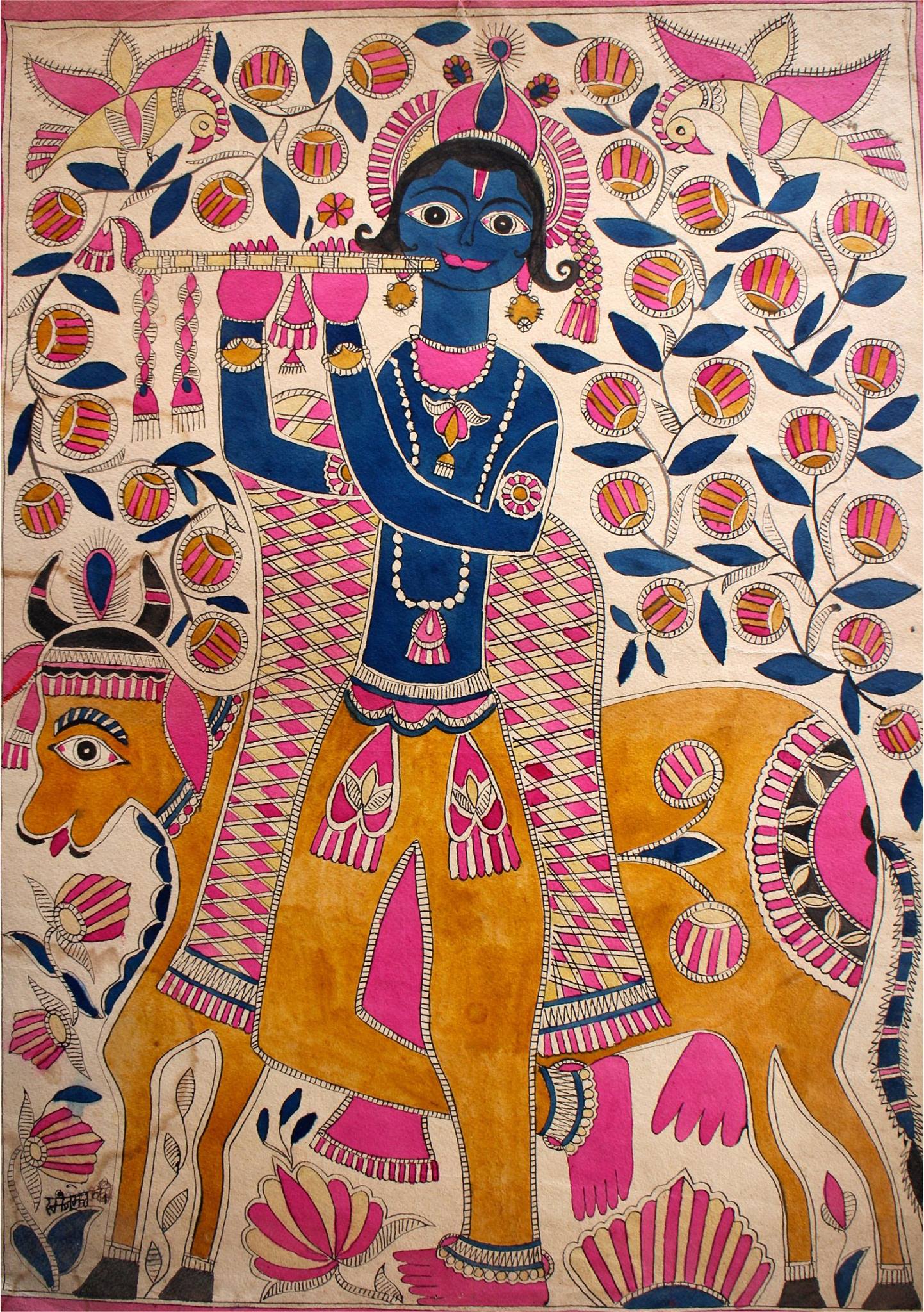
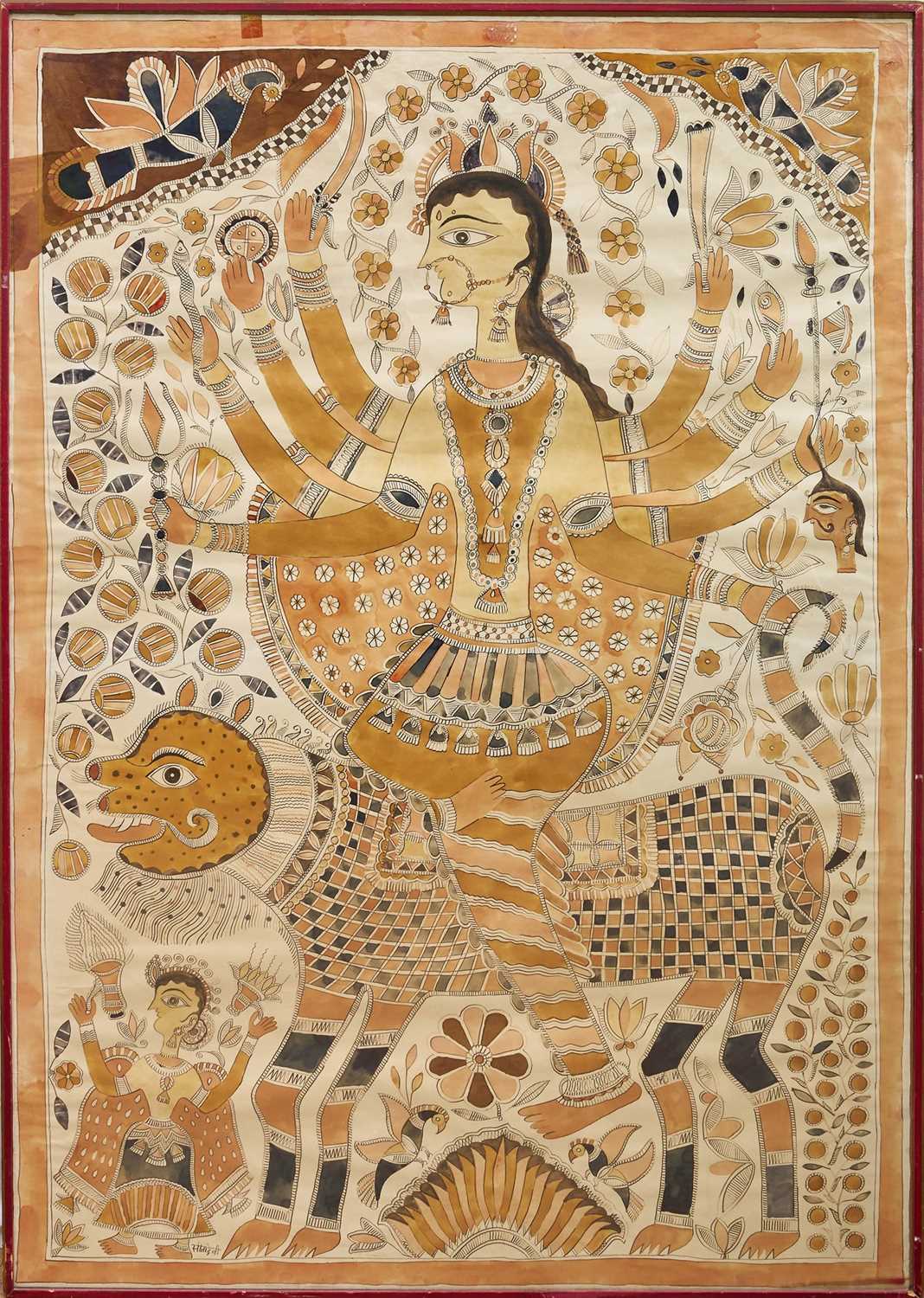
She specialised in the Bharni style, known for rich colour filling within strong outlines. Her depictions of Hindu deities, especially Durga and Krishna, carried both grace and authority. Her work travelled beyond India, reaching exhibitions in the United States and Europe. She was awarded the Padma Shri, one of India’s highest civilian honours, a remarkable recognition for a village-based folk artist at the time.
Ganga Devi (1928 – 21 January 1991): If Sita Devi expanded colour and Jagdamba Devi brought national attention with her narrative depth that felt almost autobiographical.
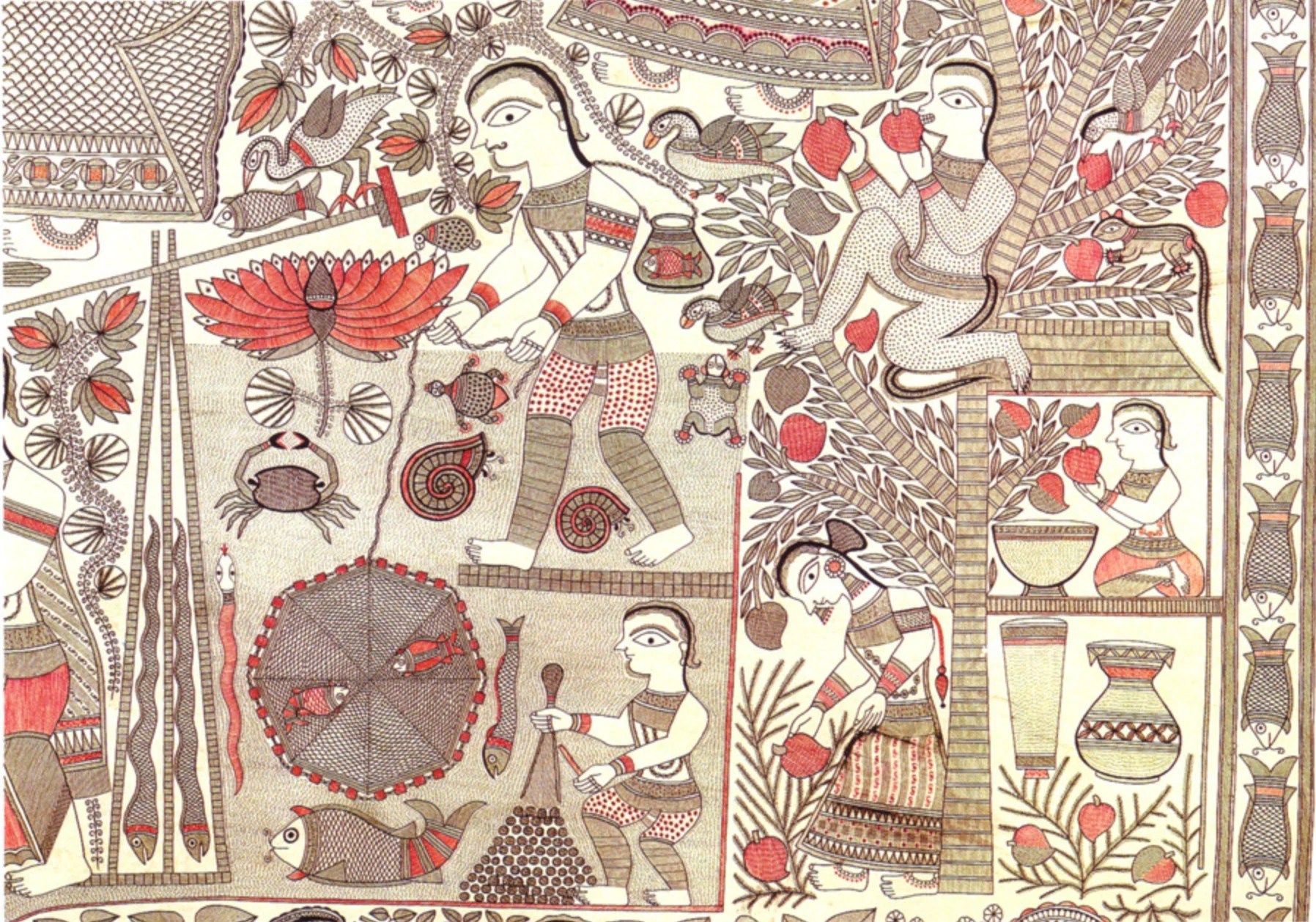
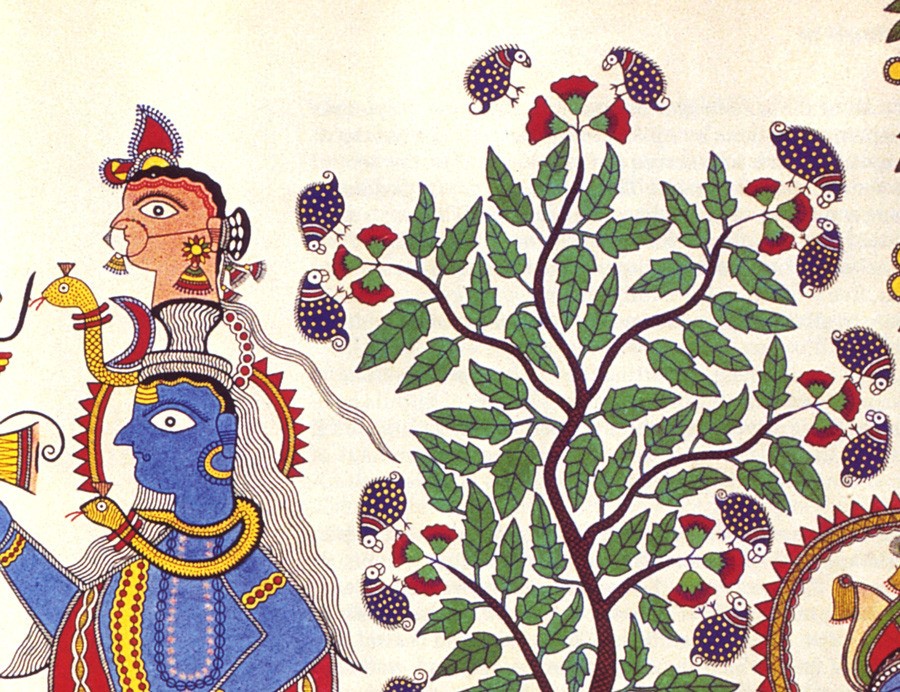
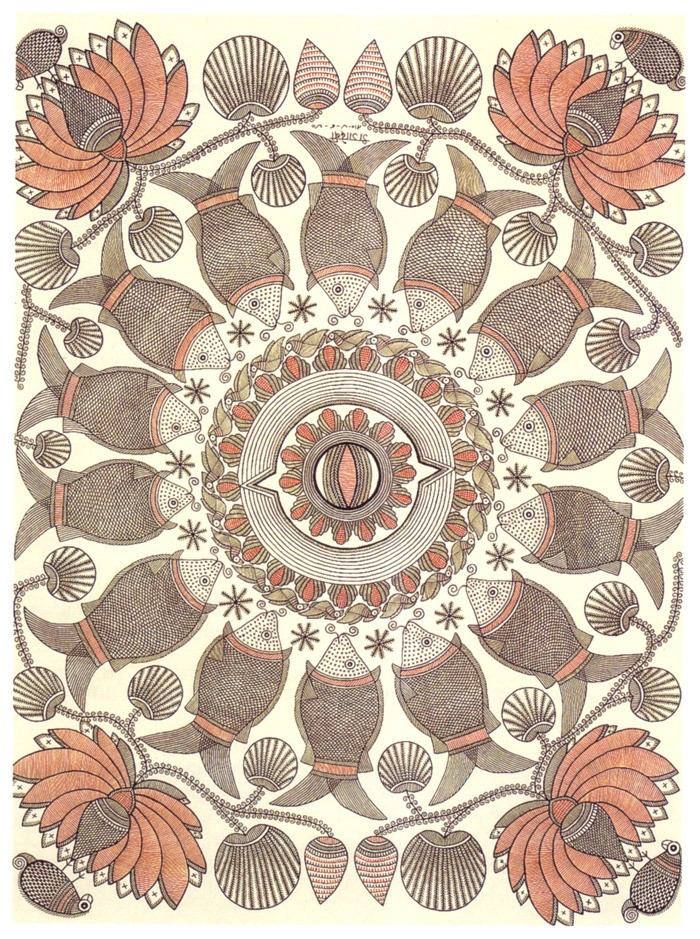
Her work is often described as lyrical and detailed, defined by delicate linework characteristic of the Kachni style. But what set her apart was her willingness to document lived experience.
During her visit to the United States in the 1980s, she created a remarkable series depicting her journey abroad. Airports, skyscrapers, foreign streets, all interpreted through the lens of Mithila art. It was a rare fusion of traditional technique and contemporary experience.
Later, while battling cancer, she painted scenes from hospital life, transforming personal struggle into visual testimony. Ganga Devi’s work expanded Madhubani beyond mythology into memory and autobiography.
Jagdamba Devi (1901–1984): Also from Jitwarpur, Jagdamba Devi became one of the first Madhubani artists to receive national recognition.
Her works were deeply rooted in tradition, often reflecting ritual themes and mythological narratives. She mastered both Bharni and Kachni styles, balancing colour with intricate linework.
In 1975, she was awarded the Padma Shri, marking a pivotal moment for Mithila art’s acceptance within mainstream Indian art discourse. Her success encouraged other women in her village to begin painting on paper, turning Jitwarpur into one of the most recognised Madhubani art hubs in Bihar.
Other influential artists
The Madhubani revival was not built by three names alone. It was a collective flowering.
Mahasundari Devi (15 April 1922 – 4 July 2013) : Born in the Chatra village of the Madhubani district, Mahasundari Devi was a master artist who helped formalise training and documentation of Madhubani art. She played a vital role in mentoring younger artists and preserving traditional methods.
She was awarded the Tulsi Samman by the Government of Madhya Pradesh in 1995, and received the Padma Shri award in 2011 from the Government of India.
Baua Devi: Born in 1940s in Jitwarpur, Bihar, Baua Devi is known for her fine linework and disciplined compositions. She has received a national award in 1984, and was honored with the Padma Shri in 2017 for her contributions and continues to inspire a new generation of painters.
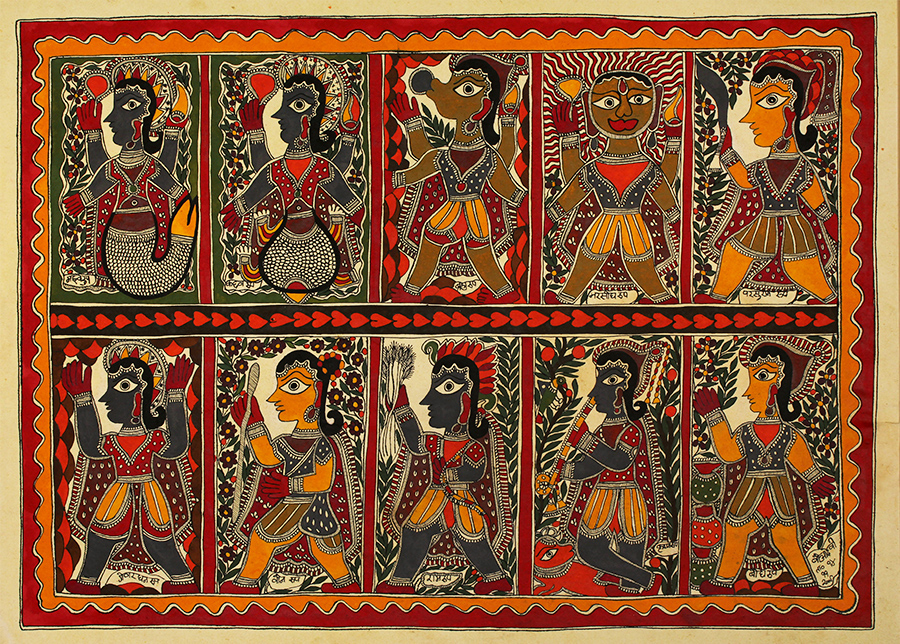
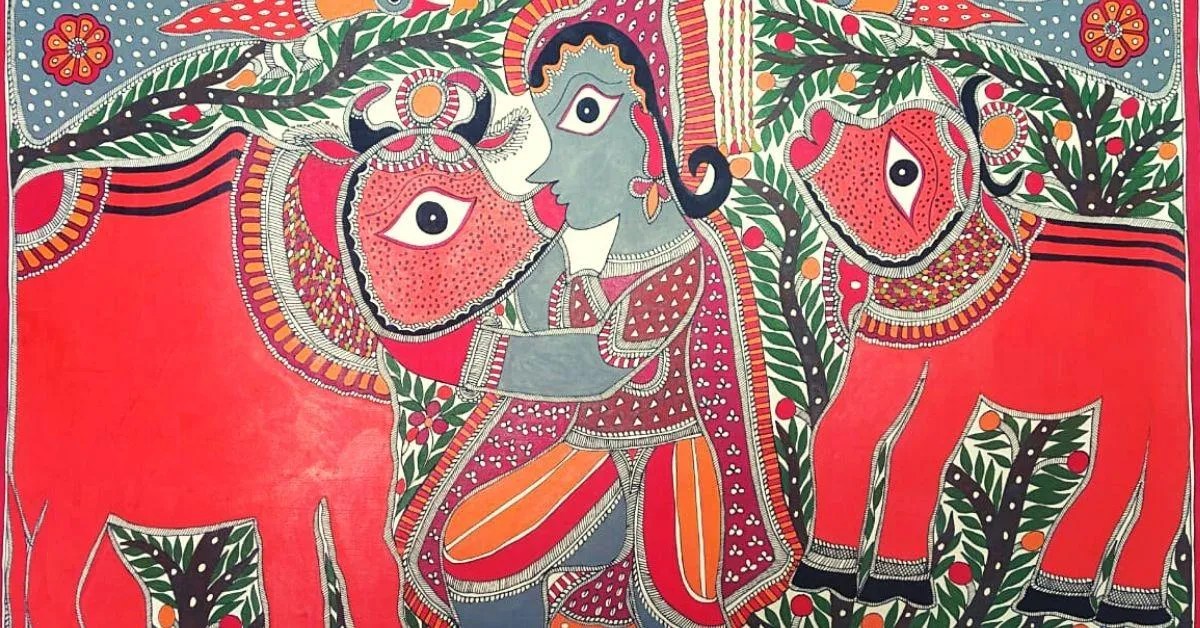
Yamuna Devi (1915- 2011) : Born at Jitwapur, Bihar, Yamuna Devi was the first untouchable among the Mithila women painters to be honoured with a National Award. She was recognised for her vibrant religious themes and refined Bharni style.
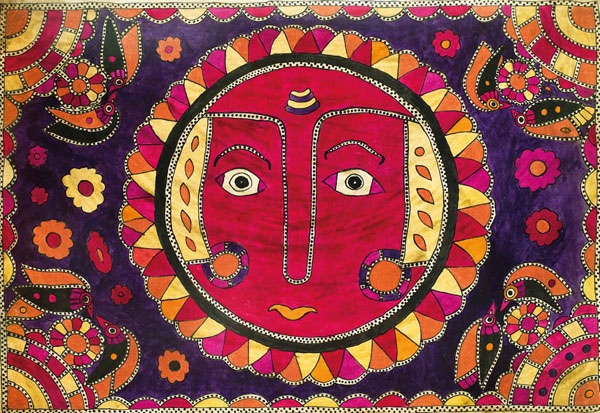
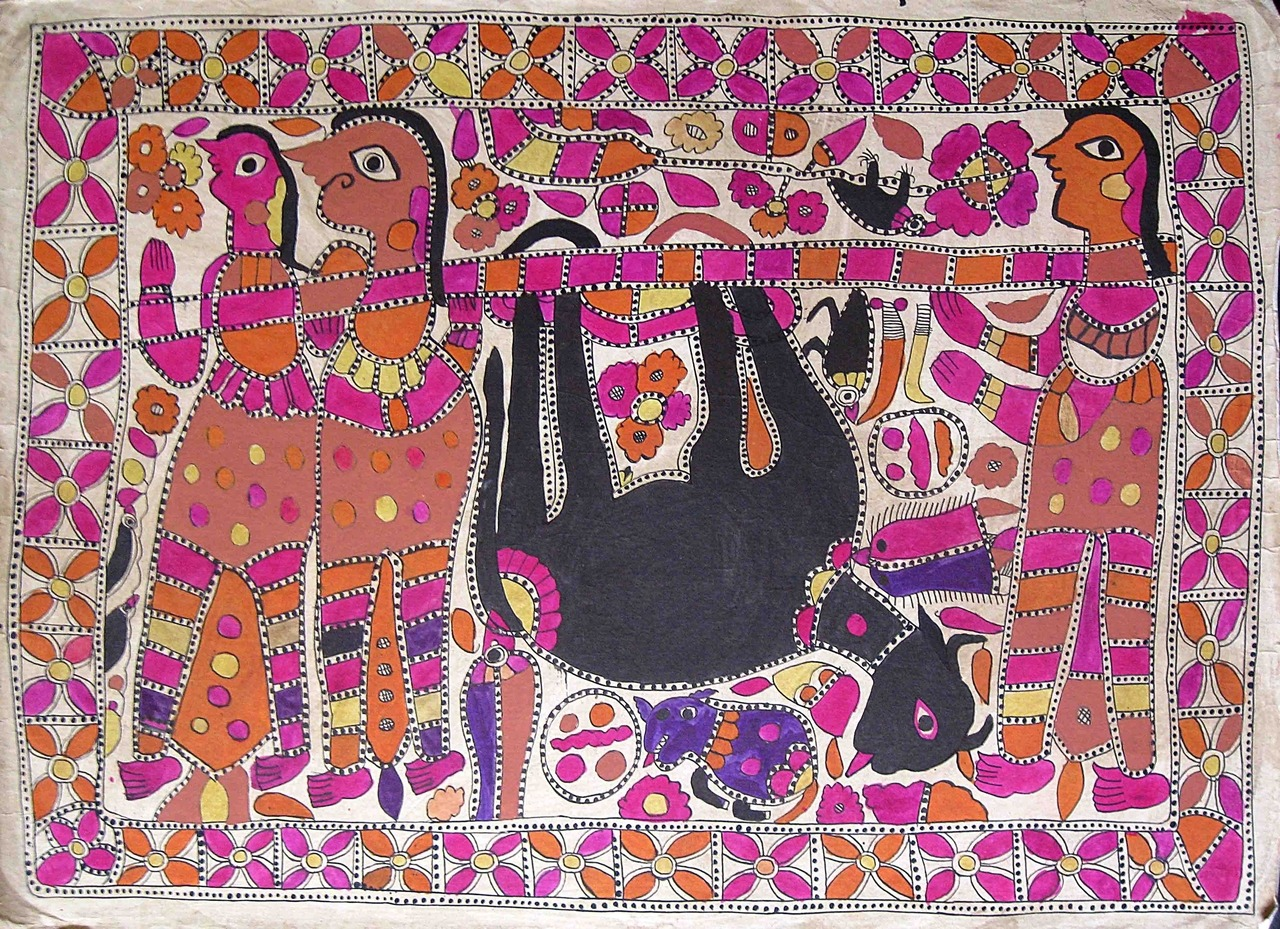
Godavari Dutta (1930 – 14 August 2024) : One of the early artists to experiment with commercial formats while maintaining ritual integrity.
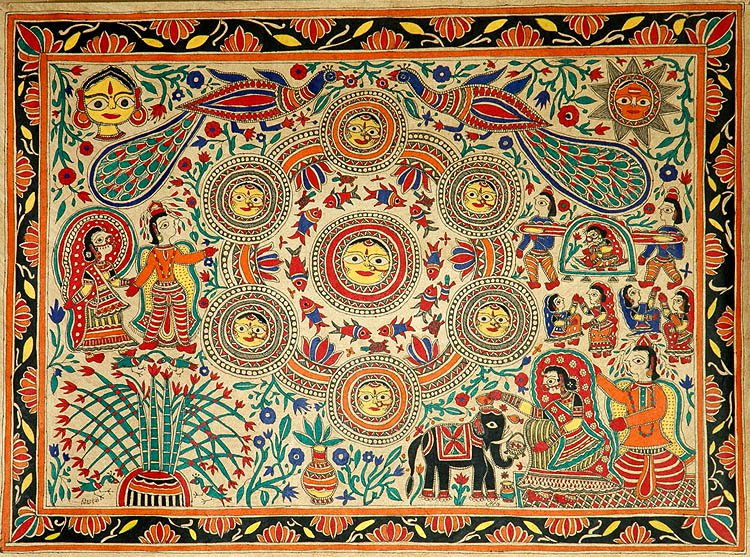
Chano Devi (1938 – 2010) and Bharti Dayal (1961): Representing a newer generation, Bharti Dayal in particular has brought Madhubani into contemporary gallery spaces with large-scale works and modern themes while maintaining traditional aesthetics.
A Kumar Jha: Born in 1976 into the living tradition of Madhubani, A Kumar Jha uses organic paint on handmade paper. His art is immediately recognisable. Every inch of the canvas alive with intricate line work, mythological figures, birds, flora, and geometric rhythms that pull the eye deeper the longer you look.
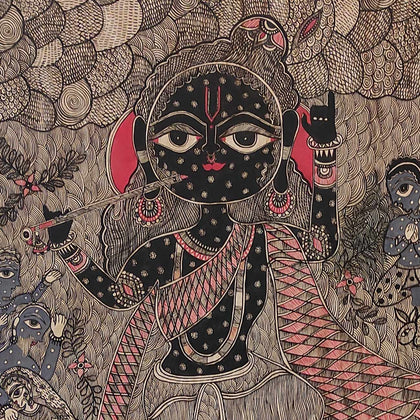
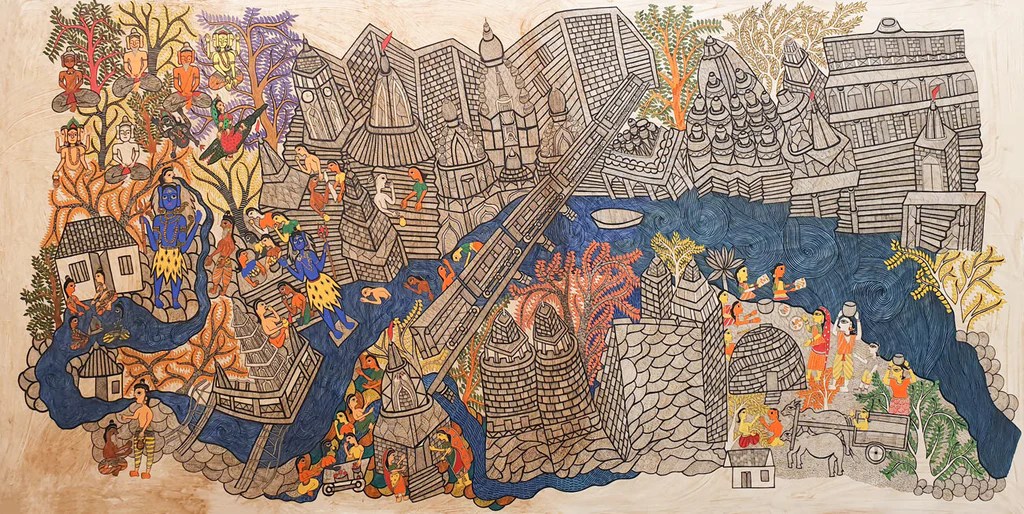
While rooted in Hindu mythology, Jha also focuses a lot on the fading memory of the Ganga. His paintings not only depicts landscape but loss, reverence, and cultural memory in a single breath. Recipient of a National Merit Certificate by the Government of India (2016) and the INTACH Martand Singh Memorial Award (2019), Jha is both a guardian of tradition and a quiet documenter of a world worth remembering.
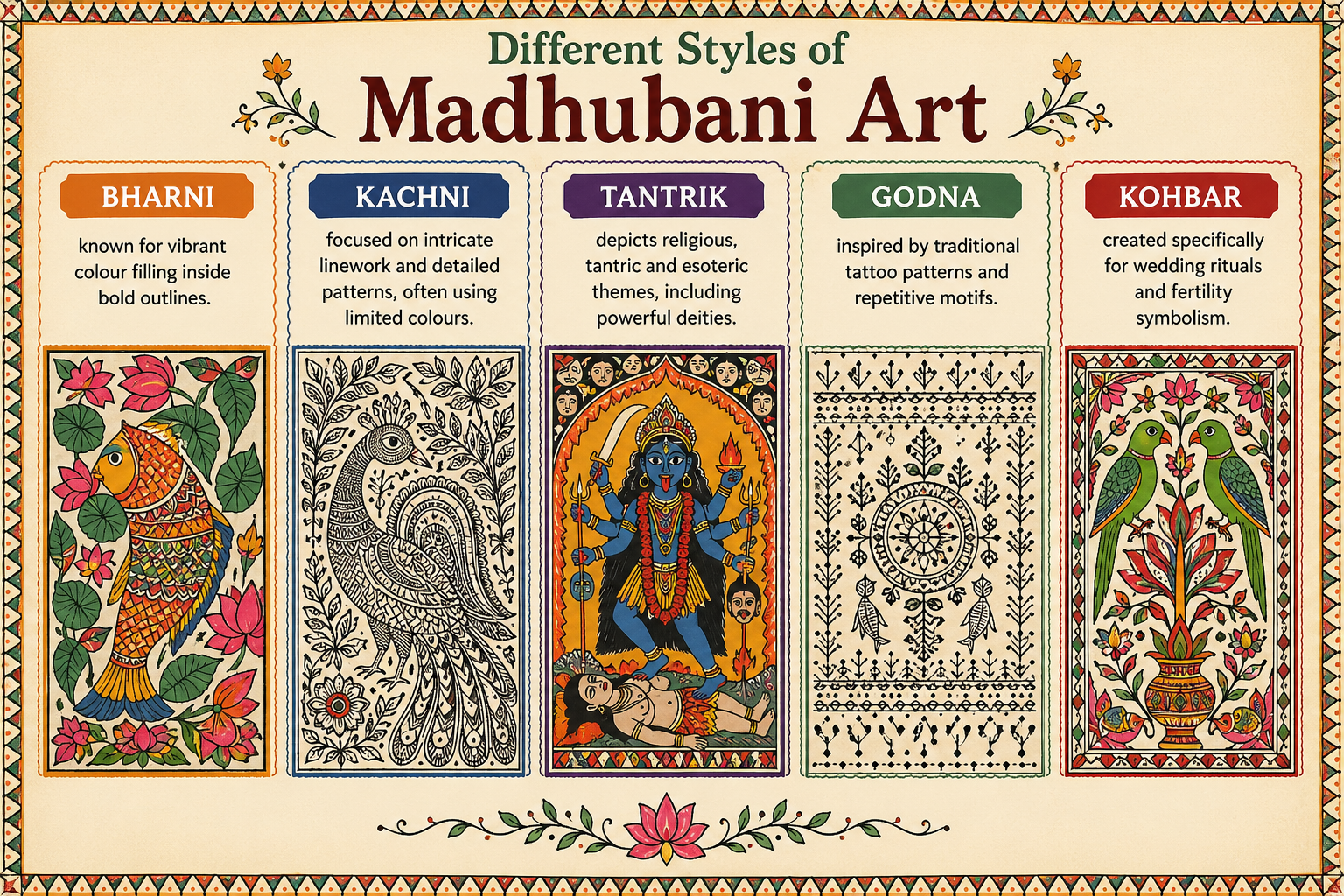
Different Styles of Madhubani Art
Each style reflects social identity, caste traditions, and evolving artistic voices. Today, artists experiment across styles while maintaining traditional elements.
Visiting Mithila
If you travel through northern Bihar toward Madhubani district, you may still see walls blooming with painted deities and vines. The art has not left its birthplace.
In villages such as Jitwarpur and Ranti, artists continue to work from their homes. Visitors can witness paintings being created in courtyards, much as they were generations ago.
There is something humbling about standing where the tradition was never meant to leave. Because in its purest form, Madhubani was not created for commerce.
It was created for continuity.
Despite its presence in global galleries, Madhubani remains rooted in community traditions. During wedding seasons in Mithila, walls are still painted. Ritual continues. Stories are still told through colour.
Where to buy authentic Madhubani paintings
If you are searching for authentic Madhubani paintings, here are some reliable options:
Buy directly from artists in Bihar
Visiting villages like Jitwarpur allows you to purchase directly from artisans, ensuring authenticity and fair compensation.
Government Emporiums
- Central Cottage Industries Emporium in major Indian cities
- State handicraft emporiums
- National Crafts Museum shop in Delhi
Trusted online platforms
- Government-supported handicraft portals
- Direct & Specialist Madhubani Art Platforms
GI Heritage
A collection of Geographical Indication–certified Madhubani art with origin authenticity (natural paints on khadi).
www.madhubani.co.in
A site by a contemporary Mithila artist (Vidushini Prasad) offering original Madhubani paintings, wearable art, journals, décor and more — all handpainted.
janaknandanicreation.com
Handpainted pieces that tell cultural stories with free shipping above certain orders and custom design options.
www.hastakalacrafts.com
A folk art marketplace with a selection of Madhubani paintings, bags, planter stands, and art pieces.
www.indianshelf.com
Offers Madhubani paintings as part of Indian art collections (often includes curated pieces from rural artists and government emporiums).
Avoid machine-printed replicas sold in tourist markets. When buying, look for:
- Handmade detailing and fine linework
- Artist signature or name
- Information about the village
- Natural or traditional colour palettes
The journey of Madhubani painting from village walls to global galleries is not just about artistic recognition. It is about resilience, women’s creativity, and the power of tradition to adapt without losing its identity.
Whether you see it in a Bihar village courtyard or a museum abroad, Madhubani art carries with it centuries of ritual memory and storytelling.
And perhaps that is what makes it unforgettable.
Discover more from GoTravelTrek
Subscribe to get the latest posts sent to your email.
