There are railway stations you pass through and then there are railway stations that quietly altered the course of history. From plains to hills, cantonments to capitals and rebellion sites to administrative strongholds, here are the railway buildings and lines that defined British-Era Railways in India.
North India’s British-Era Railways: Where Empire Met the Himalayas
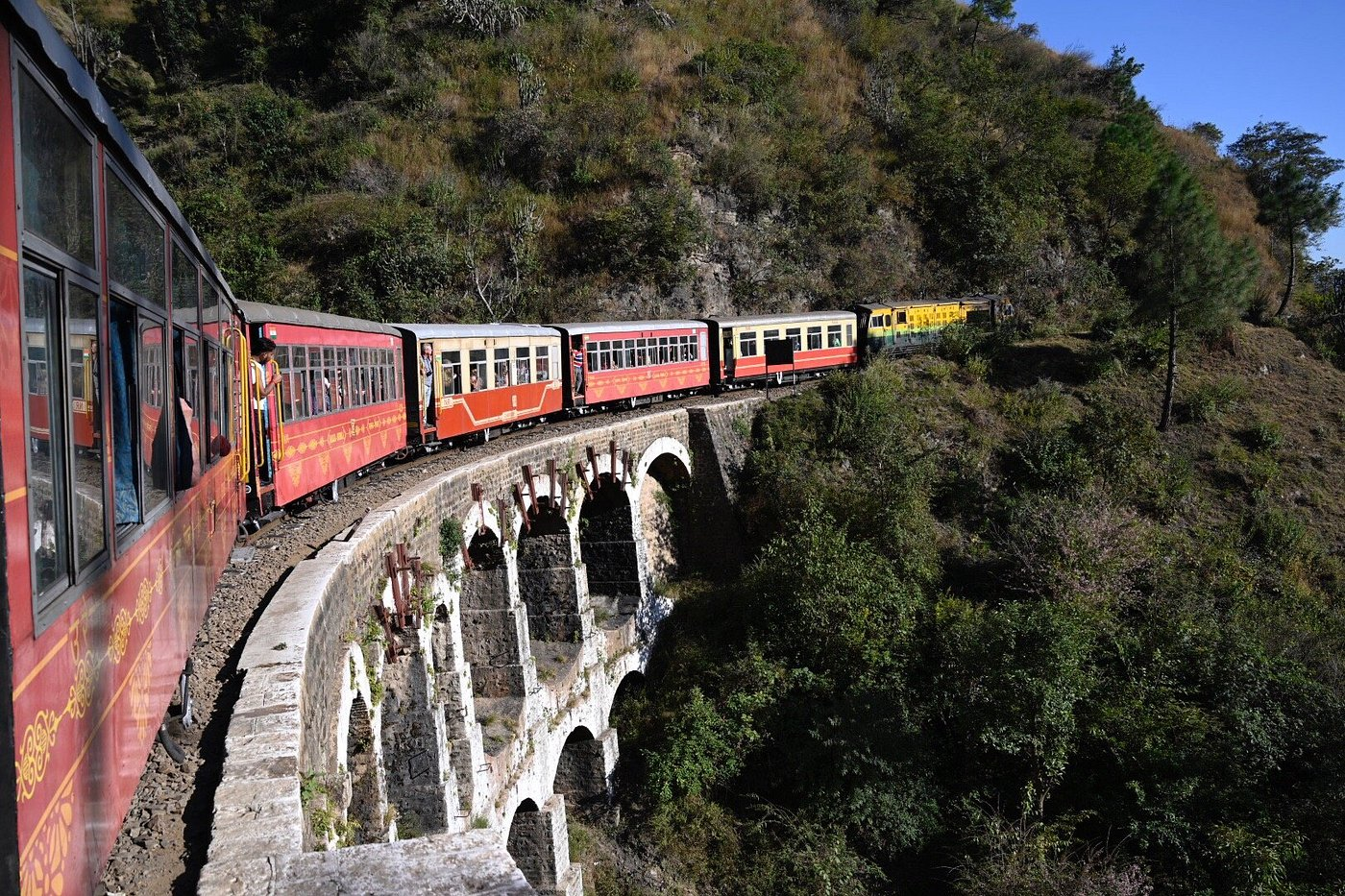
In North India, British-era railway buildings were not merely transit points. They were political tools, mountain conquests, economic arteries, and silent witnesses to migration, ambition, and heartbreak. Let’s journey through the railways that reshaped the North.
South India’s British-Era Railway Stations: Ports, Plantations & More
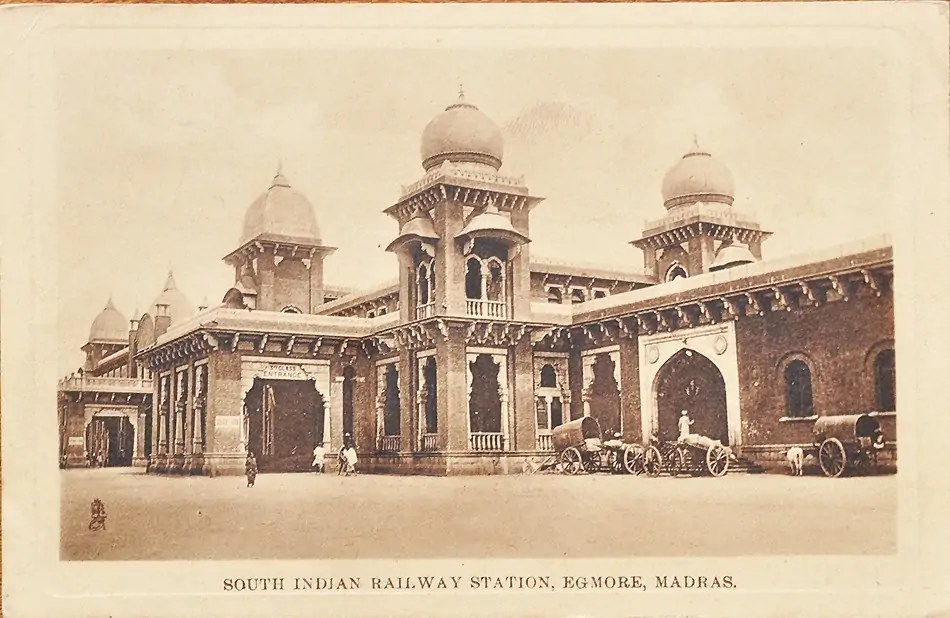
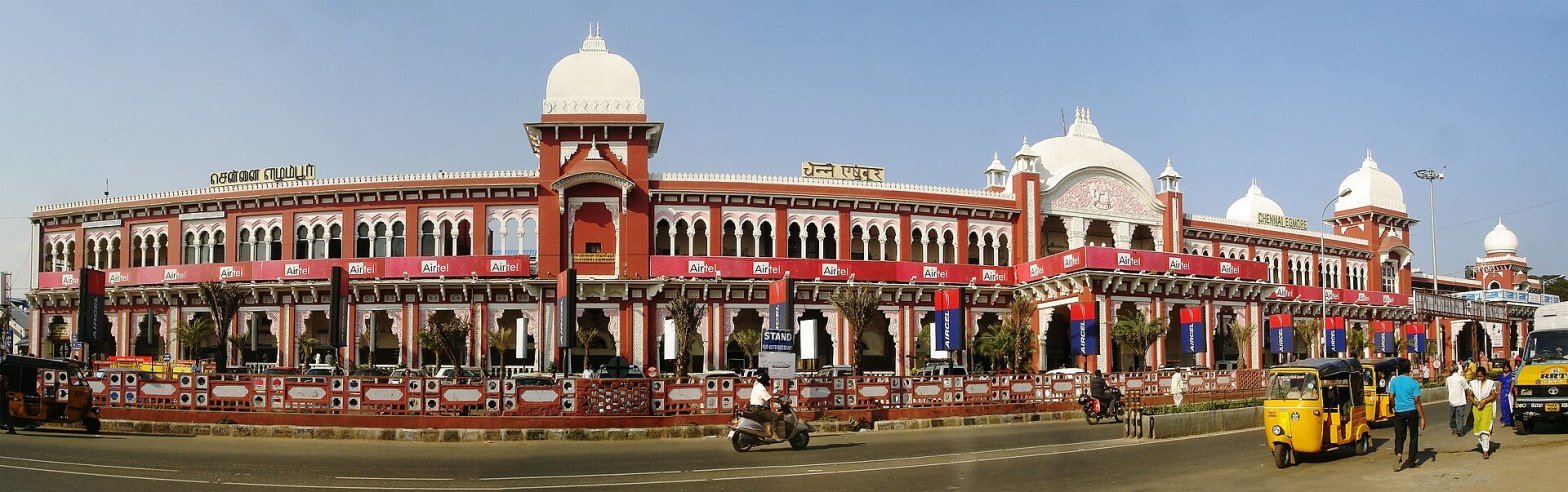
If North India’s railways carried political authority uphill, South India’s railways carried cotton, coffee, tea, spices, soldiers, and sea trade. It features grand domes, arched verandahs and decorative parapets; all built to handle expanding suburban and southern routes.
Western India’s British-Era Railway Stations: Ports, Profit & Power
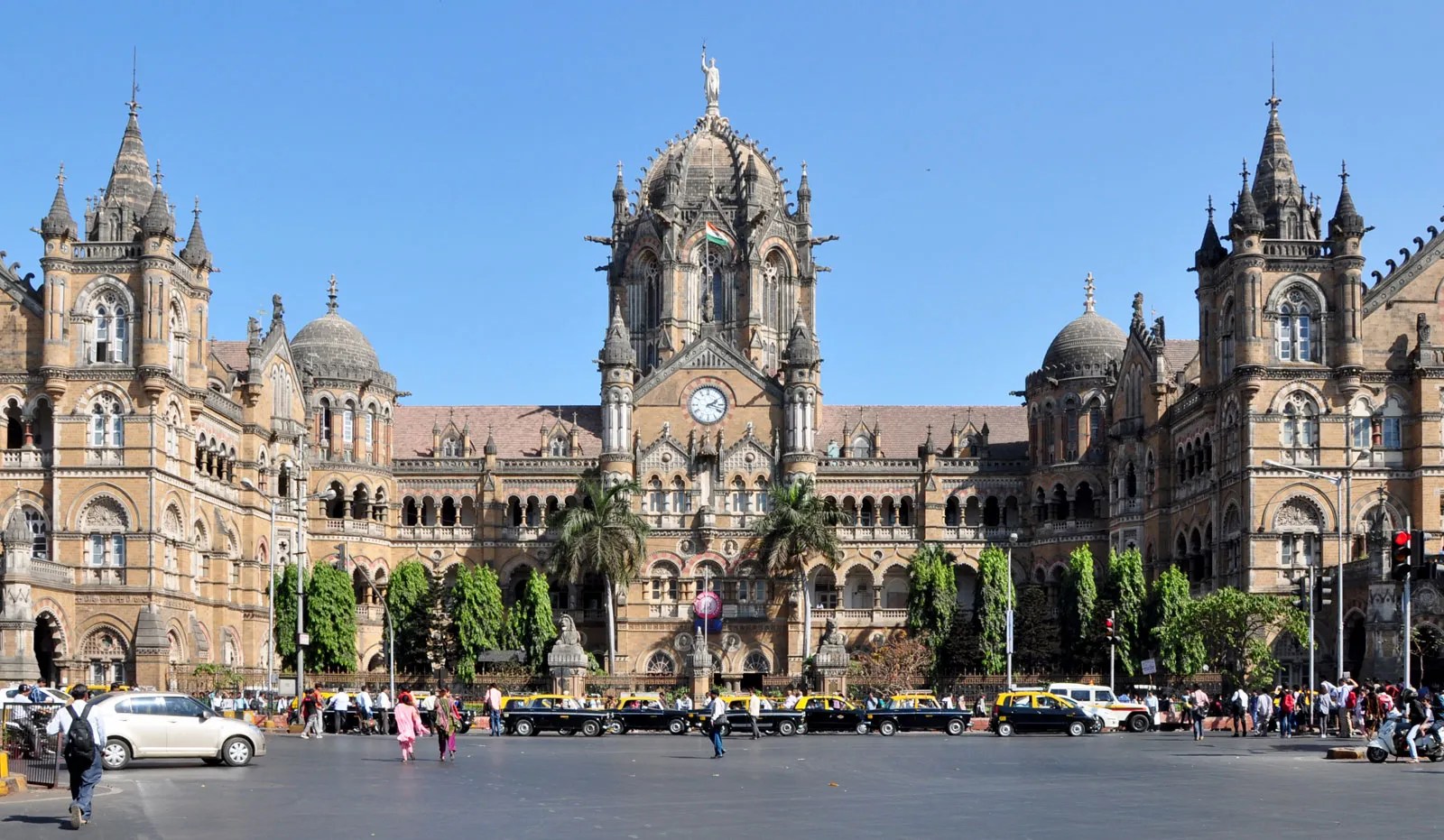
Western India’s railways weren’t ornamental. They were economic arteries.
Eastern India’s British-Era Railway Stations: Rivers, Coals & More
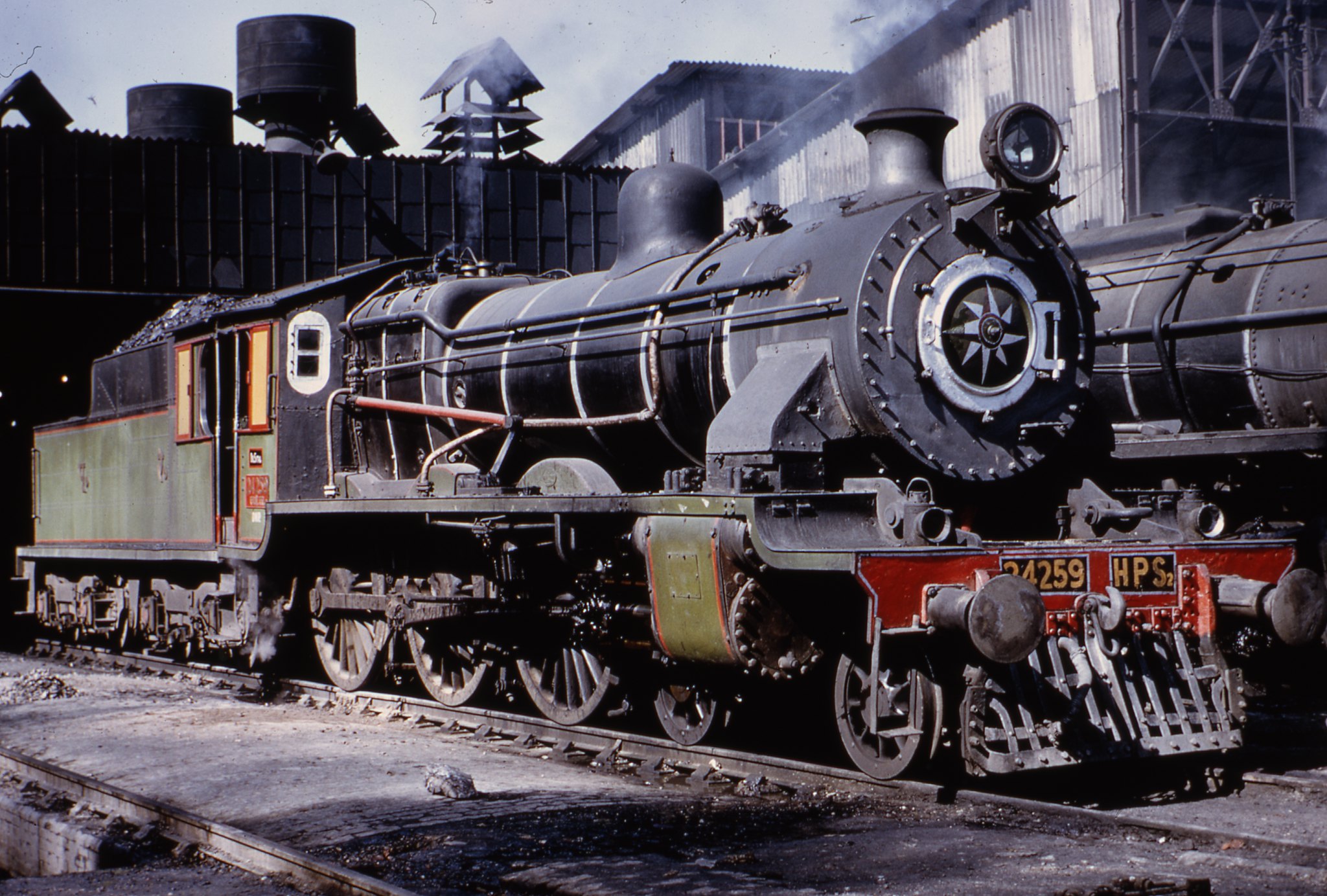
The East Indian Railway Company became one of the most powerful railway enterprises in colonial India. Let’s travel east where railways followed rivers, coal seams, tea gardens, and imperial bureaucracy.
Central India’s British-Era Railway Stations: Junctions of Strategy & Control
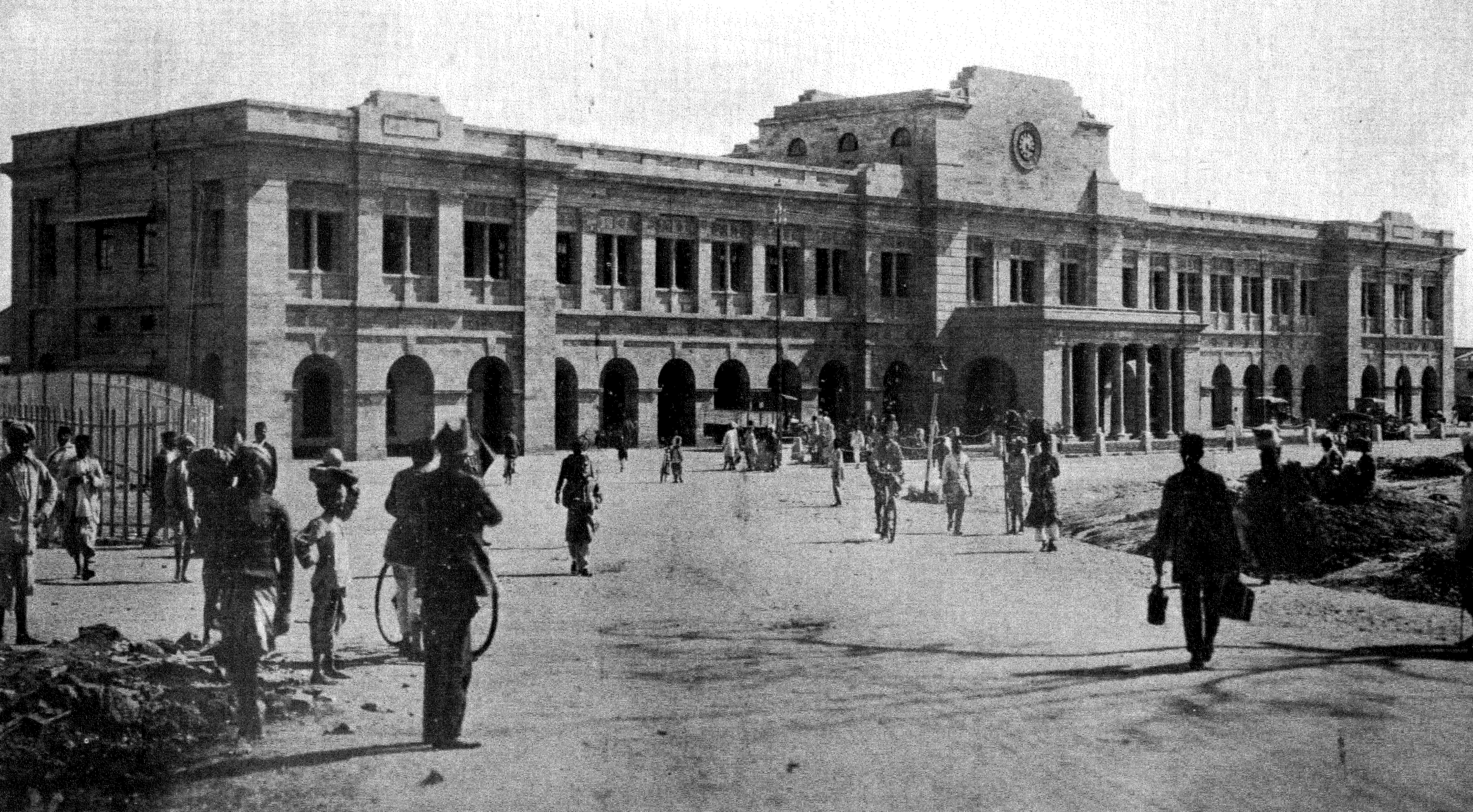
Central India Railways were built for movement. They connected north–south and east–west corridors, offered military mobility (especially after 1857), coal transport and effective administrative integration.
Lesser-Known Indian Railway Facts
- India’s first passenger train: ran on 16 April 1853 between Mumbai and Thane. Operated by the Great Indian Peninsula Railway, the journey covered 34 km and took 57 minutes.
- India once ran on “Railway Time”: Before Independence, cities followed different local times such as Bombay Time, Calcutta Time and Madras Time. Railways introduced standardised time to prevent collisions and confusion. Indian Standard Time (IST) officially became dominant in 1905.
- The first woman loco pilot wasn’t post-independence: Surekha Yadav became India’s first female train driver in 1988. Today, India also runs all-women railway stations like Matunga railway station (managed entirely by women staff).
- Longest platform in the world is in India: In 2023 a newly renovated platform at Gorakhpur Railway Station in Uttar Pradesh has become the world’s longest, measuring 1,366m.
- Jamalpur became India’s first railway workshop town (1862).
- In Maharashtra’s Ahmednagar district, an unusual quirk exists: Srirampur and Belapur are two separate stations located at the same point along the railway route but positioned on opposite sides of the same track!
- Busiest Railway Station in India: When it comes to traffic, Lucknow ranks among the busiest, with around 64 trains passing through daily.
- The phrase “platform ticket” is uniquely Indian.
- Oldest operational steam shed: The Rewari steam shed (Haryana) was established in 1893 and champions heritage locomotive preservation.
- Railway refreshment rooms began as British-only spaces.
- Old semaphore signals still survive in parts of rural India.
- Steam sheds still exist though steam engines are rare.
- Pamban Bridge (lenght approx 2.6 km) was India’s first sea bridge (built in 1914). The bridge connects mainland India at Mandapam to Rameswaram island which is one of Hinduism’s holiest pilgrimage sites. Before the bridge, pilgrims crossed the Palk Strait by boat. It was a cantilever bridge with a Scherzer rolling lift span in the middle. The central section could be raised to allow ships to pass which was revolutionary for its time in India.
In 2022–2023, a new vertical lift railway bridge was constructed parallel to the old one to replace it. - Today, India’s longest sea bridge is the Bandra–Worli Sea Link that opened in 2009.
- Indian Railways is one of the world’s largest employers with over 1.2 million employees, and manages the fourth-largest rail network globally.
- Mountain Railways were engineered against earth and gravity: The three UNESCO-inscribed Mountain Railways of India — Kalka–Shimla, Darjeeling Himalayan, and Nilgiri Mountain — were marvels of civil engineering when built between 1881 and 1908. They used loops, zig-zags, tight curvature, and in the case of Nilgiri, a rack-and-pinion system to climb steep gradients.
Remarkably, two additional hill lines including the Kangra Valley Railway and Matheran Hill Railway are on UNESCO’s tentative list for future heritage recognition. - Bridges like the Old Yamuna Bridge (Loha Pul) was built in 1867 and still serve trains today. Decades beyond their expected lifespan, it highlights the durability and sometimes the maintenance challenges of colonial engineering.
- Siliguri Railway Station holds a rare distinction: it once hosted all three track gauges of Indian Railways: broad gauge, metre gauge, and narrow gauge, making it a technical crossroads of sorts.
- Bhawani Mandi is uniquely split between Madhya Pradesh and Rajasthan. So one platform, two states.
- Baramulla marks the northern edge of India’s rail reach in Jammu and Kashmir.
- Indian railways once transported royalty’s elephants!
- In princely states, entire hunting parties travelled via specially designed wagons. Maharajas had private saloons, velvet upholstery and observation balconies. Some of these coaches survive at the National Rail Museum in New Delhi.
- Geographically, the network stretches dramatically across the subcontinent. Baramulla marks the northern edge of India’s rail reach in Jammu and Kashmir. Travel west and you arrive at Naliya near Bhuj in Gujarat. Head south and the tracks culminate at Kanyakumari, where three seas meet. Move eastward and Ledo, on a branch line from Tinsukia in Assam, becomes India’s final railway outpost.
- Luxury rail travel in India has evolved remarkably since the launch of the Palace on Wheels in 1982. What began as a royal-inspired experiment has grown into a collection of world-class train journeys that redefine slow, immersive travel. Today, iconic experiences like the Maharajas’ Express, Deccan Odyssey, Golden Chariot and the Indian Maharaja offer curated routes through India’s most celebrated regions. These blend heritage, comfort and grandeur in ways that continue to captivate the global luxury travel circuit.
- The Rajdhani Express was introduced in 1969.
- India now runs semi-high-speed trains like Vande Bharat.
- There’s a station shared by two states: Navapur railway station sits exactly on the Maharashtra–Gujarat border. One half of the station building lies in Maharashtra, the other in Gujarat. Even the station signboard straddles two states!
- “Up” and “Down” lines refer to directions relative to a railway’s headquarters and not north/south.
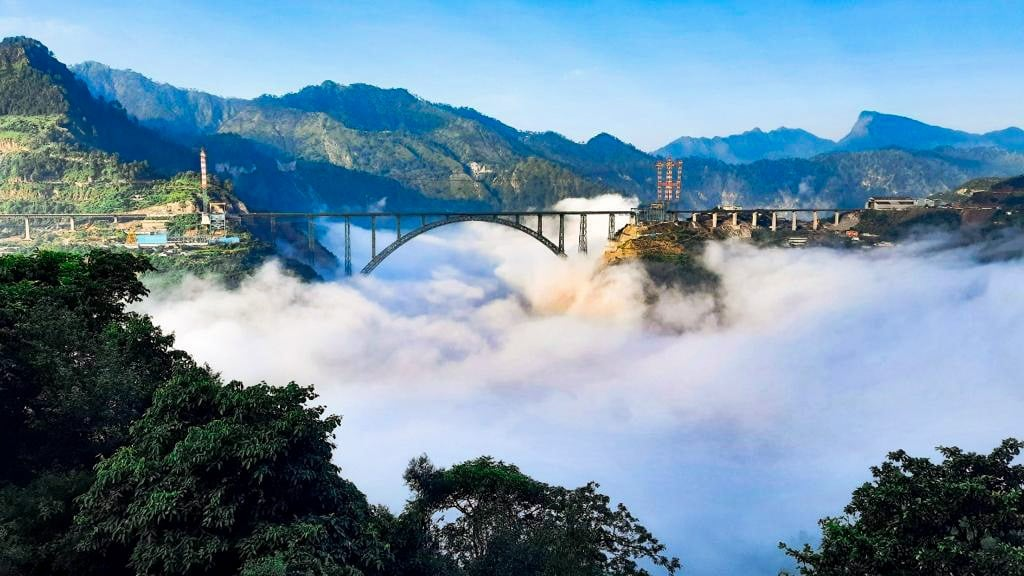
- India has one of the highest railway bridges in the world: Chenab Rail Bridge (at a height of 359m) is higher than the Eiffel Tower. Inugurated in 2025, it continues the engineering daring that began in the colonial era. It is not just the world’s highest rail bridge, but also boasts the longest broad-gauge railway span and the longest arch for rail traffic (467m).