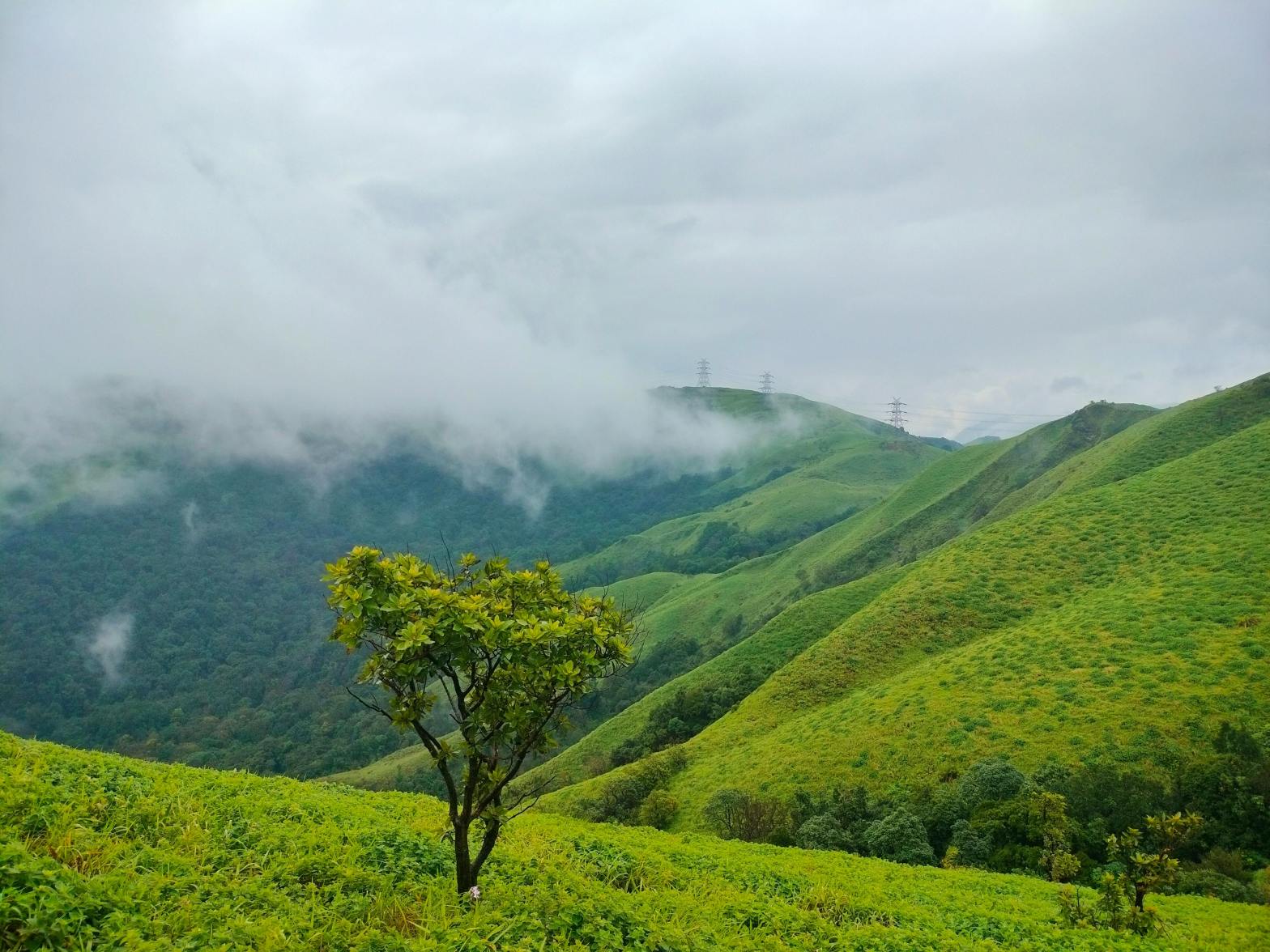
Chikkamagaluru is widely known for its coffee estates and Mullayanagiri treks, but beyond the usual circuit lies a quiet world of hidden waterfalls, forest homestays, ancient temples, and remote hamlets with misty charm.
How Many Days Do You Need?
2 Days: Perfect for coffee estates, Hirekolale Lake and a waterfall.
3-4 Days: Ideal for adding nearby Hoysala temples, Horanadu and Kalasa.
5+ Days: Allows time to explore Mudigere, Agumbe, Amruthapura and several hidden villages.
Visit Chikkamagaluru for:
– Scenic Views, Meadows
– Scenic Drives
– Trekking through forests and grasslands
– Traditional Malnad cuisine, endless coffee and spice plantations
– Ancient Temples known for extraordinary carvings and grand architecture
Whether you’re visiting for a weekend or planning a longer road trip through Karnataka’s Western Ghats, this guide will help you discover both the iconic sights and the hidden corners that many travellers miss.
Start with a tour of a coffee plantation
Every estate offers something slightly different, so don’t hesitate to ask locals for their favourite recommendations.
Some excellent options include: Siri Nature Roost, Yelnoorkhan Estate, Garigekhan Estate and Hoysala Coffee Estate. There are many to choose so getting local recommendations will help you visit one or two.
Insider Tip: Visit during harvest season to experience coffee picking and traditional processing.
Wander around Hirekolale Lake
Hirekolale Lake is surrounded by rolling hills and coffee estates. It is one of Chikkamagaluru’s most peaceful locations.
Visit Mahathobhara Sri Kodandarama Temple
A peaceful, lesser-known temple dedicated to Lord Rama, making it an ideal stop for travellers looking to escape the crowds.
Jhari Falls (Buttermilk Falls)
This waterfall is accessible via a short jeep ride or a trek through dense forests.
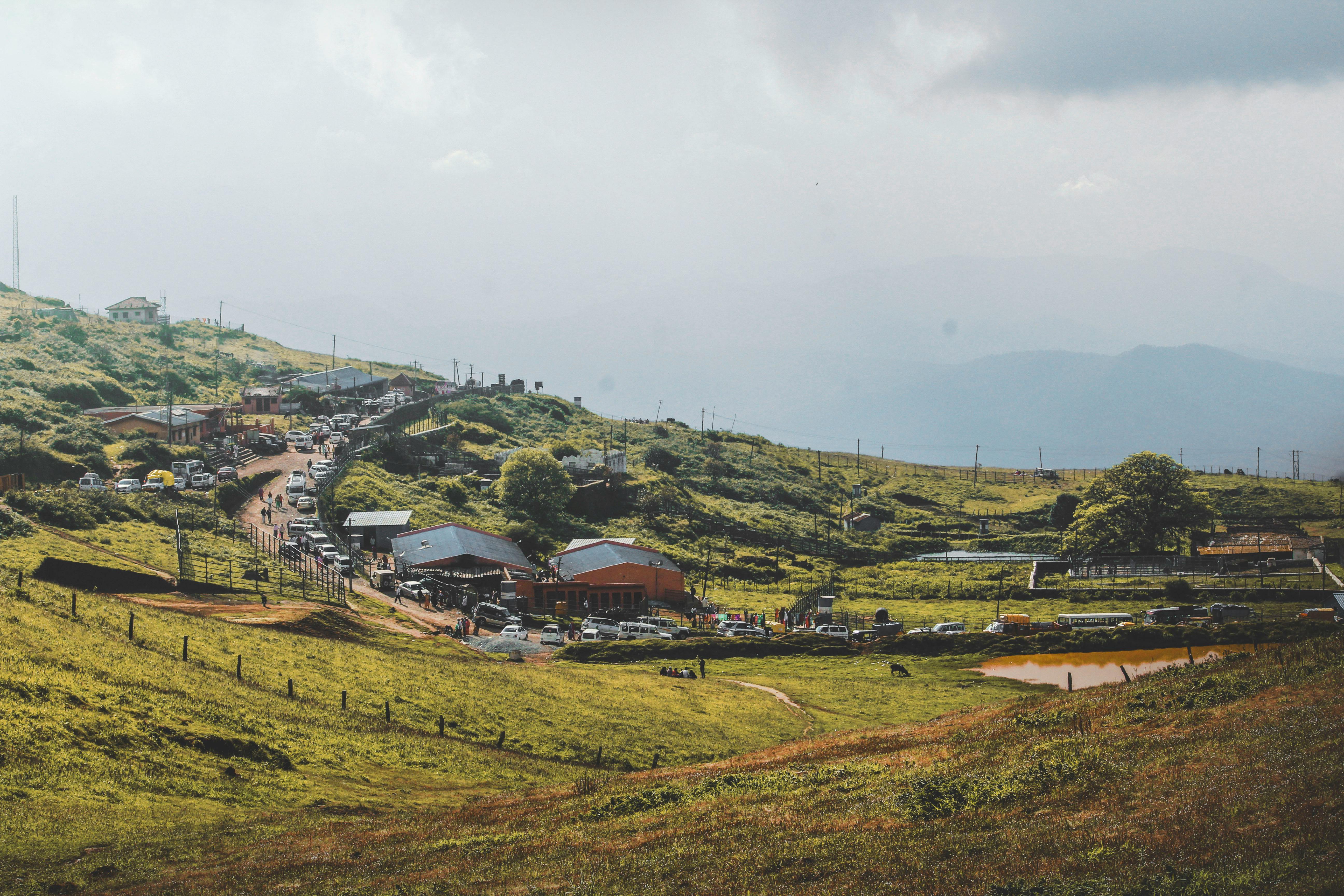
Escape to Devaramane Valley
This is a remote highland near Mudigere, featuring undisturbed meadows and panoramic views of the hills. Ideal for photographers and anyone seeking solitude, and wildflower walks.
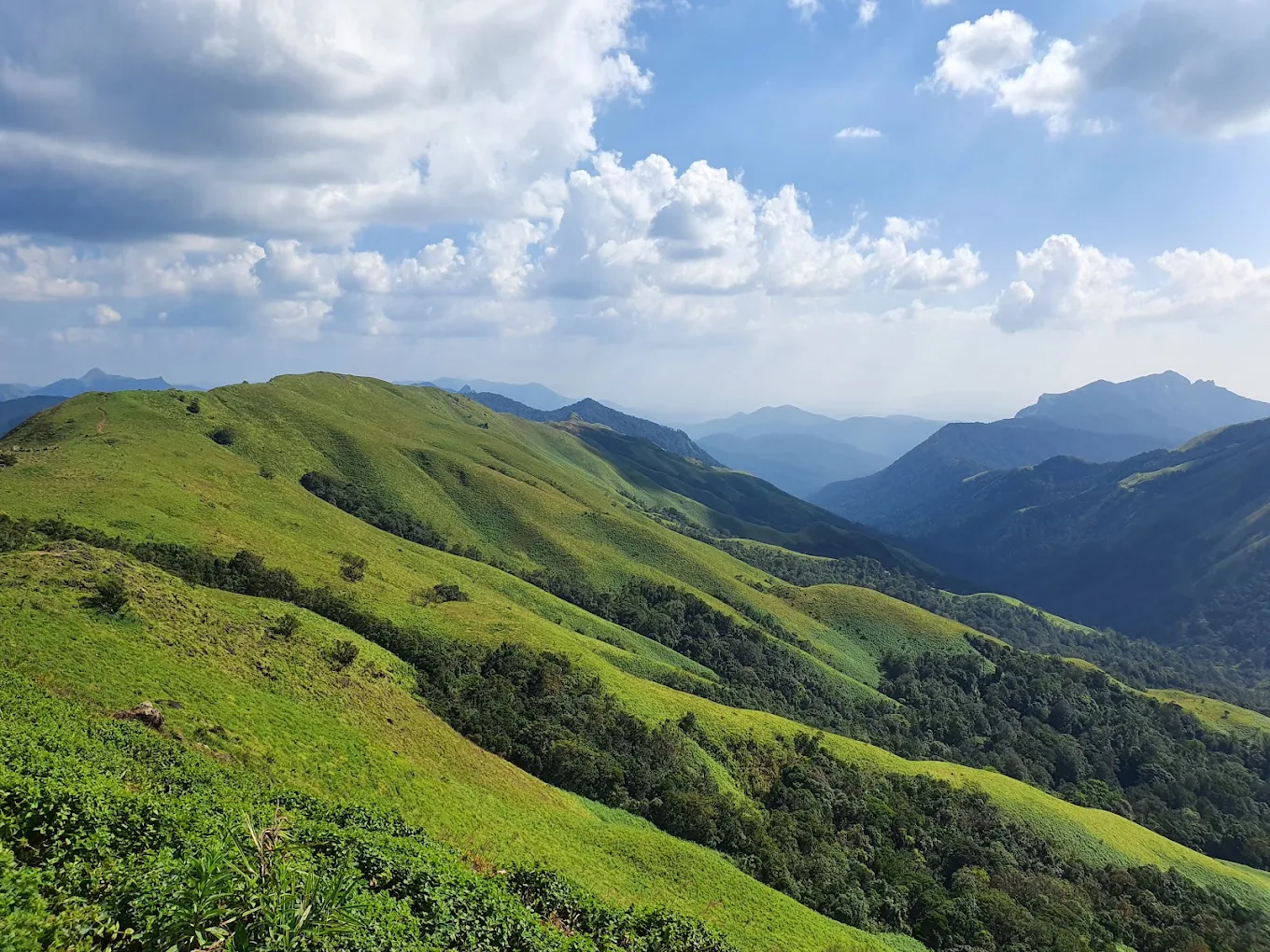
Kayak at Yagachi Dam (20 km)
The dam makes for a peaceful break, and the reservoir is perfect for kayaking and speed boating.
Discover Karnataka’s Extraordinary Hoysala Temples
One of the greatest surprises around Chikkamagaluru is the incredible collection of Hoysala temples. Built almost 900 years ago from soapstone, these masterpieces showcase some of India’s finest stone carving.
Belavadi Veeranarayana Temple (25 km)
This magnificent 12th-century temple features a rare trikutachala (three-shrine) design dedicated to Veera Narayana, Venugopala and Yoga Narasimha.
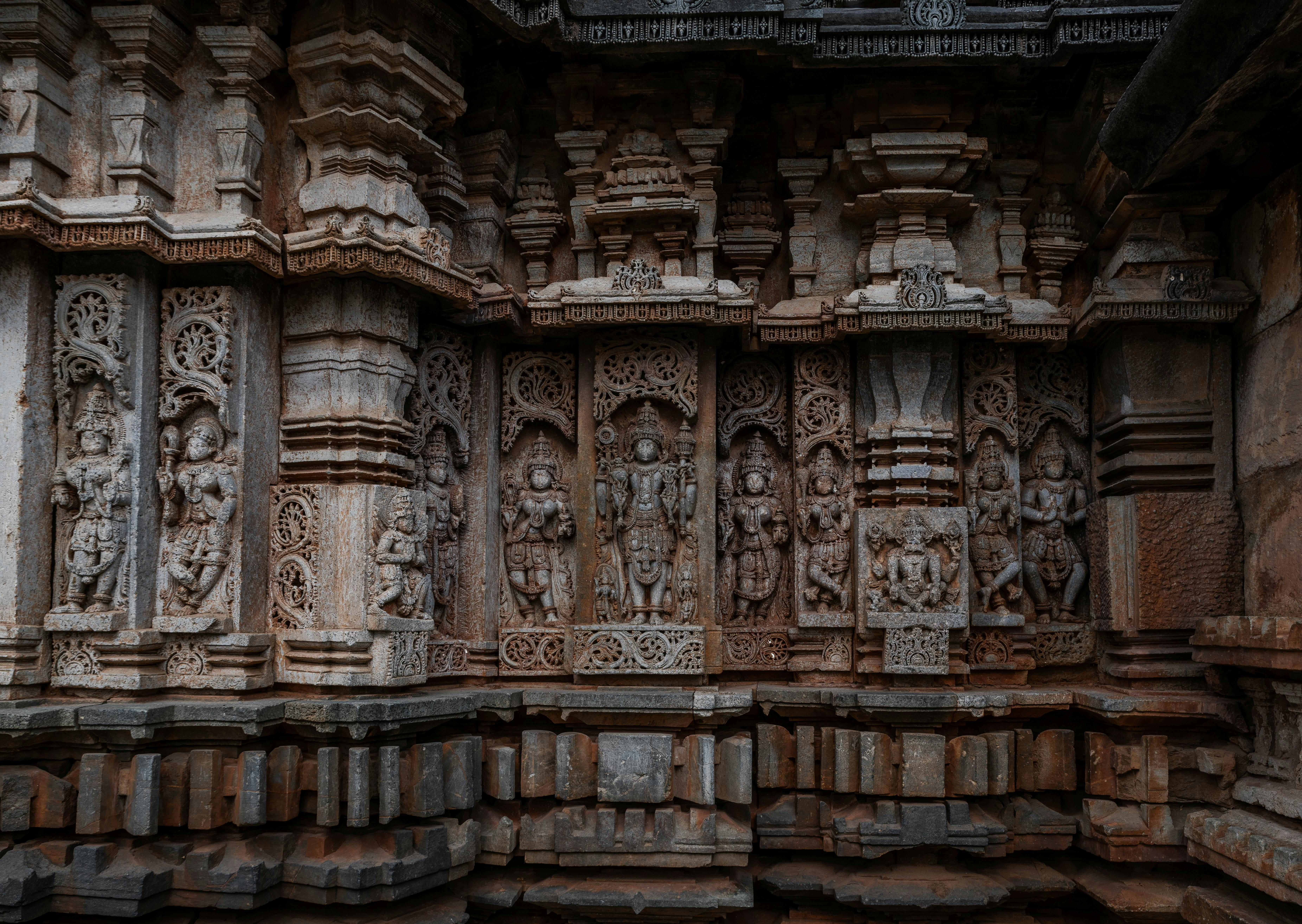
Made of soapstone, the temple complex has intricate carvings with a grand entrance.
Chennakeshva Temple, Marle
(26 km from Chikkamagaluru and 18 km from Belur)
The Chennakeshava temple is dedicated to Lord Vishnu and features the finest examples of Hoysala architecture. It is also one of the largest Hindu temple complexes that has survived from the pre-14th-century Karnata-Dravida tradition.
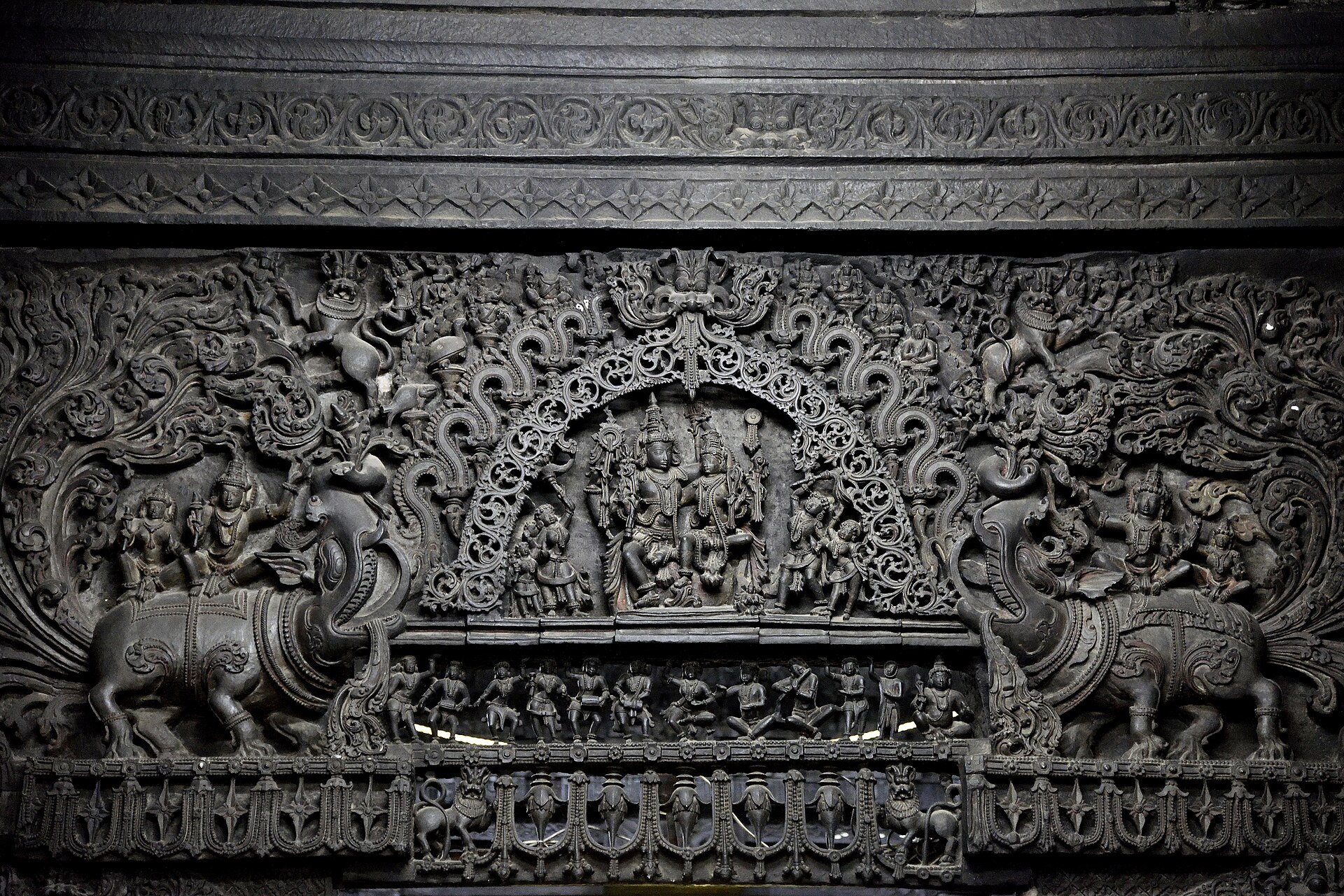
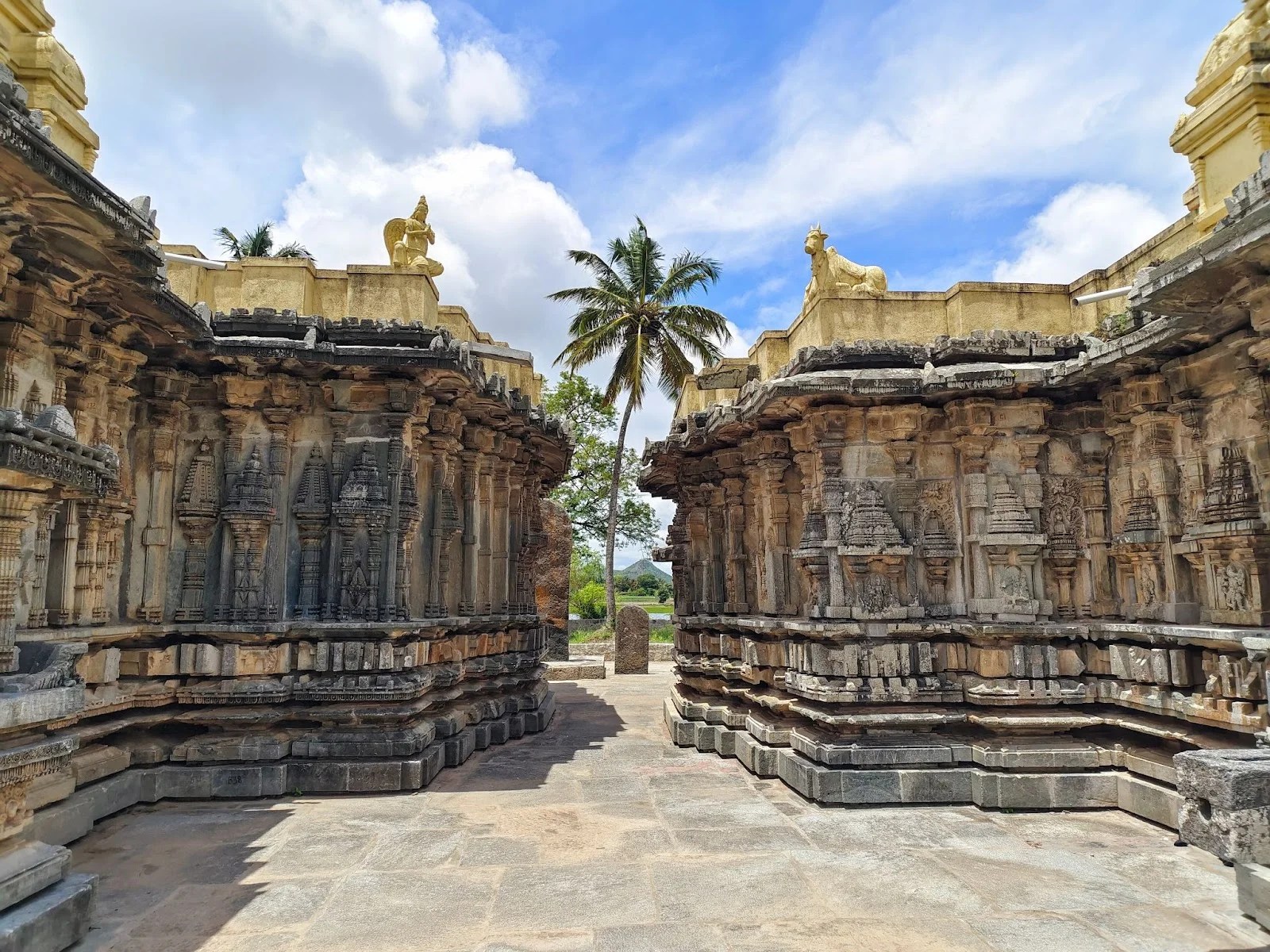
The twin temple structure of Chennakeshva Temple (also known as Kesava Temple) and the Siddeswara Temple dates to 1150 AD (Hoysala Period).
The walls tell stories through stone, with remarkably detailed sculptures depicting Hindu mythology.
Hoysaleswara Temple, Halebidu
(34 km from Belur and 17 km from Chennakeshava Temple, Marle)
Many travellers consider this the masterpiece of Hoysala architecture. Its walls are covered with intricate sculptures illustrating scenes from the Ramayana, Mahabharata and other Hindu epics.
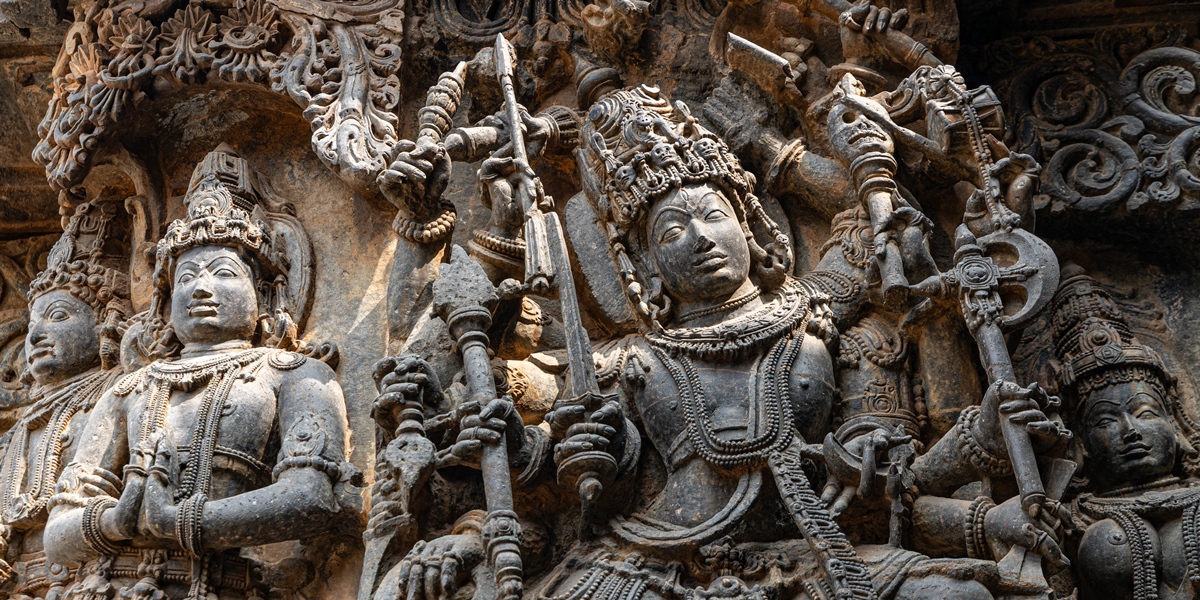
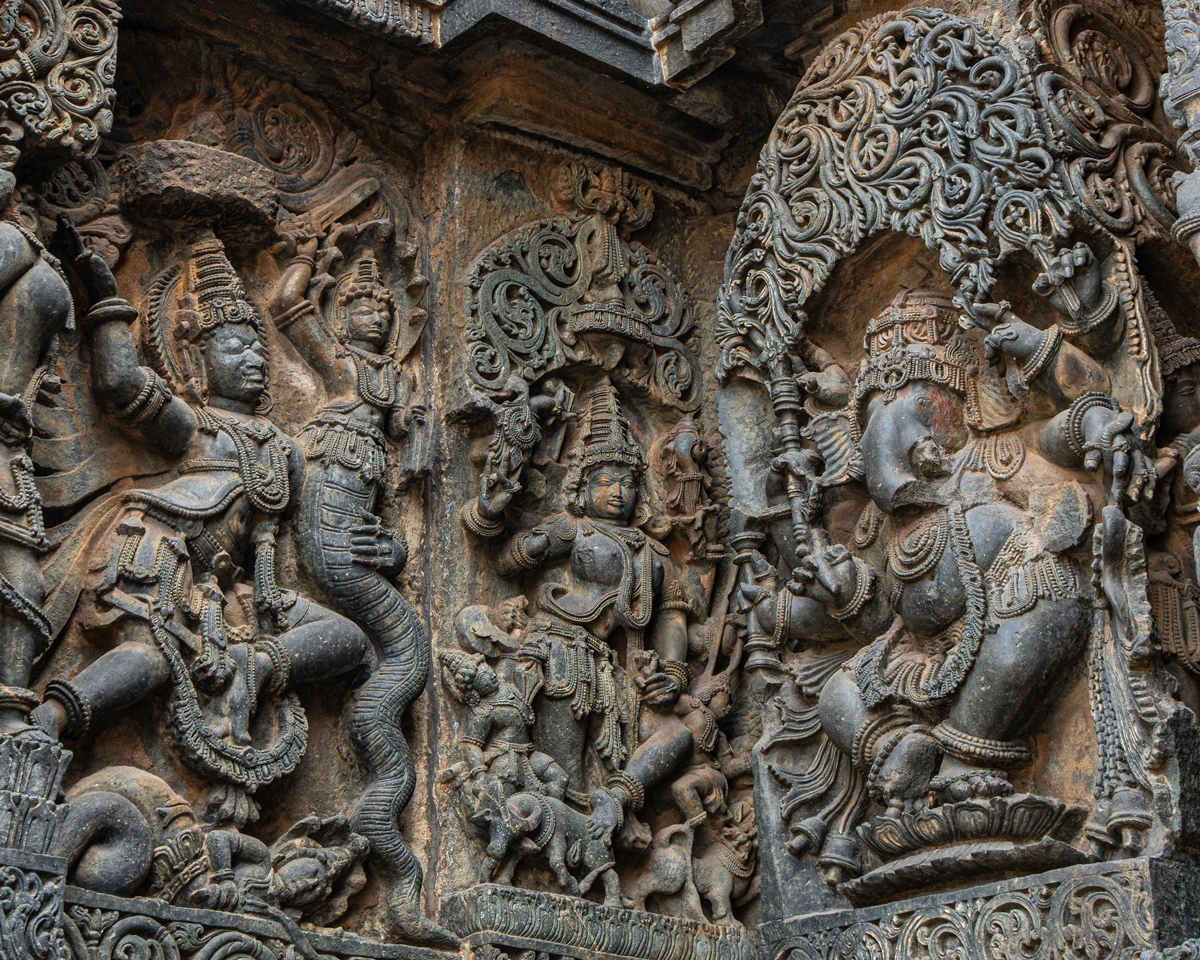
The temple also overlooks Dorasamudra Lake and contains several ancient ponds and mantapas. There’s even a tank that was built 75 years before the temple!
Insider Tip: Take your time. Every section reveals tiny details that are easy to miss, including miniature Narasimha avatars hidden among larger carvings.
Visit the town of Amruthapura (40 Km)
This ancient town is famous for the Amrutheswara Temple which may look smaller than it is but is quite similar to the Veera Narayana Temple at Belavadi.
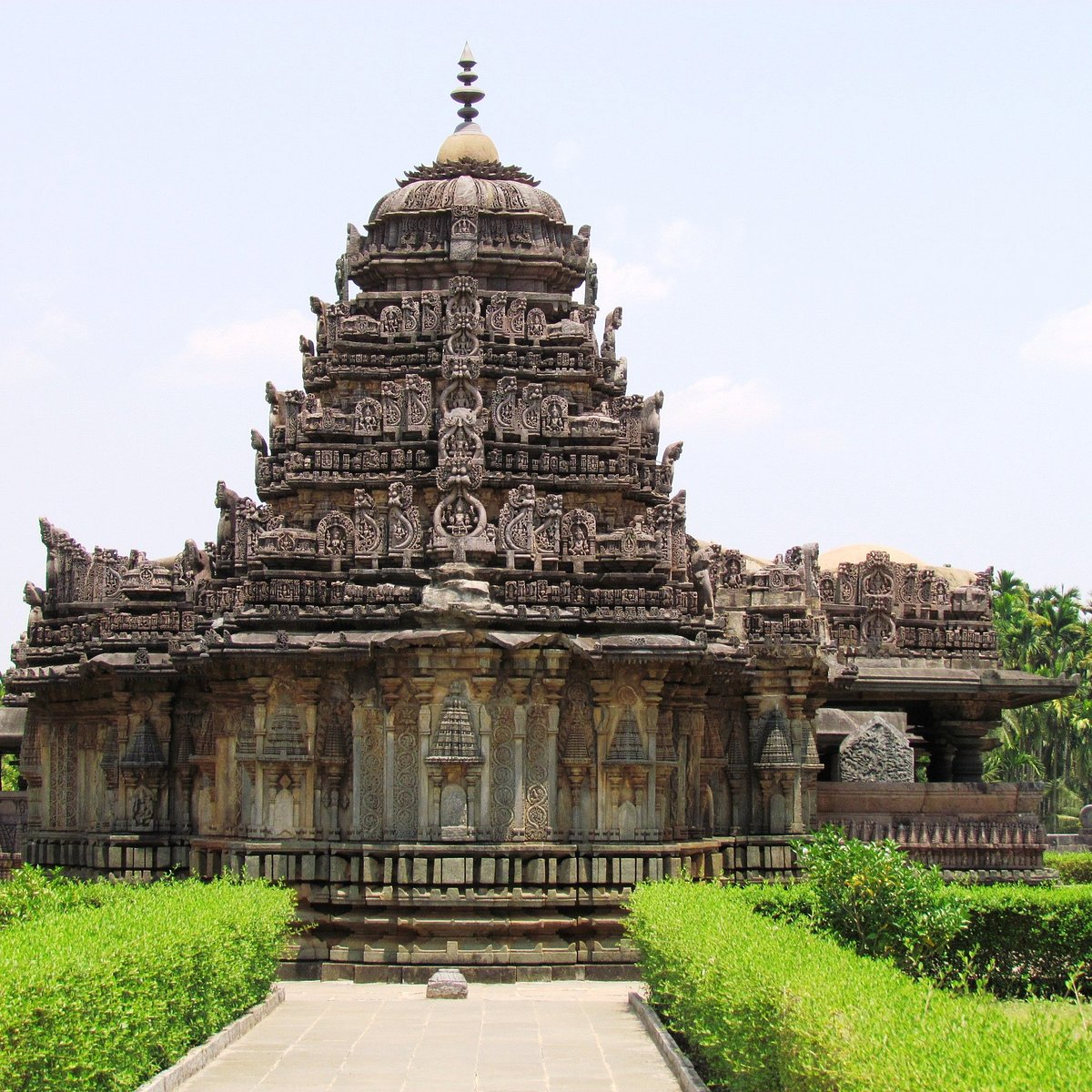
Amrutheswara Temple is over 900 old and is dedicated to Lord Shiva. It is surrounded by coconut groves and Palm trees and is located near the Bhadra Reservoir. The temple features intricate architecture and impressive ceilings. It was built by Amruteshwara Dandanayaka, a General of the Hoysala Ruler – Veera Ballala II (built sometime in 1196 A.D during the Hoysala period).
The temple consists of a garbha-griha (sanctum), sukanasi (vestibule), navaranga (dance hall) and a porch on its southern side with mukha-mandapa (main hall) and entrances on three sides.
The stone panels at Mandapa depict puranic Hindu mythological scenes, characters and designs. Each scene is carved exquisitely and is a sight to behold. The southern side features scenes from the ‘Ramayana’ times, while the northern side shows the ‘Mahabharata’. It’s hard to believe that something as unique as this was constructed with fewer tools and technology. For a detailed study of the temple, please read https://cisindus.org/indic-varta-internal.php?vartaid=372
There’s even a temple dedicated to Sri Sharada Devi within the complex which fulfils wishes related to education! From Shimoga, the temple is 47 Km and 9 Km from Tarikere.
Good to know: Amrutheswara Temple can also be reached from Hassan (110 km) and Shimoga (50 km) on NH 206.
*Soapstone (also known as Chloritic Schist) has been used in temple architecture and sculptures, especially in South India. When freshly quarried, soapstone is soft, making it easier to sculpt and allowing intricate detailing, but it hardens upon exposure to air. This makes soapstone durable and resistant to water erosion.
Horanadu & Kalasa (100 km)
Around 100 km from Chikkamagaluru lies one of Karnataka’s most revered pilgrimage destinations.
Horanadu Annapoorneshwari temple (100 km):
Dedicated to Goddess Annapoorneshwari, the goddess of nourishment, this temple welcomes every visitor with free meals throughout the day.
The deity here was first consecrated by Agasthya Maharishi centuries ago, while the present golden idol was installed in 1973 by Adi Shankaracharya. Devotees believe that seeking her blessings ensures abundance and removes food scarcity. Even today, the temple offers free annaprasadam (prasad meals) to all who visit, including breakfast, lunch, dinner, and refreshments.
Kalasa: Only 7 km away is the charming village of Kalasa, home to the ancient Sri Kalaseshwara Temple, one of the revered Pancha Kshetras dedicated to Lord Shiva.
For trekking, consider visiting Ballalarayana Durga Fort, 34 km from the temple, which stands at an elevation of 1509m as a remnant of the Hoysala dynasty.
Built by Veera Ballala’s wife, today only the fort walls remain, but the views make the trek worthwhile.
Elevation: 1,509 metres
Time: 3 to 4 hours (one way) leads through dense forests and shola grasslands, with a chance to spot wildlife along the way!
Read more on the Ballalarayana Durg Trek.
Scenic drive: Khandya to Kudure Abbi (45 km):
Some journeys are every bit as memorable as the destination.
This drive winds through forests, coffee estates, tea plantations and mountain roads before reaching Kudure Abbi.
The temples of Markandeya and Janardhana, Markanda, are also situated in Khandya. Sage Markanda had performed penance here, and the place is also significant for Hindus to offer the ashes of their departed at the Bhadra River and help attain salvation.
Kudure Abbi is also renowned for its Lord Shiva shrine and six sacred theerthas, including Chakra Theertha, Rudra Theertha, and Rama Theertha. According to legend, Lord Rama and Sita stayed here during their exile, giving the site its alternate name, Rama Theertha. The place holds deep spiritual significance and is a revered pilgrimage spot.
Insider tip: The stones here at the Bhadra River resemble horse hoops and are called ‘Kudure Abbi’.
Extend Your Trip to Visit Agumbe (approx 112 km)
Often referred to as the Cherrapunji of the South, Agumbe receives some of the highest rainfall in India, making it a haven for nature lovers and adventure enthusiasts alike.
- Rainforests
- Waterfalls
- Sunset viewpoints
- King Cobra conservation
Nature lovers can also visit the Kalinga Centre for Rainforest Ecology, founded by renowned herpetologist P. Gowri Shankar, to learn about rainforest ecology and wildlife conservation.
P. Gowri Shankar is an Indian herpetologist and conservation biologist known for his extensive work on king cobras. His research focuses on the behaviour, ecology, and conservation of the King Cobra. The Kalinga Centre for Rainforest Ecology (KCRE) was founded in 2012. It offers hands-on learning experiences in rainforest ecology, herpetology, and wildlife research. Here, researchers, students, and nature enthusiasts can engage in field studies, adopt sustainable practices and get a deeper understanding of rainforest ecosystems.
A new post on Agumbe coming soon.
Offbeat Food Finds
- Filter Coffee Trail: Try stops in Kalasa and Mudigere for strong estate brews.
- Malnad Specialties: Don’t miss akki rotti, koli saaru (chicken curry), and jackfruit-based sweets.
Stay Suggestions
For an authentic Malnad experience, consider staying at an estate homestay.
Recommended options include:
- Misty Heights Estate Homestay – for views and simple living
- The Bettadamalali Estate Stay – riverside estate with local food
- River Woods Retreat – hidden gem near Balehonnur with guided nature walks
Location & Distance Guide
Best time to visit:
- October to February: Ideal for treks, clear views, and chilly evenings.
- June to September: Waterfalls swell; lush landscapes and dramatic monsoon mist.
- March–April: Coffee blossoms in bloom — an underrated sensory experience.
Bangalore: 245 km – NH75 via Hassan is fastest and most scenic
Mangalore: 150 km – Mountain road via Charmadi Ghat – beautiful but winding
Mysore: 180 km
Hassan: 60 km
Coorg (Madikeri): 165 km
Gokarna: 300 km – Longer drive but great for combining coast + hills
Shimoga: 100 km
Hampi: 330 km – Via Chitradurga, ideal for heritage + hills combo
Hubli: 280 km – Best via Davangere and Chitradurga
Udupi: 180 km – Via Agumbe Ghat — dense forest route with hairpins
Discover more from GoTravelTrek
Subscribe to get the latest posts sent to your email.
