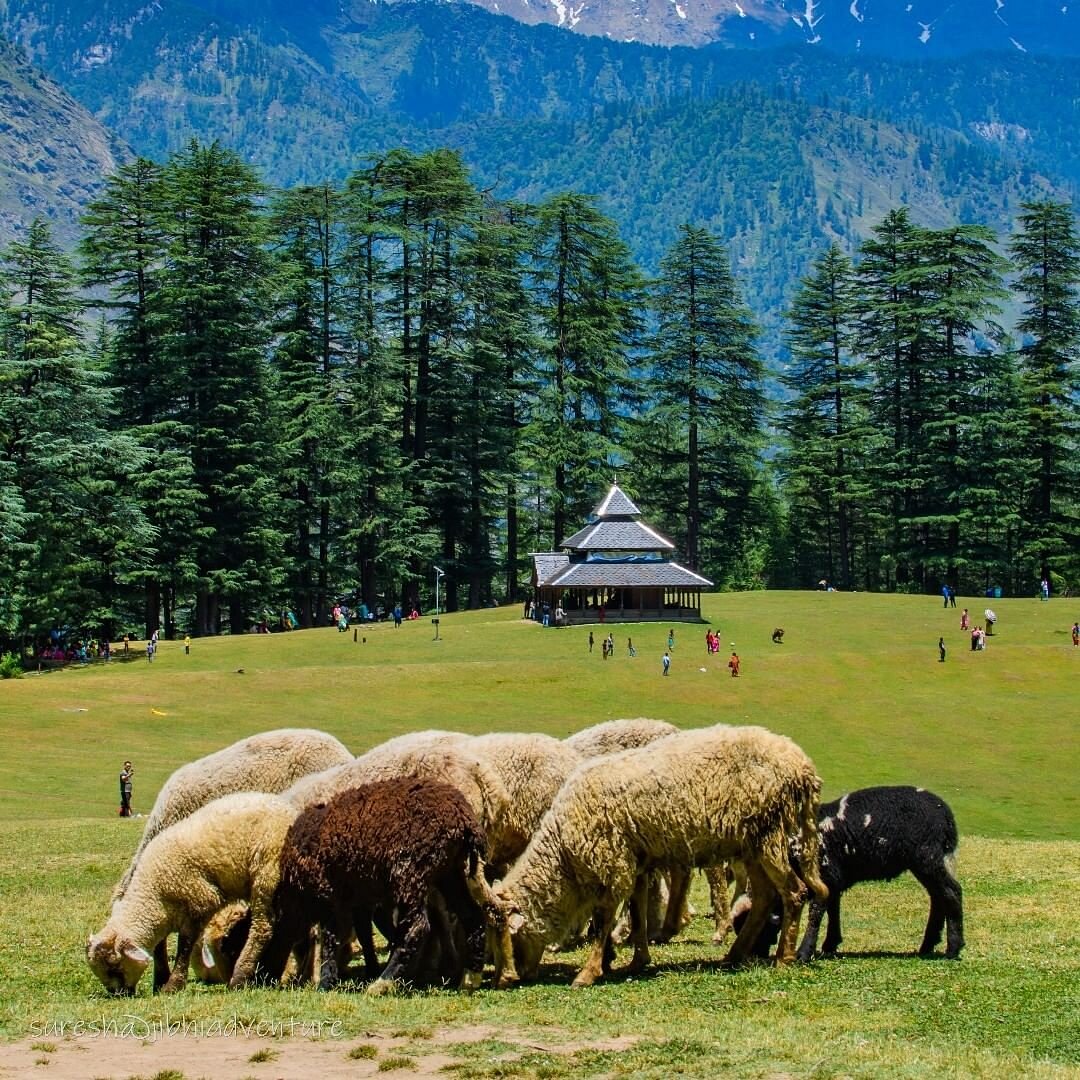
Sainj Valley sits about 45 kilometres from Kullu in the folds of the western Himalayas, cupped between Parvati Valley to the north and the increasingly Instagrammed Tirthan Valley to the south. Although on a popular route for advneture travellers, Sainj remains a less explored destination.
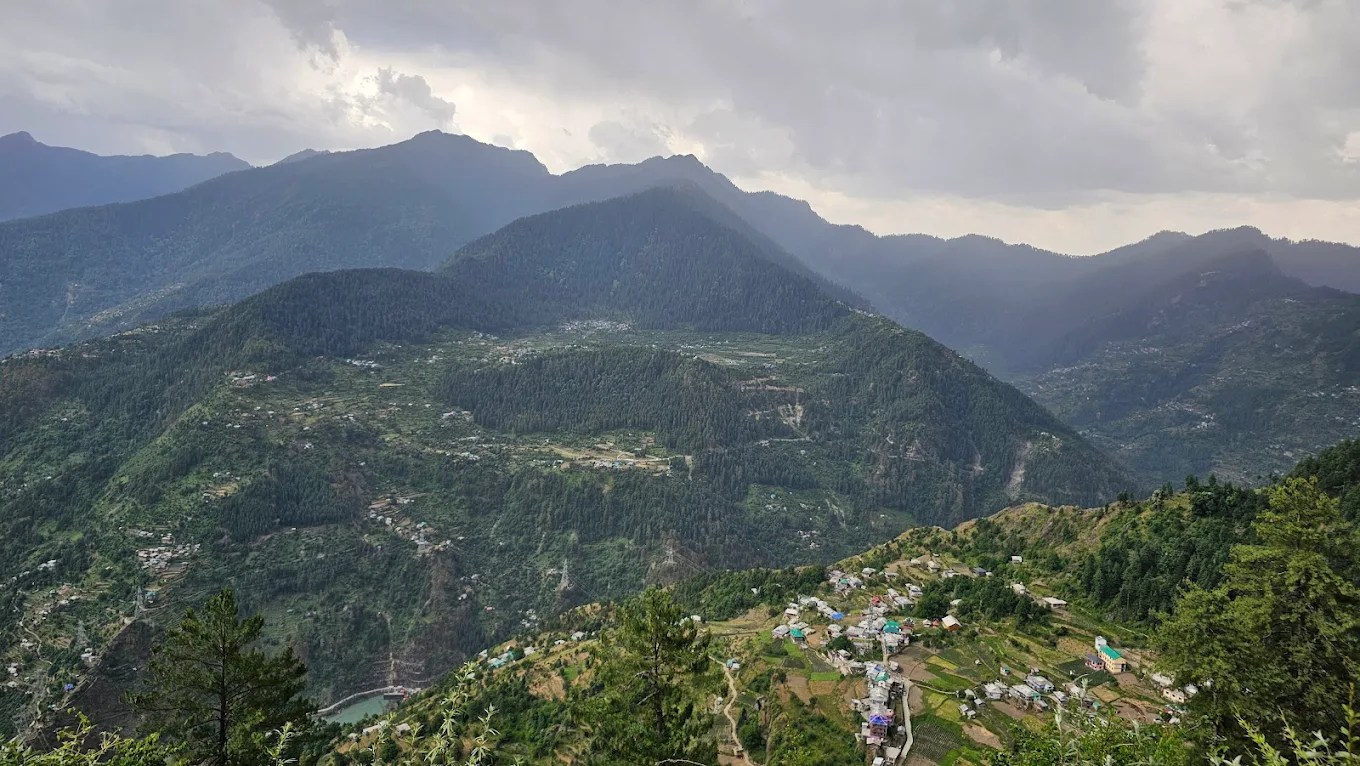
The valley follows the Sainj River which is a cold, clear tributary of the River Beas. It carves upward through deodar cedar forests, past terraced cornfields and apple orchards, past ancient temples and tiny hamlets clinging to hillsides before finally flowing deep into the Great Himalayan National Park. This national park is a UNESCO World Heritage Site since 2014 and stretches 1,171 square kilometres. It rises from river valleys at 1,500 metres to glaciated peaks near 6,000 metres and Sainj occupies its quiet western edge.
Sainj Valley is thankfully still not too touristy and by design, no large hotels can be built here. So what you get here are family homestays, handmade food and a chance to witness and be part of a working village. There are numerous trails that take you into some of the most ecologically intact terrain on the subcontinent. The park shelters over 375 animal species including snow leopards, Himalayan brown bears, the Western Tragopan pheasant (Himachal’s state bird), musk deer, and blue sheep. The plant species go over 830 plant types, including rare medicinal herbs found nowhere else on earth.
Think of Sainj as a series of ascending chambers, each one wilder and quieter than the last. The valley begins at Larji, where the Sainj River meets the Beas on the Manali highway. Your entry point is Aut which is a small junction town just past the Aut Tunnel. From here most people will move towards Manali but another single road climbs steadily along the riverbank and takes you through the busy market town of Sainj, before the tarmac narrows and the deodar forest closes in around you like a slow exhale.
Higher up, the valley opens dramatically into a wide terraced plateau — the area around Deohari and Shangarh before the road effectively ends and the wilderness takes over. Beyond the Shakashar gate, it is mule track and footpath all the way to the glaciers. The deeper you go, the older the silence.
Exploring Sainj Valley
The Sainj Valley is divided into five geographic zones, each roughly half a day’s travel apart. Zone 1 is the entry point at Aut. Zone 5 is the wilderness gate of GHNP. You move through them in order spending 1 to 2 nights per zone. Each zone lists the main sights first, then the offbeat expereince and spots that most travellers miss over a weekend away.
Zone 1 (25 min before Sainj Village)
Aut & the Valley Entrance
Aut is where the journey to Sainj Valley begins. The Aut tunnel brings you in the valley and is 25 minutes before Sainj Village. It is also the place to fuel up as, the Larji petrol pump is the single fuel station serving the entire Sainj Valley. So whether you are in a car, on a motorcycle, or in a hired jeep please remember to fill up here before proceeding. Do not assume you can top up later bacause you cannot.
There is one HDFC ATM in Sainj Village further up the road. Beyond that, no ATMs exist anywhere in the valley. Please remember to withdraw sufficient cash here as most people would only except cash.
Insider Tip: Just a few minutes walk from the Aut Bus Stand, there is a hidden waterfall most simply pass by but right after monsoons, it shows off its beautiful cascade worth a view.
For local transport option – Aut Bus Stand
HRTC buses from Aut run throughout the day to Sainj Village and on to Neuli — aim for a Neuli-bound bus as most attractions cluster in that direction. The dedicated Shangarh bus departs Sainj at 4 PM daily. Buses to Deohari leave Sainj at approximately 11 AM, 1 PM, and 6 PM. A taxi from Aut to Shangarh costs ₹1,500–2,000 one way.
If you arrive at Aut before midday, you can be in Shangarh same-day via the 4 PM bus. If you arrive later, stay in Sainj Town overnight and continue in the morning.
Zone 2 (18–30 km from Aut)
Sainj, Ropa & the River Villages
Sainj has the one ATM, the market, the government hospital, and the bus stand for onward travel. Ropa, a few kilometres upstream, is where the Great Himalayan National Park begins and where all trekking permits are issued.
Several traditional villages line the river here which are largely unvisited and are worth exploring.
GHNP Range Office, Ropa
Book in advance: Forest Rest House at Ropa sits directly on the Sainj River and is the best budget base for early trekking starts. Book and get your trekking permits here. Do this on arrival, not the morning you want to trek.
More on Permit & Entry
The Great Himalayan National Park range office at Ropa handles all permits for trekking into the park’s core zone.
Ecozone entry (Shangarh meadow, Pundrik Lake day treks): approximately ₹50–100 per day for Indian nationals.
Core zone multi-day treks: require a certified local guide and advance arrangement — roughly ₹2,500 per person per day, minimum group of six. Visit on your first day in the valley to plan the week ahead.
Sainj Riverside Trail
Walk the river from Ropa toward Sainj Town and experience one of the most peaceful hours in the valley. There are no signage and less to no walkers. The river here is fast, cold, and clear and in the late afternoon light it turns a remarkable blue-green. It is also a local fishing spot during the evening hours.
Raila Village
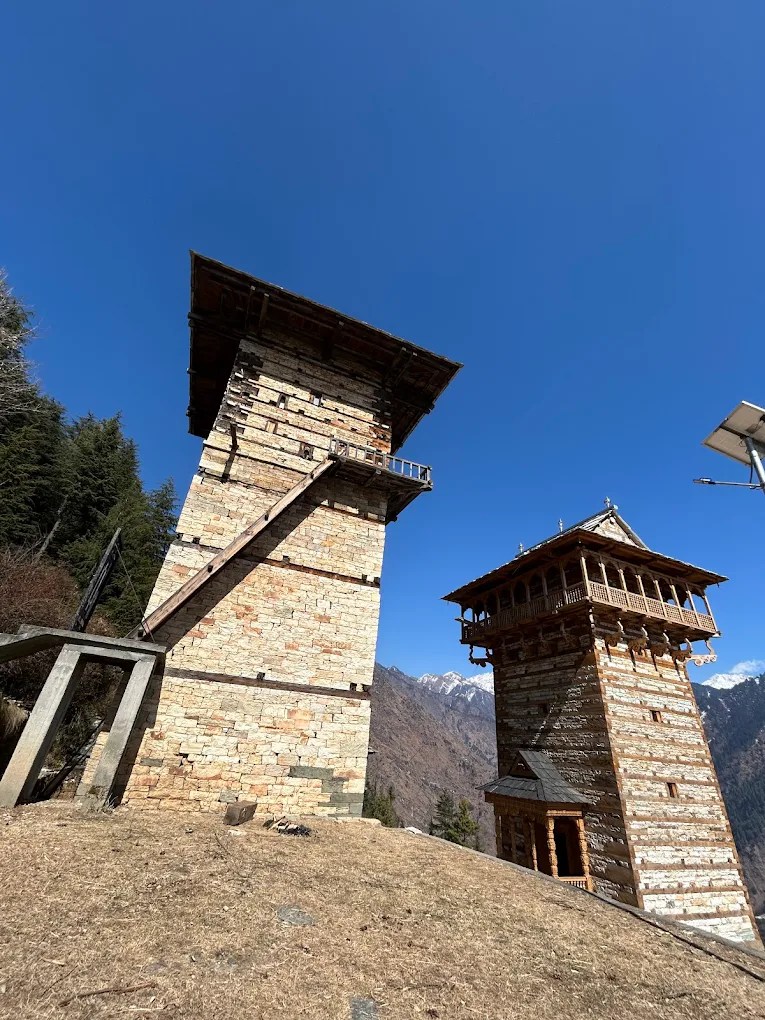
Raila sits in the lower valley, accessible from the Sainj–Neuli road via the Parbati 2 Bridge turnoff. The village is known for its twin wooden tower temples – Dhaliara Kothi, a multi-storey structure built in the ancient Himachali style (traditional Kathkuni architecture) where individual rooms once served as residences.
Most travellers pass by the village in a hurry to reach Shangarh, but these temples are worth stopping over and exploring.
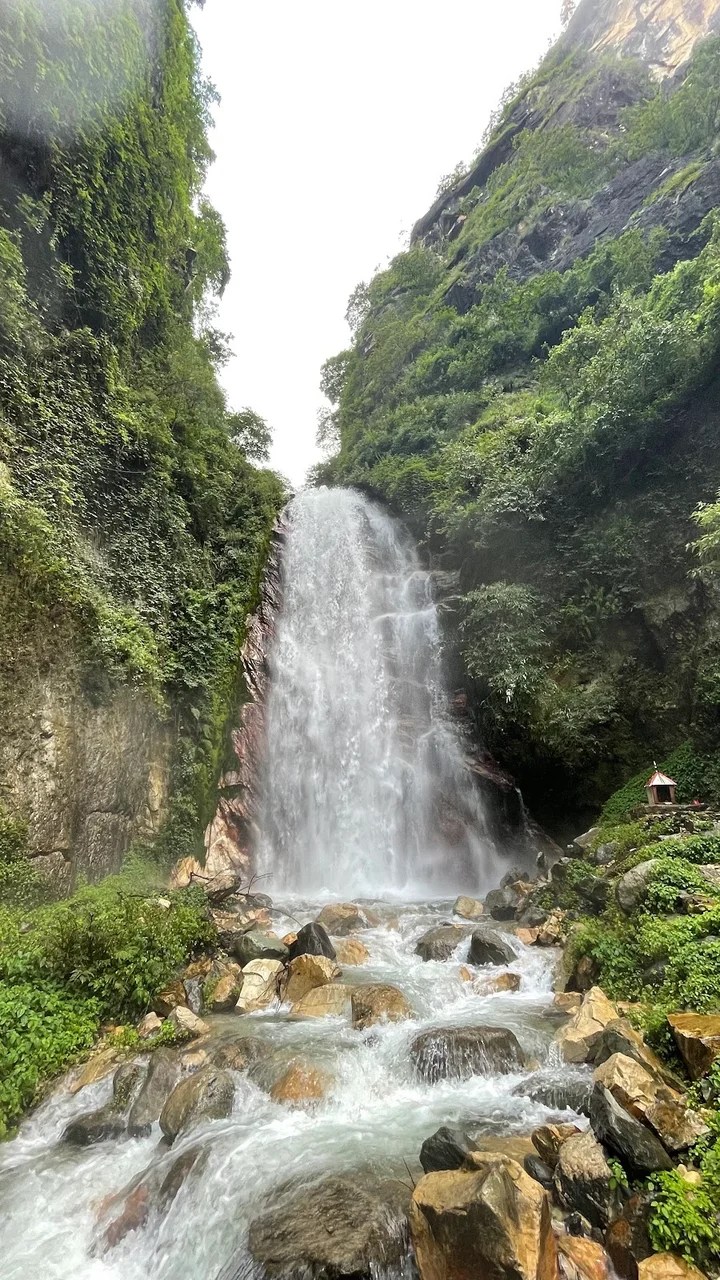
Insider Tip: For birdwatching experience, visit the Rupi-Raila waterfall which is a short trail from the Raila village. Or you could stop here while you are coming from Sainj.
The Raila Home Stay here is one of the valley’s quieter options if you want to base yourself away from the Shangarh crowds. Buses pass the bridge junction at approximately 9:30–10 AM and 3:30–4 PM.
Zone 3 – Mid Valley (30–45 km from Aut)
Deohari, Manyashi & the Agricultural Heart
Most travellers drive straight through this zone to reach Shangarh, missing on this section of the valley.
Deohari
Deohari is surrounded by terraced cornfields, apple and walnut orchards, and old-growth forest.
Combine with: Visit the Markandey Temple which is a short walk from Deohari where the sage Markandey is said to have meditated. It is a quiet place with an unusual stillness that even non-spiritual travellers tend to notice.
Insider Tip: The 8-kilometre road stretch between Niharni and the Deohari–Shangarh area passes through a near-continuous tunnel of red rhododendron bloom for two weeks around late March to mid-April depending on the year.
Manyashi (15 min from Deohari)
Walk up to Manyashi, a small village that has two tall wooden tower temples. One is dedicated to Pundrik Rishi, the other to a local deity Janasar. The entire valley is still unknown beyond the locals and hence less travelled.
The views back down across the agricultural plain are quietly extraordinary. Spend sometime witnessing the clam, speak to village people and the shepherds and yes, accept chai (milk tea) if they offer you one. Nothing like a conversation over a cup of tea!
Recommended Stay & Accomodation Near Sainj
The Sainj Valley Homestay (host: Kanu, reviewed December 2025) is in Deohari — 3 rooms, traditional build, guided walks included, 7 km from Sainj Market.
Zone 4 – Upper Valley (45–60 km from Aut)
Shangarh, Barshangarh & the Sacred Meadow
Welcome to Shangarh, the valley’s crown that sits 6,900 ft on a wide plateau.
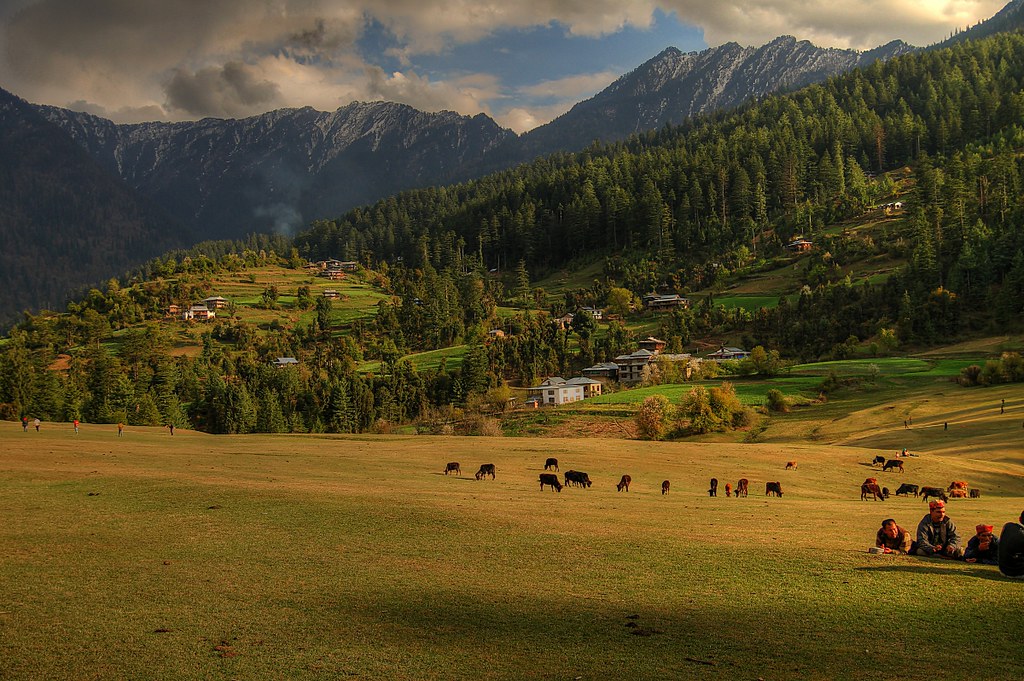
Shangarh
Shangarh’s meadow is flat, open, and surrounded by ancient deodar forest on three sides and mountain views on the fourth. Local legend holds the Pandavas stayed here for sometime while they were exiled as part of the Agyatvas (living in a diffrent place in secret without anyone recognizing their real identity).
The Shangchul Mahadev Temple is dedicated to Lord Shiva and is at the meadow’s edge and dates back centuries. The main structure got destroyed by fire in 1998 and was rebuilt by the village community. Its multi-storey wooden construction and intricate carved details are worth seeing closely.
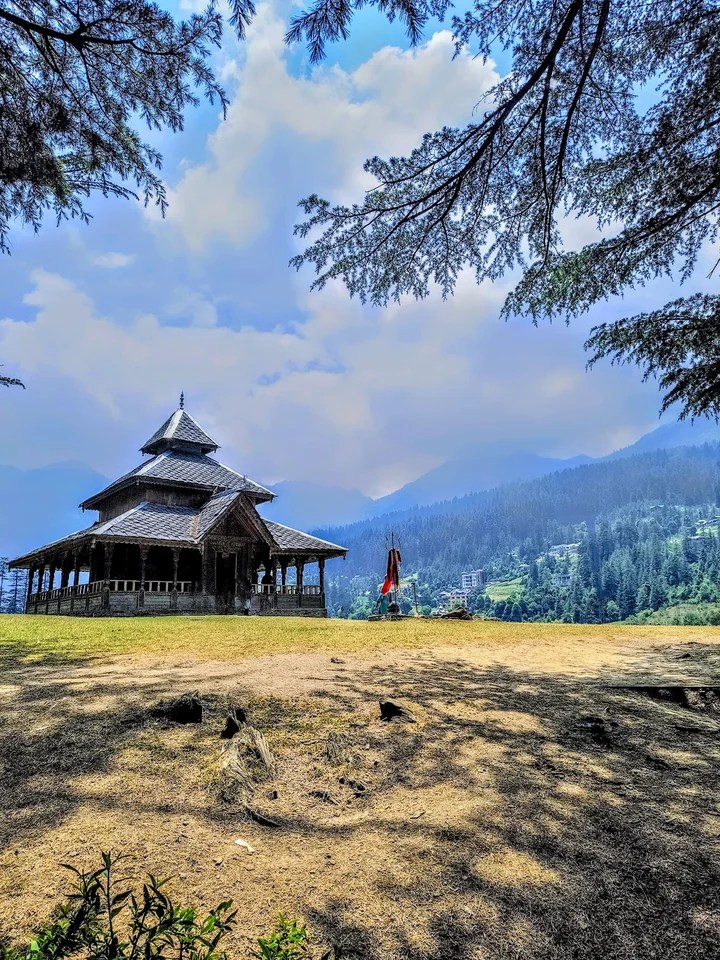
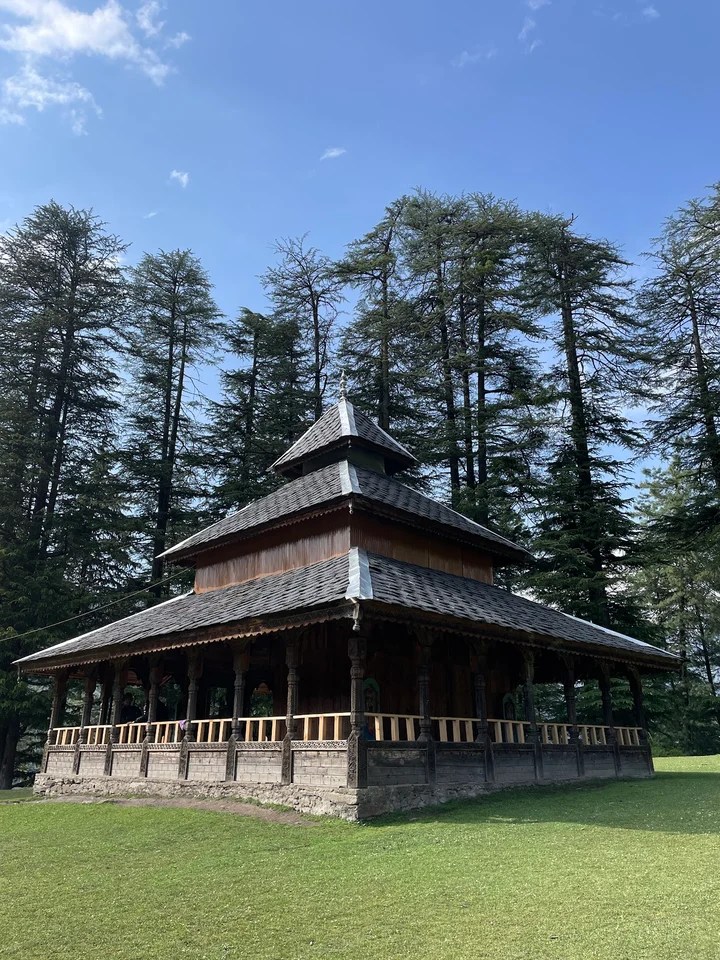
Best time: Arrive before 9 am on any day as then the meadow is empty and the light is extraordinary. By 11 am especially on weekends, it fills with day-trippers from Kullu and Manali.
The Shangarh “Backside” Meadow is unknown & less travelled
Few know about this second meadow in Shangarh which is right behind the temple.
Walk 20 minutes directly behind the Shangchul Mahadev Temple, away from the main meadow, into the forest, and over a small ridge. This second meadow is beautiful with open grassland, pine trees and an unbroken 360-degree mountain views. Ask your homestay host rather than trying to find it yourself. They will know exactly where it is and may well come with you.
Barshangarh Waterfall & Village (2 km walk from temple)
From the temple, follow the forest path west for approximately 2 kilometres to witness a hidden waterfall. Its a short walk and offers you a chance to experience the smell of the old deodar forest, across a wooden bridge over a stream and a few secret clearings.
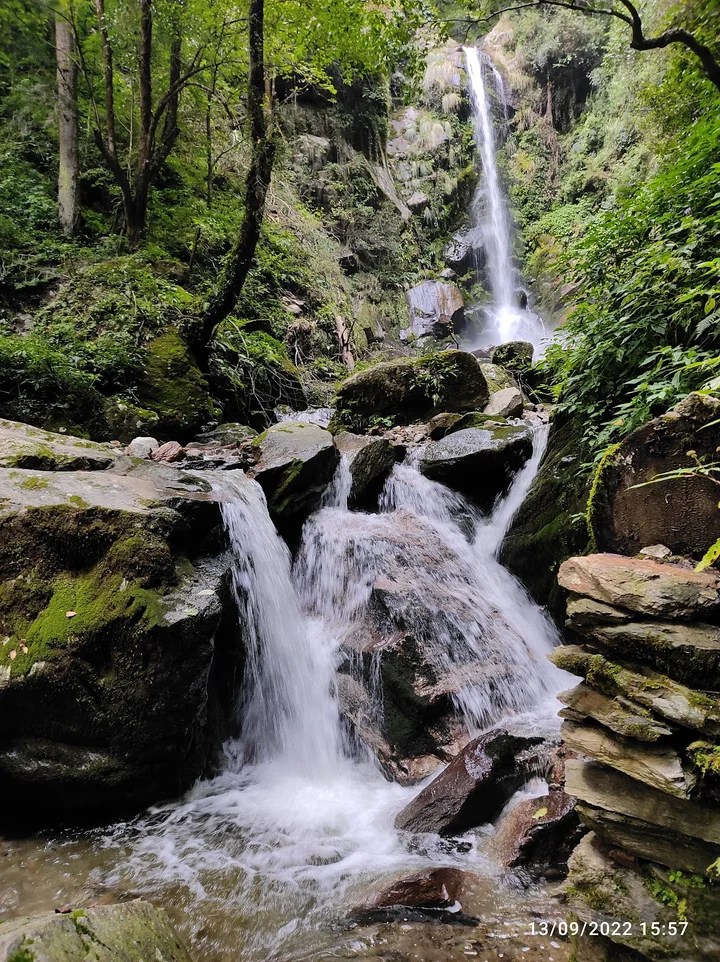
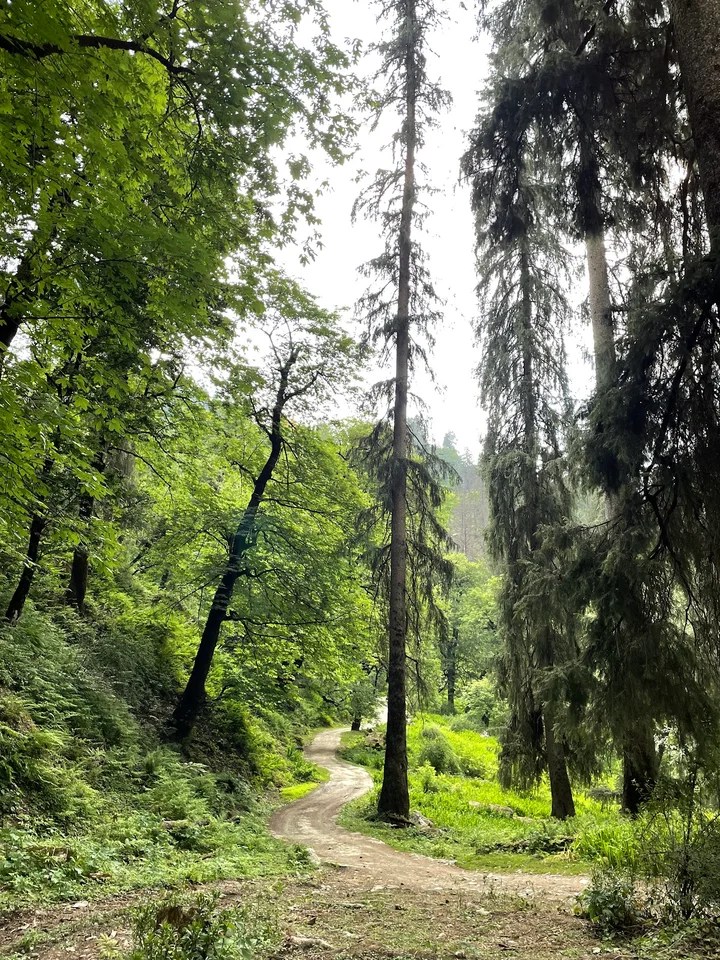
If you want to go further, the small village of Barshangarh is about 15 minutes from the waterfall. The village has only a few homes before the forest’s edge.
Day trek to Lapah Meadow (4 hours trek from Shangarh)
Arrange the trek before: Ask your homestay host to connect you with a local guide (₹1,500–2,000 for the day). Start by 6:30 or 7 am to reach Lapah in morning light. A GHNP permit is required.
From Shangarh, a 4-hour uphill trek takes you through old-growth forest before reaching the Lapah Meadow. Perched up at 2,900 metres it is a magical place but visited by virtually no tourists which makes it more special.
For inspiration you can read about Rajat’s blog on www.foodravel.com/trek-to-lapah-from-shangarh
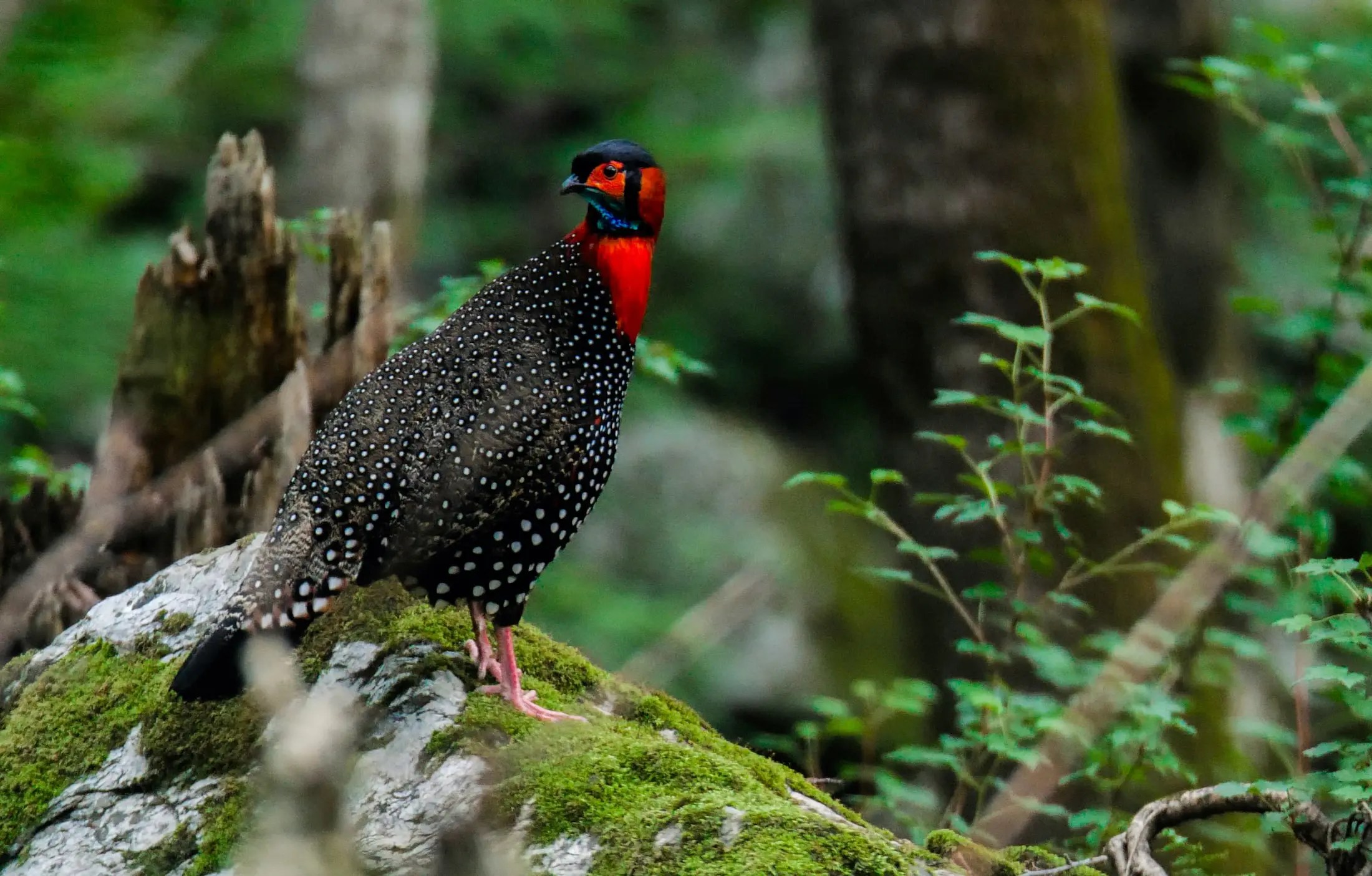
This is primary Western Tragopan pheasant territory Sainj holds approximately 60% of the GHNP’s entire Tragopan (Himachal’s state bird) population. Local guides know which trees the birds favour at dawn in April and May. The trail is well-defined to Lapah village but going beyond requires a guide.
Jangaon thatch trek (from Shangarh)
A short overnight entry-level trek through forest, flowers and grasslands. Good for first-time GHNP trekkers. Requires permits from Sainj GHNP office.
Secret trek to Tirath Lake (4,200 m)
A 4-day trek from Ropa village leads you to Tirath Lake, a sacred high-altitude lake at 4,200 metres.
The route via Chipni and Nada Thatch was first mapped and offered to visitors by a handful of local guides in 2024 as a roadless cross-valley traverse from Sainj to Tirthan. It remains one of the genuine frontiers of Himachal adventure travel.
Note: A prior Himalayan trekking experience is required for this trek. Arrange your trek through a Sainj-based guide in advance.
Shangarh–Lapah–Shumga Traverse (10-12 days – covers 30 km, 12,500 ft max)
The trek is well-marked to Lapah but requires a guide if you are planning to go beyond towards Sara Lake high camp. This site offers you Extraordinary night skies.
Kandi Galu–Phangchi Galu Pass Trek (7-9 days)
Travel to witness two passes: 3,700 m & 4,700 m. This trek ends near Parvati Valley. Dense forest, alpine lakes, mountain streams. Prior high-altitude experience, permits required.
Raktisar Source Trek (92 km from Neuli)
This riverside trek takes you to the source of the Sainj River. It passes Dhel meadows known for wildflowers in season and . Cross-valley to Tirthan possible from Dhel.
Shangarh–Lapah–Bara Bhangal (10-12 days, ends in Kangra District, expedition level trek)
One of the great Himalayan crossings, used by shepherds for centuries. Only a handful of specialist guides offer this route so plan months ahead.
Did you know Shangah is also known for Truffle!
In July and August, a few Shangarh families head into the deodar forest above the village with their dogs to hunt truffles. Truffles can command a price ranging from 5000 – 8,000 per kilogram at current market rates.
The truffle hunting experience is extraordinary and rare. Arrive at the right moment, befriend the right family through your homestay host, and you may hope to be invited. There is no tour to book. No fee to pay. Just the right timing and the right conversation.
- Heavenly Retreat: is located at the centre of Shangarh and offers a comfortable resort stay. Plus you can enjoy stunning views of Shangarh Meadows from the rooms and common areas.
- True Spirit Homestay: offers 6 rooms built in traditional Kathkuni stone-and-timber house. Run by artist Suchita and engineer Vikas, the homestay is highly reviewed and is close to the meadow and the waterfall trail.
- Hiraeth Shangarh: This is a newer property on Dharali Road with restaurant, washing machine, and WiFi. Good for couples/family with private rooms.
- Zostel Shangarh: offers Dorms (4-bed female & mixed) and mud-walled private rooms. It has a great community vibe, a garden and common areas.
Zone 5 – Deep valley & wilderness (60+ km from Aut)
Upper Neahi, Shenshar & the GHNP Wilderness
Beyond Shangarh, the road narrows to a jeep track and then a footpath. This zone is where Sainj Valley reveals its truest character. It has a few villages reachable only by rough road or on foot, temples built around living trees, an alpine lake visited only by shepherds, and in winter, a snow leopard corridor that only a few are aare of.
Pundrik Rishi Lake & Upper Neahi
Best option: Trek to Pundrik Lake, continue to Upper Neahi, stay overnight, return to Shangarh next morning. You need alteast two days to explore and yes it is a GHNP ecozone so a permit is required.
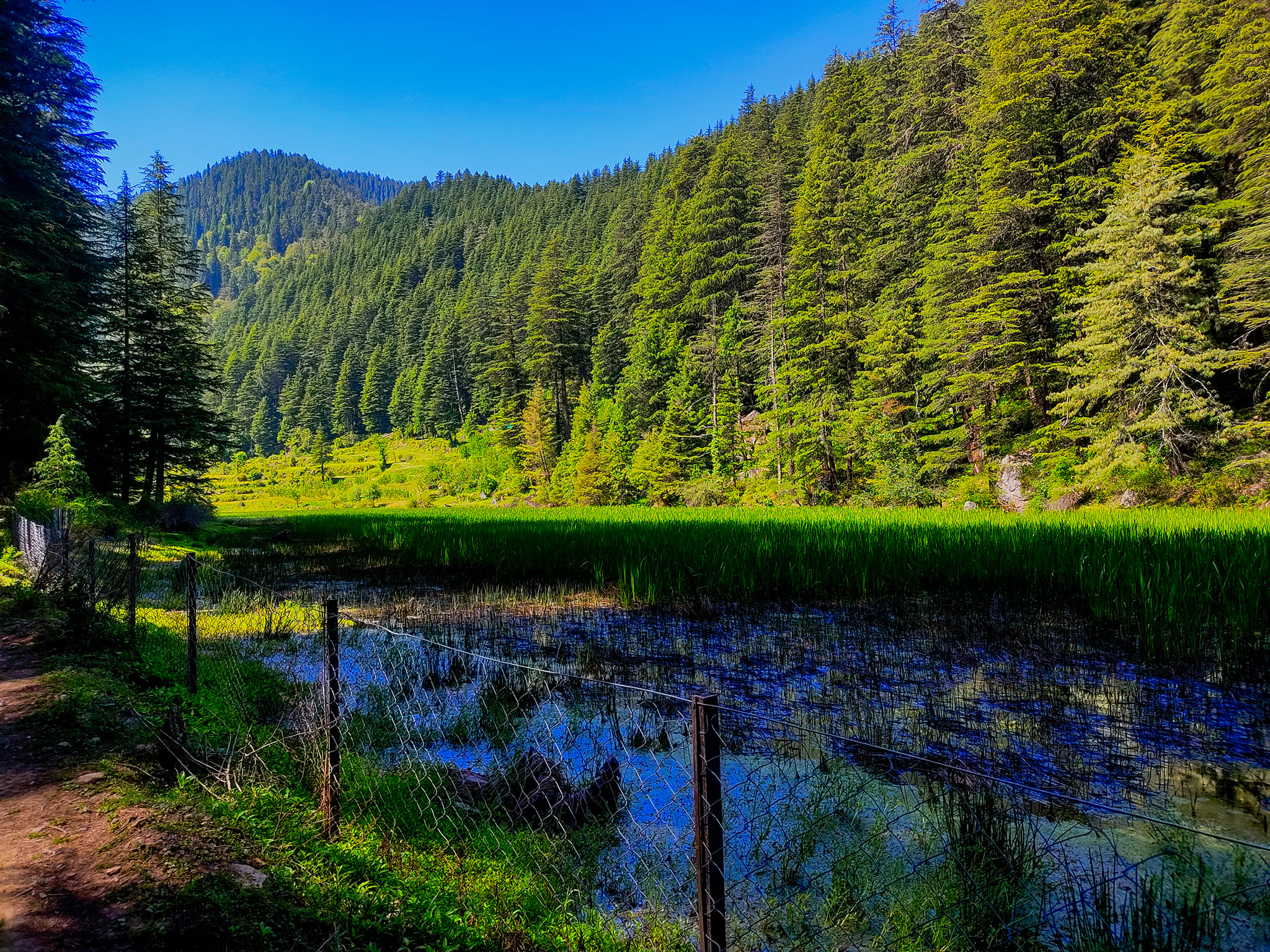
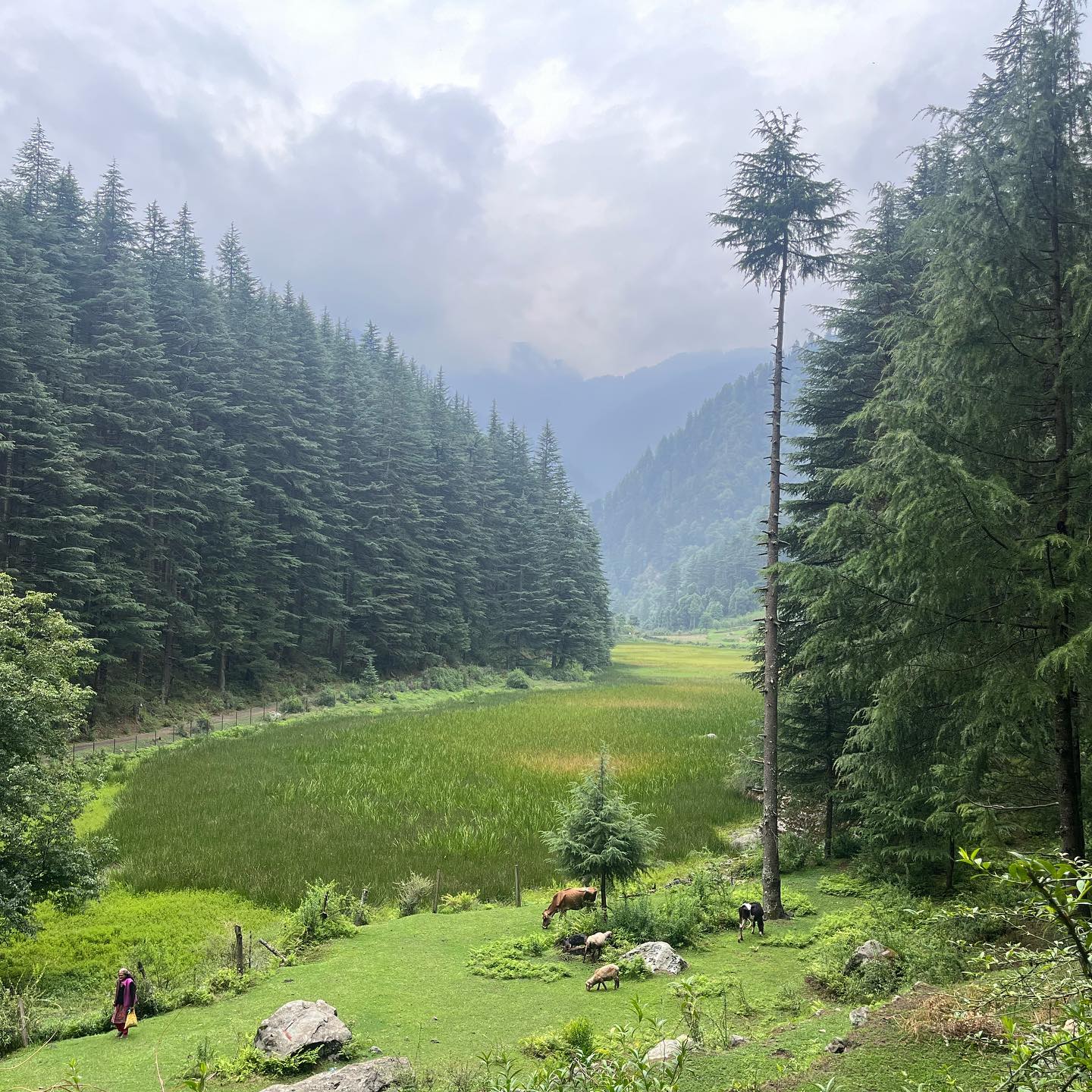
This is the valley’s signature trek passing through rhododendron forest to a sacred, mostly-dry alpine lake and a beautiful remote village. An 8 – 10 km trek from Shangarh (4–5 hours each way) passes through old deodar and rhododendron forest to reach Pundrik Rishi Lake which is a sacred grassland lake mostly devoid of water, named for the Sage Pundrik who meditated here.
Please do not touch the water as it is considered deeply inauspicious by the local community and is taken quite seriously. The lake has views of the Raktisar glacier. Continue 20 minutes further to reach Upper Neahi which is an uncommercialised village with mountain views, a handful of welcoming homestay families, and no phone signal whatsoever. Perfect place to stay the night for a deeper experience of the deep valley.
Travel to a remote village – Shenshar (Shanshar) & the Manu Temple
Shenshar is a small remote village which is located 10-15 km beyond Upper Neahi, accessible through a jeep track. You can arrange a local vehicle and guide through your Shangarh homestay.
The village’s Manu Temple is dedicated to the Sage Manu (author of the Manusmriti, considered the originator of the human race in Hindu tradition) and is one of the most remarkable pieces of architecture in the region. It has five stories of pagoda-style wooden construction built entirely around the trunk of an enormous living ancient deodar tree. The temple design looks, in the same architectural tradition as Manali’s Hidimba Temple.
Combine the visit with the nearby Ashapuri Temple and Budha Narayan Temple which are both within a short walk of each other.
Parkhachi Village – Snow Leopard Corridor (Dec-Mar)
The hamlet of Parkhachi is reached from the Shakashar gate into GHNP. This place sits within what local naturalists describe as the “park’s most reliable snow leopard corridor” and is almost completely unknown to mainstream wildlife tourism.
A 3-night stay between December and March gives a reported 70-80% chance of a snow leopard sighting. There are no formalised wildlife tours yet so arrange it yourself or contact a Sainj Village-based guide well in advance. Explain what you want, and they will know exactly who to call.
Note: The route from Shangarh to Parkhachi requires high-clearance vehicle plus guide.
Check Out: Sainj’s buffer zone contains some of the densest old-growth deodar cedar and kharshu oak forest remaining in the western Himalayas. Some individual trees here are over 400–500 years old. Ask your guide or homestay host to show you the old-growth that stands above Shangarh during any forest walk. These are not marked on any map but the experience of standing beside a tree that was already a century old when the Mughal Empire fell is quietly astonishing.
Also look for: Over 120 medicinal plant species grow in the valley’s buffer zone, including Brahma Kamal, Himalayan blue poppy, and the extraordinarily rare keeda jadi (caterpillar fungus) commanding ₹15–25 lakh per kilogram. A knowledgeable guide will point these out on any forest walk.
Food, Flavour & Himachali Warmth
Food here is what your homestay host makes that morning, from what is grown in their field or stored from last season. It is seasonal, organic, and one of the best meals you will eat.
Siddu is a steamed stuffed bread filled with lentils, walnuts or poppy-seed paste and is the valley’s signature dish. Madra is a slow-cooked chickpea or kidney-bean curry enriched with yoghurt and mountain ghee. Bhey is lotus stem cooked in a spiced gravy. It is harder to find but worth requesting. Red rice from the valley’s own terraced fields, eaten with ghee and local dal, is a local stable eaten daily.
The rajma (kidney beans) grown in the Kullu valley here are considered among the finest in India. After dinner, ask your host for a small glass of local apple juice (in season).
Sainj Valley is not a destination you visit so much as one you fall into — by accident, by word of mouth, or by simply taking the bus that everyone else ignores. You arrive expecting a pretty Himalayan valley. You leave having spent days in a place where the forests are four centuries old, the food was growing in a field that morning, the snow leopards are real, and the only actual problem is that you didn’t stay nearly long enough.
Location & Distance Guide to Sainj Valley
Ideal days to spend: minimum of 5-6 days
Altitude: 1,200 – 6,000 m
Best time to visit: March to June & then September – November
- From Jibhi or Tirthan: Sainj is 45–50 km via Banjar and Raila and roughly 2–2.5 hours.
- Aut Tunnel to Sainj Village: 18 km
- Aut Tunnel to Neuli: 27 km
- From Delhi to Aut: 432-497 km
- From Delhi: 490-500 km
- Chandigarh to Shangarh: 228 km (5-6 hours)
- Manali to Shangarh: 102 km
The nearest airport is Bhuntar (Kullu-Manali Airport), about 45 km away. Regular flights from Delhi. From Bhuntar, hire a taxi directly into the valley (around ₹1,500–2,000). Fill up at the Larji petrol pump just before Aut — last reliable fuel before the valley proper.
Notes to remember before you go
As of Mid 2026:
- GHNP Permits:
– No permit needed for Shangarh village or meadow.
– Ecozone entry: ₹50–100/day for Indian nationals.
– Core-zone treks require certified guides and permits from the Ropa range office or Shamshi head office. Plan and arrange your trip details in advance to avoid delay in permits. Minimum group of six for guided deep treks. - Road from Aut to Sainj Town are is good condition. From Sainj Town to Shangarh, the roads become narrow with steep gravel for the last 8–10 km. High-clearance vehicle recommended beyond Shakashar. Beyond that: mule track only. Don’t rush.
- A 100 MW hydropower project is under construction near Niharni. The road has improved as a result, but the river flow downstream has already been reduced. Locals are divided. Visit while the wildness still holds.
- ATMs are extremely scarce past Sainj town. Cards not accepted at homestays, shops, or the GHNP permit office. Carry enough cash for your entire stay. Fill up at Larji or Sainj town before heading deeper.
- A Jio 4G tower was installed in Shangarh in early 2026, ending the total blackout. Beyond Shangarh toward Deohari and deeper: little to no signal. Download offline maps before departure. Tell someone your itinerary.
- Medical: Medical facilities are extremely limited past Sainj town. Carry a first-aid kit, personal medications, altitude tablets if going above 3,000 m, and water purification. The nearest hospital is in Kullu.
Discover more from GoTravelTrek
Subscribe to get the latest posts sent to your email.
